 Vorschau anzeigen
 Versenden
 Teilen
 Details anzeigen

 Herunterladen
 Ähnliche Objekte
 Röntgenaufnahme
 Diashow
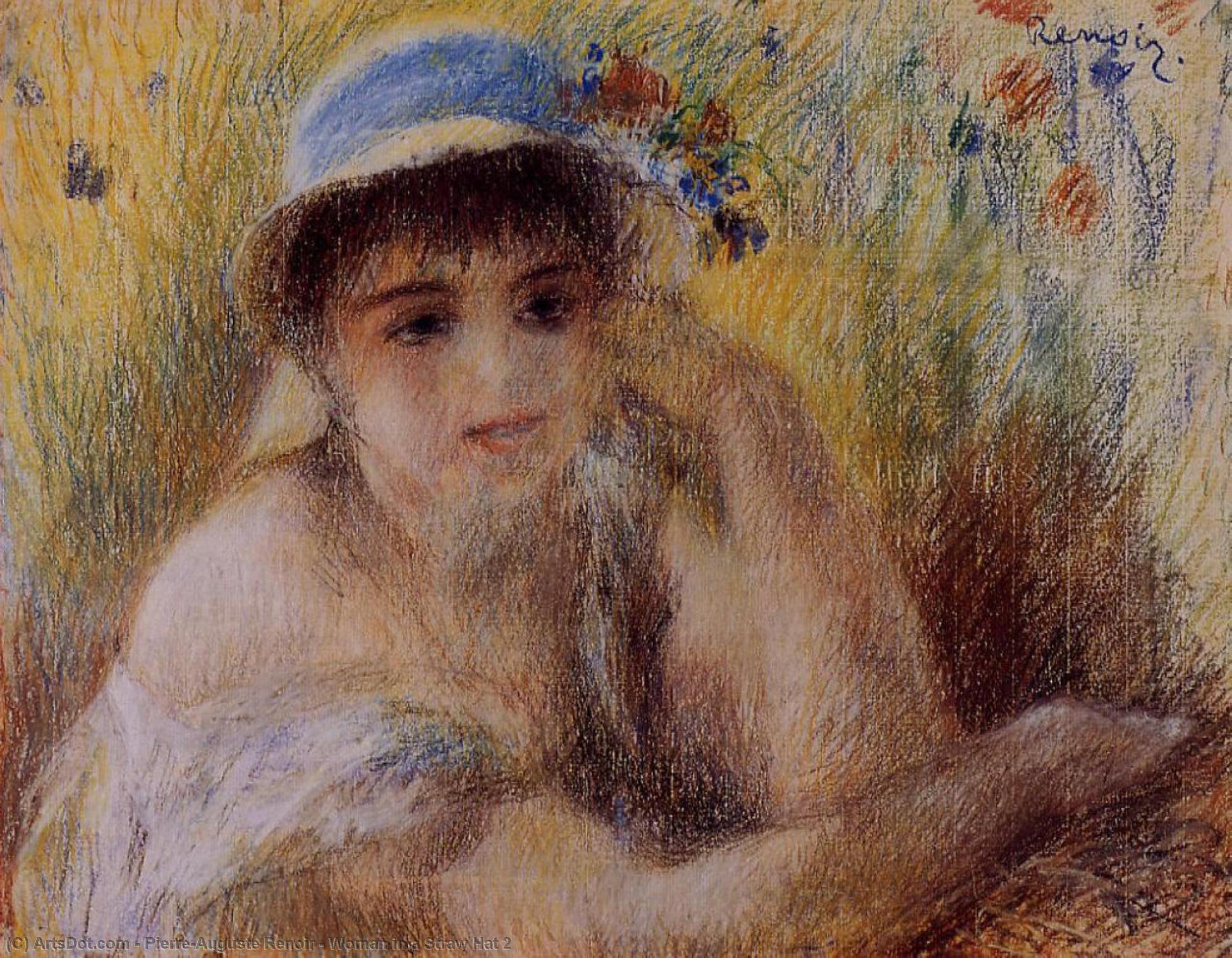
Frau mit Strohhut 2


 Weiterlesen
Handgefertigte Ölreproduktion
Handgemaltes Ölgemälde auf Leinwand in Ihrer Wunschgröße und mit Rahmen, auf Bestellung von unseren Künstlern angefertigt. ( Druck bestellen Bild kaufen)




P118B $10

P118H $10

P118W $10

P438Z $10

P508JH $12

P508YH $12

P805H $10

P805Z $10

P919BZ $10

P919G $10

P919XJ $10

P959ZH $10

P968JZ $12

W106C $8

W218G $10

W218JH $8

W218Y $10

W307PJ $10

W316G $10

W316PJ $8

W316Y $10

W398PJ $8

W4111J $10

W500HY $15

W500JH $15

W692G $12

W849H $8

W940BG $15

W953PJ $8




Wählen Sie aus unseren vordefinierten Formaten, die den ursprünglichen Proportionen des Kunstwerks entsprechen.

Sie können Ihre eigenen Maße eingeben, um einen bestimmten Rahmen oder Platz auszufüllen. Wenn die gewählte Größe nicht den Proportionen des Originalbildes entspricht, werden wir das Kunstwerk entweder beschneiden oder das Gemälde durch zusätzliche, handgemalte Elemente erweitern. Ein digitales Mockup wird Ihnen zur Genehmigung zugesandt, bevor die Produktion beginnt.
Bitte beachten Sie, dass die Bildschirmvorschau nicht die tatsächliche Beschneidung oder Erweiterung widerspiegelt. Nur das Mockup zeigt die endgültige Komposition exakt an.
Obwohl Sondermaße verfügbar sind, empfehlen wir, eine Größe aus der vordefinierten Liste zu wählen, um die ursprünglichen Proportionen beizubehalten.
Nach der Bestellung wird das ArtsDot.com-Team dem Kunden Anweisungen per E-Mail zusenden und eine Mockup-Vorschau bereitstellen.
Weltweiter Versand () in nur 3 bis 4 Wochen statt der üblichen 5 Wochen. (21 August). Keine Kompromisse bei der Qualität.

Kostenloser weltweiter Expressversand

Hochwertige Leinenleinwand

Umfassender Versicherungsschutz beim Versand

Zollgebühren-Rückerstattungsgarantie

Garantie für exakte Farbtreue

60 Tage Rückgaberecht (nur bei Mängeln)

100% Geld-zurück-Garantie

Mengenrabatt verfügbar
 Die Glasoption ist nur für Größen unter 110 cm verfügbar.

Frau mit Strohhut 2
Art der Reproduktion
Format der Reproduktion
-


Gesamtpreis
$ 263
Beschreibung des Kunstwerks
A Glimpse into Belle Époque Leisure: Renoir’s “Woman in a Straw Hat 2”
Pierre-Auguste Renoir (1841–1919) stands as an enduring emblem of Impressionism, capturing the fleeting beauty of everyday life with unparalleled grace and luminosity. His masterpiece, *Woman in a Straw Hat 2*, transcends mere depiction; it’s an invitation to immerse oneself in the spirit of France's Belle Époque – a period defined by optimism, artistic innovation, and a celebration of sensual pleasure. This painting, completed around 1877-1879, exemplifies Renoir’s signature style, prioritizing atmosphere and emotion over precise realism.Impressionism: Capturing Fleeting Moments
Renoir spearheaded the Impressionist movement, rejecting the rigid conventions of academic art in favor of observing how light transforms color and form. Unlike traditional painters who meticulously blended pigments on their palettes to achieve a polished finish, Renoir embraced *plein air* painting – working outdoors directly before his subject – allowing him to capture the immediacy of natural illumination. This approach is vividly realized in *Woman in a Straw Hat 2*. The artist eschews detailed rendering, opting instead for loose brushstrokes and vibrant hues that convey a sense of movement and spontaneity. Consider the way Renoir’s hand delicately blends shades of yellow and green to create an illusion of shimmering foliage—a testament to his mastery of optical blending.- Loose Brushwork: Notice Renoir's characteristic loose brushstrokes, which create a sense of movement and spontaneity. The paint is applied in short, broken touches, allowing colors to blend optically rather than being meticulously mixed on the palette.
- Emphasis on Light & Color: The painting is bathed in warm, golden light, enhancing the vibrancy of the greens, yellows, and reds within the composition. This focus on luminosity is a hallmark of Impressionism.
- Outdoor Setting (Plein Air): Renoir frequently painted *en plein air* – outdoors – to directly observe the effects of natural light. This practice contributed to the freshness and immediacy of his work.
Technique & Materials: Oil on Canvas
Renoir skillfully employed oil paint, layering thin glazes to build up depth and create an ethereal glow. The canvas itself serves as a vital component, providing a textured surface that complements the luminous qualities of the pigments. Unlike academic painters who favored smooth surfaces and meticulous blending, Renoir’s technique prioritizes capturing subtle nuances of color and texture—a deliberate choice that underscores his artistic vision.Symbolism & Interpretation
Beyond its aesthetic beauty, *Woman in a Straw Hat 2* carries profound symbolic weight. The straw hat – fashionable during the Belle Époque – signifies elegance and social status, reflecting the aspirations of the burgeoning middle class. Surrounding her is an abundance of wildflowers—a deliberate gesture by Renoir to evoke themes of youth, beauty, and the ephemeral nature of life. More broadly, the painting celebrates *joie de vivre* – the joy of living – capturing a moment of carefree pleasure amidst the splendor of Parisian springtime.Historical Context & Renoir's Legacy
Created during a period of transformative social change in France, *Woman in a Straw Hat 2* embodies the optimism and dynamism of the Belle Époque. The Impressionist movement challenged established artistic conventions, paving the way for modern art’s exploration of subjective experience and emotional resonance. Renoir’s influence extends far beyond his own lifetime; he remains an inspiration to artists worldwide, demonstrating that true beauty lies in capturing fleeting impressions rather than striving for unattainable perfection. Owning a reproduction allows you to appreciate this iconic piece of Impressionist heritage—a timeless reminder of artistic brilliance and the enduring allure of Belle Époque charm. Photo Description: --Overall Impression-- The artwork is a pastel-toned portrait of a young girl seated outdoors amidst lush greenery, bathed in dappled sunlight. It’s rendered in Renoir's signature Impressionistic style, characterized by soft lines, blurred edges, and an overall hazy atmosphere—creating a dreamlike quality reminiscent of Monet’s landscapes. The composition centers on the girl, whose face is turned slightly away from the viewer, conveying a sense of quiet contemplation. She wears a straw hat adorned with flowers, adding to the painting's decorative elegance. The background consists of dense foliage – primarily grasses and wildflowers—dominated by shades of yellow and red. Lines are predominantly soft and flowing, suggesting movement and spontaneity. Shapes are largely organic – rounded forms in the girl’s face and body, irregular shapes within the foliage—reflecting Renoir’s fascination with nature's beauty. Texture is achieved through layering pastel strokes, creating a velvety appearance that enhances the painting’s luminosity. Lighting appears diffused and warm, casting gentle shadows across the scene and illuminating the blossoms. Perspective is relatively shallow, focusing on the immediate foreground and blurring the distance—further contributing to the painting’s ethereal mood. The subject matter is a portrait of youthful beauty and leisure within a natural setting—a celebration of sensory experience and artistic innovation. Renoir's technique involves applying oil paint in thin glazes, allowing light to penetrate the surface and creating depth without resorting to meticulous detail. This deliberate choice underscores his commitment to capturing atmospheric effects and conveying emotion—a hallmark of Impressionism’s enduring legacy. Size: Unknown Date: UnknownÄhnliche Kunstwerke
Über den Künstler
frühes Leben und Karriere
pierre-auguste renoir, ein prägender französischer Künstler, wurde am 25. Februar 1841 in Limoges, Frankreich, geboren. Er spielte eine entscheidende Rolle bei der Gestaltung des Impressionismus und war bekannt für sein lebendiges Licht und seine gesättigten Farben. Renoirs Werk feierte Schönheit, insbesondere weibliche Sinnlichkeit, und platzierte ihn in einer Linie von Künstlern, die von Rubens bis Watteau reicht.Künstlerisches Erbe
Renoirs Vermächtnis erstreckte sich über seine Leinwand hinaus, da er der Patriarche einer Familie war, in der Kunst in verschiedenen Formen blühte. Seine Kinder, pierre renoir (1885–1952), Filmemacher jean renoir (1894–1979) und Keramikkünstler claude renoir (1901–1969), leisteten alle bedeutende Beiträge in ihren jeweiligen Bereichen. Sein Enkel, Filmemacher claude renoir (1913–1993), vertiefte das künstlerische Erbe der Familie weiter.Bekannte Werke und Museen
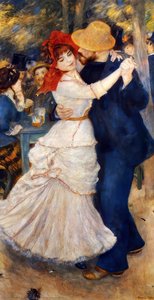
* Dance at Bougival, ein bemerkenswertes Gemälde von Renoir, zeigt seine Meisterschaft beim Festhalten der Essenz des Impressionismus. * Das Musée des Collettes, das sich in Cagnes-sur-Mer, Frankreich, befindet, ist ein Muss für Kunstliebhaber. Dieses Museum, das einst das Zuhause von Pierre-Auguste Renoir war, dient als Zeugnis seines Lebens und Werks und beherbergt fünfzehn seiner Gemälde. * Das Musée Maurice Denis, ein weiteres verstecktes Juwel in Frankreich, präsentiert eine beeindruckende Sammlung französischer Postimpressionistischer Gemälde aus dem späten 19. und frühen 20. Jahrhundert.Renoirs Kunst mit ArtsDot entdecken
- Entdecken Sie den Charme des Musée des Collettes (Frankreich) und seiner Impressionistenkunst bei ArtsDot: [https://ArtsDot.com/@@/a@d3aupf](https://ArtsDot.com/@@/a@d3aupf)
- Erkunden Sie die Wunder des Musée Maurice Denis (Frankreich) mit ArtsDot: /de/art/show/art-d3aue3-de/
- Ansehen Sie sich Renoirs Gemälde, einschließlich Dance at Bougival, bei ArtsDot: [https://ArtsDot.com/@/pierre-auguste renoir](https://ArtsDot.com/@/pierre-auguste%20renoir)
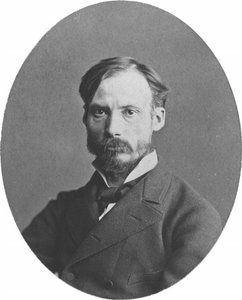
Pierre-Auguste Renoir
1841 - 1919 , Frankreich
Kurzinfos
- Beeinflusste Künstler:
- Rubens
- Watteau
- Bemerkenswerte Werke:
- Tanz im Moulin de la Galette
- Bootsfahrt-Mittagessen
- Nach dem Bad
- Tanz in Bougival
- Geburtsdatum: 25. Februar 1841
- Geburtsort: Limoges, Frankreich
- Künstlerischer Stil: Impressionismus
- Nationalität: Französisch
- Todatum: 3. Dezember 1919
- Vollständiger Name: Pierre-Auguste Renoir
- Von Künstlern Beeinflusst:
- Camille Pissarro
- Édouard Manet
Ähnliche Artikel

Pierre-Auguste Renoir: Die 25 Meisterwerke des Impressionismus für Ihr Zuhause | ArtsDot
Entdecken Sie die 25 schönsten Meisterwerke von Pierre-Auguste Renoir! Tauchen Sie ein in die Welt des Impressionismus, erleben Sie berühmte Gemälde wie 'Bal au moulin de la Galette' und finden Sie hochwertige Kunstdrucke für Ihr Zuhause. Jetzt auf ArtsDot.com!
Impressionismus: Die 10 Meisterwerke, die eine Kunstbewegung prägten | ArtsDot
Entdecken Sie die 10 Meisterwerke des Impressionismus! Von Monet bis Renoir – erfahren Sie die Geschichten hinter ikonischen Gemälden, Techniken & Farben. Hochwertige Reproduktionen auf ArtsDot.com.

Die Subtilität der Pastelltechnik: Geschichte, Anwendung und emotionale Resonanz
Entdecken Sie die faszinierende Welt der Pastellmalerei! Erfahren Sie mehr über Technik, Geschichte und berühmte Künstler. Hochwertige Reproduktionen bei ArtsDot.
The Luminous World of Pierre-Auguste Renoir: An Exploration of Impressionism's Sensuous Embrace
Explore the captivating world of Pierre-Auguste Renoir! Discover his life, iconic Impressionist masterpieces & enduring legacy with our expert guide. High-quality reproductions available.
The Subdued Radiance of Pastel Palettes: Exploring Emotional Resonance in Art History
Explore the emotional power of pastel palettes in art history! Discover Impressionism, Post-Impressionism & color psychology insights. Find museum-quality reproductions at ArtsDot.