 Vorschau anzeigen
 Versenden
 Teilen
 Details anzeigen

 Herunterladen
 Ähnliche Objekte
 Röntgenaufnahme
 Diashow
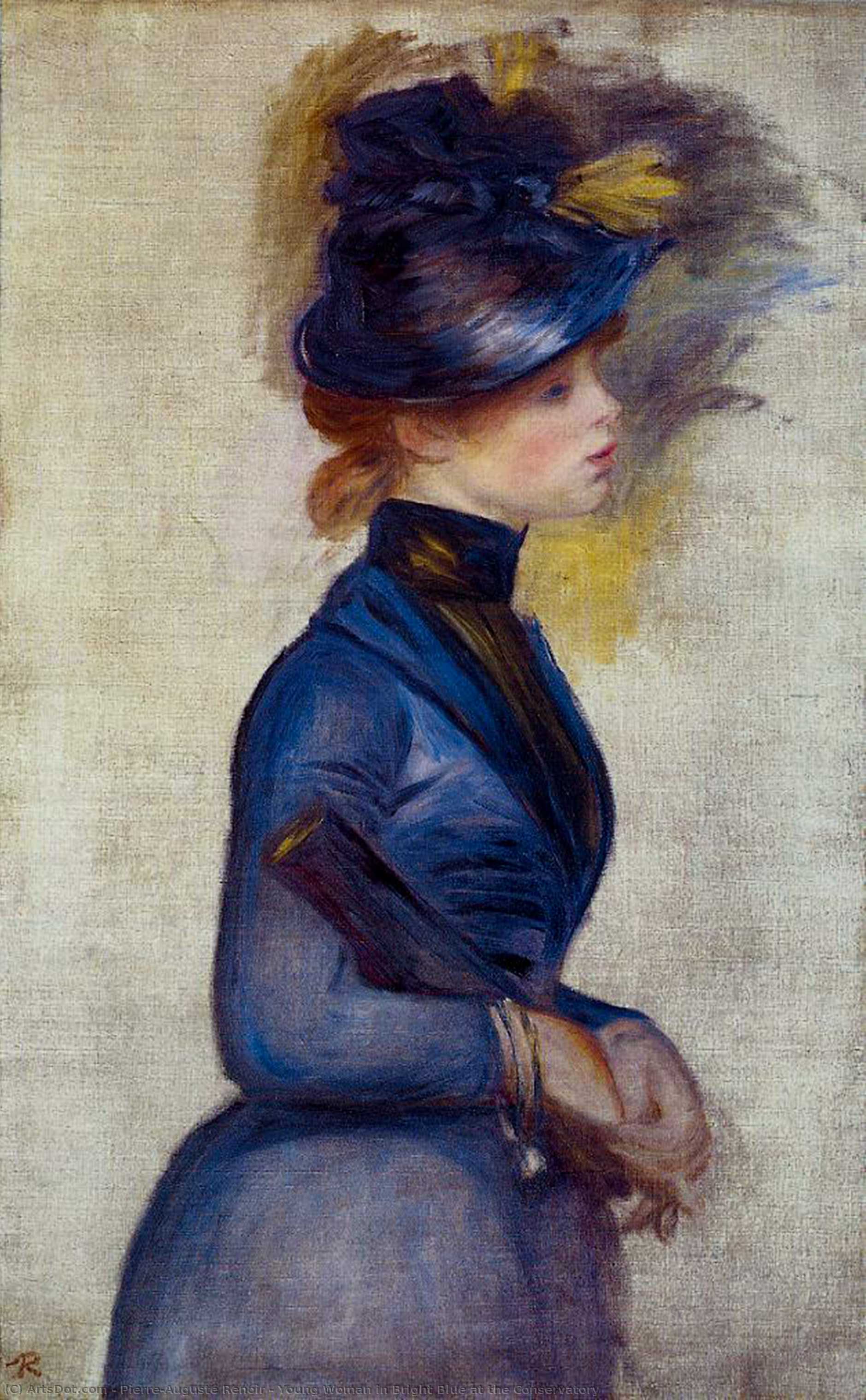
Junge Frau im leuchtend blauen Kostüm im Gewächshaus


 Weiterlesen
Giclée / Kunstdruck
Giclée- oder Leinwanddruck in Museumsqualität mit schneller Produktion und flexiblen Veredelungsoptionen. ( Handgemalte Reproduktion bestellen Bild kaufen)




P118B $10

P118H $10

P118W $10

P438Z $10

P508JH $12

P508YH $12

P805H $10

P805Z $10

P919BZ $10

P919G $10

P919XJ $10

P959ZH $10

P968JZ $12

W106C $8

W218G $10

W218JH $8

W218Y $10

W307PJ $10

W316G $10

W316PJ $8

W316Y $10

W398PJ $8

W4111J $10

W500HY $15

W500JH $15

W692G $12

W849H $8

W940BG $15

W953PJ $8




Wählen Sie aus unseren vordefinierten Formaten, die den ursprünglichen Proportionen des Kunstwerks entsprechen.

Sie können Ihre eigenen Maße eingeben, um ein bestimmtes Format oder einen speziellen Platz einzupassen. Wenn das von Ihnen gewählte Format nicht den Proportionen des Originalbildes entspricht, werden wir das Kunstwerk entweder beschneiden oder das Bild mit einem gespiegelten oder einfarbigen Rand erweitern. Ein digitaler Entwurf wird Ihnen zur Genehmigung zugesandt, bevor die Produktion beginnt.
Bitte beachten Sie, dass die Vorschau auf dem Bildschirm nicht den tatsächlichen Zuschnitt oder die Erweiterung widerspiegelt. Nur der Entwurf zeigt die endgültige Komposition präzise an.
Obwohl Sondermaße verfügbar sind, empfehlen wir die Auswahl eines Maßes aus der vordefinierten Liste, um die ursprünglichen Proportionen zu bewahren.
Weltweiter Versand () innerhalb von 2 Wochen statt der üblichen 4/5 Wochen. (26 August)

Kostenloser weltweiter Expressversand

Hochwertige Leinenleinwand

Umfassender Versicherungsschutz beim Versand

Zollgebühren-Rückerstattungsgarantie

Garantie für exakte Farbtreue

60 Tage Rückgaberecht (nur bei Mängeln)

100% Geld-zurück-Garantie

Mengenrabatt verfügbar
 Die Glasoption ist nur für Größen unter 110 cm verfügbar.

Junge Frau im leuchtend blauen Kostüm im Gewächshaus
Giclée / Kunstdruck
Format der Reproduktion
-


Gesamtpreis
$ 62
Sammlerstück-Beschreibung
Pierre-Auguste Renoir’s “Young Woman in Bright Blue at the Conservatory”: A Symphony of Light and Sentiment
Pierre-Auguste Renoir's "Young Woman in Bright Blue at the Conservatory," painted in 1877, isn’t merely a portrait; it’s an exquisite distillation of Impressionist ideals – a fleeting moment captured with remarkable sensitivity. This captivating work resides within a private collection, yet its beauty and artistic merit have resonated deeply throughout art history, offering a glimpse into Renoir's masterful ability to convey both the visual and emotional essence of his subjects. The painting immediately draws the eye to the young woman, enveloped in a vibrant blue gown that seems to shimmer with reflected light. This isn’t simply a color choice; it’s a deliberate orchestration of hues designed to evoke feelings of serenity, youthfulness, and perhaps even a touch of wistful contemplation.
Renoir's genius lies not just in his palette but also in his technique – the loose, broken brushstrokes that define Impressionism. He doesn’t strive for photographic realism; instead, he captures the *impression* of light and color as it shifts and dances across the subject’s form. Notice how the strokes are particularly visible around the edges of the blue dress, creating a sense of movement and suggesting the fabric's delicate texture. The background, rendered in softer, muted tones, serves to subtly highlight the woman’s presence without overwhelming her. This careful balance between figure and space is a hallmark of Renoir’s style.
The Subject: Elegance and Intimacy
The young woman herself embodies an understated elegance – a quality that was highly valued during the late 19th century. Her pose, with arms folded gracefully beneath her bust, conveys a sense of quiet self-possession. The fashionable hat, adorned with a delicate ribbon, adds to her refined appearance, while her dark eyes suggest a thoughtful gaze directed away from the viewer. This deliberate turn of the head creates an intimate connection, inviting us into her private world. It’s as if she's lost in thought, contemplating something just beyond our comprehension – a common theme in Renoir’s portraits.
The setting—a conservatory—further enhances the painting’s atmosphere. Conservatories were popular features of bourgeois homes during this period, offering a refuge from the outside world and providing a space for cultivating plants and enjoying pleasant weather. The presence of greenery subtly reinforces the theme of tranquility and natural beauty, aligning perfectly with Renoir's overall aesthetic.
Impressionist Techniques: A Dance of Light
Renoir’s mastery of Impressionism is vividly demonstrated through his use of light. He doesn’t simply paint a woman in blue; he paints the *effect* of light on that blue, capturing the way it reflects and refracts across the fabric. The artist skillfully employs complementary colors – the cool blues and greens juxtaposed against warmer tones in the background – to create visual interest and depth. The subtle variations in tone suggest the play of sunlight filtering through the conservatory’s windows, adding a sense of realism and immediacy.
Furthermore, Renoir's technique is characterized by *plein air* painting—working outdoors directly from nature. This approach allowed him to capture the fleeting effects of light and atmosphere with unparalleled accuracy. The brushstrokes are loose and visible, reflecting the artist’s commitment to portraying the sensory experience of a moment in time.
Symbolism and Emotional Resonance
While seemingly simple on the surface, “Young Woman in Bright Blue at the Conservatory” is rich in symbolic meaning. The blue dress represents youth, beauty, and perhaps even innocence. The woman’s contemplative expression suggests a deeper emotional complexity—a hint of melancholy or longing. Renoir was known for his ability to capture not just physical appearances but also the inner lives of his subjects, and this painting is no exception.
Ultimately, Renoir's masterpiece transcends its formal elements to evoke a powerful sense of nostalgia and beauty. It’s a testament to the artist’s skill and sensitivity—a timeless portrait that continues to captivate viewers with its luminous colors, graceful composition, and profound emotional resonance. For those seeking a stunning reproduction, ArtsDot offers meticulously crafted hand-painted reproductions that faithfully capture the essence of this iconic Impressionist work.
Ähnliche Kunstwerke
Über den Künstler
frühes Leben und Karriere
pierre-auguste renoir, ein prägender französischer Künstler, wurde am 25. Februar 1841 in Limoges, Frankreich, geboren. Er spielte eine entscheidende Rolle bei der Gestaltung des Impressionismus und war bekannt für sein lebendiges Licht und seine gesättigten Farben. Renoirs Werk feierte Schönheit, insbesondere weibliche Sinnlichkeit, und platzierte ihn in einer Linie von Künstlern, die von Rubens bis Watteau reicht.Künstlerisches Erbe
Renoirs Vermächtnis erstreckte sich über seine Leinwand hinaus, da er der Patriarche einer Familie war, in der Kunst in verschiedenen Formen blühte. Seine Kinder, pierre renoir (1885–1952), Filmemacher jean renoir (1894–1979) und Keramikkünstler claude renoir (1901–1969), leisteten alle bedeutende Beiträge in ihren jeweiligen Bereichen. Sein Enkel, Filmemacher claude renoir (1913–1993), vertiefte das künstlerische Erbe der Familie weiter.Bekannte Werke und Museen
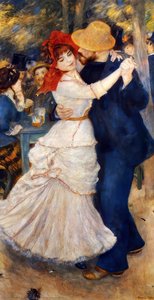
* Dance at Bougival, ein bemerkenswertes Gemälde von Renoir, zeigt seine Meisterschaft beim Festhalten der Essenz des Impressionismus. * Das Musée des Collettes, das sich in Cagnes-sur-Mer, Frankreich, befindet, ist ein Muss für Kunstliebhaber. Dieses Museum, das einst das Zuhause von Pierre-Auguste Renoir war, dient als Zeugnis seines Lebens und Werks und beherbergt fünfzehn seiner Gemälde. * Das Musée Maurice Denis, ein weiteres verstecktes Juwel in Frankreich, präsentiert eine beeindruckende Sammlung französischer Postimpressionistischer Gemälde aus dem späten 19. und frühen 20. Jahrhundert.Renoirs Kunst mit ArtsDot entdecken
- Entdecken Sie den Charme des Musée des Collettes (Frankreich) und seiner Impressionistenkunst bei ArtsDot: [https://ArtsDot.com/@@/a@d3aupf](https://ArtsDot.com/@@/a@d3aupf)
- Erkunden Sie die Wunder des Musée Maurice Denis (Frankreich) mit ArtsDot: /de/art/show/art-d3aue3-de/
- Ansehen Sie sich Renoirs Gemälde, einschließlich Dance at Bougival, bei ArtsDot: [https://ArtsDot.com/@/pierre-auguste renoir](https://ArtsDot.com/@/pierre-auguste%20renoir)
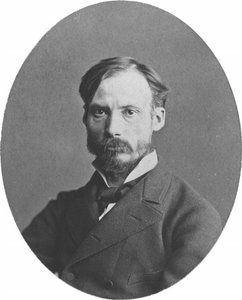
Pierre-Auguste Renoir
1841 - 1919 , Frankreich
Kurzinfos
- Beeinflusste Künstler:
- Rubens
- Watteau
- Bemerkenswerte Werke:
- Tanz im Moulin de la Galette
- Bootsfahrt-Mittagessen
- Nach dem Bad
- Tanz in Bougival
- Geburtsdatum: 25. Februar 1841
- Geburtsort: Limoges, Frankreich
- Künstlerischer Stil: Impressionismus
- Nationalität: Französisch
- Todatum: 3. Dezember 1919
- Vollständiger Name: Pierre-Auguste Renoir
- Von Künstlern Beeinflusst:
- Camille Pissarro
- Édouard Manet
Ähnliche Artikel
Pierre-Auguste Renoir: Die 25 Meisterwerke des Impressionismus für Ihr Zuhause | ArtsDot
Entdecken Sie die 25 schönsten Meisterwerke von Pierre-Auguste Renoir! Tauchen Sie ein in die Welt des Impressionismus, erleben Sie berühmte Gemälde wie 'Bal au moulin de la Galette' und finden Sie hochwertige Kunstdrucke für Ihr Zuhause. Jetzt auf ArtsDot.com!

Die Top 10 Gemälde in Schattierungen von 'Slate Blue': Kunst für Ihr Zuhause
Entdecken Sie die Top 10 Gemälde in faszinierenden 'Slate Blue' Tönen! Von Monet bis Manet – erleben Sie Kunstgeschichte und lassen Sie sich von Meisterwerken inspirieren. Hochwertige Kunstdrucke auf
Impressionismus: Die 10 Meisterwerke, die eine Kunstbewegung prägten | ArtsDot
Entdecken Sie die 10 Meisterwerke des Impressionismus! Von Monet bis Renoir – erfahren Sie die Geschichten hinter ikonischen Gemälden, Techniken & Farben. Hochwertige Reproduktionen auf ArtsDot.com.
Azure Visions: Exploring Representations of the Blue Dress in Western Art History
Explore the rich history of the blue dress in Western art! Discover its symbolism, from Renaissance masterpieces to modern interpretations by artists like Martin & Schiele. Uncover cultural meanings and artistic techniques.

The Allure of Azure: Exploring the Symbolic & Aesthetic Depths of Blue in Art History
Explore the rich history of blue in art! Discover its symbolism, from ancient pigments to modern masterpieces by Kandinsky & Seurat. Uncover the psychological impact and cultural meanings behind this captivating hue.