In echtem Maßstab anzeigen
 Versenden als Grußkarte
 Teilen
 Details anzeigen

 Herunterladen
 Ähnliche Objekte
 Röntgenaufnahme
 Diashow
 Besucherstatistiken
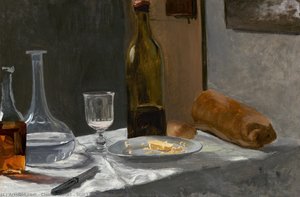
Le verre de vin


 Mehr anzeigen
Handgefertigte Ölreproduktion
Handgemaltes Ölgemälde auf Leinwand in Ihrer Wunschgröße und mit Rahmen, auf Bestellung von unseren Künstlern angefertigt. ( Zum Druck wechseln Zum digitalen Bild wechseln)




P118B $10

P118H $10

P118W $10

P438Z $10

P508JH $12

P508YH $12

P805H $10

P805Z $10

P919BZ $10

P919G $10

P919XJ $10

P959ZH $10

P968JZ $12

W106C $8

W218G $10

W218JH $8

W218Y $10

W307PJ $10

W316G $10

W316PJ $8

W316Y $10

W398PJ $8

W4111J $10

W500HY $15

W500JH $15

W692G $12

W849H $8

W940BG $15

W953PJ $8
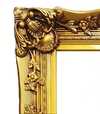
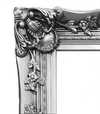
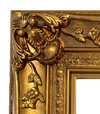
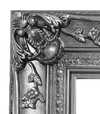
Wählen Sie aus unseren vordefinierten Formaten, die den ursprünglichen Proportionen des Kunstwerks entsprechen.

Sie können Ihre eigenen Maße eingeben, um einen bestimmten Rahmen oder Platz auszufüllen. Wenn die gewählte Größe nicht den Proportionen des Originalbildes entspricht, werden wir das Kunstwerk entweder beschneiden oder das Gemälde durch zusätzliche, handgemalte Elemente erweitern. Ein digitales Mockup wird Ihnen zur Genehmigung zugesandt, bevor die Produktion beginnt.
Bitte beachten Sie, dass die Bildschirmvorschau nicht die tatsächliche Beschneidung oder Erweiterung widerspiegelt. Nur das Mockup zeigt die endgültige Komposition exakt an.
Obwohl Sondermaße verfügbar sind, empfehlen wir, eine Größe aus der vordefinierten Liste zu wählen, um die ursprünglichen Proportionen beizubehalten.
Nach der Bestellung wird das ArtsDot.com-Team dem Kunden Anweisungen per E-Mail zusenden und eine Mockup-Vorschau bereitstellen.
Weltweiter Versand () in nur 3 bis 4 Wochen statt der üblichen 5 Wochen. (17 September). Keine Kompromisse bei der Qualität.

Kostenloser weltweiter Expressversand

Hochwertige Leinenleinwand

Vollständiger Versicherungsschutz beim Versand

Zollgebühren-Rückerstattungsgarantie

Garantie für exakte Farbtreue

100-tägiges Rückgaberecht (nur bei Mängeln)

100% Geld-zurück-Garantie

Angebot für Mengenrabatt
 Die Glasoption ist nur für Größen unter 110 cm verfügbar.

Le verre de vin
Reproduktionsmedium
Format der Reproduktion
-


Gesamtpreis
$ 263
A Moment of Quietude: Renoir's "Le verre de vin"
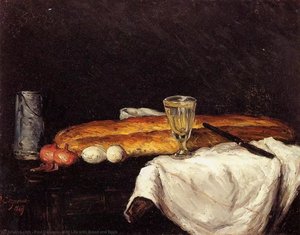
Pierre-Auguste Renoir’s “Le verre de vin,” a deceptively simple depiction of a table setting, offers a profound glimpse into the heart of Impressionism – a movement defined not just by its revolutionary techniques but also by its ability to capture fleeting moments of everyday life with remarkable sensitivity. This painting, rendered with Renoir's signature mastery of light and color, invites us to pause and contemplate the quiet beauty found in the most ordinary scenes. The composition is remarkably focused; a table dominates the canvas, upon which rests a wine glass, accompanied by two slices of bread – objects that, through Renoir’s skilled hand, transform into symbols of conviviality and perhaps even nostalgia.
Impressionistic Technique and Light's Dance
- Color Palette: Renoir employs a delicate palette dominated by soft pinks, muted greens, and warm browns. These colors aren’t applied with harsh strokes but rather blended to create an atmospheric effect, characteristic of Impressionism’s pursuit of capturing the transient qualities of light.
- Brushwork: The brushstrokes are loose and visible, contributing to the painting's sense of immediacy and movement. Renoir deliberately avoids sharp outlines, allowing the colors to merge and creating a shimmering surface that reflects the ambient light.
- Light and Shadow: The artist’s masterful manipulation of light and shadow is central to the work’s appeal. Notice how the sunlight illuminates the wine glass and bread, casting subtle shadows that define their forms and add depth to the scene. This technique wasn't merely about realism; it was about conveying an *impression* of light – a core tenet of Impressionism.
Symbolic Resonance and Parisian Life
Painted during Renoir’s peak creative period, “Le verre de vin” reflects the vibrant atmosphere of late 19th-century Paris. The scene evokes a sense of leisurely enjoyment – a moment shared over wine and bread, a common occurrence in the bustling cafes and salons of the city. While seemingly straightforward, the painting subtly speaks to themes of social connection and the appreciation of simple pleasures. The inclusion of the bread, often associated with sustenance and hospitality, further enhances this symbolic reading.
Historical Context: Renoir and the Impressionists
Renoir was a key figure in the Impressionist movement, alongside artists like Monet and Degas. Rejecting the academic traditions of the Salon, the Impressionists sought to capture the effects of light and atmosphere directly from nature, often painting *en plein air* (outdoors). “Le verre de vin” exemplifies this approach, demonstrating Renoir’s commitment to observing and recording his immediate surroundings with honesty and spontaneity. This work aligns perfectly with the movement's broader goal of portraying modern life in a new and innovative way.
Emotional Impact and Artistic Value
"Le verre de vin" is more than just a depiction of a table setting; it’s an invitation to experience a moment of tranquility. Renoir's ability to evoke a sense of warmth, comfort, and quiet contemplation makes this painting a timeless masterpiece. A hand-painted reproduction offers the opportunity to bring this exquisite work into your home, adding a touch of Impressionistic elegance and capturing the enduring beauty of a simple scene.
Ähnliche Kunstwerke
Biografie des Künstlers
frühes Leben und Karriere
pierre-auguste renoir, ein prägender französischer Künstler, wurde am 25. Februar 1841 in Limoges, Frankreich, geboren. Er spielte eine entscheidende Rolle bei der Gestaltung des Impressionismus und war bekannt für sein lebendiges Licht und seine gesättigten Farben. Renoirs Werk feierte Schönheit, insbesondere weibliche Sinnlichkeit, und platzierte ihn in einer Linie von Künstlern, die von Rubens bis Watteau reicht.Künstlerisches Erbe
Renoirs Vermächtnis erstreckte sich über seine Leinwand hinaus, da er der Patriarche einer Familie war, in der Kunst in verschiedenen Formen blühte. Seine Kinder, pierre renoir (1885–1952), Filmemacher jean renoir (1894–1979) und Keramikkünstler claude renoir (1901–1969), leisteten alle bedeutende Beiträge in ihren jeweiligen Bereichen. Sein Enkel, Filmemacher claude renoir (1913–1993), vertiefte das künstlerische Erbe der Familie weiter.Bekannte Werke und Museen
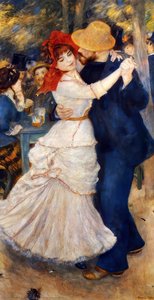
* Dance at Bougival, ein bemerkenswertes Gemälde von Renoir, zeigt seine Meisterschaft beim Festhalten der Essenz des Impressionismus. * Das Musée des Collettes, das sich in Cagnes-sur-Mer, Frankreich, befindet, ist ein Muss für Kunstliebhaber. Dieses Museum, das einst das Zuhause von Pierre-Auguste Renoir war, dient als Zeugnis seines Lebens und Werks und beherbergt fünfzehn seiner Gemälde. * Das Musée Maurice Denis, ein weiteres verstecktes Juwel in Frankreich, präsentiert eine beeindruckende Sammlung französischer Postimpressionistischer Gemälde aus dem späten 19. und frühen 20. Jahrhundert.Renoirs Kunst mit ArtsDot entdecken
- Entdecken Sie den Charme des Musée des Collettes (Frankreich) und seiner Impressionistenkunst bei ArtsDot: [https://ArtsDot.com/@@/a@d3aupf](https://ArtsDot.com/@@/a@d3aupf)
- Erkunden Sie die Wunder des Musée Maurice Denis (Frankreich) mit ArtsDot: /de/art/show/art-d3aue3-de/
- Ansehen Sie sich Renoirs Gemälde, einschließlich Dance at Bougival, bei ArtsDot: [https://ArtsDot.com/@/pierre-auguste renoir](https://ArtsDot.com/@/pierre-auguste%20renoir)
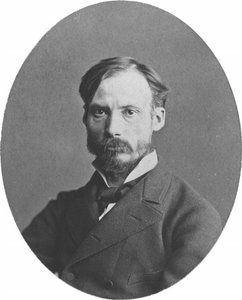
Pierre-Auguste Renoir
1841 - 1919 , Frankreich
Eckdaten zum Künstler
- Beeinflusste Künstler:
- Rubens
- Watteau
- Bemerkenswerte Werke:
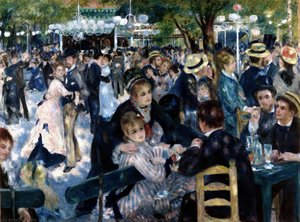
- Tanz im Moulin de la Galette
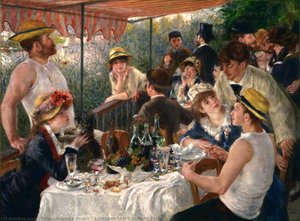
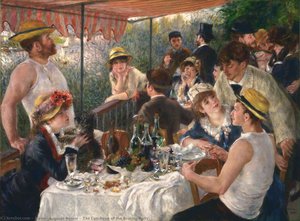
- Bootsfahrt-Mittagessen
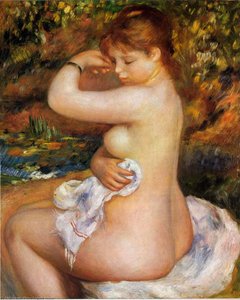
- Nach dem Bad
- Tanz in Bougival
- Geburtsdatum: 25. Februar 1841
- Geburtsort: Limoges, Frankreich
- Künstlerischer Stil: Impressionismus
- Nationalität: Französisch
- Todatum: 3. Dezember 1919
- Vollständiger Name: Pierre-Auguste Renoir
- Von Künstlern Beeinflusst:
- Camille Pissarro
- Édouard Manet
Verwandte Artikel
Charles Le Brun: Master of French Baroque Classicism & His Enduring Legacy
Explore the life & art of Charles Le Brun, master of French Baroque Classicism. Discover his royal commissions, influence on Versailles, and enduring legacy through detailed analysis & stunning artworks.
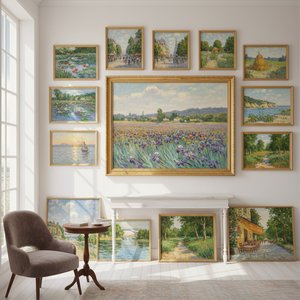
Impressionistische Landschaften: Die 10 Meisterwerke, die eine Kunstrichtung prägten | ArtsDot
Entdecken Sie die 10 Meisterwerke des Impressionismus! Von Monet bis Van Gogh – erleben Sie die Geschichten hinter berühmten Landschaftsbildern. Hochwertige Kunst Reproduktionen für Ihr Zuhause auf ArtsDot.com.
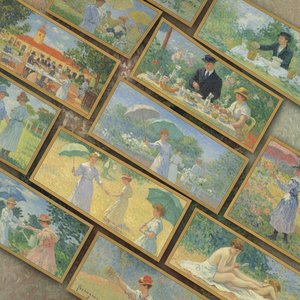
Pierre-Auguste Renoir: Die 25 Meisterwerke des Impressionismus für Ihr Zuhause | ArtsDot
Entdecken Sie die 25 schönsten Meisterwerke von Pierre-Auguste Renoir! Tauchen Sie ein in die Welt des Impressionismus, erleben Sie berühmte Gemälde wie 'Bal au moulin de la Galette' und finden Sie hochwertige Kunstdrucke für Ihr Zuhause. Jetzt auf ArtsDot.com!

Goya: Die 25 Meisterwerke des spanischen Genies – Kunst für Ihr Zuhause | ArtsDot
Entdecken Sie die 25 Meisterwerke von Francisco Goya! Tauchen Sie ein in die düstere Romantik spanischer Malerei, Porträts & Historienbilder. Hochwertige Kunstdrucke auf ArtsDot.com – für Kunstliebhaber und stilvolles Wohnen.

Über uns
Entdecken Sie unsere Geschichte! Wir bringen Weltklasse-Kunst in Ihr Leben durch fachkundige Auswahl, individuelle Kreationen und kostenlose Vorschauen. Seit dem Jahr 2000 von Privatpersonen und Unternehmen geschätzt.