 Vorschau anzeigen
 Versenden
 Teilen
 Details anzeigen

 Herunterladen
 Ähnliche Objekte
 Röntgenaufnahme
 Diashow
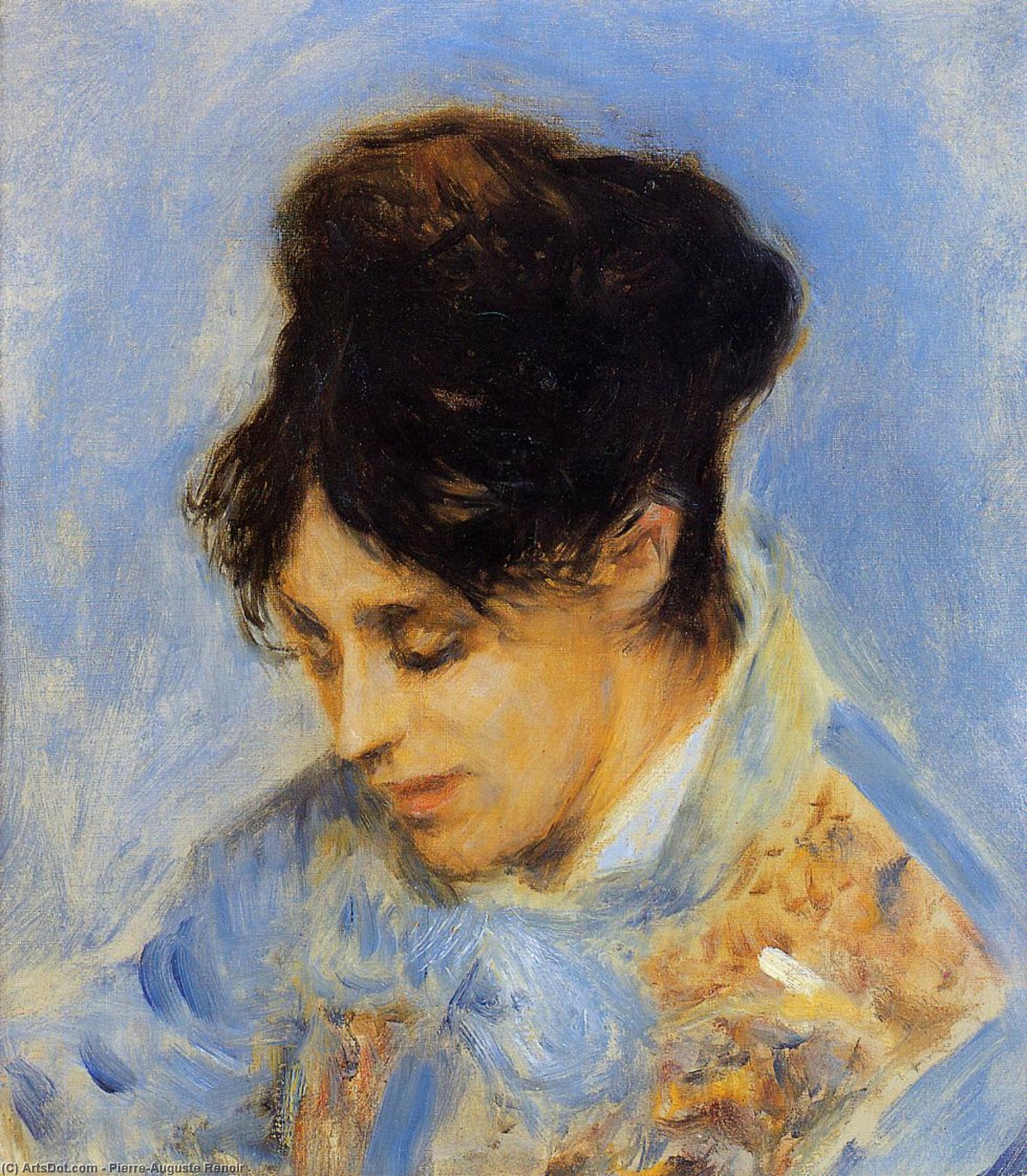
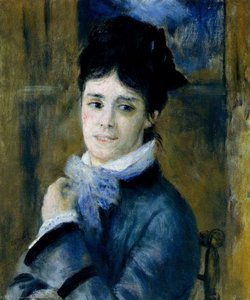
Portrait of Madame Claude Monet


 Weiterlesen
Giclée / Kunstdruck
Giclée- oder Leinwanddruck in Museumsqualität mit schneller Produktion und flexiblen Veredelungsoptionen. ( Handgemalte Reproduktion bestellen Bild kaufen)




P118B $10

P118H $10

P118W $10

P438Z $10

P508JH $12

P508YH $12

P805H $10

P805Z $10

P919BZ $10

P919G $10

P919XJ $10

P959ZH $10

P968JZ $12

W106C $8

W218G $10

W218JH $8

W218Y $10

W307PJ $10

W316G $10

W316PJ $8

W316Y $10

W398PJ $8

W4111J $10

W500HY $15

W500JH $15

W692G $12

W849H $8

W940BG $15

W953PJ $8




Wählen Sie aus unseren vordefinierten Formaten, die den ursprünglichen Proportionen des Kunstwerks entsprechen.

Sie können Ihre eigenen Maße eingeben, um ein bestimmtes Format oder einen speziellen Platz einzupassen. Wenn das von Ihnen gewählte Format nicht den Proportionen des Originalbildes entspricht, werden wir das Kunstwerk entweder beschneiden oder das Bild mit einem gespiegelten oder einfarbigen Rand erweitern. Ein digitaler Entwurf wird Ihnen zur Genehmigung zugesandt, bevor die Produktion beginnt.
Bitte beachten Sie, dass die Vorschau auf dem Bildschirm nicht den tatsächlichen Zuschnitt oder die Erweiterung widerspiegelt. Nur der Entwurf zeigt die endgültige Komposition präzise an.
Obwohl Sondermaße verfügbar sind, empfehlen wir die Auswahl eines Maßes aus der vordefinierten Liste, um die ursprünglichen Proportionen zu bewahren.
Weltweiter Versand () innerhalb von 2 Wochen statt der üblichen 4/5 Wochen. (26 August)

Kostenloser weltweiter Expressversand

Hochwertige Leinenleinwand

Umfassender Versicherungsschutz beim Versand

Zollgebühren-Rückerstattungsgarantie

Garantie für exakte Farbtreue

60 Tage Rückgaberecht (nur bei Mängeln)

100% Geld-zurück-Garantie

Mengenrabatt verfügbar
 Die Glasoption ist nur für Größen unter 110 cm verfügbar.

Portrait of Madame Claude Monet
Giclée / Kunstdruck
Format der Reproduktion
-


Gesamtpreis
$ 62
Sammlerstück-Beschreibung
Portrait of Madame Claude Monet
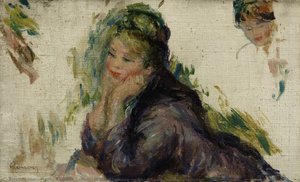
The Portrait of Madame Claude Monet, painted by the renowned French artist Pierre-Auguste Renoir in 1872, stands as a testament to Impressionism’s ability to capture fleeting moments of beauty and emotion. More than just a likeness, it's an exploration of inner serenity—a visual distillation of contemplation and quiet observation. This painting embodies Renoir’s signature style, prioritizing soft light and delicate color palettes to convey atmosphere rather than precise detail.The Subject: Madame Claude Monet
This portrait depicts Madame Claude Monet, the wife of Claude Monet, arguably the most influential figure in Impressionism. Captured with remarkable sensitivity, Camille is presented seated gracefully, her gaze directed downwards—a posture that speaks volumes about introspection and inner peace. Renoir skillfully renders her features with subtle shading and luminous brushstrokes, emphasizing her serene expression and conveying a profound sense of stillness. The pose itself reflects the prevailing mood of the era – a desire for simplicity and an appreciation for the beauty found in everyday life. Her attire—a flowing blue dress—further contributes to the painting’s tranquil aesthetic.Artistic Style and Technique
Renoir's masterful technique exemplifies Impressionism's core principles. He eschews traditional academic conventions, opting instead for loose brushstrokes that blend seamlessly together, creating an illusion of shimmering light and texture. The background is deliberately muted—a hazy expanse of greens and browns—allowing Madame Monet’s face to dominate the composition and drawing the viewer’s eye directly to her gaze. This technique wasn't merely stylistic; it was a deliberate reaction against the rigid realism favored by earlier generations of artists, prioritizing sensory experience over meticulous representation. The artist’s use of pastel hues – predominantly blues and creams – reinforces this impression of tranquility and softens the overall visual impact.Historical Context
The painting emerged during a pivotal moment in artistic history—the rise of Impressionism as a challenge to established norms. Exhibited at the Musée Des Beaux-Arts Tourcoing, France, alongside other masterpieces by Renoir and his contemporaries, it reflects the broader cultural shift toward valuing subjective experience and capturing the ephemeral qualities of light and color. The Impressionist movement sought to depict scenes from modern life with immediacy and spontaneity, rejecting idealized representations in favor of honest portrayals of the natural world and human interactions. This painting is a tangible link to this transformative period, offering insight into the artistic sensibilities of its time.Relevance to Other Works
Renoir’s approach to portraiture aligns closely with his broader oeuvre—particularly pieces like August madame Claude Monet and Claude Monet: Pleasure Boats, Argenteuil, c.1872-3 (oil on canvas)—where he similarly employs diffused light and pastel colors to evoke atmosphere and emotion. These works demonstrate Renoir’s unwavering commitment to capturing the essence of his subjects, mirroring the Impressionist ethos of prioritizing feeling over factual accuracy. Furthermore, consider Paul Cezanne: Self-Portrait in a Casquette, Ca E—another artist who explored similar stylistic choices and contributed to the evolution of modern art.- Pierre-Auguste Renoir: August madame Claude Monet
- Claude Monet: Pleasure Boats, Argenteuil, c.1872-3 (oil on canvas)
- Paul Cezanne: Self-Portrait in a Casquette, Ca E
Discover the Musée Des Beaux-Arts Tourcoing, France Portrait Painting
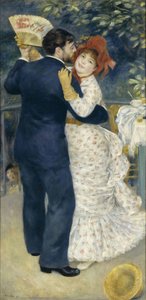
Portrait painting Dance at Bougival
Dance at Bougival La Loge
La Loge
Ähnliche Kunstwerke
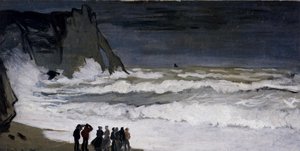
Über den Künstler
frühes Leben und Karriere
pierre-auguste renoir, ein prägender französischer Künstler, wurde am 25. Februar 1841 in Limoges, Frankreich, geboren. Er spielte eine entscheidende Rolle bei der Gestaltung des Impressionismus und war bekannt für sein lebendiges Licht und seine gesättigten Farben. Renoirs Werk feierte Schönheit, insbesondere weibliche Sinnlichkeit, und platzierte ihn in einer Linie von Künstlern, die von Rubens bis Watteau reicht.Künstlerisches Erbe
Renoirs Vermächtnis erstreckte sich über seine Leinwand hinaus, da er der Patriarche einer Familie war, in der Kunst in verschiedenen Formen blühte. Seine Kinder, pierre renoir (1885–1952), Filmemacher jean renoir (1894–1979) und Keramikkünstler claude renoir (1901–1969), leisteten alle bedeutende Beiträge in ihren jeweiligen Bereichen. Sein Enkel, Filmemacher claude renoir (1913–1993), vertiefte das künstlerische Erbe der Familie weiter.Bekannte Werke und Museen
* Dance at Bougival, ein bemerkenswertes Gemälde von Renoir, zeigt seine Meisterschaft beim Festhalten der Essenz des Impressionismus. * Das Musée des Collettes, das sich in Cagnes-sur-Mer, Frankreich, befindet, ist ein Muss für Kunstliebhaber. Dieses Museum, das einst das Zuhause von Pierre-Auguste Renoir war, dient als Zeugnis seines Lebens und Werks und beherbergt fünfzehn seiner Gemälde. * Das Musée Maurice Denis, ein weiteres verstecktes Juwel in Frankreich, präsentiert eine beeindruckende Sammlung französischer Postimpressionistischer Gemälde aus dem späten 19. und frühen 20. Jahrhundert.Renoirs Kunst mit ArtsDot entdecken
- Entdecken Sie den Charme des Musée des Collettes (Frankreich) und seiner Impressionistenkunst bei ArtsDot: [https://ArtsDot.com/@@/a@d3aupf](https://ArtsDot.com/@@/a@d3aupf)
- Erkunden Sie die Wunder des Musée Maurice Denis (Frankreich) mit ArtsDot: /de/art/show/art-d3aue3-de/
- Ansehen Sie sich Renoirs Gemälde, einschließlich Dance at Bougival, bei ArtsDot: [https://ArtsDot.com/@/pierre-auguste renoir](https://ArtsDot.com/@/pierre-auguste%20renoir)
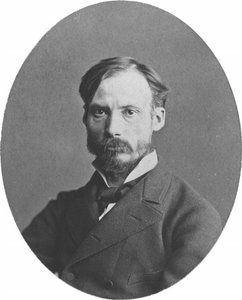
Pierre-Auguste Renoir
1841 - 1919 , Frankreich
Kurzinfos
- Beeinflusste Künstler:
- Rubens
- Watteau
- Bemerkenswerte Werke:
- Tanz im Moulin de la Galette
- Bootsfahrt-Mittagessen
- Nach dem Bad
- Tanz in Bougival
- Geburtsdatum: 25. Februar 1841
- Geburtsort: Limoges, Frankreich
- Künstlerischer Stil: Impressionismus
- Nationalität: Französisch
- Todatum: 3. Dezember 1919
- Vollständiger Name: Pierre-Auguste Renoir
- Von Künstlern Beeinflusst:
- Camille Pissarro
- Édouard Manet
Ähnliche Artikel

Claude Monet: Die 25 Meisterwerke des Impressionismus für Ihr Zuhause | ArtsDot
Entdecken Sie die 25 Meisterwerke von Claude Monet! Tauchen Sie ein in die Welt des Impressionismus, erleben Sie Seerosen, Sonnenaufgänge & Kathedralen. Hochwertige Reproduktionen für Ihr Zuhause – exklusiv auf ArtsDot.com.
Pierre-Auguste Renoir: Die 25 Meisterwerke des Impressionismus für Ihr Zuhause | ArtsDot
Entdecken Sie die 25 schönsten Meisterwerke von Pierre-Auguste Renoir! Tauchen Sie ein in die Welt des Impressionismus, erleben Sie berühmte Gemälde wie 'Bal au moulin de la Galette' und finden Sie hochwertige Kunstdrucke für Ihr Zuhause. Jetzt auf ArtsDot.com!
Top 25 Musée d'Orsay Meisterwerke: Kunst für Ihr Zuhause | ArtsDot
Entdecken Sie die 25 Meisterwerke des Musée d'Orsay! Von Monet bis Van Gogh – erleben Sie Impressionismus & Postimpressionismus. Hochwertige Kunstdrucke für Ihr Zuhause bei ArtsDot.com.
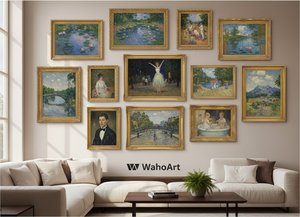
Impressionismus: Die 10 Meisterwerke, die eine Kunstbewegung prägten | ArtsDot
Entdecken Sie die 10 Meisterwerke des Impressionismus! Von Monet bis Renoir – erfahren Sie die Geschichten hinter ikonischen Gemälden, Techniken & Farben. Hochwertige Reproduktionen auf ArtsDot.com.

Impressionistische Landschaften: Die 10 Meisterwerke, die eine Epoche prägten | ArtsDot
Entdecken Sie die 10 Meisterwerke des Impressionismus! Von Monet bis Renoir – erleben Sie die Geschichte, Technik und zeitlose Schönheit ikonischer Landschaftsbilder. Hochwertige Kunstdrucke auf ArtsDot.com. Jetzt entdecken!