 Vorschau anzeigen
 Versenden
 Teilen
 Details anzeigen

 Herunterladen
 Ähnliche Objekte
 Röntgenaufnahme
 Diashow
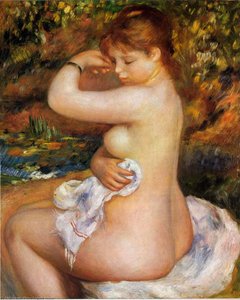
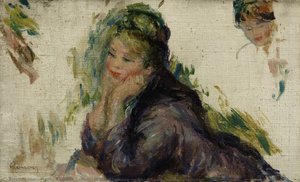
Seated Woman mit grünen Schleife


 Weiterlesen
Giclée / Kunstdruck
Giclée- oder Leinwanddruck in Museumsqualität mit schneller Produktion und flexiblen Veredelungsoptionen. ( Handgemalte Reproduktion bestellen Bild kaufen)




P118B $10

P118H $10

P118W $10

P438Z $10

P508JH $12

P508YH $12

P805H $10

P805Z $10

P919BZ $10

P919G $10

P919XJ $10

P959ZH $10

P968JZ $12

W106C $8

W218G $10

W218JH $8

W218Y $10

W307PJ $10

W316G $10

W316PJ $8

W316Y $10

W398PJ $8

W4111J $10

W500HY $15

W500JH $15

W692G $12

W849H $8

W940BG $15

W953PJ $8




Wählen Sie aus unseren vordefinierten Formaten, die den ursprünglichen Proportionen des Kunstwerks entsprechen.

Sie können Ihre eigenen Maße eingeben, um ein bestimmtes Format oder einen speziellen Platz einzupassen. Wenn das von Ihnen gewählte Format nicht den Proportionen des Originalbildes entspricht, werden wir das Kunstwerk entweder beschneiden oder das Bild mit einem gespiegelten oder einfarbigen Rand erweitern. Ein digitaler Entwurf wird Ihnen zur Genehmigung zugesandt, bevor die Produktion beginnt.
Bitte beachten Sie, dass die Vorschau auf dem Bildschirm nicht den tatsächlichen Zuschnitt oder die Erweiterung widerspiegelt. Nur der Entwurf zeigt die endgültige Komposition präzise an.
Obwohl Sondermaße verfügbar sind, empfehlen wir die Auswahl eines Maßes aus der vordefinierten Liste, um die ursprünglichen Proportionen zu bewahren.
Weltweiter Versand () innerhalb von 2 Wochen statt der üblichen 4/5 Wochen. (23 August)

Kostenloser weltweiter Expressversand

Hochwertige Leinenleinwand

Umfassender Versicherungsschutz beim Versand

Zollgebühren-Rückerstattungsgarantie

Garantie für exakte Farbtreue

60 Tage Rückgaberecht (nur bei Mängeln)

100% Geld-zurück-Garantie

Mengenrabatt verfügbar
 Die Glasoption ist nur für Größen unter 110 cm verfügbar.

Seated Woman mit grünen Schleife
Giclée / Kunstdruck
Format der Reproduktion
-


Gesamtpreis
$ 62
Sammlerstück-Beschreibung
Seated Woman with Green Sash – A Symphony of Light and Feminine Grace
Pierre-Auguste Renoir’s “Seated Woman with Green Sash,” painted in 1889, stands as an emblem of Impressionism's pursuit of capturing fleeting moments of beauty and emotion. More than just a portrait, it embodies the spirit of Parisian life during Belle Époque—a time characterized by optimism, artistic innovation, and a fascination with sensory experience. This oil on canvas masterpiece resides in a private collection, ensuring its rarity and preserving its original aura for connoisseurs worldwide.The Subject and Composition
The painting depicts a woman seated gracefully upon a chair adorned with a vibrant green cushion—a striking visual element that immediately draws the eye. Her posture exudes composure and serenity, reflecting Renoir’s masterful ability to convey psychological depth through subtle gestures. Surrounding her is an elegant hat embellished with delicate flowers – a quintessential accessory of the era, symbolizing femininity and refinement. The woman gazes outwards, creating a connection with the viewer and inviting contemplation. Renoir skillfully utilizes spatial perspective to establish a harmonious balance between figure and background, enhancing the overall impression of tranquility.Artistic Techniques
Renoir’s signature Impressionist technique is evident throughout “Seated Woman.” He employs short, broken brushstrokes—a hallmark of the movement—to depict light and color with remarkable vibrancy. These strokes overlap and blend seamlessly, creating a shimmering surface that mimics the way sunlight dances on skin and fabric. Renoir's meticulous attention to detail is particularly noticeable in the rendering of the woman’s hair, which cascades down her shoulders in soft curls—a testament to his dedication to capturing realistic textures. The subtle gradations of color contribute to the painting’s luminous quality, transporting the viewer back to the sunlit Parisian afternoons that inspired Renoir's artistic vision.Context and Significance
“Seated Woman with Green Sash” emerged during a period of significant artistic experimentation in France. Impressionists challenged academic conventions by prioritizing subjective perception over objective representation—a bold move that revolutionized painting as an art form. Renoir’s work reflects the broader cultural preoccupation with capturing ephemeral beauty and celebrating the pleasures of everyday life. Like many Impressionist portraits, it seeks to convey not merely physical likeness but also inner character—revealing a woman imbued with grace, intelligence, and quiet dignity. The painting's placement within the Impressionist canon underscores its importance as an exemplar of stylistic innovation and artistic idealism.Relevance in Modern Times
Today, “Seated Woman with Green Sash” continues to inspire artists and collectors alike. Its timeless elegance—characterized by luminous color palettes and masterful brushwork—remains captivating for contemporary audiences. The painting serves as a poignant reminder of the Belle Époque’s artistic fervor and its fascination with portraying idealized figures in naturalistic settings. For those seeking inspiration or desiring to adorn their homes with artwork that embodies beauty and sophistication, Renoir's masterpiece offers an enduring vision of feminine grace—a testament to the power of Impressionism's expressive approach.- Artist: Pierre-Auguste Renoir
- Style: Impressionism
- Medium: Oil on Canvas
- Year: 1889
Exploring More of Renoir’s Legacy
Consider admiring “Girl With A Fan” and “Reading”—remarkable examples showcasing Renoir's ability to capture the essence of his subjects. These paintings exemplify Impressionism's commitment to portraying human emotion and capturing fleeting moments of beauty with unparalleled sensitivity. You can find reproductions at ArtsDot.com.Ähnliche Kunstwerke
Über den Künstler
frühes Leben und Karriere
pierre-auguste renoir, ein prägender französischer Künstler, wurde am 25. Februar 1841 in Limoges, Frankreich, geboren. Er spielte eine entscheidende Rolle bei der Gestaltung des Impressionismus und war bekannt für sein lebendiges Licht und seine gesättigten Farben. Renoirs Werk feierte Schönheit, insbesondere weibliche Sinnlichkeit, und platzierte ihn in einer Linie von Künstlern, die von Rubens bis Watteau reicht.Künstlerisches Erbe
Renoirs Vermächtnis erstreckte sich über seine Leinwand hinaus, da er der Patriarche einer Familie war, in der Kunst in verschiedenen Formen blühte. Seine Kinder, pierre renoir (1885–1952), Filmemacher jean renoir (1894–1979) und Keramikkünstler claude renoir (1901–1969), leisteten alle bedeutende Beiträge in ihren jeweiligen Bereichen. Sein Enkel, Filmemacher claude renoir (1913–1993), vertiefte das künstlerische Erbe der Familie weiter.Bekannte Werke und Museen
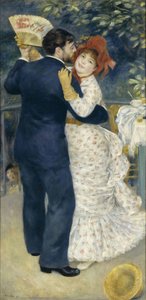
* Dance at Bougival, ein bemerkenswertes Gemälde von Renoir, zeigt seine Meisterschaft beim Festhalten der Essenz des Impressionismus. * Das Musée des Collettes, das sich in Cagnes-sur-Mer, Frankreich, befindet, ist ein Muss für Kunstliebhaber. Dieses Museum, das einst das Zuhause von Pierre-Auguste Renoir war, dient als Zeugnis seines Lebens und Werks und beherbergt fünfzehn seiner Gemälde. * Das Musée Maurice Denis, ein weiteres verstecktes Juwel in Frankreich, präsentiert eine beeindruckende Sammlung französischer Postimpressionistischer Gemälde aus dem späten 19. und frühen 20. Jahrhundert.Renoirs Kunst mit ArtsDot entdecken
- Entdecken Sie den Charme des Musée des Collettes (Frankreich) und seiner Impressionistenkunst bei ArtsDot: [https://ArtsDot.com/@@/a@d3aupf](https://ArtsDot.com/@@/a@d3aupf)
- Erkunden Sie die Wunder des Musée Maurice Denis (Frankreich) mit ArtsDot: /de/art/show/art-d3aue3-de/
- Ansehen Sie sich Renoirs Gemälde, einschließlich Dance at Bougival, bei ArtsDot: [https://ArtsDot.com/@/pierre-auguste renoir](https://ArtsDot.com/@/pierre-auguste%20renoir)
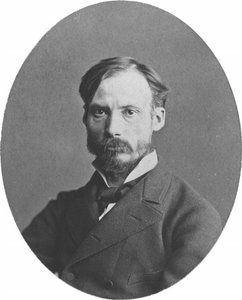
Pierre-Auguste Renoir
1841 - 1919 , Frankreich
Kurzinfos
- Beeinflusste Künstler:
- Rubens
- Watteau
- Bemerkenswerte Werke:
- Tanz im Moulin de la Galette
- Bootsfahrt-Mittagessen
- Nach dem Bad
- Tanz in Bougival
- Geburtsdatum: 25. Februar 1841
- Geburtsort: Limoges, Frankreich
- Künstlerischer Stil: Impressionismus
- Nationalität: Französisch
- Todatum: 3. Dezember 1919
- Vollständiger Name: Pierre-Auguste Renoir
- Von Künstlern Beeinflusst:
- Camille Pissarro
- Édouard Manet
Ähnliche Artikel

Pierre-Auguste Renoir: Die 25 Meisterwerke des Impressionismus für Ihr Zuhause | ArtsDot
Entdecken Sie die 25 schönsten Meisterwerke von Pierre-Auguste Renoir! Tauchen Sie ein in die Welt des Impressionismus, erleben Sie berühmte Gemälde wie 'Bal au moulin de la Galette' und finden Sie hochwertige Kunstdrucke für Ihr Zuhause. Jetzt auf ArtsDot.com!
Impressionismus: Die 10 Meisterwerke, die eine Kunstbewegung prägten | ArtsDot
Entdecken Sie die 10 Meisterwerke des Impressionismus! Von Monet bis Renoir – erfahren Sie die Geschichten hinter ikonischen Gemälden, Techniken & Farben. Hochwertige Reproduktionen auf ArtsDot.com.
The Luminous World of Pierre-Auguste Renoir: An Exploration of Impressionism's Sensuous Embrace
Explore the captivating world of Pierre-Auguste Renoir! Discover his life, iconic Impressionist masterpieces & enduring legacy with our expert guide. High-quality reproductions available.
Verdant Visions: Exploring the Symbolism & Aesthetic Impact of Green in Art History
Explore the rich history & symbolism of green in art! Discover iconic paintings, techniques, and how to bring verdant harmony into your home with ArtsDot's expert guide.

Impressionismus: Die 10 Meisterwerke, die eine Kunstbewegung prägten | ArtsDot
Entdecken Sie die 10 Meisterwerke des Impressionismus! Von Monet bis Renoir – erleben Sie die Geschichten, Techniken & Farben berühmter Künstler. Kunstdrucke in Museumsqualiät auf ArtsDot.com.