 Vorschau anzeigen
 Versenden
 Teilen
 Details anzeigen

 Herunterladen
 Ähnliche Objekte
 Röntgenaufnahme
 Diashow
 Statistiken
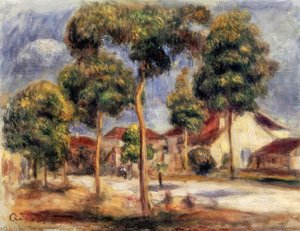
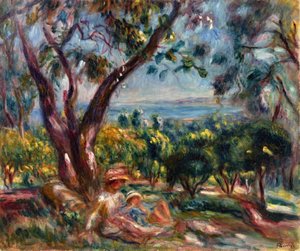
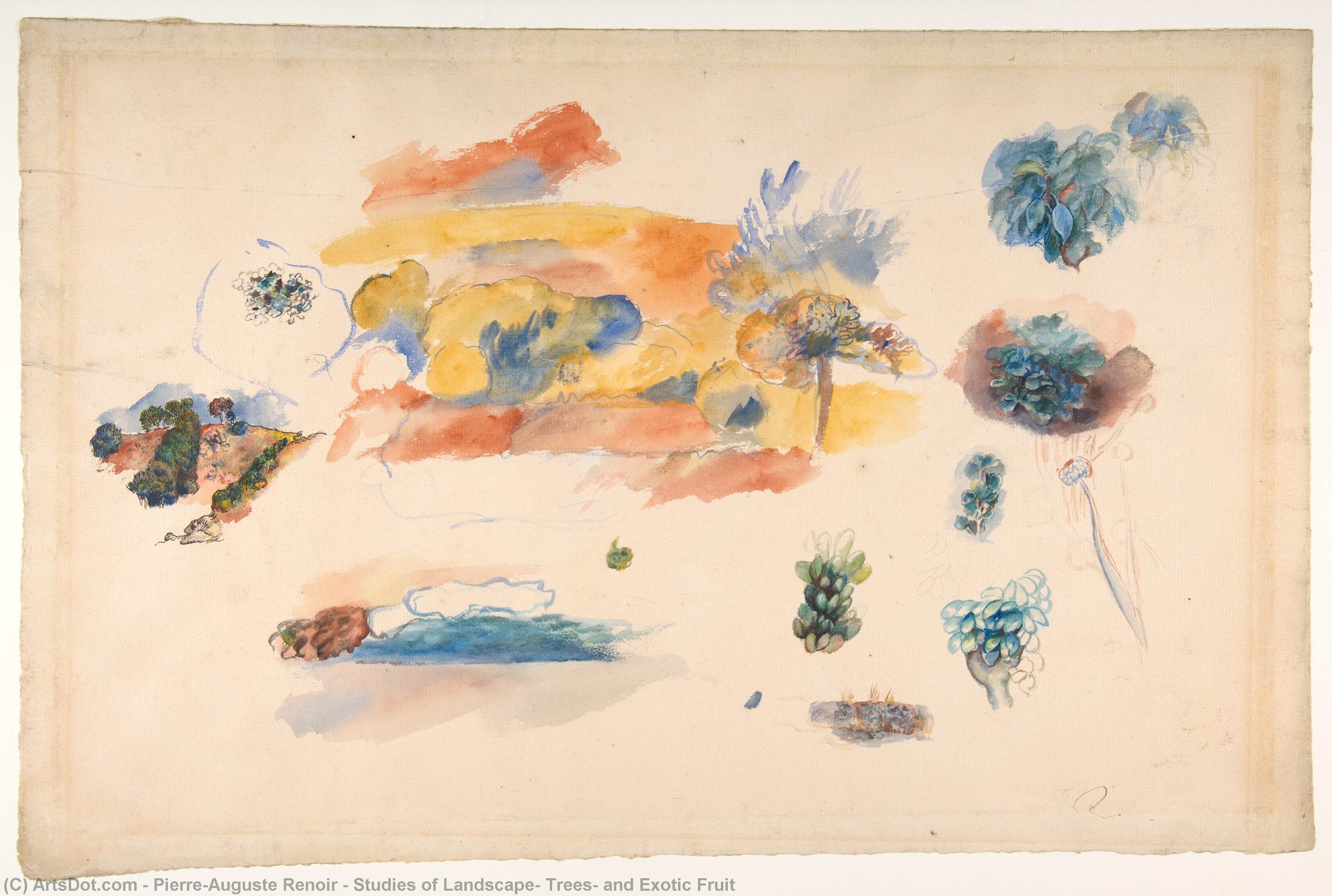
Studies of Landscape, Trees, and Exotic Fruit

 Weiterlesen
Handgefertigte Ölreproduktion
Handgemaltes Ölgemälde auf Leinwand in Ihrer Wunschgröße und mit Rahmen, auf Bestellung von unseren Künstlern angefertigt. ( Zu Druck wechseln Zum digitalen Bild wechseln)




P118B $10

P118H $10

P118W $10

P438Z $10

P508JH $12

P508YH $12

P805H $10

P805Z $10

P919BZ $10

P919G $10

P919XJ $10

P959ZH $10

P968JZ $12

W106C $8

W218G $10

W218JH $8

W218Y $10

W307PJ $10

W316G $10

W316PJ $8

W316Y $10

W398PJ $8

W4111J $10

W500HY $15

W500JH $15

W692G $12

W849H $8

W940BG $15

W953PJ $8




Wählen Sie aus unseren vordefinierten Formaten, die den ursprünglichen Proportionen des Kunstwerks entsprechen.

Sie können Ihre eigenen Maße eingeben, um einen bestimmten Rahmen oder Platz auszufüllen. Wenn die gewählte Größe nicht den Proportionen des Originalbildes entspricht, werden wir das Kunstwerk entweder beschneiden oder das Gemälde durch zusätzliche, handgemalte Elemente erweitern. Ein digitales Mockup wird Ihnen zur Genehmigung zugesandt, bevor die Produktion beginnt.
Bitte beachten Sie, dass die Bildschirmvorschau nicht die tatsächliche Beschneidung oder Erweiterung widerspiegelt. Nur das Mockup zeigt die endgültige Komposition exakt an.
Obwohl Sondermaße verfügbar sind, empfehlen wir, eine Größe aus der vordefinierten Liste zu wählen, um die ursprünglichen Proportionen beizubehalten.
Nach der Bestellung wird das ArtsDot.com-Team dem Kunden Anweisungen per E-Mail zusenden und eine Mockup-Vorschau bereitstellen.
Weltweiter Versand () in nur 3 bis 4 Wochen statt der üblichen 5 Wochen. (8 September). Keine Kompromisse bei der Qualität.

Kostenloser weltweiter Expressversand

Hochwertige Leinenleinwand

Umfassender Versicherungsschutz beim Versand

Zollgebühren-Rückerstattungsgarantie

Garantie für exakte Farbtreue

100-Tage-Rückgaberecht (nur bei Mängeln)

100% Geld-zurück-Garantie

Mengenrabatt verfügbar
 Die Glasoption ist nur für Größen unter 110 cm verfügbar.

Studies of Landscape, Trees, and Exotic Fruit
Art der Reproduktion
Format der Reproduktion
-


Gesamtpreis
$ 263
A Symphony of Light and Exoticism: Renoir’s “Studies of Landscape, Trees, and Exotic Fruit”
Pierre-Auguste Renoir's "Studies of Landscape, Trees, and Exotic Fruit," painted circa 1885, isn’t merely a depiction of a scene; it’s an immersion into a world brimming with vibrant color, sensual textures, and the quiet contemplation of nature. Born in Limoges, France, Renoir’s early life was steeped in the meticulous detail of porcelain painting – a practical apprenticeship that ultimately fueled his appreciation for observation and delicate brushwork. However, it was his frequent visits to the Louvre, absorbing the grandeur of Old Masters like Rubens and Watteau, that ignited within him a desire to capture not just form but also the very essence of beauty. This piece exemplifies this shift, moving beyond rigid academic constraints toward a more impressionistic approach – one where light, color, and emotion take precedence over precise representation. The painting’s loose brushstrokes and dappled application of paint create an atmosphere of hazy warmth, inviting the viewer into a sun-drenched garden filled with the promise of exotic delights.The Palette of Paradise: Technique and Impressionism
Renoir's masterful use of watercolor and ink over graphite is central to the painting’s captivating quality. He eschews sharp outlines in favor of soft transitions and blurred edges, characteristic of the burgeoning Impressionist movement. Notice how he builds up layers of color – washes of turquoise and emerald for the foliage, hints of ochre and rose for the fruit, and delicate strokes of lavender and pale blue to capture the diffused light filtering through the trees. The technique isn’t about replicating reality; it's about conveying a *feeling* of that reality—the warmth of the sun on skin, the scent of blossoms in the air, the intoxicating allure of the unknown. The artist employs broken color – applying small dabs and strokes of pure pigment rather than blending them smoothly – to create a shimmering effect, mimicking the way light plays across surfaces. This deliberate fragmentation of form is a hallmark of Impressionism, prioritizing visual sensation over photographic accuracy.A Garden of Symbolism: Exotic Fruit and the Pursuit of Beauty
The inclusion of exotic fruits—mangoes, papayas, and perhaps even a hint of citrus—is more than just decorative; it’s laden with symbolic weight. During this period in Renoir's career, particularly following his departure from the rigid constraints of porcelain painting, he was deeply interested in exploring themes of sensuality, pleasure, and the fleeting nature of beauty. Exotic fruits represented not only abundance and fertility but also a connection to distant lands – a romanticized vision of the world beyond France. They speak to a desire for escape, for indulgence, and for the appreciation of the finer things in life. The arrangement itself feels deliberately curated—a carefully constructed tableau designed to evoke a sense of wonder and delight.Historical Context: A Shift Towards Personal Vision
“Studies of Landscape, Trees, and Exotic Fruit” represents a pivotal moment in Renoir’s artistic development. Following his initial success with portraits, he began to increasingly focus on landscapes and scenes of leisure – subjects that allowed him greater freedom to express his personal vision. This shift was partly influenced by the rise of Impressionism, which challenged traditional academic conventions and championed the artist's subjective experience. The painting reflects a broader cultural trend toward embracing pleasure, beauty, and the joys of everyday life—a reaction against the somber mood of the Franco-Prussian War and the subsequent social upheaval. It’s a testament to Renoir’s ability to capture not just a visual scene but also the emotional resonance of that scene.Bringing the Garden Home: Reproduction and Interior Design
Today, reproductions of “Studies of Landscape, Trees, and Exotic Fruit” offer a beautiful way to bring a touch of this vibrant world into your own home. Consider framing it in a warm wood or a neutral tone to allow the colors of the painting to truly shine. The loose brushstrokes and atmospheric quality lend themselves particularly well to larger-scale reproductions, creating a focal point that evokes a sense of tranquility and exotic allure. Whether adorning a living room wall or gracing a bedroom niche, this painting’s evocative beauty will undoubtedly captivate and inspire.Ähnliche Kunstwerke
Über den Künstler
frühes Leben und Karriere
pierre-auguste renoir, ein prägender französischer Künstler, wurde am 25. Februar 1841 in Limoges, Frankreich, geboren. Er spielte eine entscheidende Rolle bei der Gestaltung des Impressionismus und war bekannt für sein lebendiges Licht und seine gesättigten Farben. Renoirs Werk feierte Schönheit, insbesondere weibliche Sinnlichkeit, und platzierte ihn in einer Linie von Künstlern, die von Rubens bis Watteau reicht.Künstlerisches Erbe
Renoirs Vermächtnis erstreckte sich über seine Leinwand hinaus, da er der Patriarche einer Familie war, in der Kunst in verschiedenen Formen blühte. Seine Kinder, pierre renoir (1885–1952), Filmemacher jean renoir (1894–1979) und Keramikkünstler claude renoir (1901–1969), leisteten alle bedeutende Beiträge in ihren jeweiligen Bereichen. Sein Enkel, Filmemacher claude renoir (1913–1993), vertiefte das künstlerische Erbe der Familie weiter.Bekannte Werke und Museen
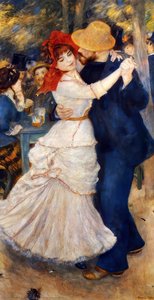
* Dance at Bougival, ein bemerkenswertes Gemälde von Renoir, zeigt seine Meisterschaft beim Festhalten der Essenz des Impressionismus. * Das Musée des Collettes, das sich in Cagnes-sur-Mer, Frankreich, befindet, ist ein Muss für Kunstliebhaber. Dieses Museum, das einst das Zuhause von Pierre-Auguste Renoir war, dient als Zeugnis seines Lebens und Werks und beherbergt fünfzehn seiner Gemälde. * Das Musée Maurice Denis, ein weiteres verstecktes Juwel in Frankreich, präsentiert eine beeindruckende Sammlung französischer Postimpressionistischer Gemälde aus dem späten 19. und frühen 20. Jahrhundert.Renoirs Kunst mit ArtsDot entdecken
- Entdecken Sie den Charme des Musée des Collettes (Frankreich) und seiner Impressionistenkunst bei ArtsDot: [https://ArtsDot.com/@@/a@d3aupf](https://ArtsDot.com/@@/a@d3aupf)
- Erkunden Sie die Wunder des Musée Maurice Denis (Frankreich) mit ArtsDot: /de/art/show/art-d3aue3-de/
- Ansehen Sie sich Renoirs Gemälde, einschließlich Dance at Bougival, bei ArtsDot: [https://ArtsDot.com/@/pierre-auguste renoir](https://ArtsDot.com/@/pierre-auguste%20renoir)
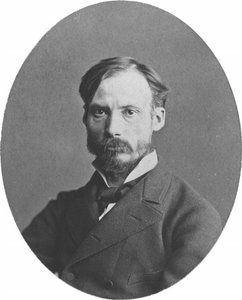
Pierre-Auguste Renoir
1841 - 1919 , Frankreich
Kurzinfos
- Beeinflusste Künstler:
- Rubens
- Watteau
- Bemerkenswerte Werke:
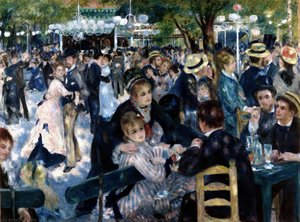
- Tanz im Moulin de la Galette
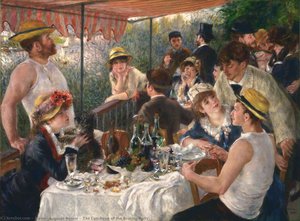
- Bootsfahrt-Mittagessen
- Nach dem Bad
- Tanz in Bougival
- Geburtsdatum: 25. Februar 1841
- Geburtsort: Limoges, Frankreich
- Künstlerischer Stil: Impressionismus
- Nationalität: Französisch
- Todatum: 3. Dezember 1919
- Vollständiger Name: Pierre-Auguste Renoir
- Von Künstlern Beeinflusst:
- Camille Pissarro
- Édouard Manet
Ähnliche Artikel

Paul Cézanne: Die 25 Meisterwerke des Impressionismus | ArtsDot
Entdecken Sie die 25 Meisterwerke von Paul Cézanne! Tauchen Sie ein in die Welt des Impressionismus und Postimpressionismus. Erfahren Sie mehr über seine Stillleben, Landschaften & berühmten Gemälde – jetzt hochwertige Kunstdrucke auf ArtsDot.com.
Impressionistische Landschaften: Die 10 Meisterwerke, die eine Epoche prägten | ArtsDot
Entdecken Sie die 10 Meisterwerke des Impressionismus! Von Monet bis Renoir – erleben Sie die Geschichte, Technik und zeitlose Schönheit ikonischer Landschaftsbilder. Hochwertige Kunstdrucke auf ArtsDot.com. Jetzt entdecken!

Evocations of Place: A Historical Journey Through Landscape Art
Explore the rich history of landscape art with ArtsDot. Discover renowned artists, movements like Impressionism & Romanticism, and expert guidance for collecting timeless pieces. Find your perfect serene escape today!

Pierre-Auguste Renoir: Die 25 Meisterwerke des Impressionismus für Ihr Zuhause | ArtsDot
Entdecken Sie die 25 schönsten Meisterwerke von Pierre-Auguste Renoir! Tauchen Sie ein in die Welt des Impressionismus, erleben Sie berühmte Gemälde wie 'Bal au moulin de la Galette' und finden Sie hochwertige Kunstdrucke für Ihr Zuhause. Jetzt auf ArtsDot.com!

Evocations of Place: A Historical Journey Through Landscape Art
Explore the rich history of landscape art with ArtsDot. Discover renowned artists, movements like Impressionism & tonalism, and expert guidance for collecting timeless pieces. Find your perfect serene escape today!