 Versenden
 Teilen
 Details anzeigen

 Herunterladen
 Ähnliche Objekte
 Diashow
Washerwoman


 Weiterlesen
Giclée / Kunstdruck
Giclée- oder Leinwanddruck in Museumsqualität mit schneller Produktion und flexiblen Veredelungsoptionen. ( Handgemalte Reproduktion bestellen Bild kaufen)




































Wählen Sie aus unseren vordefinierten Formaten, die den ursprünglichen Proportionen des Kunstwerks entsprechen.

Sie können Ihre eigenen Maße eingeben, um ein bestimmtes Format oder einen speziellen Platz einzupassen. Wenn das von Ihnen gewählte Format nicht den Proportionen des Originalbildes entspricht, werden wir das Kunstwerk entweder beschneiden oder das Bild mit einem gespiegelten oder einfarbigen Rand erweitern. Ein digitaler Entwurf wird Ihnen zur Genehmigung zugesandt, bevor die Produktion beginnt.
Bitte beachten Sie, dass die Vorschau auf dem Bildschirm nicht den tatsächlichen Zuschnitt oder die Erweiterung widerspiegelt. Nur der Entwurf zeigt die endgültige Komposition präzise an.
Obwohl Sondermaße verfügbar sind, empfehlen wir die Auswahl eines Maßes aus der vordefinierten Liste, um die ursprünglichen Proportionen zu bewahren.
Weltweiter Versand () innerhalb von 2 Wochen statt der üblichen 4/5 Wochen. (28 August)

Kostenloser weltweiter Expressversand

Hochwertige Leinenleinwand

Umfassender Versicherungsschutz beim Versand

Zollgebühren-Rückerstattungsgarantie

Garantie für exakte Farbtreue

60 Tage Rückgaberecht (nur bei Mängeln)

100% Geld-zurück-Garantie

Mengenrabatt verfügbar
 Die Glasoption ist nur für Größen unter 110 cm verfügbar.

Washerwoman
Giclée / Kunstdruck
Format der Reproduktion
-


Gesamtpreis
$ 62
Das Geheimnis der Waschfrau: Eine Betrachtung von Renoirs Meisterwerk
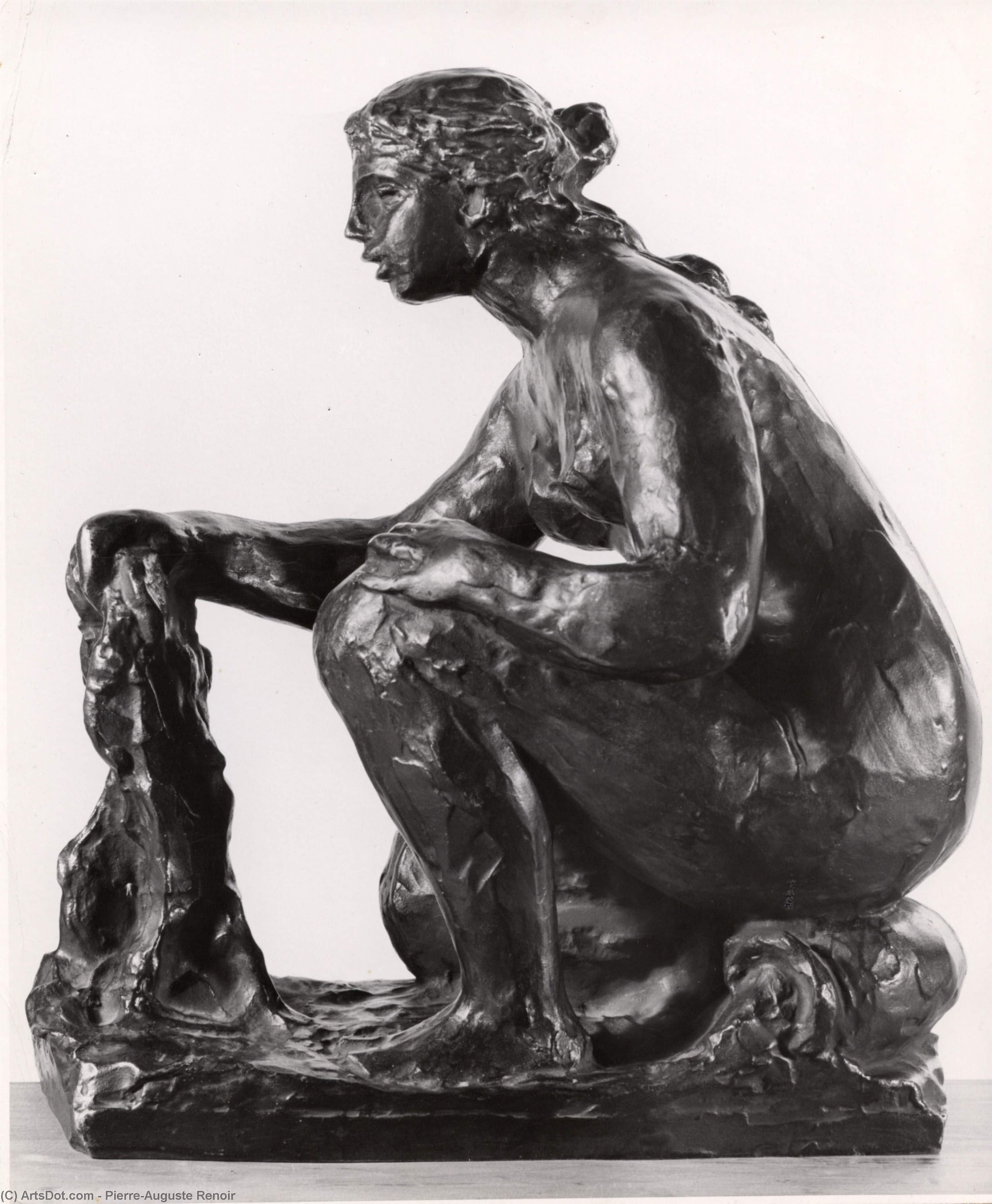
Pierre-Auguste Renoir’s “Washerwoman” – a seemingly simple depiction of a woman laboring by the riverbank – is, in reality, a profound meditation on domesticity, femininity, and the quiet dignity of everyday life. Painted around 1867, this iconic work transcends mere representation; it's an invitation into a world of subtle emotions and evocative light, capturing a fleeting moment that speaks volumes about the lives of women in 19th-century France. The photograph itself, meticulously reproduced today, offers a glimpse into Renoir’s masterful ability to imbue ordinary subjects with extraordinary depth.
The scene unfolds with remarkable realism, yet it's imbued with an unmistakable Impressionistic sensibility. Renoir wasn’t interested in photographic accuracy; instead, he sought to capture the *impression* of light and atmosphere – the shimmering heat rising from the water, the dappled sunlight filtering through the trees, and the soft, diffused glow that bathes the washerwoman's face. The composition is deliberately centered around her figure, drawing our attention to her posture, her expression, and the details of her work. She’s not idealized or romanticized; she’s a woman engaged in a demanding task, her movements suggesting both weariness and resilience.
Die Technik des Impressionismus: Licht und Farbe als Ausdruck
Renoir's technique is a cornerstone of the Impressionist movement. He employed loose, visible brushstrokes – a deliberate departure from the smooth, polished surfaces favored by academic painters. These strokes aren’t meant to blend seamlessly; rather, they create a vibrant tapestry of color and texture that mimics the way light interacts with our vision. Notice how he uses short, broken dabs of paint to represent the water's surface, creating an illusion of movement and reflection. The palette is dominated by earthy tones – ochres, browns, and greens – punctuated by flashes of brighter colors like blues and pinks, suggesting the warmth of the sun and the freshness of the river.
The painting’s execution reveals a subtractive sculpting process, typical for bronze sculptures. Renoir skillfully removed material to reveal the form within, mirroring the way he manipulated color on canvas to create depth and dimension. The slightly weathered surface of the bronze – subtly hinting at age and experience – adds another layer of complexity to the work, suggesting that this scene is not merely a snapshot in time but a timeless representation of human labor.
Symbolik und Bedeutung: Mehr als nur eine Waschfrau
Beyond its technical brilliance, “Washerwoman” carries significant symbolic weight. The figure’s posture – her bent knees, her hands clasped together – conveys both physical exertion and a quiet sense of contemplation. She's not simply washing clothes; she’s engaged in a ritualistic act that connects her to the rhythms of nature and the cycles of life. The setting itself—a riverbank bathed in sunlight—evokes feelings of serenity and renewal, suggesting that even the most mundane tasks can be imbued with beauty and meaning.
Considering the historical context, it’s important to recognize that women's labor was often undervalued and overlooked. Renoir’s portrayal of this washerwoman offers a subtle yet powerful affirmation of her dignity and worth. The painting subtly challenges societal norms by presenting a woman as an active participant in shaping her own destiny – not merely a passive object of male gaze.
Die zeitlose Anziehungskraft: Reproduktionen und ihre Bedeutung
Today, reproductions of “Washerwoman” continue to captivate audiences worldwide. Whether displayed in a private collection or adorning the walls of a museum, this iconic work serves as a reminder of Renoir’s artistic genius and his ability to capture the essence of human experience. The meticulous detail of the original – faithfully reproduced through modern printing techniques – allows viewers to appreciate every nuance of color, texture, and composition. A high-quality reproduction offers an accessible way to bring this masterpiece into your home or office, enriching your surroundings with its timeless beauty and profound symbolism.
Ähnliche Kunstwerke
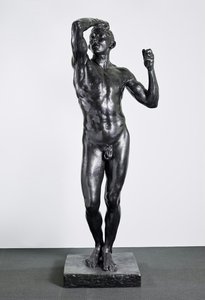
Über den Künstler
frühes Leben und Karriere
pierre-auguste renoir, ein prägender französischer Künstler, wurde am 25. Februar 1841 in Limoges, Frankreich, geboren. Er spielte eine entscheidende Rolle bei der Gestaltung des Impressionismus und war bekannt für sein lebendiges Licht und seine gesättigten Farben. Renoirs Werk feierte Schönheit, insbesondere weibliche Sinnlichkeit, und platzierte ihn in einer Linie von Künstlern, die von Rubens bis Watteau reicht.Künstlerisches Erbe
Renoirs Vermächtnis erstreckte sich über seine Leinwand hinaus, da er der Patriarche einer Familie war, in der Kunst in verschiedenen Formen blühte. Seine Kinder, pierre renoir (1885–1952), Filmemacher jean renoir (1894–1979) und Keramikkünstler claude renoir (1901–1969), leisteten alle bedeutende Beiträge in ihren jeweiligen Bereichen. Sein Enkel, Filmemacher claude renoir (1913–1993), vertiefte das künstlerische Erbe der Familie weiter.Bekannte Werke und Museen
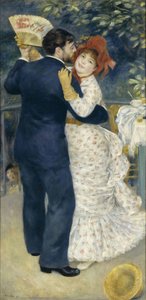
* Dance at Bougival, ein bemerkenswertes Gemälde von Renoir, zeigt seine Meisterschaft beim Festhalten der Essenz des Impressionismus. * Das Musée des Collettes, das sich in Cagnes-sur-Mer, Frankreich, befindet, ist ein Muss für Kunstliebhaber. Dieses Museum, das einst das Zuhause von Pierre-Auguste Renoir war, dient als Zeugnis seines Lebens und Werks und beherbergt fünfzehn seiner Gemälde. * Das Musée Maurice Denis, ein weiteres verstecktes Juwel in Frankreich, präsentiert eine beeindruckende Sammlung französischer Postimpressionistischer Gemälde aus dem späten 19. und frühen 20. Jahrhundert.Renoirs Kunst mit ArtsDot entdecken
- Entdecken Sie den Charme des Musée des Collettes (Frankreich) und seiner Impressionistenkunst bei ArtsDot: [https://ArtsDot.com/@@/a@d3aupf](https://ArtsDot.com/@@/a@d3aupf)
- Erkunden Sie die Wunder des Musée Maurice Denis (Frankreich) mit ArtsDot: /de/art/show/art-d3aue3-de/
- Ansehen Sie sich Renoirs Gemälde, einschließlich Dance at Bougival, bei ArtsDot: [https://ArtsDot.com/@/pierre-auguste renoir](https://ArtsDot.com/@/pierre-auguste%20renoir)
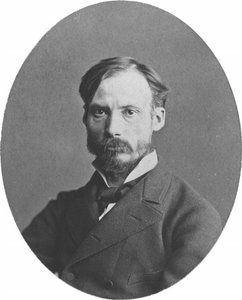
Pierre-Auguste Renoir
1841 - 1919 , Frankreich
Kurzinfos
- Beeinflusste Künstler:
- Rubens
- Watteau
- Bemerkenswerte Werke:
- Tanz im Moulin de la Galette
- Bootsfahrt-Mittagessen
- Nach dem Bad
- Tanz in Bougival
- Geburtsdatum: 25. Februar 1841
- Geburtsort: Limoges, Frankreich
- Künstlerischer Stil: Impressionismus
- Nationalität: Französisch
- Todatum: 3. Dezember 1919
- Vollständiger Name: Pierre-Auguste Renoir
- Von Künstlern Beeinflusst:
- Camille Pissarro
- Édouard Manet
Ähnliche Artikel
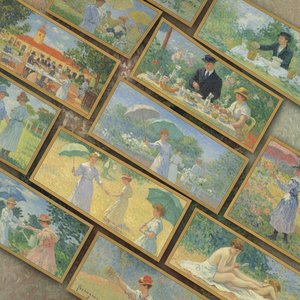
Pierre-Auguste Renoir: Die 25 Meisterwerke des Impressionismus für Ihr Zuhause | ArtsDot
Entdecken Sie die 25 schönsten Meisterwerke von Pierre-Auguste Renoir! Tauchen Sie ein in die Welt des Impressionismus, erleben Sie berühmte Gemälde wie 'Bal au moulin de la Galette' und finden Sie hochwertige Kunstdrucke für Ihr Zuhause. Jetzt auf ArtsDot.com!

Bronze-Meisterwerke: Die 10 Skulpturen, die Kunstgeschichte schrieben | ArtsDot
Entdecken Sie die 10 legendärsten Bronze Skulpturen der Kunstgeschichte! Von Michelangelo bis Rodin – erfahren Sie die Geschichten hinter den Meisterwerken und lassen Sie sich von Wanddeko-Ideen inspirieren. Hochwertige Kunstdrucke auf ArtsDot.com.

Die 10 legendärsten Bronzestatuen: Meisterwerke, die Kunstgeschichte schrieben | ArtsDot
Entdecken Sie die 10 legendärsten Bronzestatuen der Kunstgeschichte! Von Rodin bis Michelangelo – erfahren Sie die Geschichten hinter ikonischen Skulpturen und finden Sie hochwertige Reproduktionen für Ihr Zuhause. Jetzt bei ArtsDot entdecken!

The Enduring Form: Exploring Themes & Techniques in Sculpture Across Historical Periods
Explore the rich history of sculpture from ancient masterpieces to contemporary innovations. Discover key techniques, influential artists & investment potential for discerning art collectors.
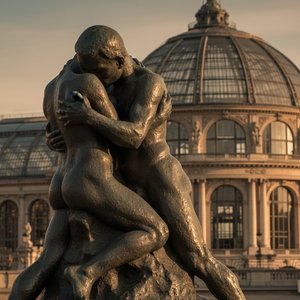
Auguste Rodin: Revolutionierung der Skulptur durch Emotion und Moderne
Entdecken Sie Auguste Rodins revolutionäre Skulpturen und seinen Einfluss auf die Moderne Kunst. Erfahren Sie mehr über seine emotionalen Darstellungen, ikonische Werke wie 'Der Denker' und die Sammlung Rodin – fundiert analysiert.