 Vorschau anzeigen
 Versenden
 Teilen
 Details anzeigen

 Herunterladen
 Ähnliche Objekte
 Röntgenaufnahme
 Diashow
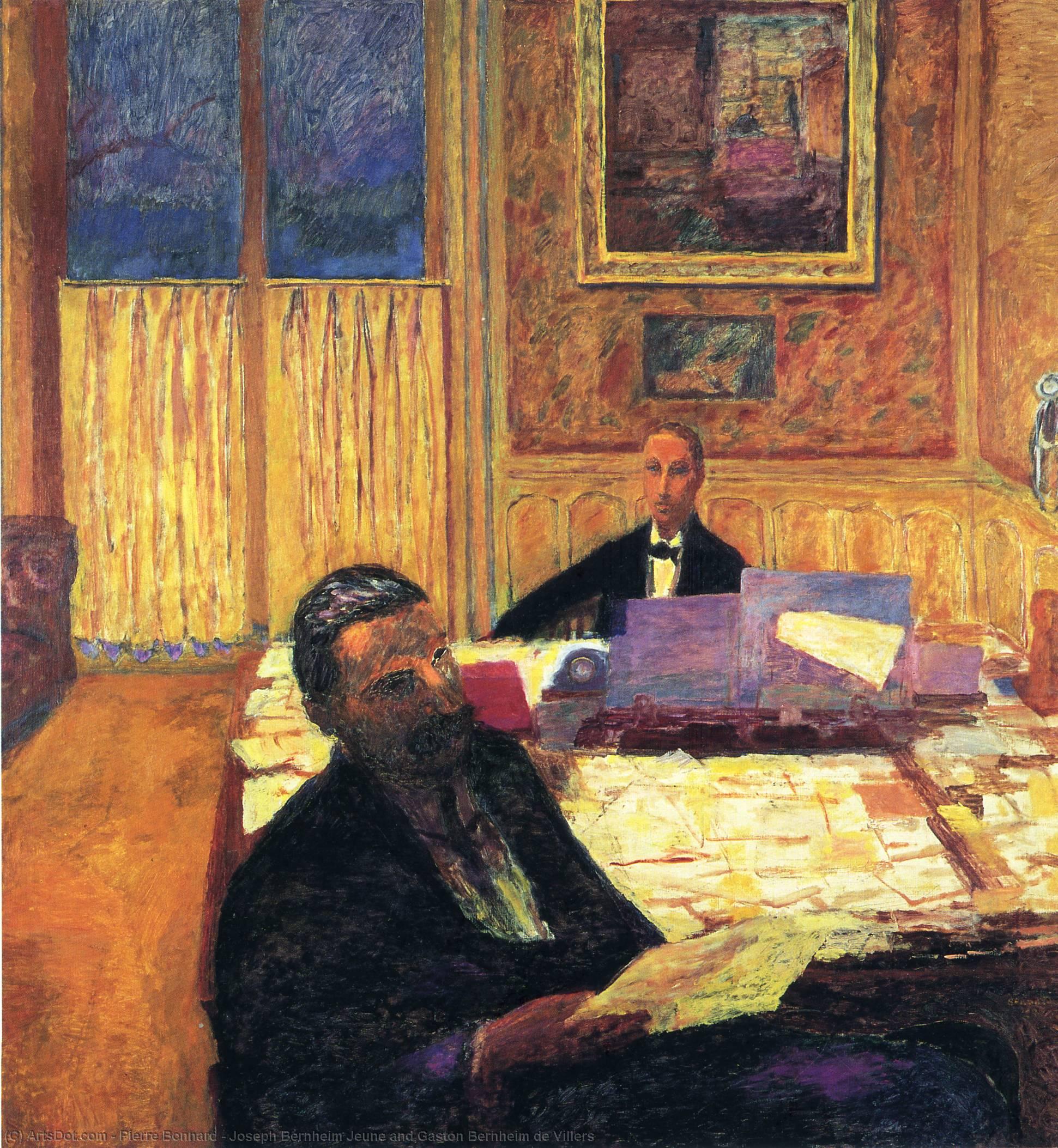
Joseph Bernheim Jeune and Gaston Bernheim de Villers
 Oil On Canvas
- WallArt
- Nabis Style
 1920
1920- 19th Century
 165.0 x 155.0 cm
 Weiterlesen
Giclée / Kunstdruck
Giclée- oder Leinwanddruck in Museumsqualität mit schneller Produktion und flexiblen Veredelungsoptionen. ( Handgemalte Reproduktion bestellen Bild kaufen)




P118B $10

P118H $10

P118W $10

P438Z $10

P508JH $12

P508YH $12

P805H $10

P805Z $10

P919BZ $10

P919G $10

P919XJ $10

P959ZH $10

P968JZ $12

W106C $8

W218G $10

W218JH $8

W218Y $10

W307PJ $10

W316G $10

W316PJ $8

W316Y $10

W398PJ $8

W4111J $10

W500HY $15

W500JH $15

W692G $12

W849H $8

W940BG $15

W953PJ $8




Wählen Sie aus unseren vordefinierten Formaten, die den ursprünglichen Proportionen des Kunstwerks entsprechen.

Sie können Ihre eigenen Maße eingeben, um ein bestimmtes Format oder einen speziellen Platz einzupassen. Wenn das von Ihnen gewählte Format nicht den Proportionen des Originalbildes entspricht, werden wir das Kunstwerk entweder beschneiden oder das Bild mit einem gespiegelten oder einfarbigen Rand erweitern. Ein digitaler Entwurf wird Ihnen zur Genehmigung zugesandt, bevor die Produktion beginnt.
Bitte beachten Sie, dass die Vorschau auf dem Bildschirm nicht den tatsächlichen Zuschnitt oder die Erweiterung widerspiegelt. Nur der Entwurf zeigt die endgültige Komposition präzise an.
Obwohl Sondermaße verfügbar sind, empfehlen wir die Auswahl eines Maßes aus der vordefinierten Liste, um die ursprünglichen Proportionen zu bewahren.
Weltweiter Versand () innerhalb von 2 Wochen statt der üblichen 4/5 Wochen. (26 August)

Kostenloser weltweiter Expressversand

Hochwertige Leinenleinwand

Umfassender Versicherungsschutz beim Versand

Zollgebühren-Rückerstattungsgarantie

Garantie für exakte Farbtreue

60 Tage Rückgaberecht (nur bei Mängeln)

100% Geld-zurück-Garantie

Mengenrabatt verfügbar
 Die Glasoption ist nur für Größen unter 110 cm verfügbar.

Joseph Bernheim Jeune and Gaston Bernheim de Villers
Giclée / Kunstdruck
Format der Reproduktion
-


Gesamtpreis
$ 62
Sammlerstück-Beschreibung
A Moment of Quiet Reflection: Pierre Bonnard's Portrait of Bernheim Brothers
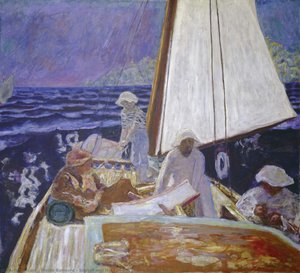
Pierre Bonnard’s 1920 painting, “Joseph Bernheim Jeune and Gaston Bernheim de Villers,” offers a poignant glimpse into the domestic life of two prominent figures within the French art world. This intimate portrait, measuring 165 x 155 cm, captures a scene of quiet contemplation – a father and son engaged in separate pursuits amidst the comfortable clutter of their study. The painting’s power lies not just in its subject matter but also in Bonnard's masterful manipulation of light, color, and composition, hallmarks of his distinctive style.
- Subject Matter: The central focus is undeniably the two men – Joseph Bernheim Jeune and Gaston Bernheim de Villers – both members of the influential Bernheim family who were significant patrons of the arts. Their relaxed postures and absorbed expressions invite us to imagine their individual thoughts and concerns.
- Composition: Bonnard employs a carefully balanced composition, utilizing the dining table as a visual anchor. The placement of the men on either side creates a sense of equilibrium while simultaneously suggesting a subtle tension between them.
The Language of Color and Light – Bonnard’s Signature Style
Bonnard was renowned for his ability to evoke atmosphere through color, often employing muted tones and delicate harmonies that shimmered with an almost ethereal quality. In this portrait, he utilizes a palette dominated by browns, ochres, and blues, creating a sense of warmth and intimacy. The play of light is particularly noteworthy; Bonnard expertly captures the diffused illumination filtering through the room, casting soft shadows and highlighting the textures of the furniture and fabrics. This technique contributes significantly to the painting’s overall mood – one of serene contemplation.
- Technique: Bonnard's brushwork is loose and expressive, characterized by short, broken strokes that build up color and form. He avoids sharp outlines, instead opting for a hazy effect that softens the edges of objects and figures, contributing to the painting’s dreamlike quality.
- Influence: Bonnard’s style was deeply influenced by Impressionism and Post-Impressionism, particularly the work of artists like Camille Pissarro and Paul Gauguin. However, he developed a unique approach that combined these influences with his own distinctive sensibility.
Symbolic Details and Historical Context
The inclusion of details such as the open book, scattered papers on the table, and the clock on the wall adds layers of meaning to the painting. The book suggests intellectual pursuits, while the papers hint at business or creative endeavors. The clock serves as a reminder of the passage of time – a recurring theme in Bonnard’s work. Painted in 1920, during a period of relative stability after World War I, the portrait reflects the quiet optimism and cultural flourishing that characterized the interwar years in France. It's important to note Bonnard's association with the Nabis group, known for their mystical and symbolic use of color, which subtly informs the painting’s atmosphere.
- Nabis Influence: The Nabis movement, of which Bonnard was a part, sought to create art that evoked spiritual or emotional states through the manipulation of color. This influence is evident in the painting's harmonious palette and its emphasis on mood and atmosphere.
- Bernheim Family Connection: The Bernheim family’s patronage of the arts played a crucial role in Bonnard’s career, providing him with opportunities to exhibit his work and develop his artistic style.
Emotional Impact and Artistic Legacy
"Joseph Bernheim Jeune and Gaston Bernheim de Villers" is more than just a portrait; it's a meditation on the nature of domestic life, intellectual pursuits, and the quiet moments of reflection. Bonnard’s ability to capture these subtle nuances with such sensitivity and grace ensures that this painting remains a powerful and enduring work of art. A hand-painted reproduction offers an unparalleled opportunity to experience the beauty and emotional depth of this remarkable piece firsthand.
Ähnliche Kunstwerke
Über den Künstler
Frühe Jahre und Karriere
Pierre Bonnard wurde am 3. Oktober 1867 in Fontenay-aux-Roses, im Département Hauts-de-Seine, geboren. Er entstammte einer wohlhabenden Familie; sein Vater war ein hoher Beamter im französischen Kriegsministerium. Bonnard zeigte früh künstlerisches Talent und besuchte zunächst das Lycée Louis-le-Grand und später das Lycée Charlemagne in Vanves. Obwohl er von seinem Vater dazu gedrängt wurde, eine Karriere im Staatsdienst anzutreten, entschied sich Bonnard für die Kunst. Er studierte Jura, um seinen Vater zufriedenzustellen, begann aber gleichzeitig mit dem Studium an der Académie Julian und der École des Beaux-Arts, wo er Freundschaften mit anderen Künstlern wie Édouard Vuillard schloss.Die Nabi-Bewegung und Postimpressionismus
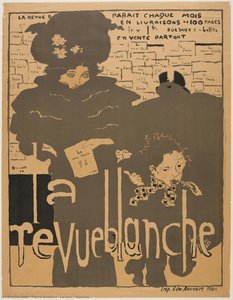
Um 1891 lernte Bonnard Toulouse-Lautrec kennen und begann, seine Werke auf Ausstellungen zu zeigen. Er engagierte sich auch in der Zeitschrift *La Revue Blanche*, für die er Frontispizien entwarf. Bonnard war ein Gründungsmitglied der Nabi-Bewegung (*Les Nabis*), einer Gruppe von Künstlern, die sich gegen den Impressionismus wandten und nach neuen Ausdrucksformen suchten. Die frühen Werke Bonnards zeigen den Einfluss japanischer Holzschnitte und Paul Gauguins. Er entwickelte einen eigenen Stil, der durch eine Vereinfachung der Formen und eine Verwendung flacher Farbflächen gekennzeichnet ist.Intimität und häusliche Szenen
Bonnard bevorzugte es, aus dem Gedächtnis zu malen und nutzte Skizzen als Referenzmaterial. Dies verlieh seinen Bildern eine traumartige Qualität. Er widmete sich vor allem intimen häuslichen Szenen, oft mit seiner Frau Marthe de Meligny als Modell. Diese Darstellung des Alltäglichen und Intimen brachte ihm den Beinamen "Intimisten" ein. Bonnard konzentrierte sich auf die Wiedergabe von Lichtstimmungen und Farbkombinationen, wobei er die Perspektive oft vernachlässigte.Spätere Jahre und künstlerische Entwicklung
In den 1910er Jahren zog Bonnard nach Vernonnet in der Normandie, wo er das Haus "La Roulotte" kaufte. Hier schuf er zahlreiche Gemälde, inspiriert von der Landschaft und dem Garten. Er pflegte eine enge Freundschaft zu Claude Monet, der ebenfalls in Giverny lebte. Bonnards Farbpalette wurde zunehmend intensiver und leuchtender. Nach Monets Tod zog Bonnard nach Le Cannet an der Côte d'Azur, wo er bis zu seinem Tod am 23. Januar 1947 lebte. Er vollendete sein letztes Gemälde, *Die Mandeltraube in Blüte*, nur wenige Tage vor seinem Ableben.Bedeutung und Vermächtnis
Pierre Bonnard gilt als einer der bedeutendsten französischen Maler des frühen 20. Jahrhunderts. Sein Werk zeichnet sich durch eine einzigartige Sensibilität für Farbe und Licht aus. Er trug maßgeblich zur Entwicklung des Postimpressionismus bei und beeinflusste nachfolgende Künstlergenerationen. Bonnards Gemälde sind heute in zahlreichen renommierten Museen weltweit zu sehen, darunter das Musée Marmottan Monet in Paris und das Art Institute of Chicago.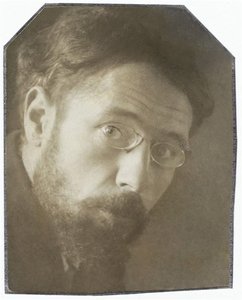
Pierre Bonnard
1867 - 1947 , Frankreich
Kurzinfos
- Beeinflusste Künstler/Bewegungen: ['Intimismus']
- Bemerkenswerte Werke:
- Frau in kariertem Kleid (1890)
- Die Mandeltraube in Blüte
- Einflussreiche Künstler:
- Paul Gauguin
- Hokusai
- Geburtsdatum: 03. Oktober 1867
- Geburtsort: Fontenay-aux-Roses, Frankreich
- Künstlerische Bewegung: Postimpressionismus, Nabi
- Nationalität: Französisch
- Sterbedatum: 23. Januar 1947
- Vollständiger Name: Pierre Bonnard
Ähnliche Artikel

Echoes of Time: Exploring the Enduring Appeal & Historical Context of Vintage Art Prints
Explore the captivating world of vintage art prints! Discover their history, collecting tips & enduring appeal. Expert insights on chromolithography and building a legacy collection with ArtsDot.

Giclée Prints: Archival Quality & Aesthetic Nuances for the Discerning Collector
Explore the world of giclée prints with ArtsDot. Learn about archival quality, aesthetic nuances & investment potential. Expert guidance for discerning art collectors seeking museum-quality reproductions and lasting value.

The Enduring Legacy of Fine Art Prints: Technique, History & Aesthetic Impact
Explore the rich history & techniques of fine art prints. Discover investment potential, assess authenticity, and learn how to preserve your collection with expert guidance. Trusted insights for discerning collectors.

Impressionismus Meisterwerke: Die Top 10 Kunstwerke für Ihr Zuhause | ArtsDot
Entdecken Sie die Top 10 Meisterwerke des Impressionismus! Von Monet bis Renoir – erfahren Sie die Geschichten hinter berühmten Gemälden, Techniken & Farben. Hochwertige Kunstdrucke auf ArtsDot.com.
The Enduring Legacy of Printmaking: Techniques, Themes & Artistic Innovation Across Centuries
Explore the rich history of printmaking with ArtsDot. Discover techniques from intaglio to lithography, learn about collecting valuable prints & find museum-quality reproductions. Expert insights for art enthusiasts and collectors.