 Vorschau anzeigen
 Versenden
 Teilen
 Details anzeigen

 Herunterladen
 Ähnliche Objekte
 Röntgenaufnahme
 Diashow
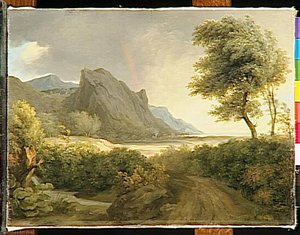
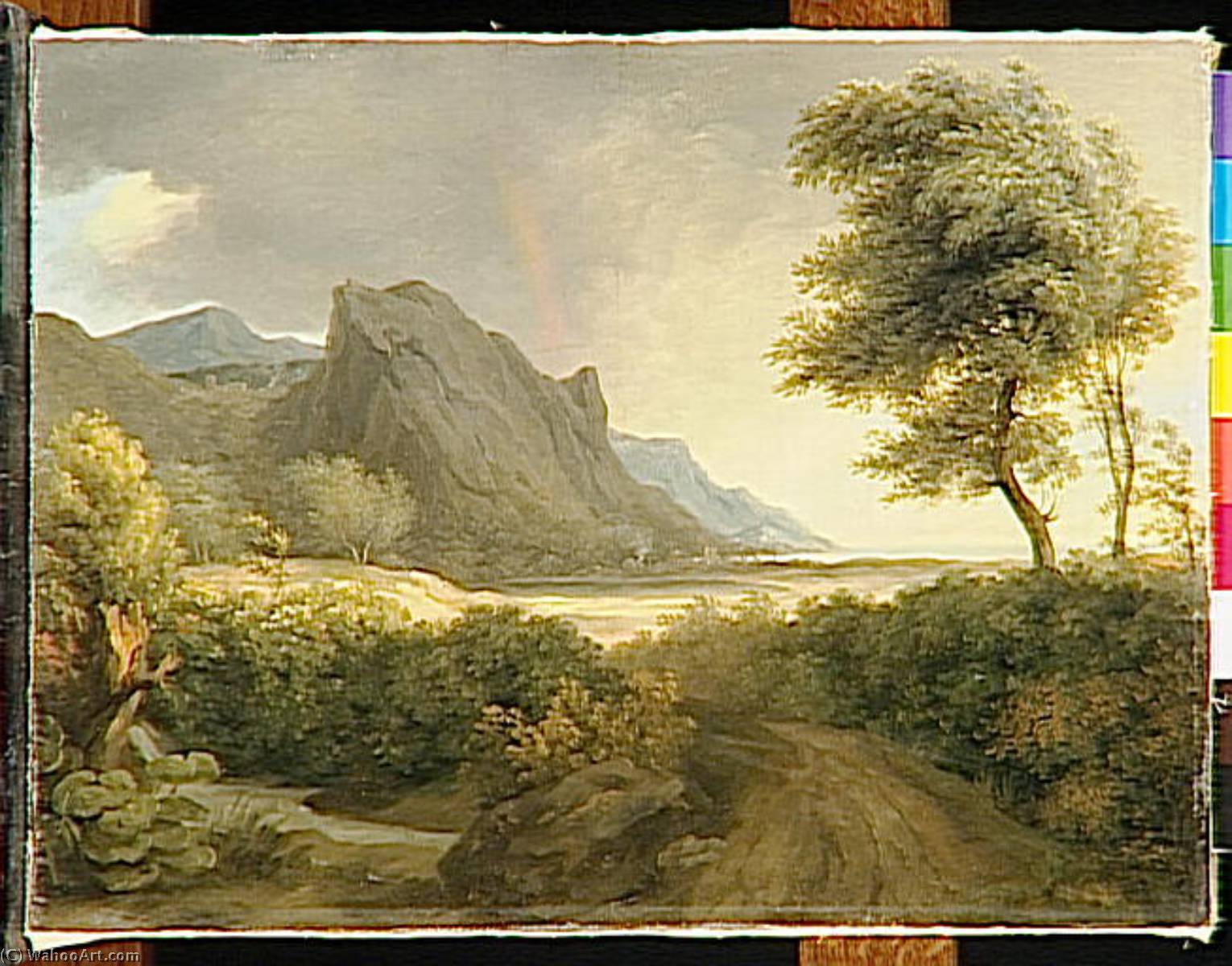
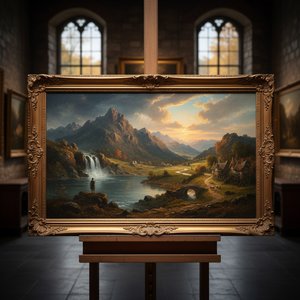
Landschaft mit Berg und Meer. Der Himmel mit Regenbogen.


 Weiterlesen
Handgefertigte Ölreproduktion
Handgemaltes Ölgemälde auf Leinwand in Ihrer Wunschgröße und mit Rahmen, auf Bestellung von unseren Künstlern angefertigt. ( Druck bestellen Bild kaufen)




P118B $10

P118H $10

P118W $10

P438Z $10

P508JH $12

P508YH $12

P805H $10

P805Z $10

P919BZ $10

P919G $10

P919XJ $10

P959ZH $10

P968JZ $12

W106C $8

W218G $10

W218JH $8

W218Y $10

W307PJ $10

W316G $10

W316PJ $8

W316Y $10

W398PJ $8

W4111J $10

W500HY $15

W500JH $15

W692G $12

W849H $8

W940BG $15

W953PJ $8




Wählen Sie aus unseren vordefinierten Formaten, die den ursprünglichen Proportionen des Kunstwerks entsprechen.

Sie können Ihre eigenen Maße eingeben, um einen bestimmten Rahmen oder Platz auszufüllen. Wenn die gewählte Größe nicht den Proportionen des Originalbildes entspricht, werden wir das Kunstwerk entweder beschneiden oder das Gemälde durch zusätzliche, handgemalte Elemente erweitern. Ein digitales Mockup wird Ihnen zur Genehmigung zugesandt, bevor die Produktion beginnt.
Bitte beachten Sie, dass die Bildschirmvorschau nicht die tatsächliche Beschneidung oder Erweiterung widerspiegelt. Nur das Mockup zeigt die endgültige Komposition exakt an.
Obwohl Sondermaße verfügbar sind, empfehlen wir, eine Größe aus der vordefinierten Liste zu wählen, um die ursprünglichen Proportionen beizubehalten.
Nach der Bestellung wird das ArtsDot.com-Team dem Kunden Anweisungen per E-Mail zusenden und eine Mockup-Vorschau bereitstellen.
Weltweiter Versand () in nur 3 bis 4 Wochen statt der üblichen 5 Wochen. (26 August). Keine Kompromisse bei der Qualität.

Kostenloser weltweiter Expressversand

Hochwertige Leinenleinwand

Umfassender Versicherungsschutz beim Versand

Zollgebühren-Rückerstattungsgarantie

Garantie für exakte Farbtreue

60 Tage Rückgaberecht (nur bei Mängeln)

100% Geld-zurück-Garantie

Mengenrabatt verfügbar
 Die Glasoption ist nur für Größen unter 110 cm verfügbar.

Landschaft mit Berg und Meer. Der Himmel mit Regenbogen.
Art der Reproduktion
Format der Reproduktion
-


Gesamtpreis
$ 263
Beschreibung des Kunstwerks
Pierre de Valenciennes: A Pioneer of Open-Air Painting and Romantic Landscape
Pierre Henri de Valenciennes (1750 – 1819) stands as a pivotal figure in the burgeoning landscape movement of the late Enlightenment and early Romantic eras. Often overshadowed by his contemporaries, Valenciennes’s contribution to artistic innovation—specifically his championing of “landscape portraits”—laid the groundwork for a new approach to painting that profoundly impacted subsequent generations of artists. Born in Toulouse, France, Valenciennes pursued his artistic ambitions with unwavering dedication, establishing himself as a respected painter and teacher during his time in Rome and later Paris. His legacy resides not merely in prolific output but in fundamentally altering how artists perceived and represented the natural world.Early Influences and Roman Period (1778-1782)
Valenciennes’s formative years were spent in Rome, where he immersed himself in the artistic fervor of the city and honed his skills under the tutelage of influential masters. Unlike many artists of his time who favored studio practice, Valenciennes embarked on a bold experiment: venturing outdoors—a revolutionary concept at the time—to capture the immediacy of nature’s beauty. This commitment to “landscape portraits,” as he termed them, signaled a decisive break from academic conventions and paved the way for a more expressive and emotionally resonant style. He meticulously studied classical ruins alongside contemporary landscapes, absorbing the grandeur of antiquity while simultaneously embracing the dynamism of the Romantic spirit. The influence of artists like Claude Lorrain and Nicolas Poussin is palpable in Valenciennes’s compositions—a deliberate effort to elevate landscape painting to the level of history painting.The Embrace of Atmospheric Perspective and Romantic Emotion
Valenciennes's artistic vision crystallized during his Roman period, resulting in canvases imbued with a characteristic blend of observation and imagination. He skillfully employed atmospheric perspective – shading techniques that simulate the hazy air of distant mountains—creating a convincing illusion of depth and conveying a profound sense of grandeur. This masterful manipulation of light and color wasn’t merely technical prowess; it served as a conduit for expressing Romantic emotion, mirroring the sublime awe experienced by artists confronting the immensity of nature. Valenciennes sought to capture not just what he saw but also how he *felt*, reflecting the burgeoning interest in subjective experience that defined the Romantic movement.“Paysage montagneux baigné par la mer. L'arc en ciel”: A Symphony of Color and Composition
“Paysage montagneux baigné par la mer. L’arc en ciel” exemplifies Valenciennes’s artistic principles perfectly. The painting depicts a breathtaking coastal panorama dominated by towering mountains partially obscured by swirling clouds—a scene designed to inspire contemplation and evoke feelings of sublime beauty. A winding path leads the eye into the distance, drawing attention to the tranquil sea reflecting the vibrant hues of the rainbow arching across the sky. This carefully balanced composition utilizes strong horizontal lines delineating the mountain range and road, juxtaposed with organic shapes representing vegetation and water—elements deliberately chosen to heighten visual impact. Valenciennes’s palette is muted yet luminous, favoring earthy tones blended seamlessly to create a harmonious atmosphere. The subtle gradations of color contribute to the overall sense of depth and realism, demonstrating his mastery of oil paint technique.Symbolism and Emotional Resonance
Beyond its technical brilliance, “Paysage montagneux baigné par la mer. L’arc en ciel” resonates with symbolic significance. The rainbow serves as a powerful emblem of hope and renewal—a reminder that beauty can emerge from adversity—amidst the imposing majesty of the mountains. Valenciennes's aim was to transcend mere representation; he sought to communicate an emotional response to nature, mirroring the Romantic preoccupation with feeling and imagination. The painting invites viewers to contemplate the sublime—the awe-inspiring grandeur of the natural world—and to experience a moment of profound tranquility. It stands as testament to Valenciennes’s enduring legacy: a pioneering spirit that transformed landscape painting into a vehicle for artistic expression and emotional contemplation.- Artist: Pierre Henri de Valenciennes
- Born Year: 1750
- Death Year: 1819
- Birth City: None
- Birth Country: None
Ähnliche Kunstwerke

Über den Künstler
Pierre de Valenciennes: Pioneer of Open-Air Painting and Romantic Landscape
Pierre Henri de Valenciennes (1750 – 1819) stands as a pivotal figure in the burgeoning landscape movement of the late Enlightenment and early Romantic eras. Often overshadowed by his contemporaries, Valenciennes’s contribution to artistic innovation—specifically his championing of “landscape portraits”—laid the groundwork for a new approach to painting that profoundly impacted subsequent generations of artists. Born in Toulouse, France, Valenciennes pursued his artistic ambitions with unwavering dedication, establishing himself as a respected painter and teacher during his time in Rome and later Paris.Early Influences and Roman Period (1778-1782)
Valenciennes’s formative years were spent in Rome, where he immersed himself in the artistic fervor of the city and honed his skills under the tutelage of influential masters. Unlike many artists of his time who favored studio practice, Valenciennes embarked on a revolutionary experiment: direct observation of nature. He meticulously documented landscapes—primarily around Lake Nemi and Genzano—capturing them with unprecedented accuracy and sensitivity to light and atmosphere. This approach wasn’t merely stylistic; it represented a philosophical shift toward understanding the world through sensory experience. His treatise, “Reflections and Advice to a Student on Painting,” eloquently articulated this conviction, arguing that artists should strive to depict landscapes as they appear before their eyes—a concept that would become known as "landscape portrait." Valenciennes’s detailed studies of trees and buildings at different times of day demonstrated an acute awareness of the ephemeral qualities of visual perception. He sought inspiration from Caravaggio and Rembrandt, mastering chiaroscuro – the dramatic use of light and shadow – to imbue his canvases with emotional depth.Technique and Artistic Vision
Valenciennes's technique was characterized by a masterful blend of tonal gradation and subtle color harmonies, reflecting the influence of Caravaggio and Rembrandt. He skillfully employed chiaroscuro—the dramatic interplay of light and shadow—to convey depth and emotion within his compositions. However, Valenciennes’s true genius resided in his artistic vision. Recognizing that landscape painting could transcend mere representation to communicate profound ideas about humanity's relationship with nature, he advocated for artists to infuse their canvases with a sense of place and atmosphere. He urged painters to consider not only the visual elements but also the cultural context—the architecture, dress, agriculture, and social customs—that shaped the landscape’s character. This humanist perspective foreshadowed the Romantic preoccupation with emotion and imagination, anticipating trends that would dominate European art in the decades following Valenciennes's death. He believed that true artistic achievement demanded a deep understanding of the natural world alongside an appreciation for human experience.Students and Legacy
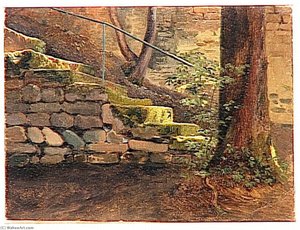
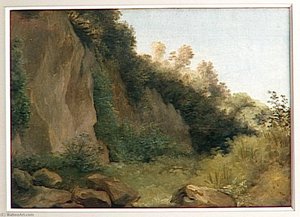
Valenciennes nurtured a cohort of talented students who carried forward his artistic ideals. Among them were Jean Victor Bertin, Achille Etna Michallon, Louis Étienne Watelet, and Louis François Lejeune—artists who would become prominent figures in the French landscape movement. Valenciennes’s influence extended beyond his immediate pupils; he mentored Pierre Prévost, establishing him as the first French panorama painter and furthering the exploration of expansive vistas. His landscapes continue to inspire admiration for their realism, emotional resonance, and intellectual depth. Particularly noteworthy are “L’Escalier de Pierres Recouvert de Mousse” and “Les Envirs de Genzano,” which exemplify Valenciennes's commitment to capturing the nuances of natural beauty with remarkable precision.Historical Significance
Pierre de Valenciennes deserves recognition as a trailblazer who challenged artistic conventions and championed a new aesthetic sensibility. His insistence on working outdoors—a practice considered unorthodox by many of his contemporaries—established him as a champion of Romantic ideals. Furthermore, his conceptualization of “landscape portraits” profoundly impacted the trajectory of French landscape art, influencing artists like Hubert Robert, Pierre Athanaise Chauvin, and Achille Etna Michallon who embraced an anthropological approach to depicting rural life and customs. Valenciennes’s legacy endures not only in his paintings but also in his enduring contribution to the intellectual discourse surrounding artistic practice—a testament to his visionary spirit and lasting impact on European art history. He fundamentally altered how artists perceived and represented their surroundings, paving the way for Impressionism and cementing his place as a cornerstone of Romantic landscape painting.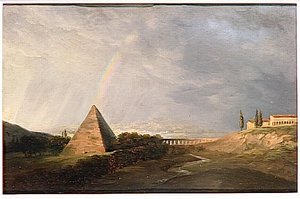
Pierre Henri Valenciennes
1750 - 1819 , Frankreich
Kurzinfos
- Artistic Movement Or Style: Romantik Landschaftsmalerei
- Artists Who Influenced This Artist:
- Hubert Robert
- Pierre-Athanaise Chauvin
- Achille Etna Michallon
- Date Of Death: 1819
- Full Name: Pierre Henri de Valenciennes
- Nationality: Französisch
- Notable Artworks:
- Le Lac de Nemi et Genzano
- L’Escalier de Pierres Recouvert de Mousse
- Les Envirs de Genzano
- Place Of Birth: Toulouse, Frankreich
Ähnliche Artikel
Pierre-Auguste Renoir: Die 25 Meisterwerke des Impressionismus für Ihr Zuhause | ArtsDot
Entdecken Sie die 25 schönsten Meisterwerke von Pierre-Auguste Renoir! Tauchen Sie ein in die Welt des Impressionismus, erleben Sie berühmte Gemälde wie 'Bal au moulin de la Galette' und finden Sie hochwertige Kunstdrucke für Ihr Zuhause. Jetzt auf ArtsDot.com!

Romantische Landschaften: Die 10 Meisterwerke, die eine Epoche prägten | ArtsDot
Entdecken Sie die 10 Meisterwerke der Romantischen Landschaftsmalerei! Von Caspar David Friedrich bis Turner – erleben Sie die Kunst, Emotion & Natur. Hochwertige Reproduktionen auf ArtsDot.com

Evocations of Place: A Historical Journey Through Landscape Art
Explore the rich history of landscape art with ArtsDot. Discover renowned artists, movements like Impressionism & Romanticism, and expert guidance for collecting timeless pieces. Find your perfect serene escape today!
The Sublime and the Picturesque: Exploring Emotion & Nature in Romantic Landscape Painting
Explore the emotional power of Romantic landscape painting! Discover the sublime & picturesque traditions, key artists like Friedrich & Cole, and find your perfect artwork at ArtsDot.

John Constable: Die 25 Meisterwerke des englischen Landschaftsgenies – ArtsDot
Entdecken Sie die 25 Meisterwerke von John Constable! Erleben Sie englische Landschaftsmalerei vom Hay Wain bis zur Stour Valley. Hochwertige Reproduktionen & Kunst für Ihr Zuhause auf ArtsDot.com.