 Vorschau anzeigen
 Versenden
 Teilen
 Details anzeigen

 Herunterladen
 Ähnliche Objekte
 Röntgenaufnahme
 Diashow
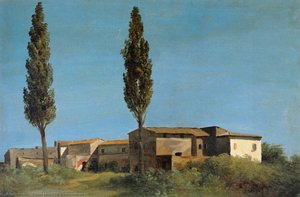
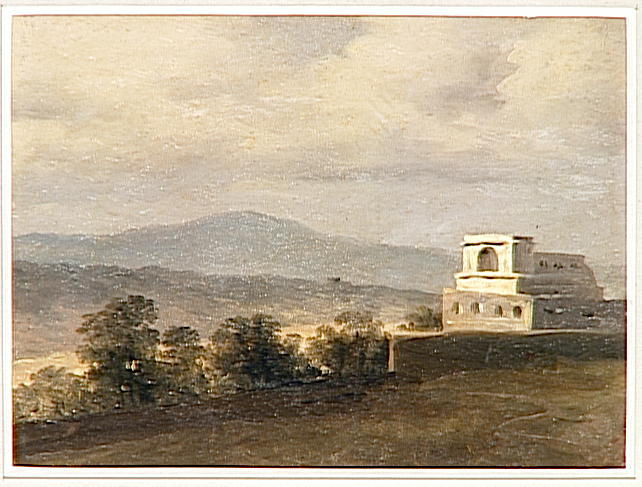
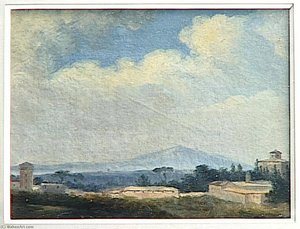
A LA VILLA BORGHESE LE PAVILLON


 Weiterlesen
Handgefertigte Ölreproduktion
Handgemaltes Ölgemälde auf Leinwand in Ihrer Wunschgröße und mit Rahmen, auf Bestellung von unseren Künstlern angefertigt. ( Druck bestellen Bild kaufen)




P118B $10

P118H $10

P118W $10

P438Z $10

P508JH $12

P508YH $12

P805H $10

P805Z $10

P919BZ $10

P919G $10

P919XJ $10

P959ZH $10

P968JZ $12

W106C $8

W218G $10

W218JH $8

W218Y $10

W307PJ $10

W316G $10

W316PJ $8

W316Y $10

W398PJ $8

W4111J $10

W500HY $15

W500JH $15

W692G $12

W849H $8

W940BG $15

W953PJ $8




Wählen Sie aus unseren vordefinierten Formaten, die den ursprünglichen Proportionen des Kunstwerks entsprechen.

Sie können Ihre eigenen Maße eingeben, um einen bestimmten Rahmen oder Platz auszufüllen. Wenn die gewählte Größe nicht den Proportionen des Originalbildes entspricht, werden wir das Kunstwerk entweder beschneiden oder das Gemälde durch zusätzliche, handgemalte Elemente erweitern. Ein digitales Mockup wird Ihnen zur Genehmigung zugesandt, bevor die Produktion beginnt.
Bitte beachten Sie, dass die Bildschirmvorschau nicht die tatsächliche Beschneidung oder Erweiterung widerspiegelt. Nur das Mockup zeigt die endgültige Komposition exakt an.
Obwohl Sondermaße verfügbar sind, empfehlen wir, eine Größe aus der vordefinierten Liste zu wählen, um die ursprünglichen Proportionen beizubehalten.
Nach der Bestellung wird das ArtsDot.com-Team dem Kunden Anweisungen per E-Mail zusenden und eine Mockup-Vorschau bereitstellen.
Weltweiter Versand () in nur 3 bis 4 Wochen statt der üblichen 5 Wochen. (23 August). Keine Kompromisse bei der Qualität.

Kostenloser weltweiter Expressversand

Hochwertige Leinenleinwand

Umfassender Versicherungsschutz beim Versand

Zollgebühren-Rückerstattungsgarantie

Garantie für exakte Farbtreue

60 Tage Rückgaberecht (nur bei Mängeln)

100% Geld-zurück-Garantie

Mengenrabatt verfügbar
 Die Glasoption ist nur für Größen unter 110 cm verfügbar.

A LA VILLA BORGHESE LE PAVILLON
Art der Reproduktion
Format der Reproduktion
-


Gesamtpreis
$ 263
Beschreibung des Kunstwerks
A Window into Roman Tranquility: Exploring Pierre-Henri de Valenciennes’ “A La Villa Borghese Le Pavillon”
“A La Villa Borghese Le Pavillon,” painted by the French artist Pierre-Henri de Valenciennes in 1800, is more than just a landscape; it's a carefully constructed tableau of classical serenity and refined observation. This captivating work offers a glimpse into the burgeoning practice of “en plein air” painting – a revolutionary shift that prioritized direct observation of nature over studio renderings – and reveals Valenciennes’ profound understanding of light, atmosphere, and the subtle poetry of the Italian countryside. The scene unfolds within the rolling hills surrounding Villa Borghese in Rome, a location steeped in artistic history and renowned for its breathtaking beauty.
Valenciennes, deeply influenced by his time in Italy, sought to capture not merely the appearance of a place but also its essence – the way light danced upon stone, the subtle shifts in color as distance blurred the horizon. He achieved this through meticulous attention to detail and a masterful manipulation of atmospheric perspective. The distant mountains, rendered in muted blues and browns, recede into the hazy atmosphere, creating an illusion of vastness and depth. Closer elements, such as the pavilion itself and the surrounding foliage, are depicted with greater clarity, drawing the viewer’s eye towards their central focus.
The Dawn of “En Plein Air” – Valenciennes' Revolutionary Technique
Prior to Valenciennes’ innovations, landscape painting was largely confined to the studio. Artists meticulously copied views from memory or sketches, often sacrificing accuracy and spontaneity. Valenciennes, however, championed a radically different approach. He believed that true understanding of nature could only be achieved through direct observation – standing before the scene, feeling its light, and capturing its fleeting qualities. This philosophy is vividly demonstrated in “A La Villa Borghese Le Pavillon,” where the artist’s hand visibly translates the immediacy of his experience onto the canvas.
His treatise, "Reflections and Advice to a Student on Painting, Particularly on Landscape," outlined this method, emphasizing the importance of capturing not just what is seen but also *how* it is seen – the subtle shifts in color, texture, and light. Valenciennes’ work served as an influential model for subsequent generations of landscape painters, including Bertin and Michallon, solidifying his place as a pivotal figure in the development of modern painting techniques.
A Symphony of Earth Tones and Atmospheric Depth
The painting's color palette is dominated by earthy tones – ochres, browns, greens, and muted yellows – creating a sense of groundedness and tranquility. The pavilion, constructed from warm-toned stone, stands as a focal point against the cooler hues of the surrounding landscape. Valenciennes skillfully employs atmospheric perspective to enhance this contrast, blurring distant elements and softening their colors to convey depth and distance. Notice how the light seems to diffuse and soften as it travels across the hills, creating an almost dreamlike quality.
The brushstrokes themselves are a testament to Valenciennes’ meticulous technique. They are visible yet controlled, suggesting both spontaneity and careful observation. The foliage is rendered with textured strokes that capture its density and vitality, while the stone of the pavilion appears smooth and polished. Even the clouds in the sky are painted with delicate, layered strokes, conveying their ethereal quality.
Symbolism and Emotional Resonance – A Moment of Contemplation
Beyond its technical brilliance, “A La Villa Borghese Le Pavillon” evokes a profound sense of peace and contemplation. The pavilion itself, reminiscent of classical Roman architecture, symbolizes order, harmony, and the enduring beauty of human creation. Nestled within the natural landscape, it suggests a harmonious relationship between man and nature – a theme that resonated deeply with artists during the Neoclassical period.
The painting’s overall mood is one of serenity and nostalgia, inviting the viewer to step into this idyllic scene and experience its quiet beauty. It's a reminder of the power of art to transport us beyond our everyday lives and connect us with the timeless wonders of the natural world. Reproductions of this work offer a beautiful way to bring a touch of Roman tranquility into any space, capturing the essence of Valenciennes’ masterful observation and artistic vision.
Ähnliche Kunstwerke

Über den Künstler
Frühes Leben und Ausbildung
Pierre-Henri de Valenciennes, ein bedeutender französischer Maler, wurde am 6. Dezember 1750 geboren. Während sein genauer Geburtsort in den verfügbaren Aufzeichnungen nicht explizit genannt wird, sind seine Beiträge zur Kunstwelt hervorragend dokumentiert. Über die frühen Jahre seiner Ausbildung und Erziehung ist wenig detailliert überliefert; fest steht jedoch, dass er zwischen 1778 und 1782 in Rom wirkte. In dieser Zeit schuf er zahlreiche Landschaftsstudien, die direkt in der Natur entstanden sind.Beiträge zur Freilichtmalerei
Valenciennes spielte eine entscheidende Rolle bei der Aufwertung des Status der En plein air-Malerei, also der Malerei unter freiem Himmel. Seine Erfahrungen in Rom führten zur Entwicklung seiner theoretischen Grundlagen, die er im Jahr 1800 in seiner Abhandlung „Reflexionen und Ratschläge für einen Studenten der Malerei, insbesondere der Landschaftsmalerei“ darlegte. Dieses Konzept führte die Idee des „Landschaftsporträts“ ein – eine Methode, bei der der Künstler eine Landschaft direkt beim Betrachten malt, um ihre ganz besonderen Details einzufangen. Dieser Ansatz ermöglichte es Valenciennes, die flüchtigen Veränderungen einer Landschaft, hervorgerufen durch Licht und Wetter, meisterhaft festzuhalten.Bemerkenswerte Schüler und Einfluss
Zu seinen bedeutendsten Schülern gehörten Jean-Victor Bertin, Achille Etna Michallon, Louis Étienne Watelet, Louis-François Lejeune sowie der erste französische Panoramamaler Pierre Prévost. Valenciennes' Einfluss auf diese Künstler und seine Pionierarbeit in der Entwicklung der Freilichtmalerei haben die Kunstwelt nachhaltig geprägt.Späteres Leben und Tod
Valenciennes verstarb am 16. Februar 1819 in Paris. Er fand seine letzte Ruhe auf dem Père-Lachaise-Friedhof, jenem berühmten Pariser Friedhof, der für seine hochkarätigen Persönlichkeiten bekannt ist.- Betrachten Sie die Kunstwerke von Pierre-Henri de Valenciennes auf ArtsDot.com
- Entdecken Sie das Musée des Beaux-Arts Valence, ein Museum mit europäischen Gemälden und Skulpturen, auf ArtsDot.com
- Erfahren Sie mehr über die französische Kunst und ihre Geschichte auf Wikipedia
Vermächtnis
Das Vermächtnis von Pierre-Henri de Valenciennes in der Kunstwelt ist unbestreitbar. Seine wegweisende Arbeit in der Freilichtmalerei hat Generationen von Künstlern inspiriert, und sein Einfluss ist bis heute spürbar. Durch seine theoretischen Schriften und die Ausbildung seiner Schüler hat De Valenciennes einen unauslöschlichen Eindruck in der Welt der Kunst hinterlassen.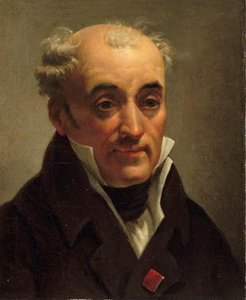
Pierre-Henri De Valenciennes
1750 - 1819 , Frankreich
Kurzinfos
- Artistic Movement Or Style: En plein air peinture
- Artists Or Movements Influenced By This Artist: ['Claude Lorrain']
- Artists Who Influenced This Artist:
- Jean Victor Bertin
- Achille Etna Michallon
- Date Of Birth: 6 Dezember 1750
- Date Of Death: 16 Februar 1819
- Full Name: Pierre Henri de Valenciennes
- Nationality: Französisch
- Notable Artworks:
- Village de Nemi
- A LA Villa Borghese Chemin borde d’arbres
- Place Of Birth: Toulouse, Frankreich
Ähnliche Artikel

Romantische Landschaften: Die 10 Meisterwerke, die eine Epoche prägten | ArtsDot
Entdecken Sie die 10 Meisterwerke der Romantischen Landschaftsmalerei! Von Caspar David Friedrich bis Turner – erleben Sie die Kunst, Emotion & Natur. Hochwertige Reproduktionen auf ArtsDot.com

Evocations of Place: A Historical Journey Through Landscape Art
Explore the rich history of landscape art with ArtsDot. Discover renowned artists, movements like Impressionism & Romanticism, and expert guidance for collecting timeless pieces. Find your perfect serene escape today!
Evoking Atmosphere & Identity: A Journey Through Landscape Painting's History
Explore the rich history of landscape painting! Discover renowned artists, movements like Romanticism, & techniques such as atmospheric perspective. Find inspiration and quality reproductions at ArtsDot.
Evoking Nature's Sublime: A Comprehensive Exploration of 19th-Century Landscape Painting
Explore the captivating world of 19th-century landscape painting! Discover renowned artists like Friedrich & Monet, key movements, and find the perfect artwork to bring nature's serenity into your home. Expert insights at ArtsDot.
Evocations of Place: A Historical Journey Through Landscape Art
Explore the rich history of landscape art with ArtsDot. Discover renowned artists, movements like Impressionism & tonalism, and expert guidance for collecting timeless pieces. Find your perfect serene escape today!