 Vorschau anzeigen
 Versenden
 Teilen
 Details anzeigen

 Herunterladen
 Ähnliche Objekte
 Röntgenaufnahme
 Diashow
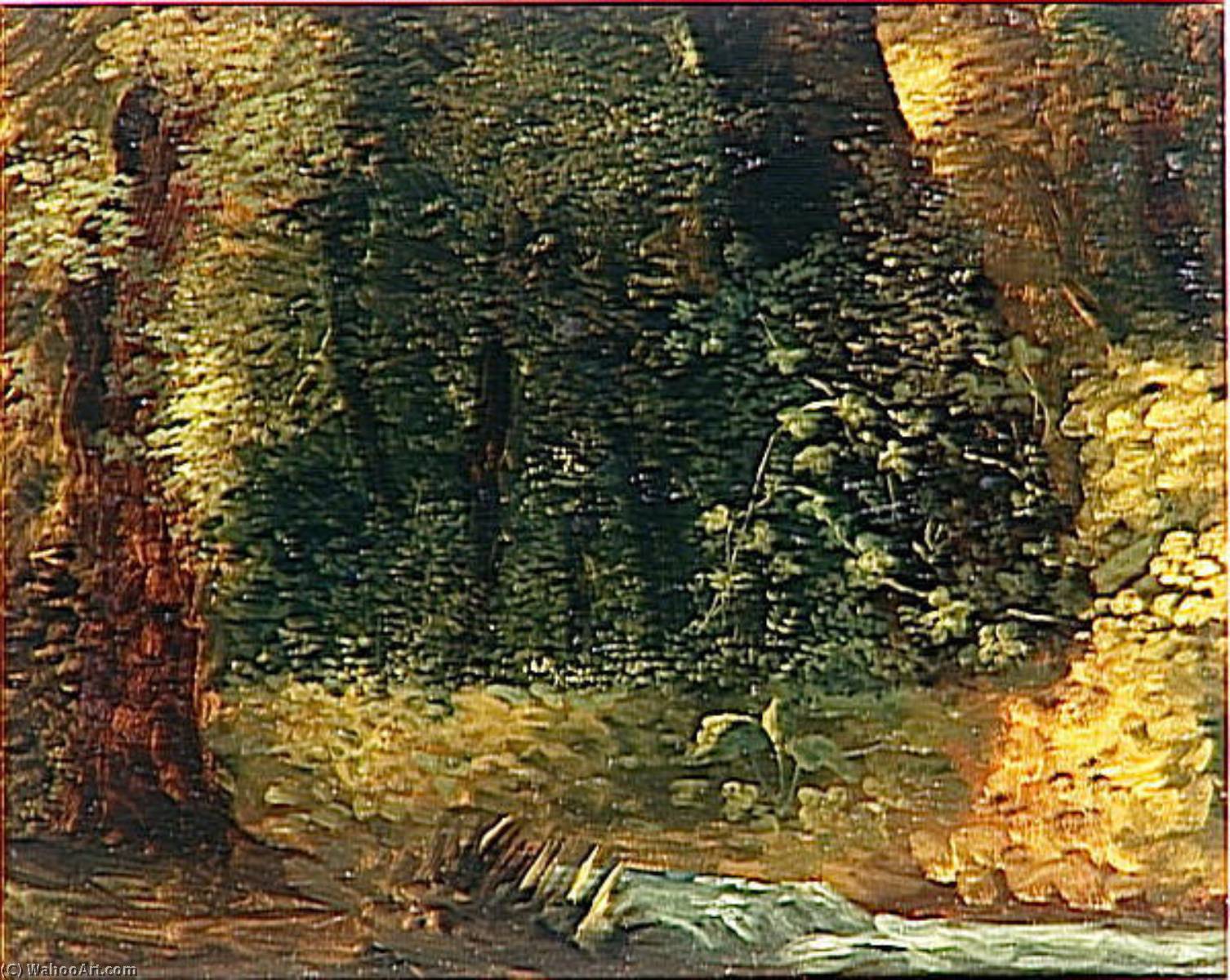
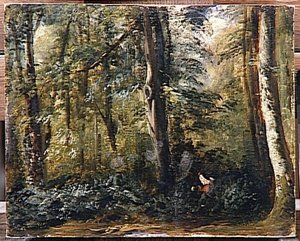
A LA VILLA BORGHESE RUISSEAU COULANT PARMI LES ARBRES


 Weiterlesen
Giclée / Kunstdruck
Giclée- oder Leinwanddruck in Museumsqualität mit schneller Produktion und flexiblen Veredelungsoptionen. ( Handgemalte Reproduktion bestellen Bild kaufen)




P118B $10

P118H $10

P118W $10

P438Z $10

P508JH $12

P508YH $12

P805H $10

P805Z $10

P919BZ $10

P919G $10

P919XJ $10

P959ZH $10

P968JZ $12

W106C $8

W218G $10

W218JH $8

W218Y $10

W307PJ $10

W316G $10

W316PJ $8

W316Y $10

W398PJ $8

W4111J $10

W500HY $15

W500JH $15

W692G $12

W849H $8

W940BG $15

W953PJ $8




Wählen Sie aus unseren vordefinierten Formaten, die den ursprünglichen Proportionen des Kunstwerks entsprechen.

Sie können Ihre eigenen Maße eingeben, um ein bestimmtes Format oder einen speziellen Platz einzupassen. Wenn das von Ihnen gewählte Format nicht den Proportionen des Originalbildes entspricht, werden wir das Kunstwerk entweder beschneiden oder das Bild mit einem gespiegelten oder einfarbigen Rand erweitern. Ein digitaler Entwurf wird Ihnen zur Genehmigung zugesandt, bevor die Produktion beginnt.
Bitte beachten Sie, dass die Vorschau auf dem Bildschirm nicht den tatsächlichen Zuschnitt oder die Erweiterung widerspiegelt. Nur der Entwurf zeigt die endgültige Komposition präzise an.
Obwohl Sondermaße verfügbar sind, empfehlen wir die Auswahl eines Maßes aus der vordefinierten Liste, um die ursprünglichen Proportionen zu bewahren.
Weltweiter Versand () innerhalb von 2 Wochen statt der üblichen 4/5 Wochen. (3 September)

Kostenloser weltweiter Expressversand

Hochwertige Leinenleinwand

Umfassender Versicherungsschutz beim Versand

Zollgebühren-Rückerstattungsgarantie

Garantie für exakte Farbtreue

60 Tage Rückgaberecht (nur bei Mängeln)

100% Geld-zurück-Garantie

Mengenrabatt verfügbar
 Die Glasoption ist nur für Größen unter 110 cm verfügbar.

A LA VILLA BORGHESE RUISSEAU COULANT PARMI LES ARBRES
Giclée / Kunstdruck
Format der Reproduktion
-


Gesamtpreis
$ 62
A Woodland Reverie: Delving into Valenciennes’ “A La Villa Borghese”
Pierre-Henri de Valenciennes' "A La Villa Borghese Ruisseau Coulant Parmi Les Arbres" is more than a landscape painting; it’s an invitation to step into a sun-dappled sanctuary, a meticulously crafted moment of tranquility captured in oil on canvas. Completed around 1800, this work exemplifies the burgeoning “plein air” movement – a revolutionary shift towards directly observing and recording nature's fleeting beauty – championed by Valenciennes himself. The painting transports us to a dense forest near Rome, likely inspired by his own meticulous studies of the Italian countryside, where he developed his influential theory on landscape painting.
The composition immediately draws the eye into a scene of profound depth and atmospheric perspective. Towering red-brown trees dominate the foreground, their rough bark rendered with an almost tactile quality through thick impasto application of paint. A small, meandering stream snakes its way through the undergrowth, reflecting the diffused sunlight and adding a vital element of movement to the otherwise static scene. The rocky outcrop in the lower center provides a grounding presence, anchoring the viewer’s gaze within this vast woodland.
The Language of Light and Shadow
Valenciennes' mastery lies not just in depicting the landscape itself, but in his skillful manipulation of light and shadow – a technique deeply rooted in the traditions of Dutch Masters. Notice how he uses chiaroscuro to sculpt the forms of the trees, creating dramatic highlights that accentuate their texture and volume. The dappled sunlight filtering through the canopy is rendered with remarkable precision, casting intricate patterns of light and shade across the forest floor. This careful attention to detail elevates the painting beyond a simple representation; it becomes a study in atmospheric effects.
The brushwork itself contributes significantly to the painting’s overall impact. It's visible, layered, and deliberately expressive – a testament to Valenciennes’ commitment to capturing the immediacy of nature. The organic lines that define the trees and rocks are not perfectly rendered but rather convey a sense of spontaneity and observation. This approach aligns with his theory of “landscape portrait,” where the artist paints directly from nature, embracing its inherent imperfections and fleeting changes.
Symbolism and Emotional Resonance
Forests have long held symbolic significance across cultures – representing mystery, the subconscious, and a connection to the natural world. In "A La Villa Borghese," this symbolism is subtly evoked through the painting’s vastness and sense of solitude. The viewer is invited to contemplate the scale of nature, to feel a sense of awe in its grandeur, and perhaps even a touch of introspection.
The overall mood is one of tranquility and serenity, yet there's also an underlying feeling of quiet contemplation. The dappled light, the gentle stream, and the dense foliage combine to create a scene that invites relaxation and escape. It’s a painting that speaks to our innate desire for connection with nature – a reminder of the beauty and solace that can be found in the wilderness.
A Legacy of Observation
“A La Villa Borghese Ruisseau Coulant Parmi Les Arbres” stands as a pivotal work in Valenciennes’ career, solidifying his reputation as a pioneer of “plein air” painting. His emphasis on direct observation and meticulous detail profoundly influenced subsequent generations of landscape artists. Reproductions of this captivating scene offer a window into a world of natural beauty, capturing the essence of a timeless forest experience – a testament to Valenciennes' artistic vision and enduring legacy.
Ähnliche Kunstwerke

Über den Künstler
Frühes Leben und Ausbildung
Pierre-Henri de Valenciennes, ein bedeutender französischer Maler, wurde am 6. Dezember 1750 geboren. Während sein genauer Geburtsort in den verfügbaren Aufzeichnungen nicht explizit genannt wird, sind seine Beiträge zur Kunstwelt hervorragend dokumentiert. Über die frühen Jahre seiner Ausbildung und Erziehung ist wenig detailliert überliefert; fest steht jedoch, dass er zwischen 1778 und 1782 in Rom wirkte. In dieser Zeit schuf er zahlreiche Landschaftsstudien, die direkt in der Natur entstanden sind.Beiträge zur Freilichtmalerei
Valenciennes spielte eine entscheidende Rolle bei der Aufwertung des Status der En plein air-Malerei, also der Malerei unter freiem Himmel. Seine Erfahrungen in Rom führten zur Entwicklung seiner theoretischen Grundlagen, die er im Jahr 1800 in seiner Abhandlung „Reflexionen und Ratschläge für einen Studenten der Malerei, insbesondere der Landschaftsmalerei“ darlegte. Dieses Konzept führte die Idee des „Landschaftsporträts“ ein – eine Methode, bei der der Künstler eine Landschaft direkt beim Betrachten malt, um ihre ganz besonderen Details einzufangen. Dieser Ansatz ermöglichte es Valenciennes, die flüchtigen Veränderungen einer Landschaft, hervorgerufen durch Licht und Wetter, meisterhaft festzuhalten.Bemerkenswerte Schüler und Einfluss
Zu seinen bedeutendsten Schülern gehörten Jean-Victor Bertin, Achille Etna Michallon, Louis Étienne Watelet, Louis-François Lejeune sowie der erste französische Panoramamaler Pierre Prévost. Valenciennes' Einfluss auf diese Künstler und seine Pionierarbeit in der Entwicklung der Freilichtmalerei haben die Kunstwelt nachhaltig geprägt.Späteres Leben und Tod
Valenciennes verstarb am 16. Februar 1819 in Paris. Er fand seine letzte Ruhe auf dem Père-Lachaise-Friedhof, jenem berühmten Pariser Friedhof, der für seine hochkarätigen Persönlichkeiten bekannt ist.- Betrachten Sie die Kunstwerke von Pierre-Henri de Valenciennes auf ArtsDot.com
- Entdecken Sie das Musée des Beaux-Arts Valence, ein Museum mit europäischen Gemälden und Skulpturen, auf ArtsDot.com
- Erfahren Sie mehr über die französische Kunst und ihre Geschichte auf Wikipedia
Vermächtnis
Das Vermächtnis von Pierre-Henri de Valenciennes in der Kunstwelt ist unbestreitbar. Seine wegweisende Arbeit in der Freilichtmalerei hat Generationen von Künstlern inspiriert, und sein Einfluss ist bis heute spürbar. Durch seine theoretischen Schriften und die Ausbildung seiner Schüler hat De Valenciennes einen unauslöschlichen Eindruck in der Welt der Kunst hinterlassen.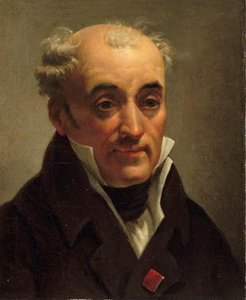
Pierre-Henri De Valenciennes
1750 - 1819 , Frankreich
Kurzinfos
- Artistic Movement Or Style: En plein air peinture
- Artists Or Movements Influenced By This Artist: ['Claude Lorrain']
- Artists Who Influenced This Artist:
- Jean Victor Bertin
- Achille Etna Michallon
- Date Of Birth: 6 Dezember 1750
- Date Of Death: 16 Februar 1819
- Full Name: Pierre Henri de Valenciennes
- Nationality: Französisch
- Notable Artworks:
- Village de Nemi
- A LA Villa Borghese Chemin borde d’arbres
- Place Of Birth: Toulouse, Frankreich
Ähnliche Artikel

Romantische Landschaften: Die 10 Meisterwerke, die eine Epoche prägten | ArtsDot
Entdecken Sie die 10 Meisterwerke der Romantischen Landschaftsmalerei! Von Caspar David Friedrich bis Turner – erleben Sie die Kunst, Emotion & Natur. Hochwertige Reproduktionen auf ArtsDot.com

Evocations of Place: A Historical Journey Through Landscape Art
Explore the rich history of landscape art with ArtsDot. Discover renowned artists, movements like Impressionism & Romanticism, and expert guidance for collecting timeless pieces. Find your perfect serene escape today!

John Constable: Die 25 Meisterwerke des englischen Landschaftsgenies – ArtsDot
Entdecken Sie die 25 Meisterwerke von John Constable! Erleben Sie englische Landschaftsmalerei vom Hay Wain bis zur Stour Valley. Hochwertige Reproduktionen & Kunst für Ihr Zuhause auf ArtsDot.com.
Evocations of Place: A Historical Journey Through Landscape Art
Explore the rich history of landscape art with ArtsDot. Discover renowned artists, movements like Impressionism & tonalism, and expert guidance for collecting timeless pieces. Find your perfect serene escape today!
Henri-Joseph Harpignies: Capturing the Poetic Essence of the French Landscape
Explore the serene landscapes of Henri-Joseph Harpignies, a master of the Barbizon School. Discover his atmospheric paintings, recurring themes & enduring legacy in 19th-century French art. Learn more at ArtsDot.