


 Vorschau anzeigen
 Versenden
 Teilen
 Details anzeigen

 Herunterladen
 Ähnliche Objekte
 Röntgenaufnahme
 Diashow
A LA VILLA FARNESE LE MOULIN


 Weiterlesen
Handgefertigte Ölreproduktion
Handgemaltes Ölgemälde auf Leinwand in Ihrer Wunschgröße und mit Rahmen, auf Bestellung von unseren Künstlern angefertigt. ( Druck bestellen Bild kaufen)




P118B $10

P118H $10

P118W $10

P438Z $10

P508JH $12

P508YH $12

P805H $10

P805Z $10

P919BZ $10

P919G $10

P919XJ $10

P959ZH $10

P968JZ $12

W106C $8

W218G $10

W218JH $8

W218Y $10

W307PJ $10

W316G $10

W316PJ $8

W316Y $10

W398PJ $8

W4111J $10

W500HY $15

W500JH $15

W692G $12

W849H $8

W940BG $15

W953PJ $8




Wählen Sie aus unseren vordefinierten Formaten, die den ursprünglichen Proportionen des Kunstwerks entsprechen.

Sie können Ihre eigenen Maße eingeben, um einen bestimmten Rahmen oder Platz auszufüllen. Wenn die gewählte Größe nicht den Proportionen des Originalbildes entspricht, werden wir das Kunstwerk entweder beschneiden oder das Gemälde durch zusätzliche, handgemalte Elemente erweitern. Ein digitales Mockup wird Ihnen zur Genehmigung zugesandt, bevor die Produktion beginnt.
Bitte beachten Sie, dass die Bildschirmvorschau nicht die tatsächliche Beschneidung oder Erweiterung widerspiegelt. Nur das Mockup zeigt die endgültige Komposition exakt an.
Obwohl Sondermaße verfügbar sind, empfehlen wir, eine Größe aus der vordefinierten Liste zu wählen, um die ursprünglichen Proportionen beizubehalten.
Nach der Bestellung wird das ArtsDot.com-Team dem Kunden Anweisungen per E-Mail zusenden und eine Mockup-Vorschau bereitstellen.
Weltweiter Versand () in nur 3 bis 4 Wochen statt der üblichen 5 Wochen. (28 August). Keine Kompromisse bei der Qualität.

Kostenloser weltweiter Expressversand

Hochwertige Leinenleinwand

Umfassender Versicherungsschutz beim Versand

Zollgebühren-Rückerstattungsgarantie

Garantie für exakte Farbtreue

60 Tage Rückgaberecht (nur bei Mängeln)

100% Geld-zurück-Garantie

Mengenrabatt verfügbar
 Die Glasoption ist nur für Größen unter 110 cm verfügbar.

A LA VILLA FARNESE LE MOULIN
Art der Reproduktion
Format der Reproduktion
-


Gesamtpreis
$ 263
The Essence of a Moment: Picasso’s “A La Villa Farnese Le Moulin”
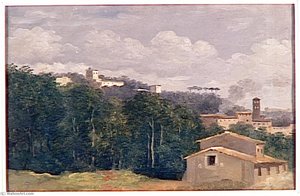
Pierre-Henri de Valenciennes' "A La Villa Farnese Le Moulin" isn’t merely a depiction of a picturesque Italian villa; it’s a carefully constructed meditation on light, space, and the fleeting beauty of nature. Painted around 1782-1784 during his time in Rome, this work embodies the burgeoning spirit of *plein air* painting – a revolutionary approach that prioritized direct observation and capturing the immediate effects of atmospheric conditions. The scene unfolds within a hazy, dreamlike landscape dominated by the imposing silhouette of Villa Farnese, perched dramatically atop a rolling hill overlooking a tranquil body of water. It’s a study in restraint, favoring subtle tonal shifts and suggestive brushstrokes over precise detail, reflecting Valenciennes' commitment to conveying an emotional response rather than a photographic representation.
The painting immediately draws the eye to the villa itself – a monumental structure rendered with a confident yet understated hand. Its rectangular form anchors the composition, while the surrounding landscape—a tapestry of muted greens, browns, and grays—creates a sense of depth and atmospheric perspective. Notice how Valenciennes employs loose, gestural brushstrokes to define the foliage, suggesting movement and vitality without resorting to meticulous rendering. The water’s surface is rendered with shimmering highlights, hinting at reflected light and adding a vital element of dynamism to the scene. The overall effect is one of serene contemplation, inviting the viewer to lose themselves in the tranquility of the Italian countryside.
A Pioneer of *Plein Air* – Valenciennes' Artistic Philosophy
Valenciennes’ work stands as a pivotal moment in art history. He was a key figure in advocating for painting directly from nature, a practice that challenged the established conventions of academic art. His treatise, “Reflections and Advice to a Student on Painting, Particularly on Landscape,” articulated his belief that capturing the *essence* of a scene—its light, color, and atmosphere—was paramount. This philosophy shifted the focus away from idealized representations and towards a more subjective and immediate engagement with the natural world. He wasn’t interested in creating a perfect copy; he sought to distill the feeling of being present within that specific landscape.
The painting's composition subtly reinforces this concept. Valenciennes deliberately avoids overly dramatic contrasts or elaborate details, instead opting for a harmonious balance between form and atmosphere. The villa, while substantial, is presented as part of a larger, interconnected system—a participant in the unfolding drama of light and shadow. This approach reflects Valenciennes’ broader artistic vision: to capture not just what he *saw*, but what he *felt* about what he saw.
Symbolism and Emotional Resonance
Beyond its technical merits, “A La Villa Farnese Le Moulin” resonates with a quiet sense of nostalgia and timeless beauty. The villa itself—a symbol of power, history, and perhaps even aristocratic privilege—stands in stark contrast to the surrounding natural world, suggesting a tension between human ambition and the enduring forces of nature. The hazy atmosphere evokes a feeling of distance and contemplation, inviting the viewer to reflect on the passage of time and the ephemeral nature of beauty.
Furthermore, the painting’s muted color palette contributes significantly to its emotional impact. The earth tones—greens, browns, and grays—create a sense of grounding and stability, while subtle variations in hue suggest the shifting qualities of light and shadow. The overall effect is one of understated elegance and profound serenity – a testament to Valenciennes' ability to capture the soul of a landscape with remarkable sensitivity.
Reproductions: Bringing Valenciennes’ Vision Home
Today, high-quality reproductions of “A La Villa Farnese Le Moulin” offer an accessible way to experience the beauty and artistry of this seminal work. Whether displayed in a grand salon or a cozy study, a faithful reproduction can evoke the same sense of tranquility and contemplation that characterized Valenciennes’ original painting. Consider commissioning a hand-painted replica – a unique piece of art that captures the spirit of this remarkable landscape while preserving its timeless appeal.
Ähnliche Kunstwerke
Über den Künstler
Frühes Leben und Ausbildung
Pierre-Henri de Valenciennes, ein bedeutender französischer Maler, wurde am 6. Dezember 1750 geboren. Während sein genauer Geburtsort in den verfügbaren Aufzeichnungen nicht explizit genannt wird, sind seine Beiträge zur Kunstwelt hervorragend dokumentiert. Über die frühen Jahre seiner Ausbildung und Erziehung ist wenig detailliert überliefert; fest steht jedoch, dass er zwischen 1778 und 1782 in Rom wirkte. In dieser Zeit schuf er zahlreiche Landschaftsstudien, die direkt in der Natur entstanden sind.Beiträge zur Freilichtmalerei
Valenciennes spielte eine entscheidende Rolle bei der Aufwertung des Status der En plein air-Malerei, also der Malerei unter freiem Himmel. Seine Erfahrungen in Rom führten zur Entwicklung seiner theoretischen Grundlagen, die er im Jahr 1800 in seiner Abhandlung „Reflexionen und Ratschläge für einen Studenten der Malerei, insbesondere der Landschaftsmalerei“ darlegte. Dieses Konzept führte die Idee des „Landschaftsporträts“ ein – eine Methode, bei der der Künstler eine Landschaft direkt beim Betrachten malt, um ihre ganz besonderen Details einzufangen. Dieser Ansatz ermöglichte es Valenciennes, die flüchtigen Veränderungen einer Landschaft, hervorgerufen durch Licht und Wetter, meisterhaft festzuhalten.Bemerkenswerte Schüler und Einfluss
Zu seinen bedeutendsten Schülern gehörten Jean-Victor Bertin, Achille Etna Michallon, Louis Étienne Watelet, Louis-François Lejeune sowie der erste französische Panoramamaler Pierre Prévost. Valenciennes' Einfluss auf diese Künstler und seine Pionierarbeit in der Entwicklung der Freilichtmalerei haben die Kunstwelt nachhaltig geprägt.Späteres Leben und Tod
Valenciennes verstarb am 16. Februar 1819 in Paris. Er fand seine letzte Ruhe auf dem Père-Lachaise-Friedhof, jenem berühmten Pariser Friedhof, der für seine hochkarätigen Persönlichkeiten bekannt ist.- Betrachten Sie die Kunstwerke von Pierre-Henri de Valenciennes auf ArtsDot.com
- Entdecken Sie das Musée des Beaux-Arts Valence, ein Museum mit europäischen Gemälden und Skulpturen, auf ArtsDot.com
- Erfahren Sie mehr über die französische Kunst und ihre Geschichte auf Wikipedia
Vermächtnis
Das Vermächtnis von Pierre-Henri de Valenciennes in der Kunstwelt ist unbestreitbar. Seine wegweisende Arbeit in der Freilichtmalerei hat Generationen von Künstlern inspiriert, und sein Einfluss ist bis heute spürbar. Durch seine theoretischen Schriften und die Ausbildung seiner Schüler hat De Valenciennes einen unauslöschlichen Eindruck in der Welt der Kunst hinterlassen.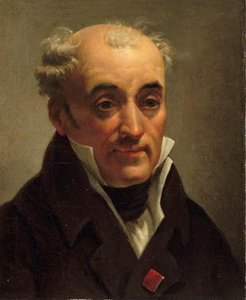
Pierre-Henri De Valenciennes
1750 - 1819 , Frankreich
Kurzinfos
- Artistic Movement Or Style: En plein air peinture
- Artists Or Movements Influenced By This Artist: ['Claude Lorrain']
- Artists Who Influenced This Artist:
- Jean Victor Bertin
- Achille Etna Michallon
- Date Of Birth: 6 Dezember 1750
- Date Of Death: 16 Februar 1819
- Full Name: Pierre Henri de Valenciennes
- Nationality: Französisch
- Notable Artworks:
- Village de Nemi
- A LA Villa Borghese Chemin borde d’arbres
- Place Of Birth: Toulouse, Frankreich
Ähnliche Artikel

Simon Vouet: Vom italienischen Barock zum französischen Klassizismus – Eine künstlerische Reise
Entdecken Sie das Leben und Werk von Simon Vouet, dem Pionier des italienischen Barock in Frankreich! Erfahren Sie mehr über seinen künstlerischen Werdegang, seine wichtigsten Gemälde und seinen nachhaltigen Einfluss auf die französische Malerei. Jetzt lesen!
Charles Le Brun: Master of French Baroque Classicism & His Enduring Legacy
Explore the life & art of Charles Le Brun, master of French Baroque Classicism. Discover his royal commissions, influence on Versailles, and enduring legacy through detailed analysis & stunning artworks.
Die 10 Meisterwerke des Neoklassizismus: Kunst für Ihr Zuhause |
Entdecken Sie die 10 Meisterwerke des Neoklassizismus! Von David bis Canova – erleben Sie Kunstgeschichte, elegante Ästhetik & zeitlose Schönheit. Hochwertige Reproduktionen auf .
The Enduring Legacy of Classicism: Principles, Evolution & Influence in Western Art
Explore the enduring legacy of Classicism in Western art! Discover its historical context, key principles, iconic masterpieces & lasting influence. Learn about Renaissance and Neoclassical movements with ArtsDot.
Echos der Azurküste: Strategien der Kunstauswahl für mediterrane Villeninterieure – Harmonisierung von Raum, Licht und Erbe
Expertenratgeber für die perfekte Kunstauswahl in mediterranen Villen! Harmonische Farbkonzepte, Lichtgestaltung & lokale Künstler – schaffen Sie ein Zuhause voller Seele. Jetzt lesen!

