 Vorschau anzeigen
 Versenden
 Teilen
 Details anzeigen

 Herunterladen
 Ähnliche Objekte
 Röntgenaufnahme
 Diashow
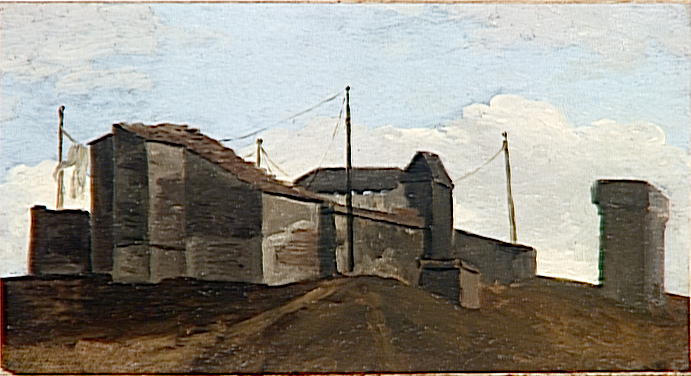
LOGGIA A ROME LE TOIT A L'OMBRE


 Weiterlesen
Giclée / Kunstdruck
Giclée- oder Leinwanddruck in Museumsqualität mit schneller Produktion und flexiblen Veredelungsoptionen. ( Handgemalte Reproduktion bestellen Bild kaufen)




P118B $10

P118H $10

P118W $10

P438Z $10

P508JH $12

P508YH $12

P805H $10

P805Z $10

P919BZ $10

P919G $10

P919XJ $10

P959ZH $10

P968JZ $12

W106C $8

W218G $10

W218JH $8

W218Y $10

W307PJ $10

W316G $10

W316PJ $8

W316Y $10

W398PJ $8

W4111J $10

W500HY $15

W500JH $15

W692G $12

W849H $8

W940BG $15

W953PJ $8




Wählen Sie aus unseren vordefinierten Formaten, die den ursprünglichen Proportionen des Kunstwerks entsprechen.

Sie können Ihre eigenen Maße eingeben, um ein bestimmtes Format oder einen speziellen Platz einzupassen. Wenn das von Ihnen gewählte Format nicht den Proportionen des Originalbildes entspricht, werden wir das Kunstwerk entweder beschneiden oder das Bild mit einem gespiegelten oder einfarbigen Rand erweitern. Ein digitaler Entwurf wird Ihnen zur Genehmigung zugesandt, bevor die Produktion beginnt.
Bitte beachten Sie, dass die Vorschau auf dem Bildschirm nicht den tatsächlichen Zuschnitt oder die Erweiterung widerspiegelt. Nur der Entwurf zeigt die endgültige Komposition präzise an.
Obwohl Sondermaße verfügbar sind, empfehlen wir die Auswahl eines Maßes aus der vordefinierten Liste, um die ursprünglichen Proportionen zu bewahren.
Weltweiter Versand () innerhalb von 2 Wochen statt der üblichen 4/5 Wochen. (26 August)

Kostenloser weltweiter Expressversand

Hochwertige Leinenleinwand

Umfassender Versicherungsschutz beim Versand

Zollgebühren-Rückerstattungsgarantie

Garantie für exakte Farbtreue

60 Tage Rückgaberecht (nur bei Mängeln)

100% Geld-zurück-Garantie

Mengenrabatt verfügbar
 Die Glasoption ist nur für Größen unter 110 cm verfügbar.

LOGGIA A ROME LE TOIT A L'OMBRE
Giclée / Kunstdruck
Format der Reproduktion
-


Gesamtpreis
$ 62
Sammlerstück-Beschreibung
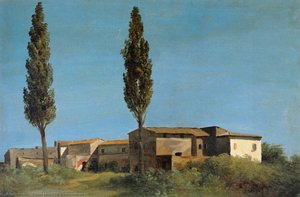
A Roman Reverie: The Loggia at Rome by Pierre-Henri de Valenciennes
The canvas before you presents not merely a landscape, but a carefully constructed mood – the “Loggia à Rome, le toit à l’ombre” by Pierre-Henri de Valenciennes. Painted in 1782, this work transcends a simple depiction of an architectural space; it's a distillation of atmosphere and light, embodying the burgeoning spirit of *plein air* painting that was revolutionizing artistic practice at the time. De Valenciennes, a pivotal figure in elevating landscape art to a new level of observation and immediacy, sought not just to represent a scene, but to capture its fleeting essence – the way sunlight filters through clouds, the subtle shifts in color as shadows lengthen.
The subject itself is deceptively simple: a Roman loggia, likely situated within one of the city’s grand villas. The architecture dominates the composition, rendered with a restrained elegance that speaks to the classical influences prevalent in 18th-century Italian art. However, it's not the precise detail of the buildings themselves that commands attention; rather, it is the interplay between form and light that truly captivates. De Valenciennes masterfully employs a muted color palette – predominantly shades of grey, brown, and pale blue – to evoke a sense of quiet contemplation. The colors are deliberately desaturated, lending the scene an air of timelessness and melancholy. This deliberate restraint allows the viewer’s eye to linger on the subtle nuances of light and shadow, creating a dynamic visual experience.
The Dawn of *Plein Air* – A Revolutionary Technique
De Valenciennes' work is inextricably linked to the development of *plein air* painting. Prior to his time, landscape artists often worked from studio sketches, meticulously recreating scenes indoors. De Valenciennes, however, championed the practice of directly observing and painting outdoors, capturing the immediate effects of nature’s light and atmosphere. This approach demanded a new level of responsiveness and skill, requiring artists to work quickly and decisively while the conditions were still fresh. His treatise, “Reflections and Advice to a Student on Painting, Particularly on Landscape,” outlined this philosophy, emphasizing the importance of direct observation and the fleeting beauty of natural light.
The loose brushstrokes evident in "Loggia à Rome" are a testament to this *plein air* approach. They’re not intended to create a polished or idealized image; instead, they convey a sense of immediacy and spontaneity. The artist seems to have worked directly onto the canvas, capturing the essence of the scene with rapid, confident gestures. This technique contributes significantly to the painting's atmospheric quality, lending it a vibrant, almost palpable energy.
Symbolism and Emotional Resonance
Beyond its technical merits, "Loggia à Rome" possesses a subtle yet powerful symbolic resonance. The overcast sky, heavy with clouds, evokes a sense of quiet introspection and perhaps even melancholy. The loggia itself, sheltered from the elements, suggests a refuge – a space for contemplation and escape. The scene feels isolated, removed from the bustle of urban life, inviting the viewer to step into its tranquil embrace.
De Valenciennes’ choice of subject matter—a Roman loggia—also carries significance. Rome, as the heart of antiquity, represented a connection to classical ideals and a reverence for the past. The painting, therefore, can be interpreted as a meditation on time, memory, and the enduring beauty of the natural world. It's a scene that speaks not just to the eye but also to the soul, inviting us to pause and appreciate the quiet poetry of a Roman afternoon.
A Legacy in Reproduction – Bringing Valenciennes to Your Space
ArtsDot.com is proud to offer high-quality reproductions of “Loggia à Rome, le toit à l’ombre,” allowing you to bring this evocative masterpiece into your home or office. The meticulous attention to detail and the faithful rendering of de Valenciennes' unique style ensure that these reproductions capture the essence of the original painting. Whether you are an art enthusiast, a collector, or simply seeking to add a touch of timeless elegance to your surroundings, this reproduction offers a beautiful and accessible way to experience the artistry of Pierre-Henri de Valenciennes.
Ähnliche Kunstwerke
Über den Künstler
Frühes Leben und Ausbildung
Pierre-Henri de Valenciennes, ein bedeutender französischer Maler, wurde am 6. Dezember 1750 geboren. Während sein genauer Geburtsort in den verfügbaren Aufzeichnungen nicht explizit genannt wird, sind seine Beiträge zur Kunstwelt hervorragend dokumentiert. Über die frühen Jahre seiner Ausbildung und Erziehung ist wenig detailliert überliefert; fest steht jedoch, dass er zwischen 1778 und 1782 in Rom wirkte. In dieser Zeit schuf er zahlreiche Landschaftsstudien, die direkt in der Natur entstanden sind.Beiträge zur Freilichtmalerei
Valenciennes spielte eine entscheidende Rolle bei der Aufwertung des Status der En plein air-Malerei, also der Malerei unter freiem Himmel. Seine Erfahrungen in Rom führten zur Entwicklung seiner theoretischen Grundlagen, die er im Jahr 1800 in seiner Abhandlung „Reflexionen und Ratschläge für einen Studenten der Malerei, insbesondere der Landschaftsmalerei“ darlegte. Dieses Konzept führte die Idee des „Landschaftsporträts“ ein – eine Methode, bei der der Künstler eine Landschaft direkt beim Betrachten malt, um ihre ganz besonderen Details einzufangen. Dieser Ansatz ermöglichte es Valenciennes, die flüchtigen Veränderungen einer Landschaft, hervorgerufen durch Licht und Wetter, meisterhaft festzuhalten.Bemerkenswerte Schüler und Einfluss
Zu seinen bedeutendsten Schülern gehörten Jean-Victor Bertin, Achille Etna Michallon, Louis Étienne Watelet, Louis-François Lejeune sowie der erste französische Panoramamaler Pierre Prévost. Valenciennes' Einfluss auf diese Künstler und seine Pionierarbeit in der Entwicklung der Freilichtmalerei haben die Kunstwelt nachhaltig geprägt.Späteres Leben und Tod
Valenciennes verstarb am 16. Februar 1819 in Paris. Er fand seine letzte Ruhe auf dem Père-Lachaise-Friedhof, jenem berühmten Pariser Friedhof, der für seine hochkarätigen Persönlichkeiten bekannt ist.- Betrachten Sie die Kunstwerke von Pierre-Henri de Valenciennes auf ArtsDot.com
- Entdecken Sie das Musée des Beaux-Arts Valence, ein Museum mit europäischen Gemälden und Skulpturen, auf ArtsDot.com
- Erfahren Sie mehr über die französische Kunst und ihre Geschichte auf Wikipedia
Vermächtnis
Das Vermächtnis von Pierre-Henri de Valenciennes in der Kunstwelt ist unbestreitbar. Seine wegweisende Arbeit in der Freilichtmalerei hat Generationen von Künstlern inspiriert, und sein Einfluss ist bis heute spürbar. Durch seine theoretischen Schriften und die Ausbildung seiner Schüler hat De Valenciennes einen unauslöschlichen Eindruck in der Welt der Kunst hinterlassen.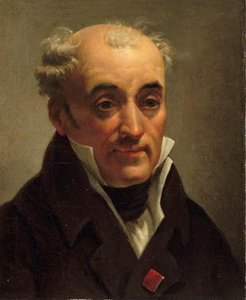
Pierre-Henri De Valenciennes
1750 - 1819 , Frankreich
Kurzinfos
- Artistic Movement Or Style: En plein air peinture
- Artists Or Movements Influenced By This Artist: ['Claude Lorrain']
- Artists Who Influenced This Artist:
- Jean Victor Bertin
- Achille Etna Michallon
- Date Of Birth: 6 Dezember 1750
- Date Of Death: 16 Februar 1819
- Full Name: Pierre Henri de Valenciennes
- Nationality: Französisch
- Notable Artworks:
- Village de Nemi
- A LA Villa Borghese Chemin borde d’arbres
- Place Of Birth: Toulouse, Frankreich
Ähnliche Artikel
Capturing Ephemeral Light: Plein Air Painting from Impressionism to Today
Explore the history of plein air painting, from its origins with the Barbizon school to Impressionism's revolution & contemporary practice. Discover techniques, artists like Monet & Renoir, and find museum-quality reproductions at ArtsDot.
The Allure of Open Airs: Exploring Representations of Outdoors in Art History
Explore the rich history of outdoor painting! From Romantic landscapes to Impressionism's revolution, discover key artists, techniques & the enduring legacy of capturing light and nature in art. Learn more at ArtsDot.

Capturing Ephemeral Light: A Comprehensive Exploration of Plein Air Painting's History & Enduring Legacy
Explore the rich history of plein air painting, from its origins to Impressionism & beyond. Discover key artists, techniques, and the enduring legacy of capturing light in landscape art. Find museum-quality reproductions at ArtsDot.
Alfred East: Pioneering Plein Air & Evoking Atmospheric Landscapes
Explore the life & work of Alfred East, a pioneer of British plein air painting. Discover his techniques for capturing atmospheric landscapes, Barbizon influences, and lasting legacy. Learn more at ArtsDot.

Capturing Ephemeral Light: A Comprehensive Exploration of Plein Air Painting's History & Enduring Legacy
Explore the rich history of plein air painting, from its origins with Constable & Corot to Impressionism's revolution. Discover techniques, key artists, and the enduring legacy of capturing light outdoors. Learn more at ArtsDot.