 Vorschau anzeigen
 Versenden
 Teilen
 Details anzeigen

 Herunterladen
 Ähnliche Objekte
 Röntgenaufnahme
 Diashow
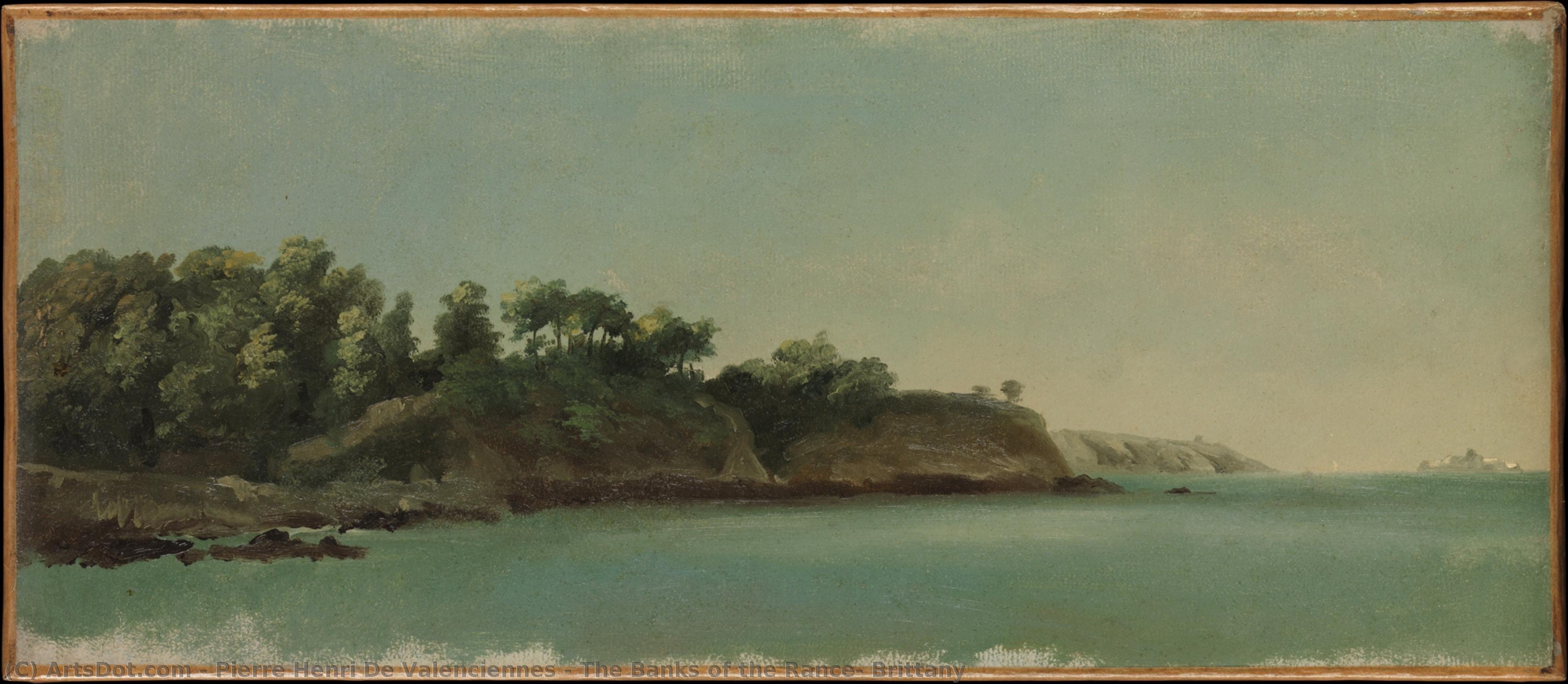
The Banks of the Rance, Brittany
 Oil On Paper
- WallArt
- En plein air painting
 1785
1785 21.0 x 49.0 cm
 Metropolitan Museum of Art
 Weiterlesen
Giclée / Kunstdruck
Giclée- oder Leinwanddruck in Museumsqualität mit schneller Produktion und flexiblen Veredelungsoptionen. ( Handgemalte Reproduktion bestellen Bild kaufen)




P118B $10

P118H $10

P118W $10

P438Z $10

P508JH $12

P508YH $12

P805H $10

P805Z $10

P919BZ $10

P919G $10

P919XJ $10

P959ZH $10

P968JZ $12

W106C $8

W218G $10

W218JH $8

W218Y $10

W307PJ $10

W316G $10

W316PJ $8

W316Y $10

W398PJ $8

W4111J $10

W500HY $15

W500JH $15

W692G $12

W849H $8

W940BG $15

W953PJ $8




Wählen Sie aus unseren vordefinierten Formaten, die den ursprünglichen Proportionen des Kunstwerks entsprechen.

Sie können Ihre eigenen Maße eingeben, um ein bestimmtes Format oder einen speziellen Platz einzupassen. Wenn das von Ihnen gewählte Format nicht den Proportionen des Originalbildes entspricht, werden wir das Kunstwerk entweder beschneiden oder das Bild mit einem gespiegelten oder einfarbigen Rand erweitern. Ein digitaler Entwurf wird Ihnen zur Genehmigung zugesandt, bevor die Produktion beginnt.
Bitte beachten Sie, dass die Vorschau auf dem Bildschirm nicht den tatsächlichen Zuschnitt oder die Erweiterung widerspiegelt. Nur der Entwurf zeigt die endgültige Komposition präzise an.
Obwohl Sondermaße verfügbar sind, empfehlen wir die Auswahl eines Maßes aus der vordefinierten Liste, um die ursprünglichen Proportionen zu bewahren.
Weltweiter Versand () innerhalb von 2 Wochen statt der üblichen 4/5 Wochen. (2 September)

Kostenloser weltweiter Expressversand

Hochwertige Leinenleinwand

Umfassender Versicherungsschutz beim Versand

Zollgebühren-Rückerstattungsgarantie

Garantie für exakte Farbtreue

60 Tage Rückgaberecht (nur bei Mängeln)

100% Geld-zurück-Garantie

Mengenrabatt verfügbar
 Die Glasoption ist nur für Größen unter 110 cm verfügbar.

The Banks of the Rance, Brittany
Giclée / Kunstdruck
Format der Reproduktion
-


Gesamtpreis
$ 62
A Glimpse of Brittany’s Soul: Valenciennes' "The Banks of the Rance"
Pierre-Henri de Valenciennes’s “The Banks of the Rance, Brittany” isn’t merely a depiction of a coastal scene; it’s a carefully constructed meditation on light, atmosphere, and the fleeting beauty of nature. Painted in 1785 during a pivotal moment in artistic history – the burgeoning movement towards *en plein air* painting – this work represents a conscious shift away from the studio's controlled environment and toward direct observation of the natural world. Valenciennes, a key figure in establishing this new approach, sought to capture not just the visual appearance of a landscape but also its very essence, imbuing it with a sense of immediacy and emotional resonance.
The painting immediately draws the eye to the Rance River’s mouth, where it spills into the Atlantic. The composition is remarkably balanced, utilizing diagonal lines created by the river's flow and the shoreline to guide the viewer’s gaze. A small cluster of boats – likely fishing vessels – adds a touch of human activity to this otherwise serene vista, grounding the scene while simultaneously emphasizing the power and indifference of nature. Valenciennes masterfully employs atmospheric perspective; distant trees are rendered in softer hues and less detail, creating a convincing illusion of depth and distance. The artist’s brushwork is loose and expressive, particularly noticeable in the depiction of the water – a swirling dance of blues, greens, and greys that captures its movement with remarkable fluidity.
The Dawn of *En Plein Air*
Valenciennes' work stands as a crucial document in the development of *en plein air* painting. Prior to this period, landscape artists largely relied on studio paintings based on memory or sketches, often struggling to accurately represent the subtleties of light and color. Valenciennes’s decision to paint directly outdoors – a radical departure from convention – was driven by his belief that true artistic representation required an intimate connection with nature. He meticulously documented his observations in numerous preparatory sketches, using them as a foundation for his finished paintings. This approach wasn't simply about replicating what he saw; it was about understanding the underlying principles of light, color, and composition, translating these insights onto canvas.
His treatise, *Reflections and Advice to a Student on Painting, Particularly on Landscape*, articulated this philosophy, advocating for artists to “look upon” the landscape rather than merely “see” it. This emphasis on direct observation profoundly influenced subsequent generations of painters, including Jean-Victor Bertin and Louis-François Lejeune, who were among Valenciennes’s students. The painting's significance extends beyond its artistic merit; it represents a fundamental shift in the role of the artist – from passive recorder to active interpreter of the natural world.
Symbolism and Emotional Resonance
Beyond its technical brilliance, “The Banks of the Rance” is rich in symbolic meaning. The river itself can be interpreted as a symbol of life’s flow, constantly moving and changing. The rugged coastline evokes a sense of timelessness and resilience, while the interplay of light and shadow suggests both beauty and melancholy. The presence of the boats hints at humanity's relationship with nature – a tentative attempt to harness its resources without fully understanding its power.
Valenciennes’s choice to depict this specific location in Brittany—a region steeped in Celtic history and folklore—further enriches the painting’s symbolic potential. The Rance River, with its dramatic cliffs and turbulent waters, embodies the wildness and untamed spirit of the landscape. The painting invites us to contemplate our place within this vast and ancient world, fostering a sense of awe and wonder at the beauty and complexity of nature.
A Timeless Masterpiece
“The Banks of the Rance, Brittany” is more than just a beautiful painting; it’s a testament to Valenciennes' pioneering spirit and his profound understanding of art. Reproductions capture much of the original's atmosphere, offering a window into a pivotal moment in artistic history. Its evocative depiction of light, color, and landscape continues to resonate with viewers today, reminding us of the enduring power of nature to inspire and uplift.
Ähnliche Kunstwerke

Über den Künstler
Frühes Leben und Ausbildung
Pierre-Henri de Valenciennes, ein bedeutender französischer Maler, wurde am 6. Dezember 1750 geboren. Während sein genauer Geburtsort in den verfügbaren Aufzeichnungen nicht explizit genannt wird, sind seine Beiträge zur Kunstwelt hervorragend dokumentiert. Über die frühen Jahre seiner Ausbildung und Erziehung ist wenig detailliert überliefert; fest steht jedoch, dass er zwischen 1778 und 1782 in Rom wirkte. In dieser Zeit schuf er zahlreiche Landschaftsstudien, die direkt in der Natur entstanden sind.Beiträge zur Freilichtmalerei
Valenciennes spielte eine entscheidende Rolle bei der Aufwertung des Status der En plein air-Malerei, also der Malerei unter freiem Himmel. Seine Erfahrungen in Rom führten zur Entwicklung seiner theoretischen Grundlagen, die er im Jahr 1800 in seiner Abhandlung „Reflexionen und Ratschläge für einen Studenten der Malerei, insbesondere der Landschaftsmalerei“ darlegte. Dieses Konzept führte die Idee des „Landschaftsporträts“ ein – eine Methode, bei der der Künstler eine Landschaft direkt beim Betrachten malt, um ihre ganz besonderen Details einzufangen. Dieser Ansatz ermöglichte es Valenciennes, die flüchtigen Veränderungen einer Landschaft, hervorgerufen durch Licht und Wetter, meisterhaft festzuhalten.Bemerkenswerte Schüler und Einfluss
Zu seinen bedeutendsten Schülern gehörten Jean-Victor Bertin, Achille Etna Michallon, Louis Étienne Watelet, Louis-François Lejeune sowie der erste französische Panoramamaler Pierre Prévost. Valenciennes' Einfluss auf diese Künstler und seine Pionierarbeit in der Entwicklung der Freilichtmalerei haben die Kunstwelt nachhaltig geprägt.Späteres Leben und Tod
Valenciennes verstarb am 16. Februar 1819 in Paris. Er fand seine letzte Ruhe auf dem Père-Lachaise-Friedhof, jenem berühmten Pariser Friedhof, der für seine hochkarätigen Persönlichkeiten bekannt ist.- Betrachten Sie die Kunstwerke von Pierre-Henri de Valenciennes auf ArtsDot.com
- Entdecken Sie das Musée des Beaux-Arts Valence, ein Museum mit europäischen Gemälden und Skulpturen, auf ArtsDot.com
- Erfahren Sie mehr über die französische Kunst und ihre Geschichte auf Wikipedia
Vermächtnis
Das Vermächtnis von Pierre-Henri de Valenciennes in der Kunstwelt ist unbestreitbar. Seine wegweisende Arbeit in der Freilichtmalerei hat Generationen von Künstlern inspiriert, und sein Einfluss ist bis heute spürbar. Durch seine theoretischen Schriften und die Ausbildung seiner Schüler hat De Valenciennes einen unauslöschlichen Eindruck in der Welt der Kunst hinterlassen.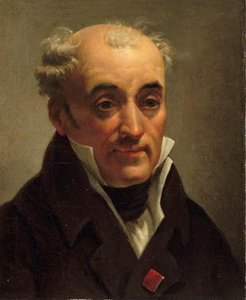
Pierre-Henri De Valenciennes
1750 - 1819 , Frankreich
Kurzinfos
- Artistic Movement Or Style: En plein air peinture
- Artists Or Movements Influenced By This Artist: ['Claude Lorrain']
- Artists Who Influenced This Artist:
- Jean Victor Bertin
- Achille Etna Michallon
- Date Of Birth: 6 Dezember 1750
- Date Of Death: 16 Februar 1819
- Full Name: Pierre Henri de Valenciennes
- Nationality: Französisch
- Notable Artworks:
- Village de Nemi
- A LA Villa Borghese Chemin borde d’arbres
- Place Of Birth: Toulouse, Frankreich
Ähnliche Artikel
Capturing Ephemeral Light: Plein Air Painting from Impressionism to Today
Explore the history of plein air painting, from its origins with the Barbizon school to Impressionism's revolution & contemporary practice. Discover techniques, artists like Monet & Renoir, and find museum-quality reproductions at ArtsDot.
The Allure of Open Airs: Exploring Representations of Outdoors in Art History
Explore the rich history of outdoor painting! From Romantic landscapes to Impressionism's revolution, discover key artists, techniques & the enduring legacy of capturing light and nature in art. Learn more at ArtsDot.
Capturing Ephemeral Light: A Comprehensive Exploration of Plein Air Painting's History & Enduring Legacy
Explore the rich history of plein air painting, from its origins to Impressionism & beyond. Discover key artists, techniques, and the enduring legacy of capturing light in landscape art. Find museum-quality reproductions at ArtsDot.
Alfred East: Pioneering Plein Air & Evoking Atmospheric Landscapes
Explore the life & work of Alfred East, a pioneer of British plein air painting. Discover his techniques for capturing atmospheric landscapes, Barbizon influences, and lasting legacy. Learn more at ArtsDot.
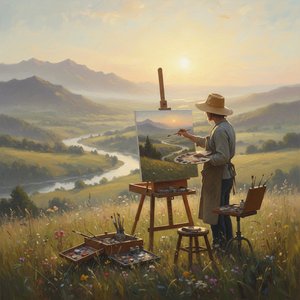
Capturing Ephemeral Light: A Comprehensive Exploration of Plein Air Painting's History & Enduring Legacy
Explore the rich history of plein air painting, from its origins with Constable & Corot to Impressionism's revolution. Discover techniques, key artists, and the enduring legacy of capturing light outdoors. Learn more at ArtsDot.