

 Vorschau anzeigen
 Versenden
 Teilen
 Details anzeigen

 Herunterladen
 Ähnliche Objekte
 Röntgenaufnahme
 Diashow
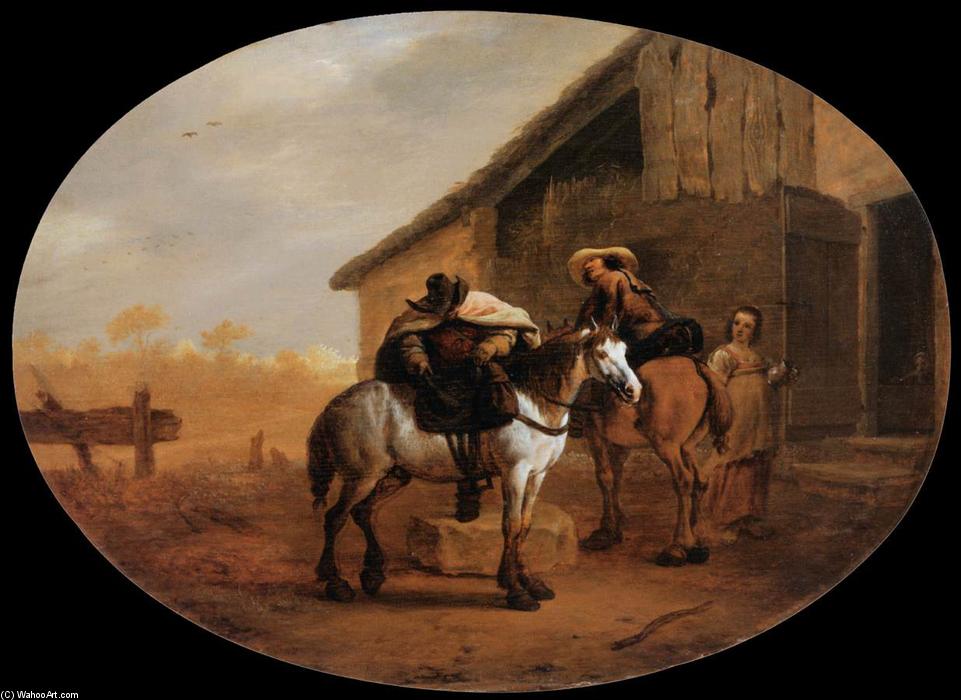
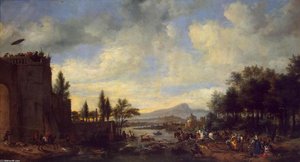
Departure from the Inn
 Oil On Canvas
- WallArt
- Baroque
 1639
1639 32.0 x 43.0 cm
 Louvre
 Weiterlesen
Handgefertigte Ölreproduktion
Handgemaltes Ölgemälde auf Leinwand in Ihrer Wunschgröße und mit Rahmen, auf Bestellung von unseren Künstlern angefertigt. ( Druck bestellen Bild kaufen)




P118B S$10

P118H S$10

P118W S$10

P438Z S$10

P508JH S$12

P508YH S$12

P805H S$10

P805Z S$10

P919BZ S$10

P919G S$10

P919XJ S$10

P959ZH S$10

P968JZ S$12

W106C S$8

W218G S$10

W218JH S$8

W218Y S$10

W307PJ S$10

W316G S$10

W316PJ S$8

W316Y S$10

W398PJ S$8

W4111J S$10

W500HY S$15

W500JH S$15

W692G S$12

W849H S$8

W940BG S$15

W953PJ S$8




Wählen Sie aus unseren vordefinierten Formaten, die den ursprünglichen Proportionen des Kunstwerks entsprechen.

Sie können Ihre eigenen Maße eingeben, um einen bestimmten Rahmen oder Platz auszufüllen. Wenn die gewählte Größe nicht den Proportionen des Originalbildes entspricht, werden wir das Kunstwerk entweder beschneiden oder das Gemälde durch zusätzliche, handgemalte Elemente erweitern. Ein digitales Mockup wird Ihnen zur Genehmigung zugesandt, bevor die Produktion beginnt.
Bitte beachten Sie, dass die Bildschirmvorschau nicht die tatsächliche Beschneidung oder Erweiterung widerspiegelt. Nur das Mockup zeigt die endgültige Komposition exakt an.
Obwohl Sondermaße verfügbar sind, empfehlen wir, eine Größe aus der vordefinierten Liste zu wählen, um die ursprünglichen Proportionen beizubehalten.
Nach der Bestellung wird das ArtsDot.com-Team dem Kunden Anweisungen per E-Mail zusenden und eine Mockup-Vorschau bereitstellen.
Weltweiter Versand () in nur 3 bis 4 Wochen statt der üblichen 5 Wochen. (24 August). Keine Kompromisse bei der Qualität.

Kostenloser weltweiter Expressversand

Hochwertige Leinenleinwand

Umfassender Versicherungsschutz beim Versand

Zollgebühren-Rückerstattungsgarantie

Garantie für exakte Farbtreue

60 Tage Rückgaberecht (nur bei Mängeln)

100% Geld-zurück-Garantie

Mengenrabatt verfügbar
 Die Glasoption ist nur für Größen unter 110 cm verfügbar.

Departure from the Inn
Art der Reproduktion
Format der Reproduktion
-


Gesamtpreis
S$ 339
Beschreibung des Kunstwerks
Departure from the Inn: A Baroque Window into Dutch Life
Pieter Boddingh van Laer’s “Departure from the Inn,” painted in 1639, is more than just a depiction of a roadside scene; it's a vibrant snapshot of 17th-century Dutch society, imbued with the drama and psychological depth characteristic of the Baroque period. Housed within the hallowed halls of the Musée du Louvre in Paris, this oil on canvas offers a captivating glimpse into a world of travelers, merchants, and the quiet observation of daily life – a world rendered with remarkable skill and emotional resonance.
The painting immediately draws the eye to the central figures: two mounted riders traversing a rustic landscape. One, leading the way in a white horse, exudes confidence and purpose, while his companion, perched on a brown steed, appears slightly more hesitant, perhaps contemplating the journey ahead. To their right, a woman stands poised by what is clearly an inn entrance – a focal point of activity and anticipation. Her posture suggests she’s not merely observing; she's actively engaged in the scene, her gaze hinting at a story yet untold. The building itself, constructed from weathered wood and topped with a thatched roof, speaks to a simpler, more agrarian existence, providing a grounding contrast to the figures’ attire and demeanor.
A Masterclass in Baroque Technique
Van Laer's mastery lies not only in his ability to capture a scene but also in his command of light and shadow – hallmarks of the Baroque style. Notice how the artist employs *chiaroscuro*, dramatically contrasting areas of bright illumination with deep, enveloping darkness. This technique isn’t merely aesthetic; it serves to heighten the emotional impact of the painting, drawing attention to key figures and creating a sense of depth and atmosphere. The muted earth tones – browns, ochres, and greys – dominate the palette, lending an air of realism and grounding the scene in the tangible world. The brushstrokes are visible yet controlled, contributing to the texture and richness of the canvas.
Furthermore, the artist’s attention to detail is remarkable. The folds of the riders' clothing, the texture of the horse’s coats, and even the subtle expressions on their faces all contribute to a sense of immediacy and authenticity. This meticulous approach reflects Van Laer’s commitment to portraying not just appearances but also the inner lives of his subjects.
Historical Context and Artistic Influences
"Departure from the Inn" emerged during a period of significant artistic innovation in the Netherlands, as artists began to move away from the rigid conventions of Mannerism and embrace a more naturalistic style. Van Laer’s work is deeply rooted in the Dutch Golden Age, a time of unprecedented prosperity and cultural flourishing. He was influenced by the realism of Frans Hals, particularly his ability to capture psychological depth in portraits, but also by the burgeoning interest in Roman landscapes and genre scenes that were gaining popularity at the time.
Notably, Van Laer’s work aligns with the “Bamboccianti” style – a movement he pioneered. These paintings depicted everyday life, often featuring peasants, travelers, or musicians, offering a glimpse into the lives of ordinary people. The term "Bamboccio" itself referred to an awkward, slightly comical figure, reflecting the artists’ fascination with portraying humanity in all its imperfect glory.
Symbolism and Emotional Resonance
Beyond its technical brilliance, “Departure from the Inn” is rich in symbolic meaning. The journey depicted represents not just a physical movement but also a metaphorical one – a transition, an adventure, or perhaps even a farewell. The woman by the inn entrance could symbolize hospitality, anticipation, or simply the quiet observation of human drama. The painting’s overall mood is one of understated elegance and contemplative reflection, inviting viewers to pause and consider the complexities of life and the beauty of everyday moments.
Reproductions of this masterpiece offer a unique opportunity to bring this evocative scene into your home or office. ArtsDot meticulously recreates Van Laer’s techniques and color palette, ensuring that you own a faithful representation of this iconic work of art – a window into the vibrant world of 17th-century Dutch life.
Ähnliche Kunstwerke






Über den Künstler
Pieter van Laer: Die Brücke zwischen niederländischem Realismus und italienischem Empfinden
Pieter van Laer (ca. 1599 – 1642) gilt als eine Schlüsselfigur in der aufstrebenden Barocklandschaft der Niederlande, doch sein künstlerisches Erbe reicht weit über die nationalen Grenzen hinaus. Dies verdankt er seiner Pionierrolle bei der Etablierung des Bamboccianti-Stils – einer Bewegung, die die italienische Kunst tiefgreifend beeinflusste und das Publikum durch ihre Darstellung des alltäglichen Lebens in seinen Bann zog. Geboren in Haarlem, fielen Van Laers prägende Jahre in eine Ära intensiver künstlerischer Experimentierfreude, befeuert durch die humanistischen Ideale, die ganz Europa durchströmten und die Dynamik jener Epoche widerspiegelten. Während biografische Details schwer fassbar bleiben – Aufzeichnungen deuten darauf hin, dass er 1628 Anna Maria van Berckenhorst heiratete –, spricht sein schier unerschöpfliches Werk Bände über seine Hingabe, die Komplexität der menschlichen Erfahrung einzufangen.- Frühe Einflüsse: Van Laers künstlerische Reise begann unter der Ägide von Frans Hals, einem Meister der Porträtmalerei, dessen akribischer Realismus und psychologisches Gespür zweifellos seinen eigenen malerischen Ansatz prägten.
- Der Bamboccianti-Stil: In der Erkenntnis über die Grenzen der traditionellen akademischen Kunst setzte sich Van Laer für einen revolutionären Stil ein – die Bamboccianti. Dieser zeichnete sich durch lebendige Farbpaletten, dynamische Kompositionen und eine unerschrockene Darstellung rustikaler Szenen aus, in denen Bauern bei lebhaften Tätigkeiten gezeigt wurden. Diese stilistische Innovation schöpfte Inspiration aus italienischen Künstlern wie Caravaggio und Guido Reni, die gleichermaßen den dramatischen Realismus über die idealisierte Schönheit stellten.
- Bedeutende Werke: Zu seinen am meisten gefeierten Stücken gehört „Bentvueghels in einer römischen Taverne“, ein fesselndes Tableau, das eine Versammlung niederländischer Künstler festhält, die ihre Erlebnisse in Rom während der Barockzeit dokumentieren. Dieses Kunstwerk illustriert brillant Van Laers Faszination für künstlerische Innovation und kulturellen Austausch zugleich.
- Vermächtnis & Bedeutung: Pieter van Laers Beitrag zur Kunstgeschichte ist unbestreitbar. Er festigte den Bamboccianti-Stil als Eckpfeiler der italienischen Barockmalerei, beeinflusste Generationen von Künstlern und etablierte einen neuen ästhetischen Standard – einen, der den Realismus neben einer expressiven Dynamik priorisierte. Seine Gemälde finden auch heute noch Resonanz bei den Betrachtern und erinnern uns an die beständige Kraft der Kunst, das menschliche Erleben zu erhellen.
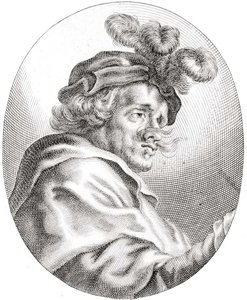
Pieter Van Laer
1599 - 1642 , Niederlande
Kurzinfos
- Artistic Movement Or Style: Bamboccianti
- Artists Who Influenced This Artist:
- Rembrandt van Rijn
- Jan Steen
- Date Of Birth: 1599
- Date Of Death: ca. 1642
- Full Name: Pieter Boddingh van Laer
- Nationality: Niederländisch
- Notable Artworks:
- Aufbruch aus der Schenke
- Die Hirten
- Bentvueghels in einer römischen Taverne
- Place Of Birth: Amsterdam, Niederlande
Ähnliche Artikel

Rembrandts Meisterwerke: Die Top 25 Kunstwerke für Ihr Zuhause | ArtsDot
Entdecken Sie Rembrandts 25 berühmteste Kunstwerke! Tauchen Sie ein in die Welt des Barock, Licht und Schatten & historischer Porträts. Hochwertige Reproduktionen für Ihr Zuhause – jetzt auf ArtsDot.com!
Sir Anthony van Dyck: Hofmalerei und die Formung barocker Identität
Entdecken Sie das Werk von Sir Anthony van Dyck – Hofmaler Karls I. und Meister der Porträtkunst. Erfahren Sie mehr über seine Einflüsse, Techniken und den Wert seiner Gemälde für Sammler.

Barock Meisterwerke: Die 10 prägendsten Kunstwerke für Ihr Zuhause |
Entdecken Sie die 10 prägendsten Meisterwerke des Barock! Caravaggio, Rembrandt & Co. – Erfahren Sie die Geschichten hinter ikonischen Gemälde und finden Sie hochwertige Kunst Reproduktionen für Ihr Zuhause auf .

Die 10 Meisterwerke der niederländischen Barockmalerei – Kunst für Ihr Zuhause | ArtsDot
Entdecken Sie die 10 prägendsten Meisterwerke der niederländischen Barockmalerei! Von Rembrandt bis Vermeer – erleben Sie Kunstgeschichte, Techniken & Emotionen. Hochwertige Reproduktionen für Ihr Zuhause auf ArtsDot.com.
Frühniederländische Meisterwerke: 10 Gemälde, die eine Epoche prägten | ArtsDot
Entdecken Sie die 10 prägendsten Meisterwerke der Frühniederländischen Malerei! Von Jan van Eyck bis Rogier van der Weyden – erleben Sie Kunstgeschichte hautnah. Hochwertige Reproduktionen & Inspiration für Ihr Interieur auf ArtsDot.com.

