 Vorschau anzeigen
 Versenden
 Teilen
 Details anzeigen

 Herunterladen
 Ähnliche Objekte
 Röntgenaufnahme
 Diashow
The Death of the Virgin
 Oil
Oil- WallArt
- Northern Renaissance
 1564
1564 36.0 x 55.0 cm
 Weiterlesen
Handgefertigte Ölreproduktion
Handgemaltes Ölgemälde auf Leinwand in Ihrer Wunschgröße und mit Rahmen, auf Bestellung von unseren Künstlern angefertigt. ( Druck bestellen Bild kaufen)




P118B $10

P118H $10

P118W $10

P438Z $10

P508JH $12

P508YH $12

P805H $10

P805Z $10

P919BZ $10

P919G $10

P919XJ $10

P959ZH $10

P968JZ $12

W106C $8

W218G $10

W218JH $8

W218Y $10

W307PJ $10

W316G $10

W316PJ $8

W316Y $10

W398PJ $8

W4111J $10

W500HY $15

W500JH $15

W692G $12

W849H $8

W940BG $15

W953PJ $8




Wählen Sie aus unseren vordefinierten Formaten, die den ursprünglichen Proportionen des Kunstwerks entsprechen.

Sie können Ihre eigenen Maße eingeben, um einen bestimmten Rahmen oder Platz auszufüllen. Wenn die gewählte Größe nicht den Proportionen des Originalbildes entspricht, werden wir das Kunstwerk entweder beschneiden oder das Gemälde durch zusätzliche, handgemalte Elemente erweitern. Ein digitales Mockup wird Ihnen zur Genehmigung zugesandt, bevor die Produktion beginnt.
Bitte beachten Sie, dass die Bildschirmvorschau nicht die tatsächliche Beschneidung oder Erweiterung widerspiegelt. Nur das Mockup zeigt die endgültige Komposition exakt an.
Obwohl Sondermaße verfügbar sind, empfehlen wir, eine Größe aus der vordefinierten Liste zu wählen, um die ursprünglichen Proportionen beizubehalten.
Nach der Bestellung wird das ArtsDot.com-Team dem Kunden Anweisungen per E-Mail zusenden und eine Mockup-Vorschau bereitstellen.
Weltweiter Versand () in nur 3 bis 4 Wochen statt der üblichen 5 Wochen. (29 August). Keine Kompromisse bei der Qualität.

Kostenloser weltweiter Expressversand

Hochwertige Leinenleinwand

Umfassender Versicherungsschutz beim Versand

Zollgebühren-Rückerstattungsgarantie

Garantie für exakte Farbtreue

60 Tage Rückgaberecht (nur bei Mängeln)

100% Geld-zurück-Garantie

Mengenrabatt verfügbar
 Die Glasoption ist nur für Größen unter 110 cm verfügbar.

The Death of the Virgin
Art der Reproduktion
Format der Reproduktion
-


Gesamtpreis
$ 263
The Death of the Virgin: A Study in Grief and Divine Presence
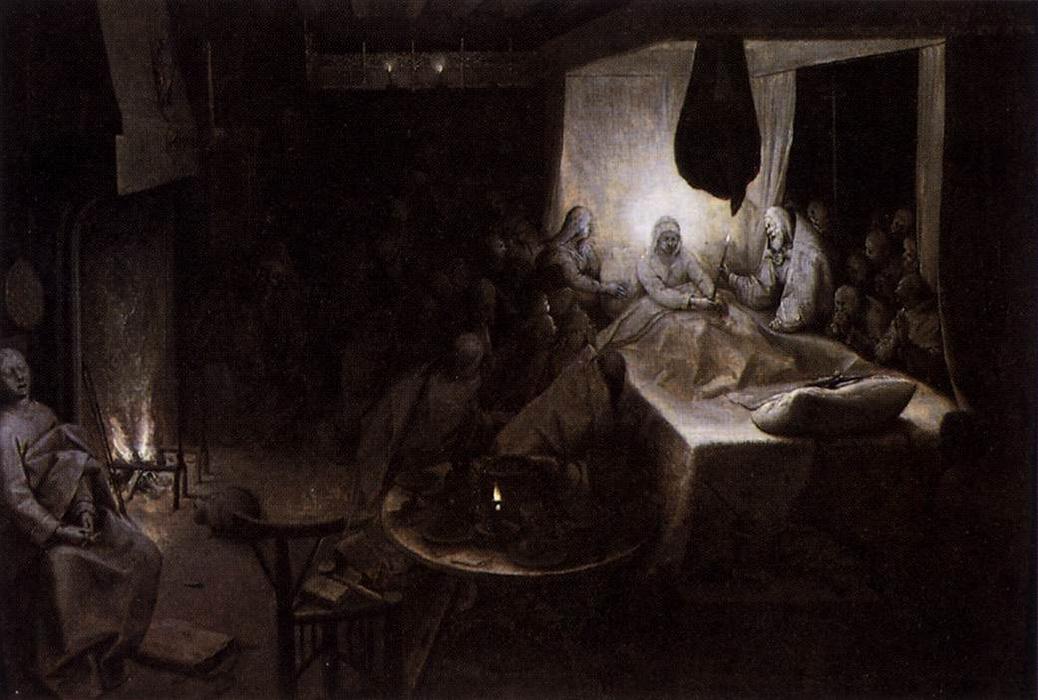
Pieter Bruegel the Elder’s “The Death of the Virgin,” painted in 1564, is not merely a depiction of mortality; it's a profound meditation on loss, faith, and the complex interplay between earthly sorrow and spiritual solace. This grisaille panel, now residing within the hallowed halls of Upton House in Warwickshire, offers a rare glimpse into the artist’s masterful ability to capture both the stark reality of death and the enduring power of religious belief. Bruegel, a pivotal figure bridging the Renaissance and Northern European artistic traditions, doesn't shy away from the unsettling details of the scene – the pallid flesh, the slumped posture, the somber expressions – yet he elevates it through a carefully orchestrated composition and a subtle use of light that transcends mere realism. The painting’s genesis lies in the medieval legend surrounding Mary’s Dormition, her peaceful passing into heaven, a story Bruegel transforms with his characteristic blend of observation and symbolic depth.A Scene Rooted in Northern Renaissance Tradition
Bruegel's work stands as a compelling example of the burgeoning Northern European artistic style that was gaining momentum during this period. Moving away from the idealized forms and classical influences prevalent in Italian High Renaissance art, Bruegel embraced a more direct and earthy approach. He frequently depicted scenes from everyday life – peasant customs, market days, and rural activities – imbuing them with moral and social commentary. “The Death of the Virgin” is no exception; it’s a scene steeped in the realities of 16th-century Flemish society, yet elevated by Bruegel's artistic skill. The painting draws inspiration from earlier works, notably those of Martin Schongauer and Albrecht Dürer, particularly their depictions of the same subject matter. However, Bruegel departs from these predecessors through his dramatic use of light, his densely populated composition, and his willingness to confront the uncomfortable aspects of death with unflinching honesty. The influence of Pieter van der Heyden’s engravings, known for their meticulous reproductions of works by Bruegel and Bosch, is also evident in the painting's detailed rendering of figures and objects.Composition, Symbolism, and Emotional Resonance
The composition itself is a carefully constructed narrative. The scene unfolds within a dimly lit room, perhaps a church or a private chamber, creating an atmosphere of hushed reverence and profound grief. A central table serves as the focal point, upon which lies the body of the Virgin Mary. Surrounding her are a multitude of figures – apostles, mourners, and attendants – each rendered with remarkable detail and emotional intensity. The inclusion of so many individuals underscores the universality of loss and the communal nature of mourning. Noticeably absent is any overt display of religious ecstasy or divine intervention; Bruegel presents death as a profoundly human experience, marked by sorrow, contemplation, and a quiet acceptance of fate. The placement of the sleeping apostle on the left, dreaming of the gathering of saints, introduces an element of otherworldly anticipation, suggesting that even in death, Mary’s soul is embraced by the divine. The subtle use of light – emanating from a fireplace to the left – serves not only to illuminate the scene but also to draw the viewer's eye towards the central figure, emphasizing her vulnerability and dignity.Technique and Legacy
Bruegel’s masterful technique is evident in every brushstroke. The grisaille medium—executed entirely in monochrome—demands a heightened sensitivity to tonal values and spatial relationships. He skillfully employs chiaroscuro, the dramatic contrast between light and shadow, to sculpt the figures and create a sense of depth and volume. The panel's oak construction further contributes to the painting’s solemn atmosphere. “The Death of the Virgin” is considered one of Bruegel’s most significant works, showcasing his ability to seamlessly blend realism with symbolism and to evoke a powerful emotional response in the viewer. It remains a testament to his artistic genius and a poignant reminder of the enduring mysteries surrounding life, death, and faith. Reproductions of this evocative piece offer an opportunity to experience Bruegel’s profound vision within the comfort of one's own space, bringing a touch of Renaissance contemplation into the modern home.Ähnliche Kunstwerke
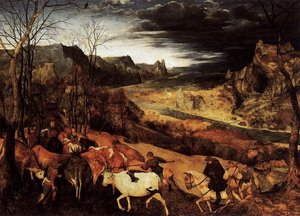
Über den Künstler
frühes Leben und Ausbildung
Pieter Bruegel der Ältere, eine zentrale Figur in der Renaissance-Malerei, wurde zwischen 1525 und 1530 in Breda, Belgien, geboren. Sein Meister, Pieter Coecke van Aelst, war ein Antwerper Maler, der Bruegels frühe künstlerische Entwicklung leitete. Nach seiner Ausbildung bei Coecke wurde Bruegel 1551 freier Meister in der Antwerpener Malergilde.Künstlerische Beiträge und Stil
Bruegels Werk ist bekannt für seine innovativen Themenwahl, die sich auf Landschaften und Bauernszenen konzentriert. Seine Gemälde, wie zum Beispiel Landschaft mit der Flucht nach Ägypten (37 x 55 cm, Courtauld Institute Galleries, London), zeigten seine Meisterschaft im Öl auf Holz. Bruegels Stil, der durch die Verwendung von Chiaroscuro gekennzeichnet ist, erzeugte ein Gefühl von Tiefe und Realismus und ließ seine Gemälde immersiv wirken.Bekannte Werke und Museen
* Landschaft der Alpen (Musée du Louvre, Paris), ein herausragendes Werk, das Bruegels Landschaftsfähigkeiten demonstriert. * Triptychon (Nordische Renaissance, Öl), ein bemerkenswertes Beispiel für Bruegels Verwendung von Öl auf Holz. * Die Königlichen Museen Schönen Künste in Brüssel beherbergen eine beeindruckende Sammlung von über 20.000 Kunstwerken, darunter Werke von Bruegel.Vermächtnis und Einfluss
Bruegels Einfluss auf die niederländische Goldene Ära der Malerei und spätere künstlerische Entwicklungen ist unbestreitbar. Sein Werk hat Künstler in den literarischen Künsten und im Kino inspiriert, wobei Referenzen zu seinen Gemälden in Filmen wie Solaris (1972) und Melancholia (2011) zu finden sind. Entdecken Sie mehr von Bruegels Werken auf ArtsDot.com: [https://ArtsDot.com/@/pieter-bruegel-the-elder](https://ArtsDot.com/@/pieter-bruegel-the-elder)- Entdecken Sie die Meisterwerke der Königlichen Museen Schönen Künste (Brüssel, Belgien): /de/art/show/art-d3cf2d-de/
- Erfahren Sie mehr über die frühe niederländische Malerei auf Wikipedia: [https://en.wikipedia.org/wiki/early_netherlandish_painting](https://en.wikipedia.org/wiki/early_netherlandish_painting)
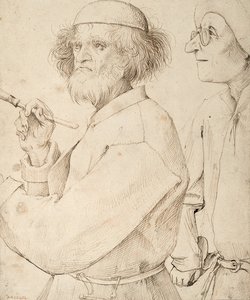
Pieter Bruegel der Ältere
1525 - 1569 , Belgien
Kurzinfos
- Beeinflusste Künstler:
- Isaac van Ostade
- Adriaen Brouwer
- Bemerkenswerte Werke:
- Landschaft mit Flucht nach Ägypten
- Alpenlandschaft
- Bauernhochzeit
- Triumph des Todes
- Jäger im Schnee
- Geburtsdatum: ca. 1525-1530
- Geburtsort: Brügge, Belgien
- Künstlerische Bewegung: Nordeuropäische Renaissance
- Künstlerische Einflüsse:
- Hieronymus Bosch
- Pieter Coecke van Aelst
- Nationalität: Belgisch
- Todatum: 1569
- Vollständiger Name: Pieter Bruegel der Ältere
Ähnliche Artikel
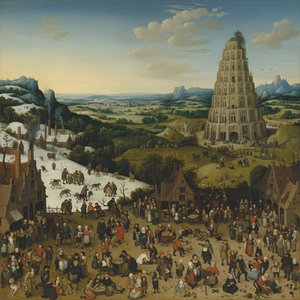
Pieter Bruegel der Ältere: Meister der Genremalerei und Gesellschaftskritik
Entdecken Sie das faszinierende Werk Pieter Bruegels des Älteren! Analysen zu seinen Genremalereien, Landschaftsdarstellungen und Gesellschaftskritik. Expertenwissen für Kunstliebhaber & Sammler.
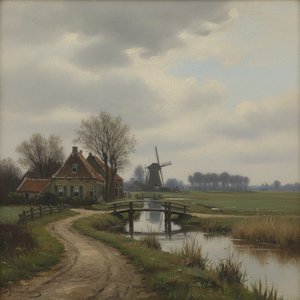
Jacob Henricus Maris: Meister des niederländischen Stimmungsrealismus und der intimen Landschaft
Entdecken Sie das Werk von Jacob Henricus Maris, einem Meister des niederländischen Stimmungsrealismus! Erfahren Sie mehr über seine Landschaftsmalerei, Einflüsse und berühmte Gemälde. Jetzt lesen & inspirieren lassen!
Meisterwerke Wiens: Die Top 25 Kunstschätze im Kunsthistorischen Museum | ArtsDot
Entdecken Sie die 25 bedeutendsten Kunstwerke im Kunsthistorischen Museum Wien! Von Raphael über Rembrandt bis Vermeer – erleben Sie Meisterwerke der Renaissance & Barockmalerei. Finden Sie hochwertige Reproduktionen und Inspiration für Ihr Zuhause auf ArtsDot.com.
Die 10 Meisterwerke der Nordischen Renaissance: Kunst für Ihr Zuhause |
Entdecken Sie die 10 prägendsten Meisterwerke der Nordischen Renaissance! Von Jan van Eyck bis Dürer – Kunstgeschichte, Techniken & Geschichten. Hochwertige Reproduktionen für Ihr Zuhause auf
Mary Vaux Walcott: Botanische Präzision und künstlerische Vision im amerikanischen Naturschutz
Entdecken Sie das faszinierende Leben und Werk von Mary Vaux Walcott – einer Pionierin der botanischen Illustration und des amerikanischen Naturschutzes. Erfahren Sie mehr über ihre präzisen Gemälde, wissenschaftlichen Beiträge und ihr Vermächtnis.