 Vorschau anzeigen
 Versenden
 Teilen
 Details anzeigen

 Herunterladen
 Ähnliche Objekte
 Röntgenaufnahme
 Diashow
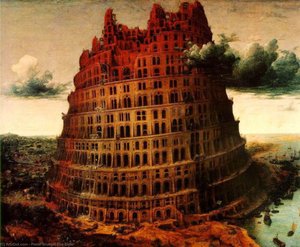
The ''Little'' Tower of Babel
 Acrylic
- WallArt
- Northern Renaissance
 1563
1563 60.0 x 74.0 cm
 Weiterlesen
Handgefertigte Ölreproduktion
Handgemaltes Ölgemälde auf Leinwand in Ihrer Wunschgröße und mit Rahmen, auf Bestellung von unseren Künstlern angefertigt. ( Druck bestellen Bild kaufen)




P118B $10

P118H $10

P118W $10

P438Z $10

P508JH $12

P508YH $12

P805H $10

P805Z $10

P919BZ $10

P919G $10

P919XJ $10

P959ZH $10

P968JZ $12

W106C $8

W218G $10

W218JH $8

W218Y $10

W307PJ $10

W316G $10

W316PJ $8

W316Y $10

W398PJ $8

W4111J $10

W500HY $15

W500JH $15

W692G $12

W849H $8

W940BG $15

W953PJ $8




Wählen Sie aus unseren vordefinierten Formaten, die den ursprünglichen Proportionen des Kunstwerks entsprechen.

Sie können Ihre eigenen Maße eingeben, um einen bestimmten Rahmen oder Platz auszufüllen. Wenn die gewählte Größe nicht den Proportionen des Originalbildes entspricht, werden wir das Kunstwerk entweder beschneiden oder das Gemälde durch zusätzliche, handgemalte Elemente erweitern. Ein digitales Mockup wird Ihnen zur Genehmigung zugesandt, bevor die Produktion beginnt.
Bitte beachten Sie, dass die Bildschirmvorschau nicht die tatsächliche Beschneidung oder Erweiterung widerspiegelt. Nur das Mockup zeigt die endgültige Komposition exakt an.
Obwohl Sondermaße verfügbar sind, empfehlen wir, eine Größe aus der vordefinierten Liste zu wählen, um die ursprünglichen Proportionen beizubehalten.
Nach der Bestellung wird das ArtsDot.com-Team dem Kunden Anweisungen per E-Mail zusenden und eine Mockup-Vorschau bereitstellen.
Weltweiter Versand () in nur 3 bis 4 Wochen statt der üblichen 5 Wochen. (27 August). Keine Kompromisse bei der Qualität.

Kostenloser weltweiter Expressversand

Hochwertige Leinenleinwand

Umfassender Versicherungsschutz beim Versand

Zollgebühren-Rückerstattungsgarantie

Garantie für exakte Farbtreue

60 Tage Rückgaberecht (nur bei Mängeln)

100% Geld-zurück-Garantie

Mengenrabatt verfügbar
 Die Glasoption ist nur für Größen unter 110 cm verfügbar.

The ''Little'' Tower of Babel
Art der Reproduktion
Format der Reproduktion
-


Gesamtpreis
$ 263
A Testament to Ambition and Divine Displeasure: Pieter Bruegel’s “The Little” Tower of Babel
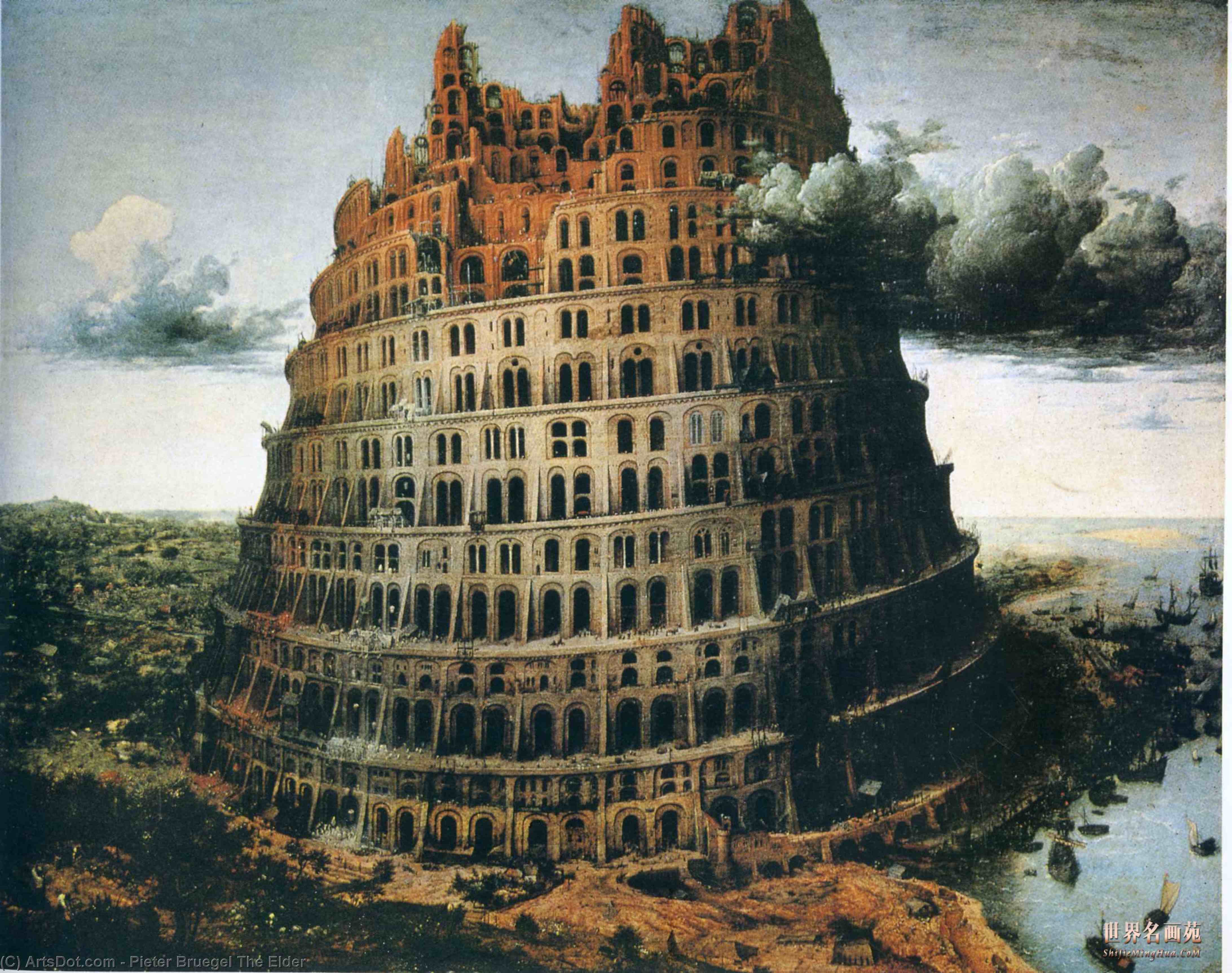
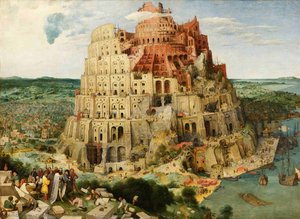
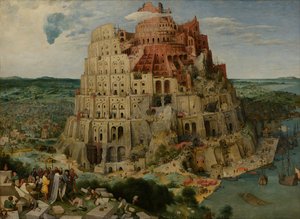
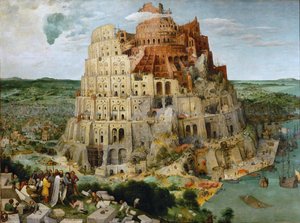
Pieter Bruegel the Elder's "The Little" Tower of Babel, completed in 1563, stands as a poignant emblem of humanity’s aspirations for dominion intertwined with the inescapable consequences of pride and disobedience. Painted during a turbulent era marked by religious reformation and burgeoning artistic innovation—specifically transitioning away from the idealized grandeur of Italian Renaissance art—this monumental canvas transcends mere depiction; it delivers a profound meditation on biblical narrative and its enduring relevance to human experience.- Subject Matter: The painting vividly portrays the biblical tale recounted in Genesis 11, where humanity attempts to construct a tower reaching heavenward as an audacious challenge to God’s authority. This ambitious endeavor is thwarted by divine intervention—specifically, God confuses their languages, fracturing their unity and scattering them across the globe.
- Style: Bruegel's signature style – characterized by meticulous detail and earthy realism – distinguishes itself from the polished elegance of his contemporaries. He eschews idealized figures and grand compositions in favor of a grounded perspective that captures the everyday struggles and complexities of rural life, subtly elevating the biblical narrative to a universal commentary on human folly.
Technique: Observation and Precision – Bruegel’s Mastery of Oil Painting
Bruegel's masterful application of oil paint is evident in every brushstroke. He employs a technique known as *sfumato*, blurring edges and creating atmospheric haze, lending an air of realism to the scene. This meticulous attention to detail extends beyond mere visual accuracy; it reflects Bruegel’s deep understanding of light and shadow—elements he skillfully manipulates to convey emotion and heighten the drama of the narrative. The artist meticulously renders textures – from the rough stone of the tower to the weathered faces of the builders – demonstrating an unparalleled dedication to capturing the materiality of his subject.Historical Context: Reformation’s Shadow Over Flemish Art
The painting's creation coincided with the fervor of the Protestant Reformation, which profoundly impacted artistic sensibilities across Europe. While Bruegel remained largely agnostic himself, he absorbed the humanist spirit championed by reformers—a focus on earthly concerns and a rejection of scholastic dogma—influencing his portrayal of human behavior. The depiction of Babel isn’t simply a retelling of scripture; it's a reflection of anxieties surrounding papal authority and the fracturing social order that characterized the period.Symbolism: Layers of Meaning Beyond Literal Representation
Beyond its narrative core, “The Little” Tower of Babel is laden with symbolic significance. The tower itself represents humanity’s hubris—its presumption to usurp God's place in creation. The scattered boats symbolize the dispersal of humankind following divine judgment, highlighting the inevitable consequences of disobedience. Furthermore, Bruegel subtly incorporates elements of everyday life – farmers tending their fields, laborers constructing the tower – underscoring the universality of human experience and reminding viewers that even grand ambitions are ultimately subject to earthly limitations.Emotional Impact: A Quiet Lament for Lost Unity
Ultimately, Bruegel’s masterpiece evokes a palpable sense of melancholy. The painting doesn't celebrate triumph or grandeur; instead, it presents a sobering portrait of human folly and the futility of striving to transcend God’s will. Its muted palette—dominated by earthy browns and greens—contributes to this contemplative mood, inviting viewers to contemplate the enduring lessons embedded within the biblical story and prompting reflection on the importance of humility and acceptance.Ähnliche Kunstwerke
![The Tower Of Babel [detail] — Pieter Bruegel Der Ältere, Northern Renaissance Detail](/media/artworks/images-thumb/17/a4/17a4298f14401d3bc445894bc0ec1738.jpg)
Über den Künstler
frühes Leben und Ausbildung
Pieter Bruegel der Ältere, eine zentrale Figur in der Renaissance-Malerei, wurde zwischen 1525 und 1530 in Breda, Belgien, geboren. Sein Meister, Pieter Coecke van Aelst, war ein Antwerper Maler, der Bruegels frühe künstlerische Entwicklung leitete. Nach seiner Ausbildung bei Coecke wurde Bruegel 1551 freier Meister in der Antwerpener Malergilde.Künstlerische Beiträge und Stil
Bruegels Werk ist bekannt für seine innovativen Themenwahl, die sich auf Landschaften und Bauernszenen konzentriert. Seine Gemälde, wie zum Beispiel Landschaft mit der Flucht nach Ägypten (37 x 55 cm, Courtauld Institute Galleries, London), zeigten seine Meisterschaft im Öl auf Holz. Bruegels Stil, der durch die Verwendung von Chiaroscuro gekennzeichnet ist, erzeugte ein Gefühl von Tiefe und Realismus und ließ seine Gemälde immersiv wirken.Bekannte Werke und Museen
* Landschaft der Alpen (Musée du Louvre, Paris), ein herausragendes Werk, das Bruegels Landschaftsfähigkeiten demonstriert. * Triptychon (Nordische Renaissance, Öl), ein bemerkenswertes Beispiel für Bruegels Verwendung von Öl auf Holz. * Die Königlichen Museen Schönen Künste in Brüssel beherbergen eine beeindruckende Sammlung von über 20.000 Kunstwerken, darunter Werke von Bruegel.Vermächtnis und Einfluss
Bruegels Einfluss auf die niederländische Goldene Ära der Malerei und spätere künstlerische Entwicklungen ist unbestreitbar. Sein Werk hat Künstler in den literarischen Künsten und im Kino inspiriert, wobei Referenzen zu seinen Gemälden in Filmen wie Solaris (1972) und Melancholia (2011) zu finden sind. Entdecken Sie mehr von Bruegels Werken auf ArtsDot.com: [https://ArtsDot.com/@/pieter-bruegel-the-elder](https://ArtsDot.com/@/pieter-bruegel-the-elder)- Entdecken Sie die Meisterwerke der Königlichen Museen Schönen Künste (Brüssel, Belgien): /de/art/show/art-d3cf2d-de/
- Erfahren Sie mehr über die frühe niederländische Malerei auf Wikipedia: [https://en.wikipedia.org/wiki/early_netherlandish_painting](https://en.wikipedia.org/wiki/early_netherlandish_painting)
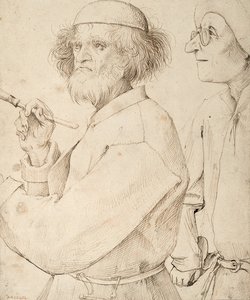
Pieter Bruegel der Ältere
1525 - 1569 , Belgien
Kurzinfos
- Beeinflusste Künstler:
- Isaac van Ostade
- Adriaen Brouwer
- Bemerkenswerte Werke:
- Landschaft mit Flucht nach Ägypten
- Alpenlandschaft
- Bauernhochzeit
- Triumph des Todes
- Jäger im Schnee
- Geburtsdatum: ca. 1525-1530
- Geburtsort: Brügge, Belgien
- Künstlerische Bewegung: Nordeuropäische Renaissance
- Künstlerische Einflüsse:
- Hieronymus Bosch
- Pieter Coecke van Aelst
- Nationalität: Belgisch
- Todatum: 1569
- Vollständiger Name: Pieter Bruegel der Ältere
Ähnliche Artikel

The Enduring Legacy of Oil on Canvas: Technique, History & Aesthetic Impact
Explore the rich history & techniques of oil painting – from Renaissance masters to Impressionism. Discover pigments, layering methods, and why this timeless medium endures. Expert insights for artists & art enthusiasts.

Öl auf Leinwand: Eine historische und technische Erkundung eines zeitlosen künstlerischen Mediums
Entdecken Sie die faszinierende Welt der Ölmalerei! Von historischen Techniken bis zur modernen Anwendung – wir bieten Expertenwissen, Restaurierungstipps und hochwertige Reproduktionen. Jetzt informieren!

The Enduring Power of Painting: A Historical & Contemporary Exploration of Form and Emotion
Explore the rich history & enduring techniques of oil painting with ArtsDot. Discover masterpieces, learn about art collecting, and find authentic handmade reproductions crafted by skilled artists.

Das bleibende Erbe der Ölmalerei: Technik, Geschichte und zeitgenössische Praxis
Entdecken Sie die faszinierende Geschichte der Ölmalerei – von den frühen Techniken bis zur modernen Kunst. Expertenwissen, detaillierte Analysen und Inspiration für Sammler & Kunstliebhaber.
Die 10 Meisterwerke der Nordischen Renaissance: Kunst für Ihr Zuhause |
Entdecken Sie die 10 prägendsten Meisterwerke der Nordischen Renaissance! Von Jan van Eyck bis Dürer – Kunstgeschichte, Techniken & Geschichten. Hochwertige Reproduktionen für Ihr Zuhause auf