 Vorschau anzeigen
 Versenden
 Teilen
 Details anzeigen

 Herunterladen
 Ähnliche Objekte
 Röntgenaufnahme
 Diashow
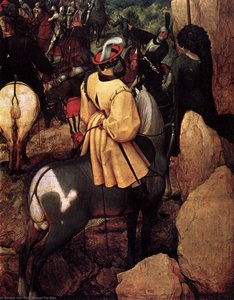
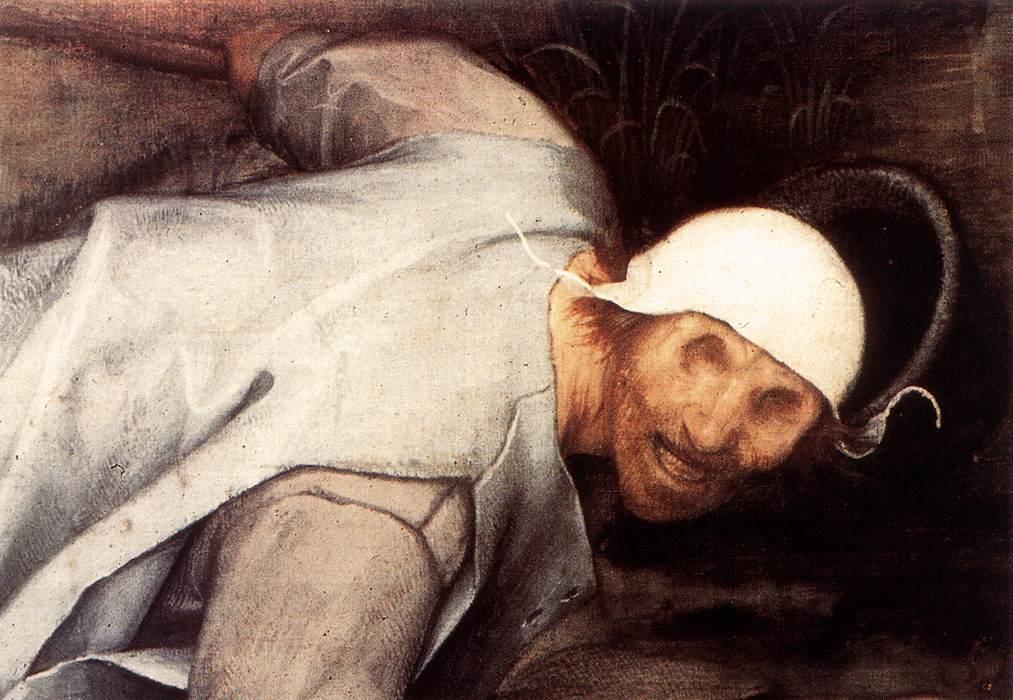
The Parable of the Blind Leading the Blind (detail)


 Weiterlesen
Handgefertigte Ölreproduktion
Handgemaltes Ölgemälde auf Leinwand in Ihrer Wunschgröße und mit Rahmen, auf Bestellung von unseren Künstlern angefertigt. ( Druck bestellen Bild kaufen)




P118B $10

P118H $10

P118W $10

P438Z $10

P508JH $12

P508YH $12

P805H $10

P805Z $10

P919BZ $10

P919G $10

P919XJ $10

P959ZH $10

P968JZ $12

W106C $8

W218G $10

W218JH $8

W218Y $10

W307PJ $10

W316G $10

W316PJ $8

W316Y $10

W398PJ $8

W4111J $10

W500HY $15

W500JH $15

W692G $12

W849H $8

W940BG $15

W953PJ $8




Wählen Sie aus unseren vordefinierten Formaten, die den ursprünglichen Proportionen des Kunstwerks entsprechen.

Sie können Ihre eigenen Maße eingeben, um einen bestimmten Rahmen oder Platz auszufüllen. Wenn die gewählte Größe nicht den Proportionen des Originalbildes entspricht, werden wir das Kunstwerk entweder beschneiden oder das Gemälde durch zusätzliche, handgemalte Elemente erweitern. Ein digitales Mockup wird Ihnen zur Genehmigung zugesandt, bevor die Produktion beginnt.
Bitte beachten Sie, dass die Bildschirmvorschau nicht die tatsächliche Beschneidung oder Erweiterung widerspiegelt. Nur das Mockup zeigt die endgültige Komposition exakt an.
Obwohl Sondermaße verfügbar sind, empfehlen wir, eine Größe aus der vordefinierten Liste zu wählen, um die ursprünglichen Proportionen beizubehalten.
Nach der Bestellung wird das ArtsDot.com-Team dem Kunden Anweisungen per E-Mail zusenden und eine Mockup-Vorschau bereitstellen.
Weltweiter Versand () in nur 3 bis 4 Wochen statt der üblichen 5 Wochen. (4 September). Keine Kompromisse bei der Qualität.

Kostenloser weltweiter Expressversand

Hochwertige Leinenleinwand

Umfassender Versicherungsschutz beim Versand

Zollgebühren-Rückerstattungsgarantie

Garantie für exakte Farbtreue

60 Tage Rückgaberecht (nur bei Mängeln)

100% Geld-zurück-Garantie

Mengenrabatt verfügbar
 Die Glasoption ist nur für Größen unter 110 cm verfügbar.

The Parable of the Blind Leading the Blind (detail)
Art der Reproduktion
Format der Reproduktion
-


Gesamtpreis
$ 263
A Study in Human Frailty and Moral Ambiguity
Pieter Bruegel the Elder’s “The Parable of the Blind Leading the Blind” – a detail from this remarkable 1568 painting – is not merely a depiction of a scene; it's an unflinching meditation on human fallibility, societal folly, and the precarious nature of leadership. The image, rendered with Bruegel’s signature earthy palette and meticulous observation of everyday life, immediately draws the viewer into a world teeming with figures caught in a chaotic dance of misdirection and misguided guidance. The central figure, prone and bandaged, embodies vulnerability and perhaps even suffering – his bowed head suggests both physical pain and a deeper sense of disorientation. Around him swirl others, engaged in activities that range from purposeful labor to outright confusion, creating an atmosphere thick with irony and unsettling realism.
Bruegel’s genius lies not just in his technical skill—the subtle gradations of light and shadow, the remarkably detailed rendering of clothing and textures—but in his ability to infuse a single scene with layers of meaning. This particular detail speaks powerfully to the anxieties of 16th-century Europe, a time marked by religious conflict, political instability, and widespread social unrest. The painting’s subject matter directly references the biblical parable, highlighting the dangers of relying on those who lack true understanding or wisdom to guide others. It's a potent commentary on the corruption of power and the ease with which individuals can be led astray.
The Master of Northern Realism
Born in Breda around 1525, Pieter Bruegel the Elder’s artistic journey was shaped by his early apprenticeship under the esteemed Pieter Coecke van Aelst. This formative period instilled within him a deep understanding of oil painting techniques and drawing skills, but crucially, it also exposed him to the burgeoning humanist ideas circulating throughout Europe. Bruegel's work stands apart from the idealized forms of the Italian Renaissance; instead, he embraced a distinctly Northern European style characterized by its earthy realism, meticulous detail, and often satirical commentary on contemporary life. He wasn’t interested in glorifying nobility or depicting heroic deeds – his focus was firmly rooted in the lives of ordinary people, capturing their struggles, follies, and simple joys with unflinching honesty.
The painting's composition is deliberately complex, drawing the eye across a crowded scene filled with seemingly random actions. Bruegel masterfully employs perspective to create a sense of depth and immersion, pulling the viewer into this miniature world. Notice how he uses small details – a discarded tool, a stray animal, a fleeting expression on a face – to build a rich tapestry of narrative. The inclusion of the bird in the upper right corner is particularly intriguing; it could be interpreted as a symbol of hope or perhaps simply an element of visual distraction, mirroring the confusion and uncertainty that pervade the scene.
Symbolism and Interpretation
Beyond its immediate depiction of a chaotic gathering, “The Parable of the Blind Leading the Blind” is laden with symbolic weight. The bandaged figure represents not only physical injury but also spiritual blindness – a lack of insight or moral compass. The various activities surrounding him—some productive, others frivolous—suggest a society adrift without clear direction. The figures themselves are archetypes rather than individual portraits, allowing Bruegel to explore universal themes of leadership, ignorance, and the consequences of misplaced trust.
Bruegel’s use of color is particularly significant. The muted earth tones – browns, greens, and ochres – create a somber atmosphere, reflecting the painting's underlying sense of unease. The subtle variations in hue and tone contribute to the overall feeling of disorientation and uncertainty. It’s important to note that Bruegel frequently employed symbolism within his work, often drawing on biblical stories, folklore, and contemporary events to convey deeper meanings.
A Timeless Reflection on Human Nature
“The Parable of the Blind Leading the Blind” remains a profoundly resonant artwork centuries after its creation. It’s a stark reminder that wisdom is not always found in those who appear most authoritative, and that even well-intentioned guidance can lead to disastrous outcomes if it lacks true understanding. Bruegel's ability to capture such complex themes with such remarkable detail and emotional depth solidifies his place as one of the greatest artists of the Northern Renaissance. ArtsDot offers exquisite hand-painted reproductions of this iconic work, allowing you to bring its powerful message into your home or office – a timeless testament to human frailty and the enduring need for discernment.
Ähnliche Kunstwerke
Über den Künstler
frühes Leben und Ausbildung
Pieter Bruegel der Ältere, eine zentrale Figur in der Renaissance-Malerei, wurde zwischen 1525 und 1530 in Breda, Belgien, geboren. Sein Meister, Pieter Coecke van Aelst, war ein Antwerper Maler, der Bruegels frühe künstlerische Entwicklung leitete. Nach seiner Ausbildung bei Coecke wurde Bruegel 1551 freier Meister in der Antwerpener Malergilde.Künstlerische Beiträge und Stil
Bruegels Werk ist bekannt für seine innovativen Themenwahl, die sich auf Landschaften und Bauernszenen konzentriert. Seine Gemälde, wie zum Beispiel Landschaft mit der Flucht nach Ägypten (37 x 55 cm, Courtauld Institute Galleries, London), zeigten seine Meisterschaft im Öl auf Holz. Bruegels Stil, der durch die Verwendung von Chiaroscuro gekennzeichnet ist, erzeugte ein Gefühl von Tiefe und Realismus und ließ seine Gemälde immersiv wirken.Bekannte Werke und Museen
* Landschaft der Alpen (Musée du Louvre, Paris), ein herausragendes Werk, das Bruegels Landschaftsfähigkeiten demonstriert. * Triptychon (Nordische Renaissance, Öl), ein bemerkenswertes Beispiel für Bruegels Verwendung von Öl auf Holz. * Die Königlichen Museen Schönen Künste in Brüssel beherbergen eine beeindruckende Sammlung von über 20.000 Kunstwerken, darunter Werke von Bruegel.Vermächtnis und Einfluss
Bruegels Einfluss auf die niederländische Goldene Ära der Malerei und spätere künstlerische Entwicklungen ist unbestreitbar. Sein Werk hat Künstler in den literarischen Künsten und im Kino inspiriert, wobei Referenzen zu seinen Gemälden in Filmen wie Solaris (1972) und Melancholia (2011) zu finden sind. Entdecken Sie mehr von Bruegels Werken auf ArtsDot.com: [https://ArtsDot.com/@/pieter-bruegel-the-elder](https://ArtsDot.com/@/pieter-bruegel-the-elder)- Entdecken Sie die Meisterwerke der Königlichen Museen Schönen Künste (Brüssel, Belgien): /de/art/show/art-d3cf2d-de/
- Erfahren Sie mehr über die frühe niederländische Malerei auf Wikipedia: [https://en.wikipedia.org/wiki/early_netherlandish_painting](https://en.wikipedia.org/wiki/early_netherlandish_painting)
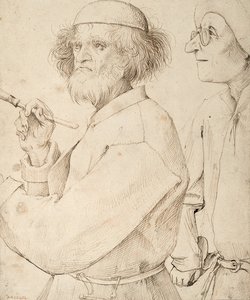
Pieter Bruegel der Ältere
1525 - 1569 , Belgien
Kurzinfos
- Beeinflusste Künstler:
- Isaac van Ostade
- Adriaen Brouwer
- Bemerkenswerte Werke:
- Landschaft mit Flucht nach Ägypten
- Alpenlandschaft
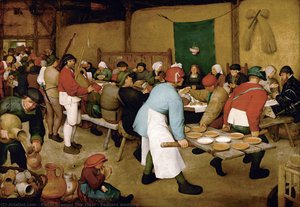
- Bauernhochzeit
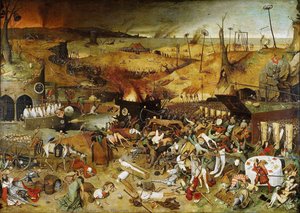
- Triumph des Todes
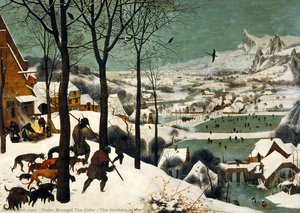
- Jäger im Schnee
- Geburtsdatum: ca. 1525-1530
- Geburtsort: Brügge, Belgien
- Künstlerische Bewegung: Nordeuropäische Renaissance
- Künstlerische Einflüsse:
- Hieronymus Bosch
- Pieter Coecke van Aelst
- Nationalität: Belgisch
- Todatum: 1569
- Vollständiger Name: Pieter Bruegel der Ältere
Ähnliche Artikel

Giclée Prints: Archival Quality & Aesthetic Nuances for the Discerning Collector
Explore the world of giclée prints with ArtsDot. Learn about archival quality, aesthetic nuances & investment potential. Expert guidance for discerning art collectors seeking museum-quality reproductions and lasting value.

Echoes of Time: Exploring the Enduring Appeal & Historical Context of Vintage Art Prints
Explore the captivating world of vintage art prints! Discover their history, collecting tips & enduring appeal. Expert insights on chromolithography and building a legacy collection with ArtsDot.

Die 10 Meisterwerke der niederländischen Barockmalerei – Kunst für Ihr Zuhause | ArtsDot
Entdecken Sie die 10 prägendsten Meisterwerke der niederländischen Barockmalerei! Von Rembrandt bis Vermeer – erleben Sie Kunstgeschichte, Techniken & Emotionen. Hochwertige Reproduktionen für Ihr Zuhause auf ArtsDot.com.
Transforming Spaces: A Comprehensive Exploration of Wall Decor Through Art History & Contemporary Practice
Explore the art of transforming spaces with our comprehensive guide to wall decor. From historical movements to contemporary trends, discover how to curate impactful interiors and commission bespoke artwork for a truly personalized aesthetic.
Meisterwerke Wiens: Die Top 25 Kunstschätze im Kunsthistorischen Museum | ArtsDot
Entdecken Sie die 25 bedeutendsten Kunstwerke im Kunsthistorischen Museum Wien! Von Raphael über Rembrandt bis Vermeer – erleben Sie Meisterwerke der Renaissance & Barockmalerei. Finden Sie hochwertige Reproduktionen und Inspiration für Ihr Zuhause auf ArtsDot.com.