

 Vorschau anzeigen
 Versenden
 Teilen
 Details anzeigen

 Herunterladen
 Ähnliche Objekte
 Röntgenaufnahme
 Diashow
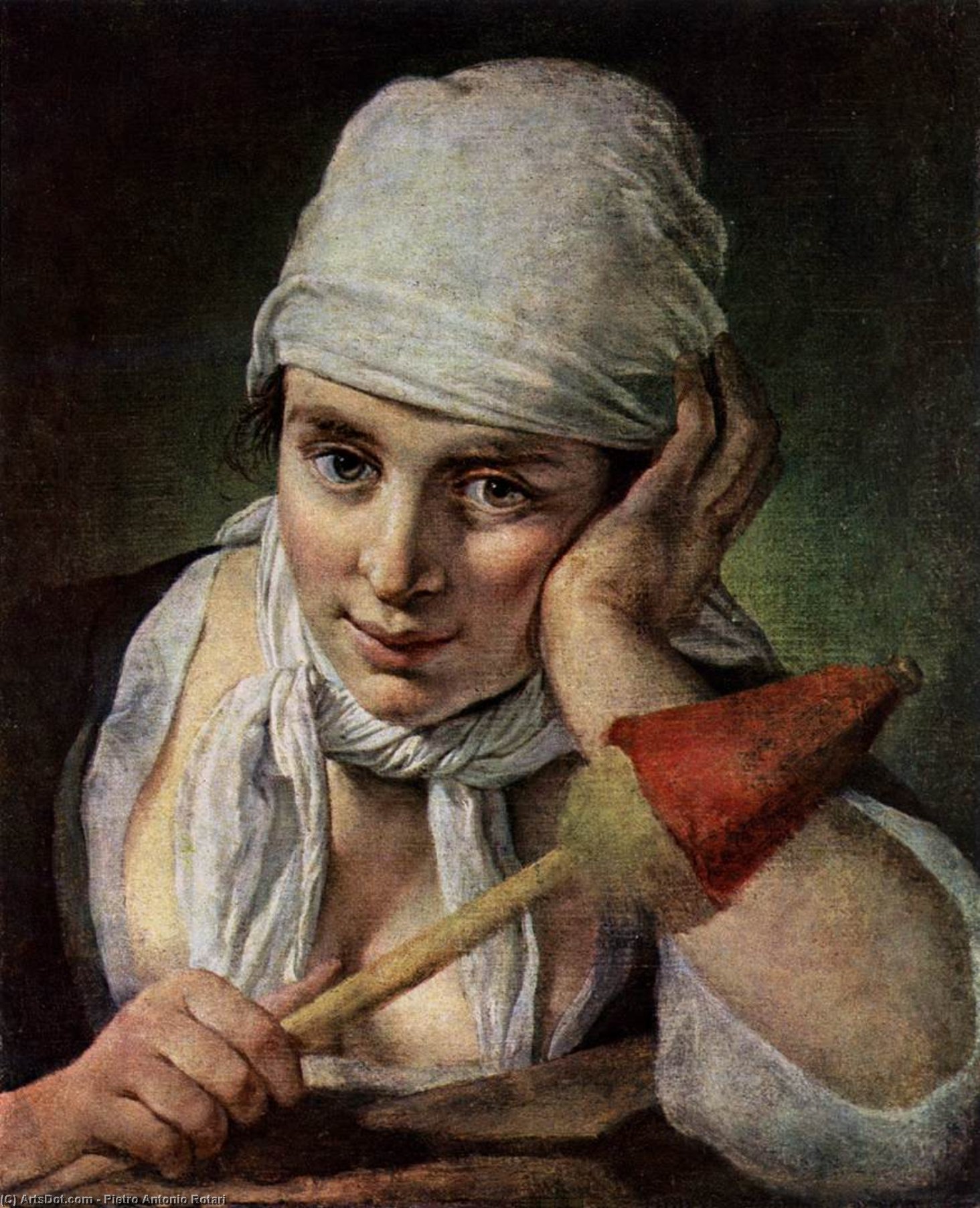
Young Girl with Distaff
 Acrylic On Canvas
- WallArt
- Baroque Rococo
 48.0 x 39.0 cm
 Szépművészeti Múzeum
 Weiterlesen
Handgefertigte Ölreproduktion
Handgemaltes Ölgemälde auf Leinwand in Ihrer Wunschgröße und mit Rahmen, auf Bestellung von unseren Künstlern angefertigt. ( Druck bestellen Bild kaufen)




P118B $10

P118H $10

P118W $10

P438Z $10

P508JH $12

P508YH $12

P805H $10

P805Z $10

P919BZ $10

P919G $10

P919XJ $10

P959ZH $10

P968JZ $12

W106C $8

W218G $10

W218JH $8

W218Y $10

W307PJ $10

W316G $10

W316PJ $8

W316Y $10

W398PJ $8

W4111J $10

W500HY $15

W500JH $15

W692G $12

W849H $8

W940BG $15

W953PJ $8




Wählen Sie aus unseren vordefinierten Formaten, die den ursprünglichen Proportionen des Kunstwerks entsprechen.

Sie können Ihre eigenen Maße eingeben, um einen bestimmten Rahmen oder Platz auszufüllen. Wenn die gewählte Größe nicht den Proportionen des Originalbildes entspricht, werden wir das Kunstwerk entweder beschneiden oder das Gemälde durch zusätzliche, handgemalte Elemente erweitern. Ein digitales Mockup wird Ihnen zur Genehmigung zugesandt, bevor die Produktion beginnt.
Bitte beachten Sie, dass die Bildschirmvorschau nicht die tatsächliche Beschneidung oder Erweiterung widerspiegelt. Nur das Mockup zeigt die endgültige Komposition exakt an.
Obwohl Sondermaße verfügbar sind, empfehlen wir, eine Größe aus der vordefinierten Liste zu wählen, um die ursprünglichen Proportionen beizubehalten.
Nach der Bestellung wird das ArtsDot.com-Team dem Kunden Anweisungen per E-Mail zusenden und eine Mockup-Vorschau bereitstellen.
Weltweiter Versand () in nur 3 bis 4 Wochen statt der üblichen 5 Wochen. (20 August). Keine Kompromisse bei der Qualität.

Kostenloser weltweiter Expressversand

Hochwertige Leinenleinwand

Umfassender Versicherungsschutz beim Versand

Zollgebühren-Rückerstattungsgarantie

Garantie für exakte Farbtreue

60 Tage Rückgaberecht (nur bei Mängeln)

100% Geld-zurück-Garantie

Mengenrabatt verfügbar
 Die Glasoption ist nur für Größen unter 110 cm verfügbar.

Young Girl with Distaff
Art der Reproduktion
Format der Reproduktion
-


Gesamtpreis
$ 263
Beschreibung des Kunstwerks
A Moment of Quietude: Exploring Pietro Antonio Rotari’s “Young Girl with Distaff”
Pietro Antonio Rotari's "Young Girl with Distaff," painted circa 1740, is more than a simple portrait; it’s a carefully constructed tableau of Rococo elegance and subtle symbolism. This captivating work, currently available as a high-quality reproduction through ArtsDot.com, transports the viewer to a serene moment in a bygone era – a glimpse into the daily life of a young woman engaged in the essential task of spinning thread. The painting’s enduring appeal lies not just in its beauty but also in the layers of meaning woven into its composition and execution.
Rotari, a prominent Venetian painter during the latter half of the 18th century, was renowned for his ability to capture both the physical likeness and the inner character of his subjects. His training under Francesco Trevisani instilled in him a meticulous attention to detail, evident in the delicate rendering of the girl’s hair, the folds of her dress, and the intricate texture of the distaff itself. The artist masterfully employs chiaroscuro – the dramatic interplay of light and shadow – to sculpt the figure, drawing our eye to her face and creating a sense of depth and intimacy within the relatively small canvas.
The Symbolism of Thread and Distaff
The inclusion of the distaff is crucial to understanding the painting’s deeper significance. In this era, before mechanized looms dominated textile production, spinning thread was a laborious but vital occupation for women – often a cornerstone of family life and economic stability. The distaff, a simple wooden beam used to hold wool or flax fibers, represents not just a practical tool but also a symbol of industry, patience, and the cyclical nature of life itself. The girl’s direct gaze, unwavering and gentle, suggests a quiet dignity and self-possession – she is not merely performing a task; she embodies a connection to tradition and craft.
Furthermore, the red color of the distaff adds a subtle note of vibrancy against the muted tones of the background. Red was often associated with passion, fertility, and the lifeblood of the land, subtly hinting at the potential for growth and prosperity linked to this seemingly simple act of spinning.
A Window into Rococo Aesthetics
“Young Girl with Distaff” is a quintessential example of the Rococo style – characterized by its grace, elegance, and emphasis on beauty. The composition is balanced and harmonious, reflecting the prevailing ideals of the period. The dark background serves to isolate the figure, drawing attention to her delicate features and creating an atmosphere of contemplative serenity. Rotari’s use of soft colors and flowing lines contributes to the painting's overall sense of refinement and charm.
Rotari’s work reflects a broader trend in 18th-century portraiture – a shift away from stiff, formal poses towards more relaxed and intimate depictions of subjects. This painting exemplifies his ability to capture not just a likeness but also the essence of his subject's character, making “Young Girl with Distaff” a timeless masterpiece that continues to resonate with viewers today.
Bringing Rotari’s Vision Home
ArtsDot.com offers exceptional reproductions of "Young Girl with Distaff," allowing you to experience the artistry and beauty of this remarkable painting in your own home. Whether as a statement piece for a living room or a charming addition to a bedroom, this reproduction captures the spirit and elegance of Rotari’s original work. Invest in a high-quality print and bring a touch of Rococo serenity into your space – a reminder of the enduring value of craftsmanship, tradition, and quiet contemplation.
Ähnliche Kunstwerke
Über den Künstler
Pietro Antonio Rotari: Leben und Vermächtnis
Frühes Leben und Ausbildung
- Geboren: Verona, Italien im Jahr 1707.
- Anfängliche Studien: Pietro Antonio Rotari begann seine künstlerische Reise als Schüler von Antonio Balestra, einem bedeutenden Veronese Maler. Diese grundlegende Ausbildung vermittelte ihm die Prinzipien der klassischen Komposition und Technik.
- Von 1725 bis 1727 lebte er in Venedig und erweiterte seinen Horizont hinsichtlich verschiedener künstlerischer Stile.
- Er feinerte seine Fähigkeiten unter Francesco Trevisani in Rom (1728-1732) und später arbeitete zwischen 1731 und 1734 mit Francesco Solimena in Neapel zusammen.
Künstlerische Entwicklung und Stil
- Frühes Berufsleben: Nach seiner Rückkehr nach Verona gründete Rotari sein eigenes Atelier und begann, einen eigenen, unverwechselbaren Stil zu entwickeln, der sich durch Realismus, Eleganz und Detailgenauigkeit auszeichnete.
- Barocker Einfluss: Seine Werke gehören fest zur Barocktradition, doch er ließ diese mit einer raffinierten Sensibilität versehen, die bei aristokratischen Mäzenen Anklang fand.
- Fokus auf Porträts: Rotari wurde insbesondere für seine Porträts bekannt, insbesondere von Frauen. Er besaß eine außergewöhnliche Fähigkeit, nicht nur physische Ähnlichkeit, sondern auch Persönlichkeit und innere Würde einzufangen.
Königliche Aufträge und internationale Anerkennung
- Wien (1750): Rotari zog nach Wien, um sich bei der kaiserlichen Hofgesellschaft zu beweisen.
- Russische Hofgesellschaft (1756): Ein entscheidender Moment war seine Einladung nach Russland durch Tsarina Elizabetha Petrovna. Er wurde schnell zum bevorzugten Porträtisten der russischen Aristokratie.
- Dresden und Polen: Seine Talente erstreckten sich über Russland hinaus, da er auch für den Hof von Augustus III in Polen in Dresden arbeitete.
- Er kehrte später nach St. Petersburg zurück, um Katharina II zu dienen und festigte damit seinen Ruf als einer der führenden Porträtisten europäischer Könige.
Wichtige Leistungen und bemerkenswerte Werke
- Königliche Porträts: Seine Porträts von Mitgliedern der russischen und polnischen Königlichen Familien gelten als seine bedeutendsten Leistungen, die seine Meisterschaft und seine Fähigkeit zur Vermittlung von Status und Persönlichkeit demonstrieren.
- Altarbilder: Neben Porträts schuf Rotari auch großformatige Altarbilder für Kirchen in Italien. Bemerkenswerte Beispiele sind Die Vier Märtyrer (1745) für die Kirche San Giacomo in Verona und San Giorgio wird zum Opfertod verleitet, um den Göttern zu opfern (1743).
- Religiöse Gemälde: Er schuf außerdem eine Annunkelation (1738) für das Hauptaltar der Kirche der Annunziata in Guastalla.
Historische Bedeutung und Vermächtnis
- Hofmaler: Rotaris Erfolg als Hofmaler spiegelt die Bedeutung von Porträts zur Vermittlung von Macht, Status und Legitimität im 18. Jahrhundert wider.
- Künstlerischer Einfluss: Obwohl er keine revolutionäre Figur war, beeinflusste sein raffinierter Stil andere Künstler, die in der Barocktradition wirkten.
- Bewahrung von Erscheinungen: Seine Porträts liefern wertvolle historische Dokumentation über europäische Adelige und Hofleben während einer Zeit bedeutender politischer und sozialer Veränderungen.
- Rotari starb im Jahr 1762 in St. Petersburg und hinterließ ein Vermächtnis als einer der begehrtesten Porträtisten seiner Zeit.
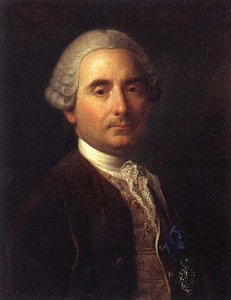
Pietro Antonio Rotari
1707 - 1762 , Italien
Kurzinfos
- Artistic Movement Or Style: Barockkunst
- Artists Or Movements Influenced By This Artist: ['Francesco Solimena']
- Artists Who Influenced This Artist:
- Antonio Balestra
- Francesco Trevisani
- Date Of Birth: Verona, Italien 1707
- Date Of Death: St. Petersburg 1762
- Full Name: Pietro Antonio Rotari
- Nationality: Italienisch
- Notable Artworks:
- Die Vier Märtyrer
- Die Annonciation
- Place Of Birth: Verona, Italien
Ähnliche Artikel

Rococo Meisterwerke: Die Top 10, die eine Epoche prägten |
Entdecken Sie die Top 10 Rokoko Meisterwerke von Watteau, Boucher & Fragonard! Erfahren Sie die Geschichten hinter diesen ikonischen Gemälden und lassen Sie sich für Ihre Inneneinrichtung inspirieren. Hochwertige Kunstdrucke auf .

The Rococo Aesthetic: Opulence, Rebellion & the Pursuit of Pleasure in 18th-Century Art
Explore the opulent world of Rococo art! Discover its origins, key artists like Watteau & Boucher, and lasting influence on design. Expert insights for collectors & enthusiasts.
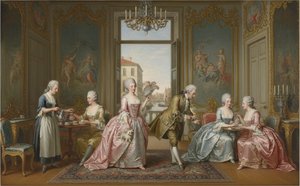
Pietro Longhi's Venetian Scenes: A Study of Rococo Society & Domestic Life
Explore the captivating world of Pietro Longhi's Venetian scenes! Discover insightful analysis of his Rococo masterpieces & social commentary on 18th-century life. Learn about this 'Venetian Hogarth' and his lasting artistic legacy.
The Allure of Elegance in Art: A Historical & Aesthetic Exploration of Refinement & Grace
Explore the exquisite world of Rococo art! Discover its history, masters (Watteau, Boucher & more), and defining elegance. Expert insights for collectors seeking museum-quality reproductions & custom portraits.
The Rococo Style: Aristocratic Leisure & the Pursuit of Delight in 18th-Century Art
Explore the opulent world of Rococo art! Discover Watteau, Boucher & Nattier's masterpieces. Expert insights for collectors seeking museum-quality reproductions and custom portraits at ArtsDot.

