


 Vorschau anzeigen
 Versenden
 Teilen
 Details anzeigen

 Herunterladen
 Ähnliche Objekte
 Röntgenaufnahme
 Diashow
The Punishment of Hercules
 Oil On Canvas
- WallArt
- Italian Baroque
 1635
1635 300.0 x 200.0 cm
 Liechtenstein Museum
 Weiterlesen
Erwerben Sie ein hochauflösendes, optimiertes digitales Bild, das der Online-Vorschau weit überlegen ist.
Jede Datei wird von unseren hauseigenen Spezialisten mit modernsten Werkzeugen und fachmännischer manueller Retusche sorgfältig vorbereitet. Wir stellen sicher, dass jedes Bild eine außergewöhnliche Klarheit, präzise Farbgenauigkeit und feinste Details aufweist.
Die endgültige Datei wird innerhalb von 72 Stunden per E-Mail zugestellt und ist für den sofortigen Einsatz in professionellen, redaktionellen und Druckumgebungen optimiert. Es handelt sich um dieselbe Qualität, der führende Designstudios, Verlage und Galerien vertrauen.
Digitales Bild
Laden Sie eine hochauflösende Datei für die persönliche Präsentation, den Druck und kreative Projekte herunter. ( Druck bestellen Handgemalte Reproduktion bestellen)
In jeder Bestellung digitaler Bilder enthalten
Professionelle digitale Bereitstellung, garantiert
Wenn Sie sich für ArtsDot.com entscheiden, erhalten Sie nicht nur ein Bild – Sie erhalten ein professionell aufbereitetes digitales Kunstwerk, das mit höchster Präzision erstellt und durch eine Zufriedenheitsgarantie abgesichert wird. Hier ist alles, was automatisch mit Ihrer Bestellung geliefert wird:

Schnelle E-Mail-Zustellung
Ihre hochauflösende digitale Bilddatei wird Ihnen innerhalb von 72 Stunden nach der Bestellung per E-Mail zugestellt – bereit zur sofortigen Verwendung.

KI-optimierte digitale Datei
Ihre Kunstwerke werden professionell mithilfe fortschrittlicher KI-Tools und manueller Bearbeitung optimiert, um maximale Detailtreue, Klarheit und Farbgenauigkeit zu gewährleisten.

Lebenslanger kostenloser Neudruckservice
Datei versehentlich gelöscht oder verloren? Keine Sorge – wir senden sie Ihnen jederzeit kostenlos erneut zu.

Keine Einfuhrgebühren – jemals
Genießen Sie Ihr Kunstwerk sofort ohne Zollgebühren, Einfuhrabgaben oder Versandkosten – digitale Downloads sind immer steuerfrei.

Garantierte Farbtreue
Wir garantieren, dass Ihr digitales Bild mithilfe professioneller Werkzeuge und Farbmanagement die Originalfarben so präzise wie möglich wiedergibt.

60-Tage-Zufriedenheitsgarantie
Sollten Sie mit Ihrem digitalen Bild nicht zufrieden sein, werden wir es überarbeiten oder Ihnen innerhalb von 60 Tagen 100% erstatten – ohne Wenn und Aber.

100% Geld-zurück-Garantie
Nicht zufrieden? Erhalten Sie innerhalb von 60 Tagen nach Erhalt Ihrer digitalen Datei eine vollständige Rückerstattung – ohne Angabe von Gründen.

Rabatte bei Großbestellungen
3 Bilder kaufen, 10% sparen – 5 Bilder kaufen, 15% sparen – Ab 10 Bildern 20% sparen. Ideal für kreative Projekte, Galerien und Agenturen.
Details zum Sammlerstück
The Punishment of Hercules: A Baroque Masterpiece by Pietro da Cortona
Pietro da Cortona’s “The Punishment of Hercules,” painted in 1635, is more than just a depiction of a classical myth; it's a visceral exploration of suffering, divine justice, and the enduring human condition. Measuring an impressive 300 x 200 cm, this work immediately commands attention with its dramatic composition and masterful execution characteristic of the Roman Baroque period. Cortona, a true “Tuscan Sun in the Roman Baroque,” expertly blends narrative clarity with theatrical flair, creating a scene that resonates with both intellectual depth and raw emotional power.
- Subject Matter: The painting portrays the infamous episode from Ovid’s *Metamorphoses* where Hercules, after completing his twelve labors, is punished by Zeus for his hubris. This wasn't a simple act of retribution but a carefully orchestrated demonstration of divine authority and the consequences of challenging the gods.
- Composition & Technique: Cortona employs a pyramidal composition, drawing the viewer’s eye inexorably towards Hercules at its apex. The use of tenebrism – dramatic contrasts between light and shadow – is particularly striking, intensifying the sense of suffering and highlighting the heroic posture of the central figure. Notice the meticulous detail in the rendering of fabric, skin tones, and the subtle expressions on the faces of the figures.
Symbolism and Divine Intervention
The scene is layered with symbolic meaning. Hercules’ unwavering gaze and defiant stance represent human resilience in the face of overwhelming power. The two angels flanking him – one above, offering a silent witness, and another below, seemingly attempting to mitigate the punishment – embody divine intervention and the complex relationship between humanity and the heavens. The inclusion of three children adds an element of pathos, suggesting innocence caught within the machinations of fate. Even the small bird hovering near the top left corner could be interpreted as a symbol of observation or perhaps even a messenger from the divine realm.
- Angels: Their presence underscores the theme of judgment and mercy, highlighting the dual nature of divine justice.
- Children: Representing vulnerability and innocence, they heighten the emotional impact of Hercules’ ordeal.
Historical Context & Cortona's Vision
"The Punishment of Hercules" was created during a period of immense artistic innovation in Rome, fueled by papal patronage and a desire to create awe-inspiring works that reflected the power and glory of the Church. Cortona’s work reflects this ambition while simultaneously demonstrating his own unique artistic vision. Trained initially under Andrea Commodi, he quickly absorbed the lessons of Baccio Ciarpi before developing his distinctive style – characterized by its grandeur, dramatic lighting, and meticulous attention to detail. This painting exemplifies his mastery of illusionistic techniques, a hallmark of Baroque art designed to transport viewers into the heart of the narrative.
The fact that this piece was created in 1635 places it firmly within the height of the Roman Baroque, a period defined by its emotional intensity, dynamic compositions, and exploration of religious themes. Cortona’s ability to capture both the physical suffering of Hercules and the spiritual weight of the scene is a testament to his skill and understanding of the era's artistic conventions.
A Timeless Masterpiece – Recreated for Today
ArtsDot offers meticulously crafted hand-painted reproductions of “The Punishment of Hercules,” allowing you to experience the full impact of Cortona’s masterpiece in your own space. Each reproduction is created using traditional techniques and archival materials, ensuring its longevity and preserving the rich colors and textures of the original. Whether adorning a grand salon or a smaller study, this artwork will undoubtedly become a focal point, sparking conversation and inspiring contemplation for years to come.
Ähnliche Kunstwerke
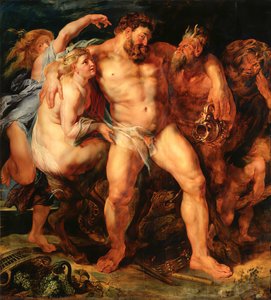
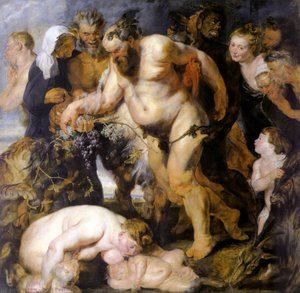
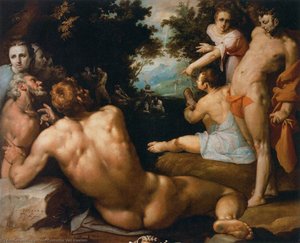
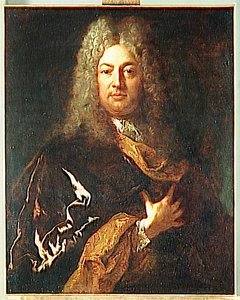


Biografie des Künstlers
Frühes Leben und Ausbildung
Pietro da Cortona, geboren als Pietro Berrettini, war ein italienischer Barockmaler und Architekt aus Cortona, Toskana (1596-1669). Er erhielt seine erste künstlerische Ausbildung unter Andrea Commodi in Florenz, bevor er um 1612/13 nach Rom zog, wo er dem Atelier von Baccio Ciarpi beitrat.Wichtige Werke und Aufträge
* Das Werk „Das Opfer der Polyxena“, „Der Triumph des Bacchus“ und „Die Entführung der Sabinerin“ (1626) für die Familie Sacchetti. * Fresken in der Kirche Santa Bibiana (1624-1626), unter der Leitung von Bernini. * Die Allegorie göttlicher Vorsehung und Barberini Macht (1633) im Palazzo Barberini, ein Wendepunkt in der Barockmalerei.Künstlerischer Stil und Einflüsse
Pietro da Cortonas Werke zeichnen sich durch grandiose Themen und eine meisterhafte Ausführung aus. Er nutzte Trompe-l'œil Techniken, um räumliche Illusionen zu erzeugen und die Grenzen des Raumes optisch zu erweitern. Sein Stil wurde maßgeblich von Paolo Veroneses perspektivischen Werken und Tizians Farbpalette beeinflusst. Darüber hinaus zeigte er auch innovative architektonische Projekte, obwohl nur wenige davon realisiert wurden.Bedeutende Museen und Sammlungen
* Das Museo Diocesano in Cortona beherbergt Meisterwerke aus verschiedenen Kirchen und Klöstern der Region. * Das Museo dell'Opera di Santa Croce in Florenz zeigt Kunstwerke vom 14. bis zum 16. Jahrhundert.- Entdecken Sie weitere Werke von Pietro da Cortona auf ArtsDot: Pietro da Cortona | 126 Kunstwerke
- Erkunden Sie die Meisterwerke des Museo Diocesano in Cortona: Die Meisterwerke des Museo Diocesano, Cortona entdecken
- Informieren Sie sich auf Wikipedia über die italienische Barockarchitektur und ihre wichtigsten Vertreter: Pietro da Cortona
Vermächtnis und Bedeutung
Pietros innovativer Stil und seine einflussreichen Werke haben einen bleibenden Eindruck in der Welt der Barockmalerei und Architektur hinterlassen. Seine Verwendung von Trompe-l'œil und die Darstellung monumentaler Themen inspirieren bis heute Künstler und Architekten. Wichtige Daten: * 1596: Geburt in Cortona, Toskana * 1612/3: Umzug nach Rom * 1624-1626: Fresken in der Kirche Santa Bibiana * 1633: Fertigstellung der Allegorie göttlicher Vorsehung und Barberini Macht * 1669: Tod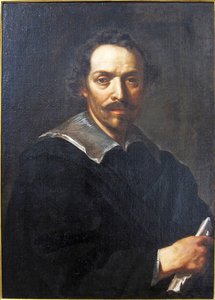
Pietro da Cortona
1596 - 1669 , Italien
Kurzinfos
- Beeinflusste Künstler:
- Andrea Sacchi
- Francesco Borromini
- Bemerkenswerte Werke:
- Das Opfer der Polyxena
- Der Triumph des Bacchus
- Die Entführung der Sabinerin
- Einflussreiche Künstler:
- Paolo Veronese
- Titian
- Geburtsdatum: 1596
- Geburtsort: Cortona, Italien
- Künstlerischer Stil: Barockmalerei
- Nationalität: Italienisch
- Todatum: 1669
- Vollständiger Name: Pietro da Cortona

