 Vorschau anzeigen
 Versenden
 Teilen
 Details anzeigen

 Herunterladen
 Ähnliche Objekte
 Röntgenaufnahme
 Diashow
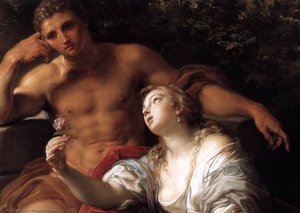
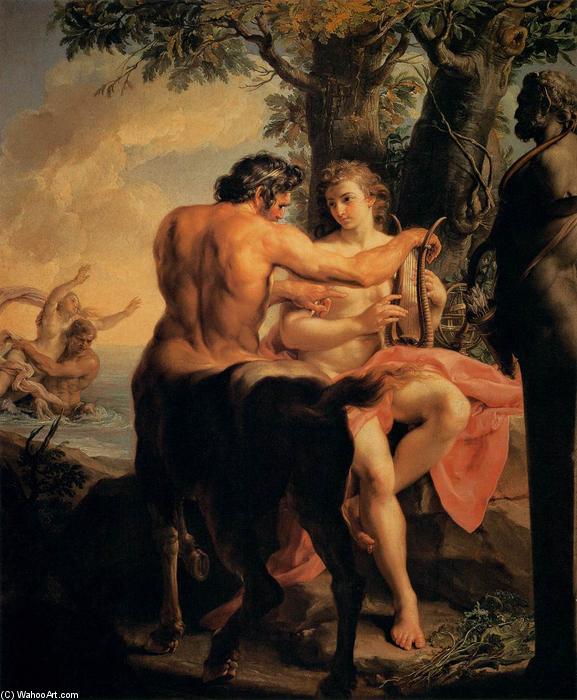
Achilles and the Centaur Chiron
 Oil On Canvas
- WallArt
- Baroque Rococo
 1746
1746 159.0 x 127.0 cm
 Galleria degli Uffizi
 Weiterlesen
Handgefertigte Ölreproduktion
Handgemaltes Ölgemälde auf Leinwand in Ihrer Wunschgröße und mit Rahmen, auf Bestellung von unseren Künstlern angefertigt. ( Druck bestellen Bild kaufen)




P118B $10

P118H $10

P118W $10

P438Z $10

P508JH $12

P508YH $12

P805H $10

P805Z $10

P919BZ $10

P919G $10

P919XJ $10

P959ZH $10

P968JZ $12

W106C $8

W218G $10

W218JH $8

W218Y $10

W307PJ $10

W316G $10

W316PJ $8

W316Y $10

W398PJ $8

W4111J $10

W500HY $15

W500JH $15

W692G $12

W849H $8

W940BG $15

W953PJ $8




Wählen Sie aus unseren vordefinierten Formaten, die den ursprünglichen Proportionen des Kunstwerks entsprechen.

Sie können Ihre eigenen Maße eingeben, um einen bestimmten Rahmen oder Platz auszufüllen. Wenn die gewählte Größe nicht den Proportionen des Originalbildes entspricht, werden wir das Kunstwerk entweder beschneiden oder das Gemälde durch zusätzliche, handgemalte Elemente erweitern. Ein digitales Mockup wird Ihnen zur Genehmigung zugesandt, bevor die Produktion beginnt.
Bitte beachten Sie, dass die Bildschirmvorschau nicht die tatsächliche Beschneidung oder Erweiterung widerspiegelt. Nur das Mockup zeigt die endgültige Komposition exakt an.
Obwohl Sondermaße verfügbar sind, empfehlen wir, eine Größe aus der vordefinierten Liste zu wählen, um die ursprünglichen Proportionen beizubehalten.
Nach der Bestellung wird das ArtsDot.com-Team dem Kunden Anweisungen per E-Mail zusenden und eine Mockup-Vorschau bereitstellen.
Weltweiter Versand () in nur 3 bis 4 Wochen statt der üblichen 5 Wochen. (19 August). Keine Kompromisse bei der Qualität.

Kostenloser weltweiter Expressversand

Hochwertige Leinenleinwand

Umfassender Versicherungsschutz beim Versand

Zollgebühren-Rückerstattungsgarantie

Garantie für exakte Farbtreue

60 Tage Rückgaberecht (nur bei Mängeln)

100% Geld-zurück-Garantie

Mengenrabatt verfügbar
 Die Glasoption ist nur für Größen unter 110 cm verfügbar.

Achilles and the Centaur Chiron
Art der Reproduktion
Format der Reproduktion
-


Gesamtpreis
$ 263
Beschreibung des Kunstwerks
Pompeo Batoni’s “Achilles and the Centaur Chiron”: A Masterpiece of Baroque Narrative
Pompeo Batoni's "Achilles and the Centaur Chiron," painted in 1746, is more than just a depiction of a classical myth; it’s a profound meditation on mentorship, transformation, and the delicate balance between savagery and civilization. This monumental canvas, now housed within the Galleria degli Uffizi in Florence, immediately captivates with its dramatic lighting, rich textures, and meticulously rendered figures – hallmarks of Batoni's signature Baroque style. The scene unfolds with a palpable sense of intimacy as the young Achilles, barely a man, receives instruction from Chiron, the renowned centaur tutor, a figure steeped in both wisdom and wildness.
Batoni’s artistic approach is deeply rooted in the traditions of Bolognese Classicism, yet he skillfully infuses it with the dynamism and emotional intensity characteristic of the late Baroque. He draws inspiration from Raphael's balanced compositions and Poussin’s masterful use of light and shadow, but elevates them through a heightened sense of theatricality. The painting isn’t merely illustrating a story; it’s actively *performing* it – a carefully orchestrated tableau designed to evoke both wonder and contemplation.
The Symbolism of the Encounter
The central relationship between Achilles and Chiron is laden with symbolic weight. Chiron represents the crucible of transformation, the place where raw potential is honed into refined skill. The centaur’s role as a teacher—a figure often associated with wilderness and instinct—contrasts sharply with Achilles' burgeoning humanity. Batoni subtly emphasizes this duality through the composition: Chiron, despite his animalistic features, possesses an air of serene authority, while Achilles embodies youthful eagerness and vulnerability. The woman standing between them, shrouded in mystery, is believed to be Thetis, Achilles’ mother, acting as a witness to this pivotal moment.
Notably, the lyre that Chiron plays isn't simply an instrument; it symbolizes Apollo, the god of music and healing—a direct link to Chiron’s divine lineage. The act of teaching through music suggests a deeper connection between knowledge, harmony, and the cultivation of virtue. The arrow visible in the upper right corner could represent both Achilles’ future as a warrior and the potential for violence inherent within him – a reminder that even the most noble heroes are shaped by their experiences.
Technique and Artistic Detail
Batoni's technical mastery is immediately apparent in the painting’s exquisite detail. The fabrics of the figures—Achilles’ tunic, Chiron’s cloak—are rendered with astonishing realism, showcasing a deep understanding of texture and drapery. The artist employs *chiaroscuro* – the dramatic contrast between light and shadow – to create a sense of depth and volume, drawing the viewer's eye into the scene. The warm, golden hues of the lighting bathe the figures in an ethereal glow, enhancing their emotional impact.
Furthermore, Batoni’s use of color is particularly noteworthy. He employs a rich palette of reds, blues, and browns to create a sense of warmth and vitality. The subtle variations in tone contribute to the painting's overall harmony and visual appeal. The meticulous attention to detail extends to the background—the ancient tree, the distant landscape—which serves as a carefully constructed stage for this dramatic encounter.
A Legacy of Grandeur
"Achilles and the Centaur Chiron" stands as a testament to Batoni’s artistic genius and his ability to seamlessly blend classical ideals with Baroque drama. It's a painting that continues to resonate with viewers centuries after its creation, inviting us to contemplate themes of mentorship, transformation, and the enduring power of myth. Reproductions of this masterpiece offer an opportunity to bring this captivating scene into any space, imbuing it with a sense of history, grandeur, and timeless beauty.
Ähnliche Kunstwerke

Über den Künstler
Frühes Leben und Ausbildung
- Geboren: Lucca, Italien (1708)
- Gestorben: 1787
- Pompeo Batoni zog 1727 nach Rom.
- Er absolvierte eine Lehre bei Agostino Masucci, Sebastiano Conca und/oder Francesco Imperiali.
- Sein erster unabhängiger Auftrag kam als Folge von Regenfällen, die Rom im April 1732 heimsuchten.
- Das Gemälde „Die Ekstase der Heiligen Katharina von Siena“ veranschaulicht seine akademische Verfeinerung des späten Barockstils.
Künstlerischer Stil und Einflüsse
- Batonis Stil ließ sich von der klassischen Antike, dem französischen Rokoko, dem Bologneser Klassizismus sowie von Künstlern wie Nicolas Poussin, Claude Lorrain und insbesondere Raffael inspirieren.
- Er gilt als Vorläufer des Neoklassizismus.
- Seine Werke befinden sich in verschiedenen Museen, darunter die Pinacoteca di Brera in Mailand, Italien.
Bemerkenswerte Werke und Aufträge
- Jungfrau und Kind mit Heiligen
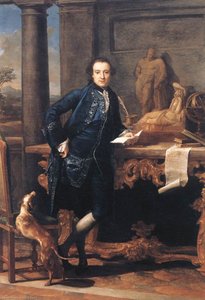
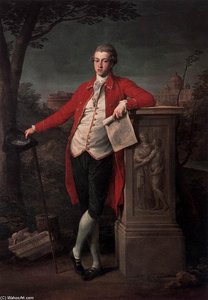
- Ein Ritter in Rom: Charles Cecil Roberts – Ein gefeiertes Porträt eines britischen Reisenden vor der Kulisse römischer Ruinen.
- Der Triumph Venedigs
- Zahlreiche Altarbilder für Kirchen in Italien, wie das Museum Duomo in Siena.
- Er war sehr gefragt für Porträts, insbesondere von britischen Reisenden auf der Grand Tour, die stehende Porträts in antiken Settings in Auftrag gaben.
Entwicklung und historische Bedeutung
- Batoni wurde nach dem Weggang seines Rivalen Anton Raphael Mengs nach Spanien im Jahr 1761 zu einem sehr gefragten Maler in Rom.
- Er freundete sich mit Winckelmann an und versuchte, den Klassizismus in seiner Malerei einzuschränken.
- Seine Porträts fingen den Geist der Grand-Tour-Ära ein und spiegelten die Faszination für die klassische Antike unter Europas Eliten wider.
- Batonis Fähigkeit, Barocktechniken mit aufkommenden neoklassizistischen Idealen zu verbinden, positionierte ihn als eine Übergangsfigur in der italienischen Kunstgeschichte.
Vermächtnis
- Pompeo Batoni starb am 4. Februar 1787 in Rom.
- Er hinterließ ein Vermächtnis als einer der renommiertesten italienischen Maler seiner Zeit.
- Seine Arbeit wird weiterhin für ihre technische Fertigkeit, eleganten Kompositionen und aufschlussreichen Darstellungen von Personen im historischen Kontext bewundert.
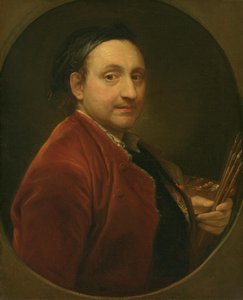
Pompeo Batoni
1708 - 1787 , Italien
Kurzinfos
- Beeinflusste Künstler:
- Nicolas Poussin
- Claude Lorrain
- Raphael
- Bemerkenswerte Werke:
- Madonna mit Kind
- A Knight in Rome
- Der Triumph Venedigs
- Geburtsdatum: 25. Januar 1708
- Geburtsort: Lucca, Italien
- Künstlerischer Stil: Neoklassizismus
- Nationalität: Italienisch
- Sterbedatum: 4. Februar 1787
- Vollständiger Name: Pompeo Girolamo Batoni
Ähnliche Artikel

Barocke Pracht: Wie Sie Opulenz und Emotionen in zeitgenössische Innenräume bringen
Entdecken Sie die Pracht des Barock! Expertenratgeber für luxuriöse Innenräume mit barocken Elementen. Inspiration, Tipps & hochwertige Kunst bei .

The Dramatic Flourish: Exploring the Baroque Movement's Enduring Legacy in Art History
Explore the dramatic world of Baroque art! Discover iconic artists like Caravaggio & Rubens, defining techniques, and its lasting impact on art history. Expert insights for collectors & enthusiasts at ArtsDot.

Barock Meisterwerke: Die 10 prägendsten Kunstwerke für Ihr Zuhause |
Entdecken Sie die 10 prägendsten Meisterwerke des Barock! Caravaggio, Rembrandt & Co. – Erfahren Sie die Geschichten hinter ikonischen Gemälde und finden Sie hochwertige Kunst Reproduktionen für Ihr Zuhause auf .

The Visceral Stage: Exploring Dramatic Narratives & Emotional Intensity in Baroque Art
Explore the dramatic world of Baroque art! Discover iconic masters like Caravaggio & Rembrandt, their techniques, and the movement's lasting impact. Expert insights for collectors & enthusiasts at ArtsDot.
Echoes of Olympus: Mythological Narratives in Western Art Through the Ages
Explore the captivating history of mythological narratives in Western art! From ancient Greece to modern masterpieces, discover iconic artworks & symbolism. Expert analysis and high-quality reproductions at ArtsDot.