

 Vorschau anzeigen
 Versenden
 Teilen
 Details anzeigen

 Herunterladen
 Ähnliche Objekte
 Röntgenaufnahme
 Diashow
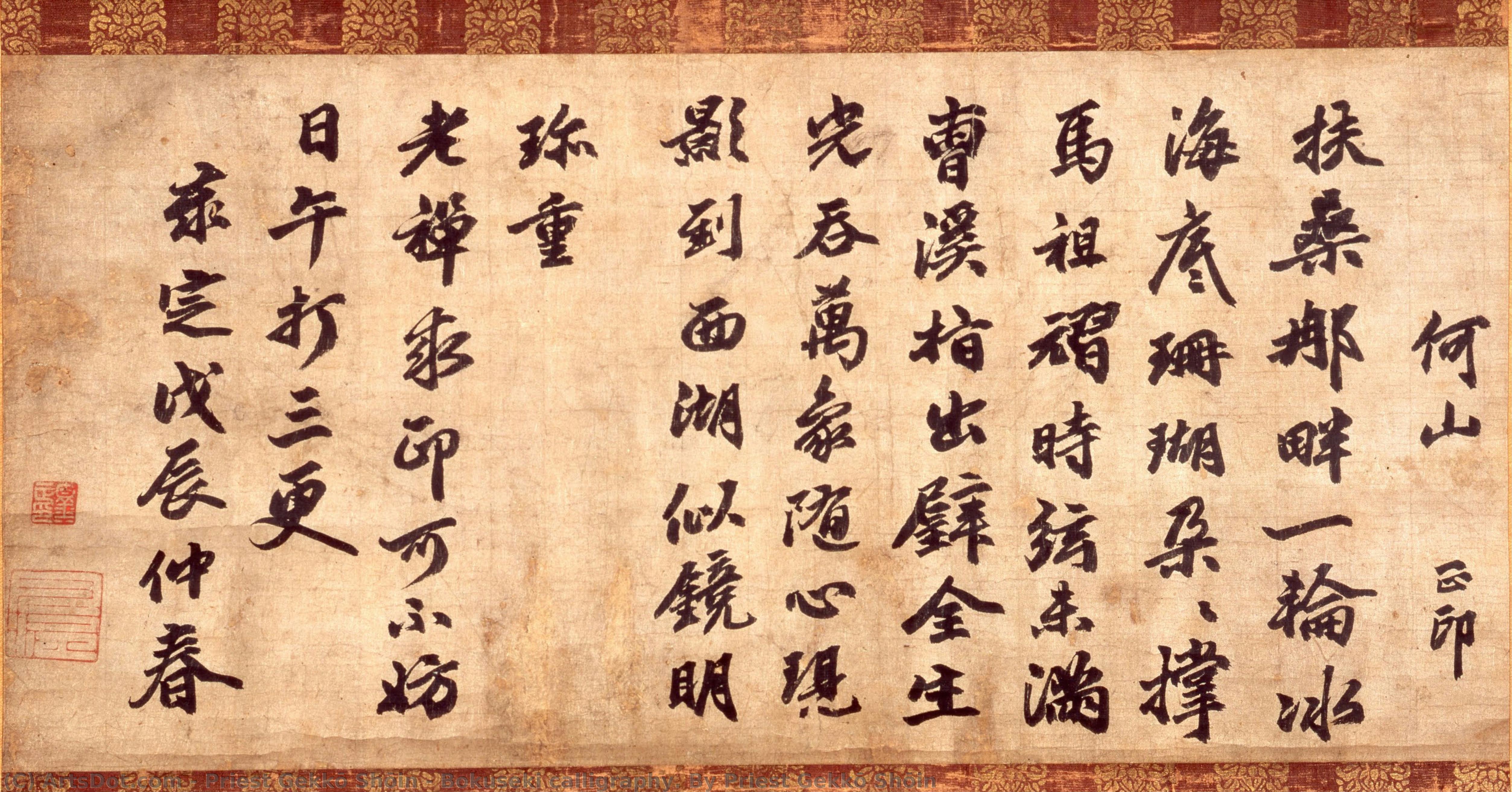
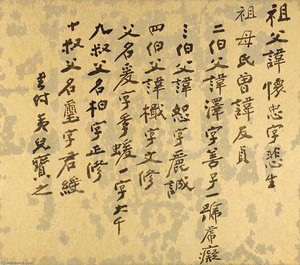
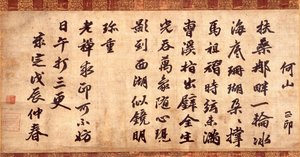
Bokuseki calligraphy. By Priest Gekkō Shōin

 Weiterlesen
Erwerben Sie ein hochauflösendes, optimiertes digitales Bild, das der Online-Vorschau weit überlegen ist.
Jede Datei wird von unseren hauseigenen Spezialisten mit modernsten Werkzeugen und fachmännischer manueller Retusche sorgfältig vorbereitet. Wir stellen sicher, dass jedes Bild eine außergewöhnliche Klarheit, präzise Farbgenauigkeit und feinste Details aufweist.
Die endgültige Datei wird innerhalb von 72 Stunden per E-Mail zugestellt und ist für den sofortigen Einsatz in professionellen, redaktionellen und Druckumgebungen optimiert. Es handelt sich um dieselbe Qualität, der führende Designstudios, Verlage und Galerien vertrauen.
Digitales Bild
Laden Sie eine hochauflösende Datei für die persönliche Präsentation, den Druck und kreative Projekte herunter. ( Druck bestellen Handgemalte Reproduktion bestellen)
In jeder Bestellung digitaler Bilder enthalten
Professionelle digitale Bereitstellung, garantiert
Wenn Sie sich für ArtsDot.com entscheiden, erhalten Sie nicht nur ein Bild – Sie erhalten ein professionell aufbereitetes digitales Kunstwerk, das mit höchster Präzision erstellt und durch eine Zufriedenheitsgarantie abgesichert wird. Hier ist alles, was automatisch mit Ihrer Bestellung geliefert wird:

Schnelle E-Mail-Zustellung
Ihre hochauflösende digitale Bilddatei wird Ihnen innerhalb von 72 Stunden nach der Bestellung per E-Mail zugestellt – bereit zur sofortigen Verwendung.

KI-optimierte digitale Datei
Ihre Kunstwerke werden professionell mithilfe fortschrittlicher KI-Tools und manueller Bearbeitung optimiert, um maximale Detailtreue, Klarheit und Farbgenauigkeit zu gewährleisten.

Lebenslanger kostenloser Neudruckservice
Datei versehentlich gelöscht oder verloren? Keine Sorge – wir senden sie Ihnen jederzeit kostenlos erneut zu.

Keine Einfuhrgebühren – jemals
Genießen Sie Ihr Kunstwerk sofort ohne Zollgebühren, Einfuhrabgaben oder Versandkosten – digitale Downloads sind immer steuerfrei.

Garantierte Farbtreue
Wir garantieren, dass Ihr digitales Bild mithilfe professioneller Werkzeuge und Farbmanagement die Originalfarben so präzise wie möglich wiedergibt.

60-Tage-Zufriedenheitsgarantie
Sollten Sie mit Ihrem digitalen Bild nicht zufrieden sein, werden wir es überarbeiten oder Ihnen innerhalb von 60 Tagen 100% erstatten – ohne Wenn und Aber.

100% Geld-zurück-Garantie
Nicht zufrieden? Erhalten Sie innerhalb von 60 Tagen nach Erhalt Ihrer digitalen Datei eine vollständige Rückerstattung – ohne Angabe von Gründen.

Rabatte bei Großbestellungen
3 Bilder kaufen, 10% sparen – 5 Bilder kaufen, 15% sparen – Ab 10 Bildern 20% sparen. Ideal für kreative Projekte, Galerien und Agenturen.
Ähnliche Kunstwerke
Biografie des Künstlers
Priest Gekkō Shōin: The Silent Master of Mount Minobu
Ogata Gekko (1246–1333), known as Priest Gekkō Shōin, stands as a monumental figure in Japanese Zen Buddhism and landscape painting. Born into a noble family in Fujikawa, Iwabuchi Province, his early life was marked by scholarly pursuits and a profound engagement with Buddhist philosophy—specifically the teachings of Nichiren Daimyō, who championed the Lotus Sutra as the supreme scripture.
- Early Influences: Gekko’s formative years were shaped by his father, Oi-no Kitsuroku, a renowned scholar and diplomat who instilled in him a deep appreciation for classical literature and Confucian ethics. However, it was Nichiren Daimyō's unwavering devotion to the Lotus Sutra that ignited Gekko’s spiritual passion.
- Zen Training: Recognizing Nichiren’s prophetic vision of the Third Age—a period where enlightenment would be accessible to all through sincere recitation of the mantra “Namu Myōhō Renge Kyō”—Gekko embarked on a rigorous Zen training regimen at Shijuku-in Temple, mastering meditation techniques and cultivating inner stillness.
- The Mount Minobu Monastery: In 1290, Gekko established Taisekiji Temple atop Mount Minobu—a site revered for its spiritual significance and considered to be the “Sacred Peak of Enlightenment.” This monastery became his lifelong abode and served as a center for disseminating Nichiren Buddhism throughout Japan.
Gekko’s artistic legacy rests primarily on his breathtaking landscape paintings, collectively known as *Kōkan Sansui* (空紺山水), which embody the Zen aesthetic ideal of “empty mountain scenery.” Unlike conventional depictions that strive to capture external beauty, Gekko's canvases aim to convey a profound sense of inner harmony and transcendence—reflecting the meditative state achieved by practitioners.
- Technique: Gekko’s masterful brushwork employed subtle gradations of ink tones—particularly Prussian blue—to create atmospheric vistas that evoke the grandeur and serenity of nature. He meticulously observed seasonal changes, capturing the ephemeral beauty of blossoms, snowscapes, and autumn foliage with unparalleled sensitivity.
- Symbolism: The paintings are laden with symbolic references to Buddhist concepts such as emptiness (sunyata), impermanence (mujō), and interconnectedness—themes central to Zen philosophy. Gekko’s compositions subtly guide the viewer's gaze toward contemplation, prompting reflection on the nature of reality.
- Notable Works: Among his most celebrated paintings are *The Great Wave* and *Snow Viewing at Minobu,* which exemplify the Kōkan Sansui style and remain among Japan’s finest landscape masterpieces. These works continue to inspire artists and scholars alike, cementing Gekko's place as a pivotal figure in Japanese art history.
Gekko’s influence extended beyond his artistic achievements. He served as Abbot of Taisekiji Temple for over forty years, fostering a vibrant monastic community and overseeing the propagation of Nichiren Buddhism. His unwavering commitment to Zen practice and his profound understanding of Buddhist cosmology established him as a revered spiritual leader—a testament to the enduring power of contemplative art to illuminate the path toward enlightenment.
- Legacy: Gekko’s teachings emphasized the importance of diligent meditation, ethical conduct, and selfless service—principles that continue to guide Nichiren Buddhists today.
- Historical Significance: His work represents a cornerstone of Kōkan Sansui landscape painting and embodies the Zen aesthetic ideal. It stands as an enduring symbol of spiritual contemplation and artistic excellence.
Gekko’s contribution to Japanese art is undeniable, securing his place as one of the most important artists of the thirteenth century. His paintings continue to captivate audiences worldwide, demonstrating the timeless beauty and profound wisdom inherent in Zen aesthetics.
priest gekkō shōin
China
Kurzinfos
- Artistic Movement Or Style: Bokuseki calligraphy
- Artists Or Movements Influenced By This Artist: ['Japanese Zen Buddhism']
- Artists Who Influenced This Artist: ['Muqi']
- Date Of Death: February 7, 1333
- Full Name: Ogata Gekko
- Nationality: Japanese
- Notable Artworks: ['The Zen Priest Chōka']
- Place Of Birth: Fujikawa, Iwabuchi Ichirizuka

