

 Vorschau anzeigen
 Versenden
 Teilen
 Details anzeigen

 Herunterladen
 Ähnliche Objekte
 Röntgenaufnahme
 Diashow
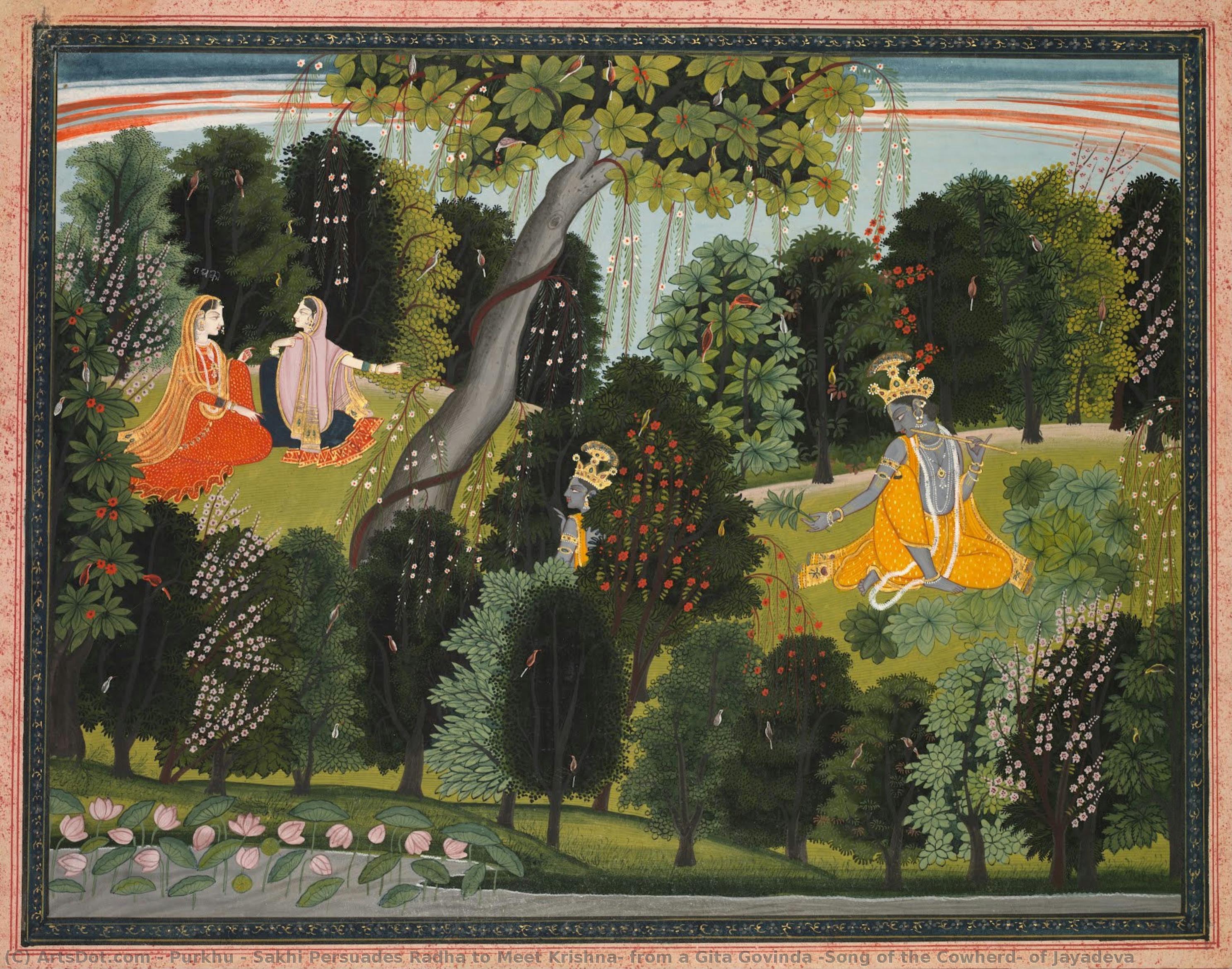
Sakhi Persuades Radha to Meet Krishna, from a Gita Govinda (Song of the Cowherd) of Jayadeva
 Acrylic On Paper
- Indian Miniature Painting
 1820
1820 24.0 x 32.0 cm
 Cleveland Museum of Art
 Weiterlesen
Handgefertigte Ölreproduktion
Handgemaltes Ölgemälde auf Leinwand in Ihrer Wunschgröße und mit Rahmen, auf Bestellung von unseren Künstlern angefertigt. ( Druck bestellen Bild kaufen)




P118B $10

P118H $10

P118W $10

P438Z $10

P508JH $12

P508YH $12

P805H $10

P805Z $10

P919BZ $10

P919G $10

P919XJ $10

P959ZH $10

P968JZ $12

W106C $8

W218G $10

W218JH $8

W218Y $10

W307PJ $10

W316G $10

W316PJ $8

W316Y $10

W398PJ $8

W4111J $10

W500HY $15

W500JH $15

W692G $12

W849H $8

W940BG $15

W953PJ $8




Wählen Sie aus unseren vordefinierten Formaten, die den ursprünglichen Proportionen des Kunstwerks entsprechen.

Sie können Ihre eigenen Maße eingeben, um einen bestimmten Rahmen oder Platz auszufüllen. Wenn die gewählte Größe nicht den Proportionen des Originalbildes entspricht, werden wir das Kunstwerk entweder beschneiden oder das Gemälde durch zusätzliche, handgemalte Elemente erweitern. Ein digitales Mockup wird Ihnen zur Genehmigung zugesandt, bevor die Produktion beginnt.
Bitte beachten Sie, dass die Bildschirmvorschau nicht die tatsächliche Beschneidung oder Erweiterung widerspiegelt. Nur das Mockup zeigt die endgültige Komposition exakt an.
Obwohl Sondermaße verfügbar sind, empfehlen wir, eine Größe aus der vordefinierten Liste zu wählen, um die ursprünglichen Proportionen beizubehalten.
Nach der Bestellung wird das ArtsDot.com-Team dem Kunden Anweisungen per E-Mail zusenden und eine Mockup-Vorschau bereitstellen.
Weltweiter Versand () in nur 3 bis 4 Wochen statt der üblichen 5 Wochen. (30 August). Keine Kompromisse bei der Qualität.

Kostenloser weltweiter Expressversand

Hochwertige Leinenleinwand

Umfassender Versicherungsschutz beim Versand

Zollgebühren-Rückerstattungsgarantie

Garantie für exakte Farbtreue

60 Tage Rückgaberecht (nur bei Mängeln)

100% Geld-zurück-Garantie

Mengenrabatt verfügbar
 Die Glasoption ist nur für Größen unter 110 cm verfügbar.

Sakhi Persuades Radha to Meet Krishna, from a Gita Govinda (Song of the Cowherd) of Jayadeva
Art der Reproduktion
Format der Reproduktion
-


Gesamtpreis
$ 263
A Divine Encounter: Purkhu’s “Sakhi Persuades Radha”
Within the rich tapestry of 18th-century Rajput painting resides a captivating miniature, "Sakhi Persuades Radha to Meet Krishna," attributed to the masterful Purkhu. Painted circa 1820, this artwork isn't merely a depiction of Hindu mythology; it’s a vibrant window into a world of divine romance, courtly intrigue, and profound symbolism – a testament to the artistic legacy of Kangra. The piece, now housed within the Cleveland Museum of Art, offers a glimpse into the life and work of Purkhu, a key figure in shaping the distinctive Kangra style, known for its luminous colors, intricate detail, and narrative depth.
At the heart of the composition lies a scene plucked from Jayadeva’s celebrated *Gita Govinda*, a Sanskrit epic exploring the passionate love between Krishna and Radha. Purkhu masterfully captures the pivotal moment when Sakhi, Radha's confidante, attempts to coax her into meeting Krishna amidst the lush backdrop of a forest grove. The figures are rendered with remarkable sensitivity – Radha, initially hesitant and veiled in contemplation, is gently urged forward by the energetic Sakhi, who gestures towards the distant figure of Krishna. He’s shown playing his flute, a symbol of divine love and enchantment, while preparing for their clandestine rendezvous. The scene unfolds with an almost palpable sense of anticipation, capturing the delicate balance between Radha's inner turmoil and the allure of divine connection.
Technique and Style: A Symphony of Color and Detail
Purkhu’s artistic approach is immediately recognizable through his masterful use of color. The palette is extraordinarily rich and vibrant – deep blues, emerald greens, fiery reds, and shimmering golds dominate the scene, creating a luminous and almost dreamlike atmosphere. This characteristic of Rajput painting, particularly that of Kangra, stems from the use of mineral pigments, which produce exceptionally bright and enduring hues. The technique itself is characterized by meticulous layering of thin washes of color, building up detail with incredible precision. Purkhu’s brushwork is remarkably fine, creating a sense of texture and depth – from the smooth skin tones to the intricate folds of the foliage and the delicate details of Krishna's flute.
Notably, the composition eschews traditional perspective in favor of a flattened style, a hallmark of Rajput miniature painting. This deliberate flattening creates a stage-like quality, drawing the viewer’s eye directly into the scene and emphasizing its symbolic significance rather than striving for photographic realism. The use of gold leaf adds further opulence and highlights key elements within the composition, particularly Krishna's flute and Radha’s adornments.
Symbolism and Context: A Window into Rajput Culture
Beyond the immediate narrative, “Sakhi Persuades Radha” is laden with symbolism. The forest grove itself represents a space of both danger and delight – a place where divine love can flourish but also carries the risk of transgression. The tree, a recurring motif in Hindu art, symbolizes fertility, life, and the interconnectedness of all things. Flowers, abundant throughout the scene, represent love, beauty, and devotion. The inclusion of verses from Jayadeva’s *Gita Govinda* directly within the painting further enriches its meaning, inviting viewers to engage with the text alongside the visual imagery.
Furthermore, the artwork reflects the cultural context of Kangra during the reign of Maharaja Sansar Chand. Purkhu served as a court artist, documenting not only religious themes but also aspects of royal life and patronage. The piece’s creation coincided with a period of artistic flourishing in Kangra, marked by a synthesis of Mughal and Rajput traditions – a fusion that resulted in a uniquely vibrant and expressive style.
Emotional Resonance: A Celebration of Divine Love
Ultimately, “Sakhi Persuades Radha to Meet Krishna” is more than just a historical artifact; it’s an emotionally resonant work of art. The painting captures the essence of divine love – its intensity, its vulnerability, and its transformative power. The scene evokes a sense of longing, devotion, and anticipation, inviting viewers to contemplate the complexities of human relationships and the eternal quest for spiritual fulfillment. It's a piece that speaks to the timeless themes of romance, faith, and the pursuit of beauty, making it a captivating addition to any collection or a stunning focal point within an interior space.
Ähnliche Kunstwerke
Über den Künstler
Purkhu: Ein Meister der Rajput-Malerei
Leben und Ursprünge
Um 1750 in Jaipur, Indien, geboren, war Purkhu ein indischer Künstler, der in einer Ära bedeutenden künstlerischen Austauschs seine Blütezeit erlebte. Mit seinem Tod im Jahr 1860 hinterließ er ein bleibendes Vermächtnis als eine Schlüsselfigur innerhalb der Rajput-Malertradition. Obwohl detaillierte biographische Informationen über sein Leben spärlich gesät sind, gewährt sein Werk wertvolle Einblicke in die kulturelle und ästhetische Landschaft Indiens im 18. und 19. Jahrhundert.
Künstlerische Einflüsse und Stil
Purkhus künstlerischer Stil war tief in den traditionellen indischen Literatur- und Poesiewerken verwurzelt. Er schöpfte seine Inspiration aus Texten wie dem Rasikapriya, dem Bhagavata Purana und der Ragamala-Serie, wobei er Verse oder Inschriften oft direkt in seine Gemälde integrierte. Diese Verschmelzung von Wort und Bild ist ein Markenzeichen seines Schaffens.
- Leuchtende Farben: Seine Paletten zeichnen sich durch lebendige Farbtöne aus, die typisch für die Rajput-Ästhetik sind.
- Flächigkeit: Purkhus Kompositionen verzichten im Allgemeinen auf eine realistische Perspektive zugunsten flacher Farbebenen.
- Abstrakte Form: Er gab universellen Themen und symbolischen Darstellungen oft den Vorzug gegenüber einem strengen Naturalismus.
Obwohl der Einfluss der Mogul-Malerei in bestimmten stilistischen Elementen deutlich erkennbar ist, bewahrte Purkhu konsequent seine eigene Identität als Rajput-Künstler und hielt die Kernprinzipenschaft dieser regionalen Tradition aufrecht.
Hauptwerke und Themen
Purkhus Gemälde stellen häufig Szenen aus der hinduistischen Mythologie dar, insbesondere jene, die sich auf das Gita Govinda beziehen – ein gefeiertes Werk Sanskrit-Poesie, das die Liebe zwischen Krishna und Radha thematisiert. Seine Darstellungen sind für ihre emotionale Tiefe und ihre filigrane Detailgenauigkeit bekannt.
- Göttliche Romanze: Szenen, die die Beziehung zwischen Krishna und Radha porträtieren, stehen im Zentrum seines Œuvres.
- Ragamala-Serie: Er schuf Gemälde zur Illustration der Ragamala, einer Serie, welche musikalische Modi durch visuelle Metaphern darstellt.
- Narrative Tiefe: Die Einbeziehung von Versen und Inschriften verleiht seinen Kompositionen zusätzliche Bedeutungsebenen und bereichert ihre erzählerische Kraft.
Sakhi überredet Radha, Krishna zu treffen (aus dem Gita Govinda) ist ein besonders bemerkenswertes Beispiel seines Werkes, das seine Meisterschaft in Farbe, Komposition und Erzählkunst eindrucksvoll unter Beweis stellt.
Historische Bedeutung und Vermächtnis
Die Beiträge Purkhus zur Rajput-Malertradition sind von großer Bedeutung. Er repräsentiert die Fortführung künstlerischer Exzellenz innerhalb dieses regionalen Stils und demonstriert dessen beständige Vitalität während einer Zeit des politischen und kulturellen Wandels. Sein Werk bietet wertvolle Einblicke in die religiösen Überzeugungen, sozialen Bräuche und ästhetischen Vorlieben des Indiens des 18. und 19. Jahrhunderts.
Heute befinden sich Purkhus Gemälde in hochgeschätzten Sammlungen weltweit, darunter die Memorial Art Gallery der University of Rochester. Reproduktionen seiner Kunstwerke sind über Plattformen wie ArtsDot.com leicht erhältlich, was es einem breiteren Publikum ermöglicht, sein künstlerisches Erbe zu würdigen.
Verfügbarkeit von Reproduktionen
ArtsDot.com bietet hochwertige Reproduktionen von Purkhus Werk in verschiedenen Formaten an, darunter Leinwanddrucke und Giclée-Drucke. Diese Zugänglichkeit stellt sicher, dass Kunstliebhaber ein Stück indischer Kunstgeschichte in ihren eigenen Wohnungen oder Büros genießen können.
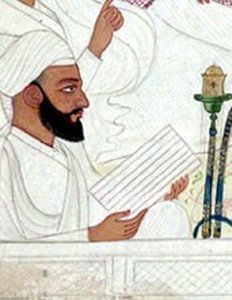
Purkhu
1750 - 1860 , Indien
Kurzinfos
- Artistic Movement Or Style: Rajput Malerei
- Artists Or Movements Influenced By This Artist: ['']
- Artists Who Influenced This Artist: ['Mughal Malerei']
- Date Of Birth: 1750
- Full Name: Purkhu
- Nationality: Indien
- Notable Artworks: ['Sakhi Persuades Radha to Meet Krishna (from Gita Govinda)']
- Place Of Birth: Jaipur, Indien
Ähnliche Artikel
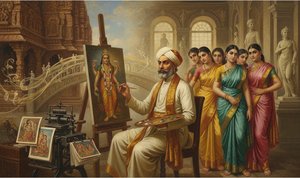
Raja Ravi Varma: Bridging Tradition & Modernity in 19th-Century Indian Art
Explore the life & art of Raja Ravi Varma, a pioneer who fused European techniques with Indian iconography. Discover his iconic paintings, lasting legacy, and influence on modern Indian art at ArtsDot.
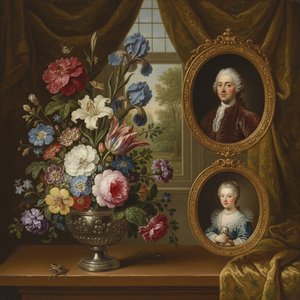
Jan van Kessel the Elder: A Baroque Master of Floral Still Life & Miniature Portraiture
Discover the exquisite detail of Jan van Kessel the Elder's Baroque floral still lifes & captivating miniatures. Explore his artistic legacy, scientific precision, and lasting influence on 17th-century Flemish painting.
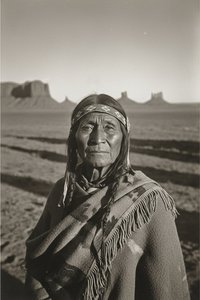
Shadow Catcher: Edward S. Curtis & the Ethnographic Portraiture of a Vanishing West
Explore the life & work of Edward S. Curtis, the 'Shadow Catcher,' and his groundbreaking photographic documentation of Native American cultures. Discover iconic images from *The North American Indian* and a critical look at his lasting legacy.
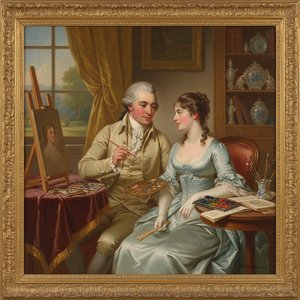
Richard Cosway: Capturing Regency Elegance & Intimacy Through Portraiture
Explore the captivating world of Richard Cosway, Regency society's celebrated portrait miniaturist. Discover his exquisite art, aristocratic patrons & lasting legacy with ArtsDot.
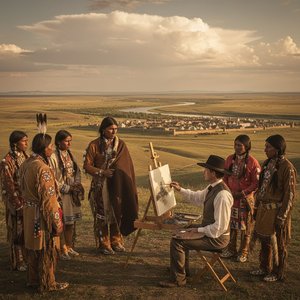
George Catlin und die Bewahrung des amerikanischen Westens: Eine visuelle Dokumentation indigener Lebensweisen im Zeitalter des Wandels
Entdecken Sie das faszinierende Werk von George Catlin und seine einzigartige Dokumentation der indigenen Kulturen des amerikanischen Westens. Erfahren Sie mehr über die Lebensweisen, Rituale und Traditionen der Native Americans im Zeitalter des Wandels.

