 Vorschau anzeigen
 Versenden
 Teilen
 Details anzeigen

 Herunterladen
 Ähnliche Objekte
 Röntgenaufnahme
 Diashow
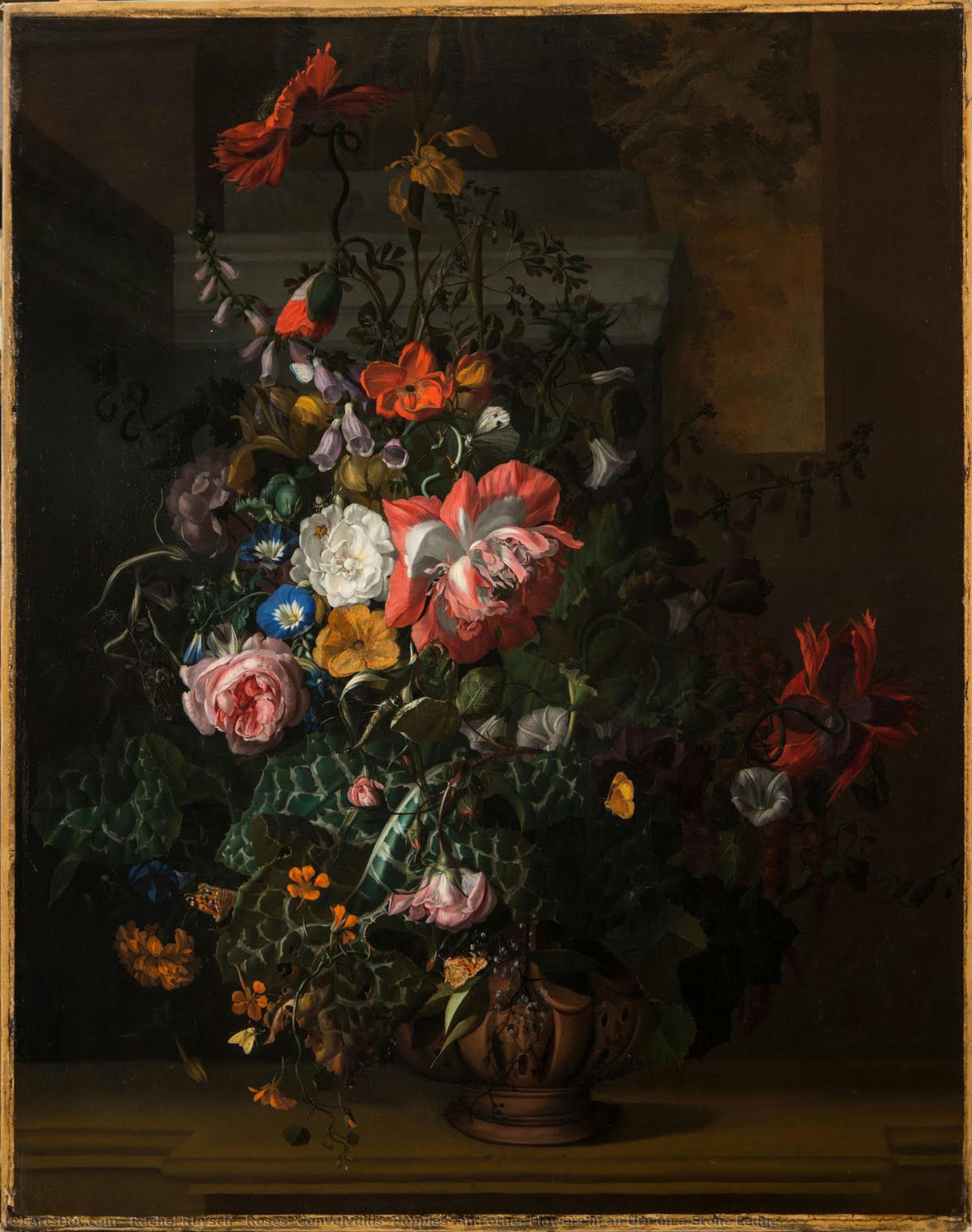
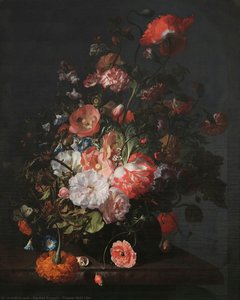
Roses, Convolvulus, Poppies, and other Flowers in an Urn on a Stone Ledge


 Weiterlesen
Giclée / Kunstdruck
Giclée- oder Leinwanddruck in Museumsqualität mit schneller Produktion und flexiblen Veredelungsoptionen. ( Handgemalte Reproduktion bestellen Bild kaufen)




P118B $10

P118H $10

P118W $10

P438Z $10

P508JH $12

P508YH $12

P805H $10

P805Z $10

P919BZ $10

P919G $10

P919XJ $10

P959ZH $10

P968JZ $12

W106C $8

W218G $10

W218JH $8

W218Y $10

W307PJ $10

W316G $10

W316PJ $8

W316Y $10

W398PJ $8

W4111J $10

W500HY $15

W500JH $15

W692G $12

W849H $8

W940BG $15

W953PJ $8




Wählen Sie aus unseren vordefinierten Formaten, die den ursprünglichen Proportionen des Kunstwerks entsprechen.

Sie können Ihre eigenen Maße eingeben, um ein bestimmtes Format oder einen speziellen Platz einzupassen. Wenn das von Ihnen gewählte Format nicht den Proportionen des Originalbildes entspricht, werden wir das Kunstwerk entweder beschneiden oder das Bild mit einem gespiegelten oder einfarbigen Rand erweitern. Ein digitaler Entwurf wird Ihnen zur Genehmigung zugesandt, bevor die Produktion beginnt.
Bitte beachten Sie, dass die Vorschau auf dem Bildschirm nicht den tatsächlichen Zuschnitt oder die Erweiterung widerspiegelt. Nur der Entwurf zeigt die endgültige Komposition präzise an.
Obwohl Sondermaße verfügbar sind, empfehlen wir die Auswahl eines Maßes aus der vordefinierten Liste, um die ursprünglichen Proportionen zu bewahren.
Weltweiter Versand () innerhalb von 2 Wochen statt der üblichen 4/5 Wochen. (26 August)

Kostenloser weltweiter Expressversand

Hochwertige Leinenleinwand

Umfassender Versicherungsschutz beim Versand

Zollgebühren-Rückerstattungsgarantie

Garantie für exakte Farbtreue

60 Tage Rückgaberecht (nur bei Mängeln)

100% Geld-zurück-Garantie

Mengenrabatt verfügbar
 Die Glasoption ist nur für Größen unter 110 cm verfügbar.

Roses, Convolvulus, Poppies, and other Flowers in an Urn on a Stone Ledge
Giclée / Kunstdruck
Format der Reproduktion
-


Gesamtpreis
$ 62
Sammlerstück-Beschreibung
Rachel Ruysch’s Intimate Ode to Floral Beauty
Rachel Ruysch's "Roses, Convolvulus, Poppies, and other Flowers in an Urn on a Stone Ledge," painted circa 1680, offers a profound glimpse into the world of one of the most remarkable botanical artists of the Baroque era. This exquisite still life transcends mere representation; it’s a meticulously crafted meditation on beauty, fragility, and the very essence of life itself. The painting's power lies not just in its vibrant colors or intricate detail, but in Ruysch’s profound understanding of her subject matter – an understanding cultivated within the extraordinary environment of her father’s laboratory.
- Subject Matter: The composition centers around a porcelain urn overflowing with a stunning array of flowers. Roses, poppies, and convolvulus dominate the scene, each rendered with astonishing realism.
- Technique: Ruysch's mastery is immediately apparent in her use of *sfumato*, a technique perfected by Leonardo da Vinci, which creates subtle gradations of light and shadow, lending an almost ethereal quality to the blossoms. Her brushwork is incredibly fine, capturing the delicate textures of petals, leaves, and even the rough surface of the stone ledge upon which the urn rests.
- Color Palette: The artist employs a masterful color palette, utilizing rich reds, yellows, and greens to create a sense of depth and luminosity. The careful layering of translucent glazes – a hallmark of Ruysch’s technique – intensifies the colors and adds to the painting's shimmering effect.
A Window into the World of Frederik Ruysch
Rachel Ruysch’s artistic journey was inextricably linked to her father, Frederik Ruysch, a pioneering anatomist and botanist. His renowned collection, housed within their Amsterdam home, served as both inspiration and subject matter for Rachel's paintings. Unlike many artists of the time who relied on idealized representations of nature, Ruysch meticulously copied specimens from her father’s cabinet – roses preserved in wax, insects pinned and labeled, and countless botanical illustrations. This direct engagement with scientific observation instilled in her a rigorous attention to detail and an unparalleled understanding of floral anatomy. The painting is therefore not simply a beautiful still life; it's a testament to the intellectual curiosity and artistic talent nurtured within this unique household.
- Scientific Observation: Ruysch’s work demonstrates a remarkable level of botanical accuracy, reflecting her deep understanding of flower structure and development.
- The Cabinet of Curiosities: The painting embodies the spirit of the “cabinet of curiosities,” a popular trend in 17th-century Europe that valued both scientific knowledge and aesthetic appreciation.
Symbolism and Emotional Resonance
Beyond its technical brilliance, "Roses, Convolvulus, Poppies, and other Flowers in an Urn on a Stone Ledge" is rich in symbolic meaning. The choice of flowers – roses representing love and beauty, poppies symbolizing sleep and remembrance, and convolvulus signifying constancy – adds layers of interpretation to the composition. The arrangement itself suggests a carefully considered balance between opposing forces: life and death, beauty and decay. The overall effect is one of quiet contemplation, inviting the viewer to appreciate the transient nature of beauty and the profound connection between art and the natural world.
- Floral Symbolism: Each flower carries a specific symbolic weight, contributing to the painting’s complex narrative.
- Fragility and Mortality: The delicate flowers, rendered with such precision, subtly evoke themes of fragility and mortality – reminders of life's fleeting beauty.
A Legacy of Botanical Art
Rachel Ruysch’s work represents a pivotal moment in the history of botanical art. Her meticulous technique, combined with her profound understanding of floral anatomy and symbolism, established her as one of the most influential artists of her time. Today, her paintings continue to captivate viewers with their beauty, precision, and emotional resonance. A hand-painted reproduction of “Roses, Convolvulus, Poppies, and other Flowers in an Urn on a Stone Ledge” offers a unique opportunity to own a piece of art history – a timeless celebration of nature’s exquisite artistry.
Ähnliche Kunstwerke
Über den Künstler
Rachel Ruysch: Ein Leben in Blumen
- Geboren: Amsterdam, Niederlande, 3. Juni 1664
- Gestorben: 1750
- Nationalität: Niederländisch
- Bekannt für: Stilllebenmalerei, insbesondere Blumenarrangements
Frühes Leben und Ausbildung
- Rachel Ruysch wurde in eine Familie mit intellektuellen Interessen geboren. Ihr Vater, Frederik Ruysch, war ein bekannter Professor für Anatomie und Botanik und besaß eine umfangreiche Sammlung botanischer Exemplare, Tierknochen und Mineralien. Diese Umgebung beeinflusste Rachels künstlerische Entwicklung tiefgreifend.
- Sie begann bereits in jungen Jahren, Blumen und Insekten zu malen und nutzte die Sammlung ihres Vaters als Inspiration und Übungsmaterial. Ihre frühen Arbeiten zeigten bemerkenswerte Detailgenauigkeit und eine scharfe Beobachtungsgabe für die Natur.
- Im Alter von fünfzehn Jahren wurde sie bei Willem van Aelst, einem renommierten Blumenmaler in Amsterdam, in die Lehre gegeben. Diese Ausbildung vermittelte ihr formale Kenntnisse in Maltechniken und Komposition. Van Aelst lehrte sie, Bouquets realistisch anzuordnen und so eine Illusion von Spontaneität zu erzeugen.
Künstlerischer Stil und Entwicklung
- Ruysch entwickelte einen unverwechselbaren Stil, der durch detailreiche Ausführung, lebendige Farben und asymmetrische Kompositionen gekennzeichnet war. Sie zeichnete sich dadurch aus, einzelne Blumen mit bemerkenswerter Realitätstreue darzustellen und dabei ihre Texturen, Formen und subtilen Farbnuancen einzufangen.
- Ihre Gemälde zeigten oft hängende Blüten und wilde Stiele, wodurch eine dynamische Energie in der Stilllebenanordnung entstand. Die dunklen Hintergründe, die in ihren Arbeiten häufig vorkamen, dienten dazu, die Brillanz der floralen Motive hervorzuheben.
- Beeinflusst von Otto Marseus van Schrieck, integrierte sie Elemente von Waldlandschaftsszenen in einige ihrer Werke, darunter Insekten, Schlangen und andere kleine Kreaturen inmitten üppiger Vegetation.
- Sie kombinierte geschickt Blumen, die zu unterschiedlichen Zeiten des Jahres blühten, und integrierte seltene Pflanzen aus fernen Ländern, die sie über die Kontakte ihres Vaters mit botanischen Gärten erwarb. Dies demonstrierte sowohl ihre künstlerische Kreativität als auch ihr Wissen über Botanik.
Wichtige Errungenschaften und historische Bedeutung
- Ruysch erlangte zu Lebzeiten internationale Anerkennung und zog Mäzene aus ganz Europa an, darunter Mitglieder königlicher Familien wie die Medici. Ihr Erfolg war bemerkenswert für eine weibliche Künstlerin im 17. und 18. Jahrhundert.
- Sie wurde als erste Frau Mitglied der Pictura, einer exklusiven Künstlergesellschaft in Den Haag, was ihre Anerkennung unter männlichen Kollegen symbolisierte.
- Ihre Gemälde werden heute hoch geschätzt und befinden sich in renommierten Sammlungen auf der ganzen Welt, darunter im National Museum of Women in the Arts, im Toledo Museum of Art und im Mauritshuis.
- Rachels Vermächtnis geht über ihre künstlerischen Leistungen hinaus. Sie stellte Geschlechterrollen innerhalb der Kunstwelt in Frage und bewies, dass Frauen bedeutenden Erfolg als professionelle Künstlerinnen erzielen können. Ihre detailgenaue Ausführung und innovativen Kompositionen beeinflussten nachfolgende Generationen von Stilllebenmalern.
Späteres Leben und Vermächtnis
- Rachel Ruysch heiratete 1693 Jurriaen Pool, einen Porträtmaler. Sie malte während ihrer Ehe und Mutterschaft weiter und zog zehn Kinder auf, während sie eine erfolgreiche künstlerische Karriere führte – ein ungewöhnliches Unterfangen für Frauenkünstlerinnen zu dieser Zeit.
- Während ihres Lebens wurde eine Sammlung von Gedichten veröffentlicht, die ihre Gemälde feierten, eine seltene Ehre für jeden Künstler.
- Sie starb 1750 im Alter von 86 Jahren und hinterließ ein umfangreiches Werk, das bis heute für seine Schönheit und technische Fähigkeiten bewundert wird. Ihr Beitrag zur niederländischen Goldenen Zeitalter-Kunst wird nun weithin anerkannt, was ihren Platz als eine der talentiertesten Stilllebenmalerinnen der Geschichte festigt.

Rachel Ruysch
1664 - 1750 , Niederlande
Kurzinfos
- Beeinflusste Künstler:
- Willem van Aelst
- Otto Marseus
- Bemerkenswerte Werke: ['Rosen, Winde, Mohnblumen']
- Geburtsdatum: 3. Juni 1664
- Geburtsort: Amsterdam, Niederlande
- Künstlerische Richtung: Stilllebenmalerei
- Nationalität: Niederländisch
- Todestag: 1750
- Vollständiger Name: Rachel Ruysch
- Von Künstlern Beeinflusst: ['Jan van Huysum']
Ähnliche Artikel

Die 10 Meisterwerke des Goldenen Zeitalters der niederländischen Malerei |
Entdecken Sie die 10 Meisterwerke des Niederländischen Goldenen Zeitalters! Von Rembrandt bis Vermeer – erleben Sie Kunstgeschichte, Techniken & Emotionen. Hochwertige Gemäldereproduktionen für Ihr Zuhause auf .
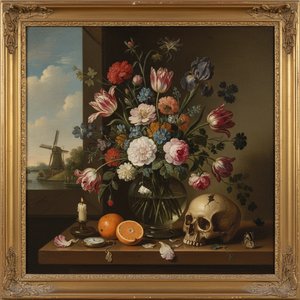
Jan Jansz Wijnants: A Study in Dutch Golden Age Still Life & Floral Transience
Explore the captivating world of Jan Wijnants and Dutch Golden Age still life painting. Discover symbolism, masterful techniques & lasting influence on floral art history. Learn more!

Golden Age Reflections: Dutch Baroque Painting & Cultural Innovation
Explore the Dutch Golden Age of painting! Discover key artists like Vermeer & ter Borch, their innovative techniques, and the rich cultural context behind these Baroque masterpieces. Learn about collecting & appreciating this iconic art period.

Illuminating Innovation: Exploring the Dutch Golden Age of Painting
Explore the Dutch Golden Age of painting with ArtsDot. Discover Rembrandt, Vermeer & other Masters. Learn about key characteristics, iconic artworks, and lasting influence. Expert insights for collectors & enthusiasts.
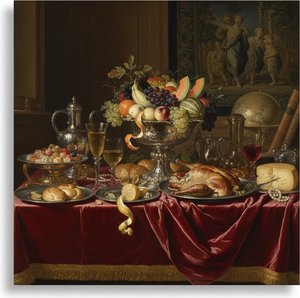
Abraham Hendricksz van Beyeren: Pioneering Dutch Still Life & the Banquet Tradition
Explore the captivating world of Dutch Golden Age still life with Abraham van Beyeren. Discover his innovative techniques, symbolic banquet scenes & lasting influence on art history. Learn about collecting these masterpieces.