 Vorschau anzeigen
 Versenden
 Teilen
 Details anzeigen

 Herunterladen
 Ähnliche Objekte
 Röntgenaufnahme
 Diashow
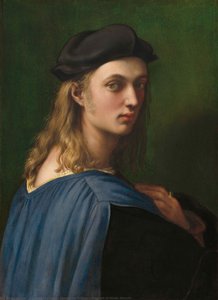
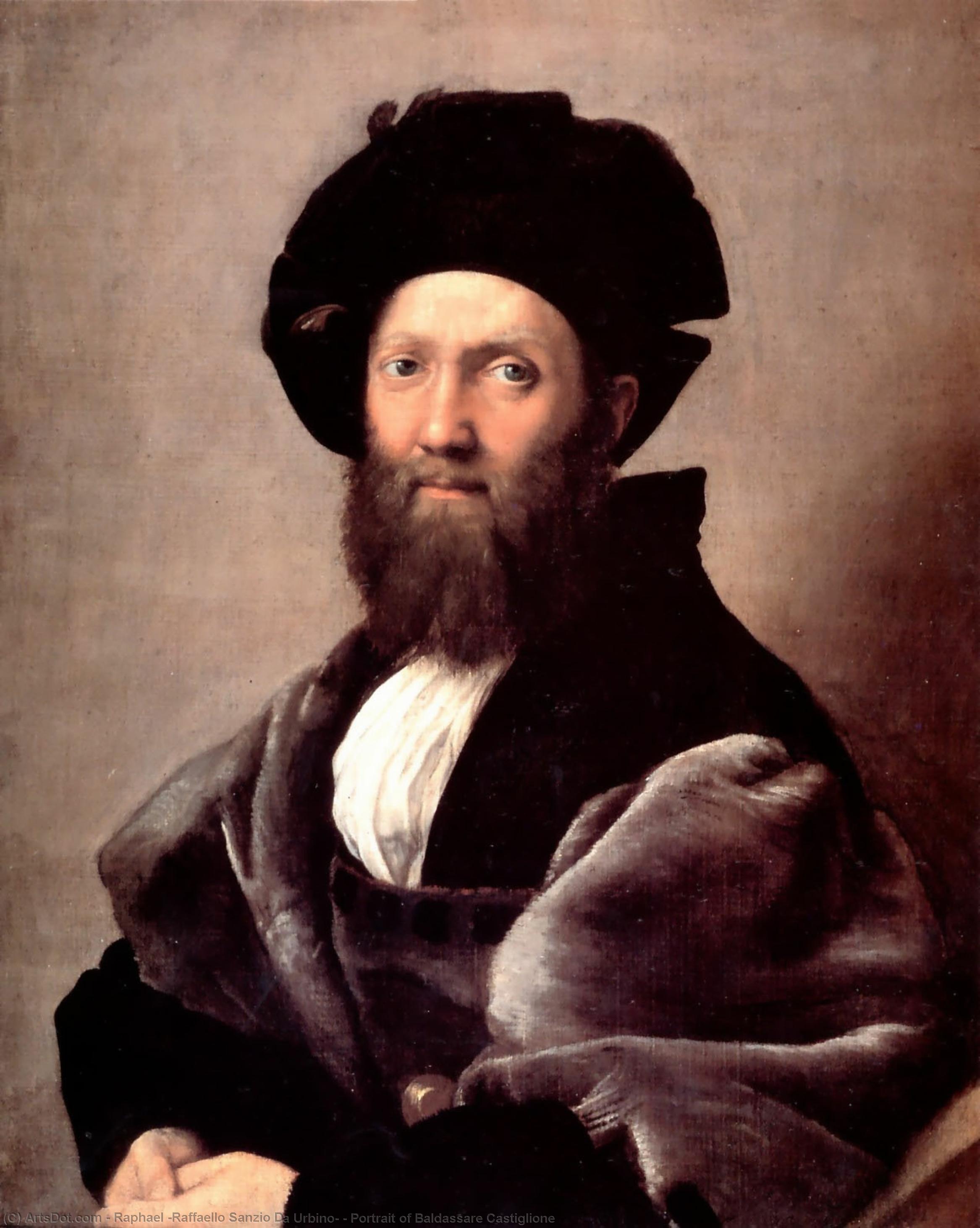
Portrait of Baldassare Castiglione
 Öl auf Leinwand
- Wandkunst
- High Renaissance
 1516
1516- Renaissance
 82.0 x 67.0 cm
 Weiterlesen
Handgefertigte Ölreproduktion
Handgemaltes Ölgemälde auf Leinwand in Ihrer Wunschgröße und mit Rahmen, auf Bestellung von unseren Künstlern angefertigt. ( Druck bestellen Bild kaufen)




P118B $10

P118H $10

P118W $10

P438Z $10

P508JH $12

P508YH $12

P805H $10

P805Z $10

P919BZ $10

P919G $10

P919XJ $10

P959ZH $10

P968JZ $12

W106C $8

W218G $10

W218JH $8

W218Y $10

W307PJ $10

W316G $10

W316PJ $8

W316Y $10

W398PJ $8

W4111J $10

W500HY $15

W500JH $15

W692G $12

W849H $8

W940BG $15

W953PJ $8




Wählen Sie aus unseren vordefinierten Formaten, die den ursprünglichen Proportionen des Kunstwerks entsprechen.

Sie können Ihre eigenen Maße eingeben, um einen bestimmten Rahmen oder Platz auszufüllen. Wenn die gewählte Größe nicht den Proportionen des Originalbildes entspricht, werden wir das Kunstwerk entweder beschneiden oder das Gemälde durch zusätzliche, handgemalte Elemente erweitern. Ein digitales Mockup wird Ihnen zur Genehmigung zugesandt, bevor die Produktion beginnt.
Bitte beachten Sie, dass die Bildschirmvorschau nicht die tatsächliche Beschneidung oder Erweiterung widerspiegelt. Nur das Mockup zeigt die endgültige Komposition exakt an.
Obwohl Sondermaße verfügbar sind, empfehlen wir, eine Größe aus der vordefinierten Liste zu wählen, um die ursprünglichen Proportionen beizubehalten.
Nach der Bestellung wird das ArtsDot.com-Team dem Kunden Anweisungen per E-Mail zusenden und eine Mockup-Vorschau bereitstellen.
Weltweiter Versand () in nur 3 bis 4 Wochen statt der üblichen 5 Wochen. (24 August). Keine Kompromisse bei der Qualität.

Kostenloser weltweiter Expressversand

Hochwertige Leinenleinwand

Umfassender Versicherungsschutz beim Versand

Zollgebühren-Rückerstattungsgarantie

Garantie für exakte Farbtreue

60 Tage Rückgaberecht (nur bei Mängeln)

100% Geld-zurück-Garantie

Mengenrabatt verfügbar
 Die Glasoption ist nur für Größen unter 110 cm verfügbar.

Portrait of Baldassare Castiglione
Art der Reproduktion
Format der Reproduktion
-


Gesamtpreis
$ 263
Beschreibung des Kunstwerks
A Window into Renaissance Dignity: Raphael’s Portrait of Baldassare Castiglione
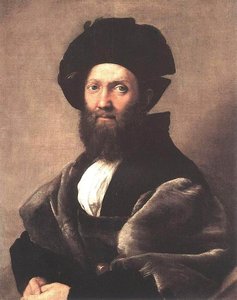
The Portrait of Baldassare Castiglione, executed by Raphael in 1516, transcends mere representation; it embodies the very essence of High Renaissance ideals. More than just a likeness of a prominent Florentine courtier and humanist scholar, this oil on canvas masterpiece—currently residing within the hallowed halls of the Musée du Louvre—offers a profound glimpse into the artistic sensibilities of its time and continues to captivate audiences centuries later.Subject Matter: The Ideal Nobleman
At its core lies the figure of Baldassare Castiglione himself, a man celebrated for his treatise “The Courtier,” which meticulously outlined the virtues deemed essential for achieving social success and cultivating inner nobility. Raphael skillfully captures Castiglione in a posture of contemplative repose—chin resting delicately on hand—a gesture that speaks volumes about composure, intellect, and an unwavering gaze directed outwards. This deliberate positioning wasn’t accidental; it reflects the Renaissance preoccupation with portraying individuals as embodiments of moral excellence and intellectual prowess. The artist meticulously rendered Castiglione's attire – a black coat adorned with gold trim – signifying wealth and status within the aristocratic circles of Florence during Federico Montefeltro’s reign, highlighting the importance of social decorum in shaping one’s character.Artistic Technique: Mastering Chiaroscuro
Raphael’s genius shines through in his masterful manipulation of light and shadow—a technique known as chiaroscuro—that dominates the composition. Unlike earlier artistic styles prioritizing flat surfaces and diffused illumination, Raphael employed dramatic contrasts to sculpt volume and create a palpable sense of depth. This meticulous attention to detail is evident throughout the painting, from the subtle folds of Castiglione’s garment to the delicate rendering of his facial features. The sfumato technique—characterized by hazy gradations of tone—further softens edges and blends colors seamlessly, contributing to an overall atmosphere of serenity and refinement. It's a testament to Raphael’s dedication to realism while simultaneously elevating the artwork beyond mere visual depiction.Historical Context: Cinquecento Florence
The Portrait emerges from the vibrant artistic milieu of the Cinquecento—the “Fifteenth Century”—Florence, Italy. This era witnessed an unprecedented flourishing of creativity fueled by patronage from wealthy families like the Medici and a renewed interest in classical ideals. Raphael’s work aligns perfectly with this movement's ambition to recapture the grandeur and harmony of antiquity while simultaneously exploring humanist concerns about human psychology and moral virtue. The painting serves as a visual chronicle of the period, reflecting its preoccupation with portraying individuals as paragons of excellence—a legacy that continues to inspire artists and scholars alike.Symbolism: Dignity and Reflection
Beyond its technical brilliance, the Portrait carries symbolic weight. Castiglione’s contemplative pose embodies the Renaissance humanist belief in self-reflection and intellectual contemplation – qualities considered crucial for achieving spiritual enlightenment and moral fortitude. The gold trim on his coat symbolizes nobility and prestige, reinforcing the image of Castiglione as a man deserving of admiration and respect. Raphael's careful composition invites viewers to contemplate not only Castiglione’s physical appearance but also his inner character—a profound statement about the humanist values that underpinned Renaissance culture.Emotional Impact: An Echo of Elegance
Ultimately, Raphael’s Portrait transcends mere visual representation; it evokes a feeling of quiet dignity and understated elegance. The painting's harmonious balance and masterful use of chiaroscuro create an atmosphere of serenity and contemplation—a timeless reminder of the beauty and intellectual depth attainable through artistic excellence. It remains a cherished exemplar of High Renaissance art, inviting us to appreciate not only Raphael’s technical skill but also his ability to capture the spirit of an era defined by humanist ideals and artistic innovation.Ähnliche Kunstwerke
Über den Künstler
**frühes Leben und Ausbildung**
Raphael (Raffaello Sanzio da Urbino), ein renommierter italienischer Maler und Architekt, wurde zwischen dem 28. März und dem 6. April 1483 in der kleinen, aber kulturell bedeutenden Stadt Urbino geboren. Sein Vater, Giovanni Santi, war Hofmaler des Herzogs und vermittelte Raphael von Anfang an eine frühe Auseinandersetzung mit der künstlerischen Welt. Nach dem Tod seines Vaters im Alter von elf Jahren betrieb Raphael wahrscheinlich die Familienwerkstatt weiter, was seine künstlerische Grundlage festigte.**Künstlerischer Werdegang und Einflüsse**
Raphaels künstlerischer Weg lässt sich in drei verschiedene Phasen einteilen, jede mit einem einzigartigen Stil gekennzeichnet:- Frühe Jahre in Umbrien: Charakterisiert durch den Einfluss seines Vaters und die kulturelle Atmosphäre von Urbino.
- Florentinische Periode (1504-1508): Aufnahme der künstlerischen Traditionen Florenz, die seinen Stil maßgeblich prägte.
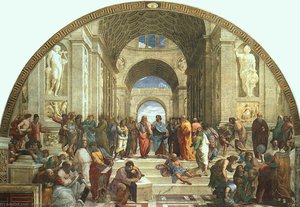
- Römische Periode (1508-1520): Arbeitete für zwei Päpste und ihre Mitarbeiter und schuf einige seiner bekanntesten Werke, darunter die Schule der Athene in der Vatikanische Stanza della Segnatura.
**Bekannte Werke und Vermächtnis**
Einige der bekannten Werke von Raphael sind:- Das Urteil des Salomon (ansicht auf ArtsDot)
- Die Esterházy-Madonna (ansicht auf ArtsDot)
- Vatikanische Stanzen - Ansicht der Stanza della Segnatura (ansicht auf ArtsDot)
- St. Sebastian (ansicht auf ArtsDot)
- La Donna Velata (ansicht auf ArtsDot)
**Einfluss und Vermächtnis**
Raphaels Einfluss auf die Kunst ist tiefgreifend, wobei sein Werk ein Eckpfeiler der Hochrenaissance darstellt. Sein ruhiger und harmonischer Stil war ein Vorbild für die neoklassische Malerei, wie von Kunsthistoriker Johann Joachim Winckelmann bemerkt. Trotz des späteren Einflusses von Michelangelos Stil bleibt Raphael einer der verehrtesten Künstler in der Geschichte. ansicht des Profils von Raphael auf ArtsDot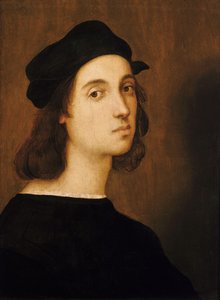
Raffael
1483 - 1520 , Italien
Kurzinfos
- Beeinflusste Künstler:
- Giovanni Santi
- Pietro Perugino
- Bemerkenswerte Werke:
- Das Urteil des Salomon
- Esterházy-Madonna
- Die Schule der Athener
- St. Sebastian
- La Donna Velata
- Einfluss Auf Kunst: Neoklassische Malerei
- Geburtsdatum: 1483
- Geburtsort: Urbino, Italien
- Künstlerischer Stil: Hochrenaissance
- Nationalität: Italienisch
- Todatum: 1520
- Vollständiger Name: Raffaello Sanzio da Urbino
- Von Künstlern Beeinflusst:
- Leonardo da Vinci
- Michelangelo
Ähnliche Artikel
Raphael: Die 25 Meisterwerke des Renaissance-Genies – Kunst für Ihr Zuhause
Entdecken Sie die 25 schönsten Meisterwerke von Raphael! Tauchen Sie ein in die Welt der Renaissance-Kunst, erfahren Sie faszinierende Geschichten und lassen Sie sich von den Farben und Kompositionen inspirieren. Hochwertige Reproduktionen auf ArtsDot.com.

The Enduring Legacy of Oil on Canvas: Technique, History & Aesthetic Impact
Explore the rich history & techniques of oil painting – from Renaissance masters to Impressionism. Discover pigments, layering methods, and why this timeless medium endures. Expert insights for artists & art enthusiasts.

Öl auf Leinwand: Eine historische und technische Erkundung eines zeitlosen künstlerischen Mediums
Entdecken Sie die faszinierende Welt der Ölmalerei! Von historischen Techniken bis zur modernen Anwendung – wir bieten Expertenwissen, Restaurierungstipps und hochwertige Reproduktionen. Jetzt informieren!

Das bleibende Erbe der Ölmalerei: Technik, Geschichte und zeitgenössische Praxis
Entdecken Sie die faszinierende Geschichte der Ölmalerei – von den frühen Techniken bis zur modernen Kunst. Expertenwissen, detaillierte Analysen und Inspiration für Sammler & Kunstliebhaber.
Öl auf Leinwand: Die 10 Meisterwerke, die Kunst für immer veränderten |
Entdecken Sie die 10 legendärsten Öl auf Leinwand Meisterwerke! Von Van Gogh bis Monet – erfahren Sie die Geschichten hinter ikonischen Gemälden und lassen Sie sich von Kunstgeschichte inspirieren. Hochwertige Reproduktionen für Ihr Zuhause finden Sie auf .