 Vorschau anzeigen
 Versenden
 Teilen
 Details anzeigen

 Herunterladen
 Ähnliche Objekte
 Röntgenaufnahme
 Diashow
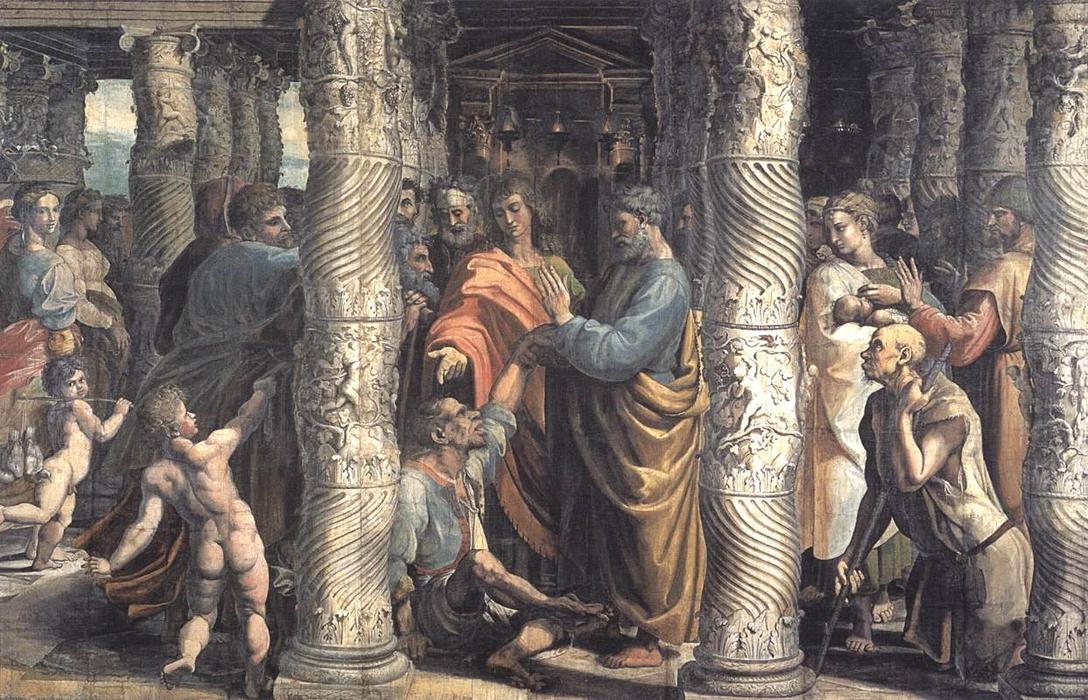
The Healing of the Lame Man (cartoon for the Sistine Chapel)


 Weiterlesen
Handgefertigte Ölreproduktion
Handgemaltes Ölgemälde auf Leinwand in Ihrer Wunschgröße und mit Rahmen, auf Bestellung von unseren Künstlern angefertigt. ( Druck bestellen Bild kaufen)




P118B $10

P118H $10

P118W $10

P438Z $10

P508JH $12

P508YH $12

P805H $10

P805Z $10

P919BZ $10

P919G $10

P919XJ $10

P959ZH $10

P968JZ $12

W106C $8

W218G $10

W218JH $8

W218Y $10

W307PJ $10

W316G $10

W316PJ $8

W316Y $10

W398PJ $8

W4111J $10

W500HY $15

W500JH $15

W692G $12

W849H $8

W940BG $15

W953PJ $8




Wählen Sie aus unseren vordefinierten Formaten, die den ursprünglichen Proportionen des Kunstwerks entsprechen.

Sie können Ihre eigenen Maße eingeben, um einen bestimmten Rahmen oder Platz auszufüllen. Wenn die gewählte Größe nicht den Proportionen des Originalbildes entspricht, werden wir das Kunstwerk entweder beschneiden oder das Gemälde durch zusätzliche, handgemalte Elemente erweitern. Ein digitales Mockup wird Ihnen zur Genehmigung zugesandt, bevor die Produktion beginnt.
Bitte beachten Sie, dass die Bildschirmvorschau nicht die tatsächliche Beschneidung oder Erweiterung widerspiegelt. Nur das Mockup zeigt die endgültige Komposition exakt an.
Obwohl Sondermaße verfügbar sind, empfehlen wir, eine Größe aus der vordefinierten Liste zu wählen, um die ursprünglichen Proportionen beizubehalten.
Nach der Bestellung wird das ArtsDot.com-Team dem Kunden Anweisungen per E-Mail zusenden und eine Mockup-Vorschau bereitstellen.
Weltweiter Versand () in nur 3 bis 4 Wochen statt der üblichen 5 Wochen. (1 September). Keine Kompromisse bei der Qualität.

Kostenloser weltweiter Expressversand

Hochwertige Leinenleinwand

Umfassender Versicherungsschutz beim Versand

Zollgebühren-Rückerstattungsgarantie

Garantie für exakte Farbtreue

60 Tage Rückgaberecht (nur bei Mängeln)

100% Geld-zurück-Garantie

Mengenrabatt verfügbar
 Die Glasoption ist nur für Größen unter 110 cm verfügbar.

The Healing of the Lame Man (cartoon for the Sistine Chapel)
Art der Reproduktion
Format der Reproduktion
-


Gesamtpreis
$ 263
The Healing of the Lame Man (cartoon for the Sistine Chapel) – A Testament to Raphael’s Visionary Genius
Raphael’s “The Healing of the Lame Man,” conceived as a monumental tapestry destined for the Sistine Chapel, stands as one of the most poignant emblems of Renaissance humanist ideals. Commissioned by Pope Leo X shortly after his ascension to the papal throne in 1513, this artwork transcends mere depiction; it embodies a profound meditation on faith, compassion, and divine grace—themes central to the burgeoning Christian Reformation.
- Subject Matter: The scene portrays Peter miraculously healing a paralyzed man at Bethesda Pool in Jerusalem. This pivotal episode from Saint Luke’s Gospel recounts Peter's unwavering belief and his ability to perform miracles through prayer, representing a triumph over physical limitations and a symbol of spiritual regeneration.
- Style & Composition: Raphael adheres to the prevailing stylistic conventions of Mannerism—characterized by elongated figures, stylized poses, and dramatic contrasts of light and shadow—yet imbues the composition with an unparalleled sense of serenity and grace. The central figure of Peter dominates the canvas, radiating authority while simultaneously demonstrating tenderness as he assists the afflicted man.
- Technique: Raphael’s masterful technique is evident in his meticulous attention to detail and his skillful use of color—primarily achieved through tempera paint on linen fabric. He employed a layered approach, beginning with charcoal underdrawings that established the anatomical proportions and spatial relationships before applying thin washes of pigment to build up luminous surfaces.
The tapestry’s placement within the Sistine Chapel was deliberate; it served as a visual reminder of God's benevolence and his capacity for healing—a powerful message intended to inspire devotion amongst the papal court and its congregation. The inclusion of women purifying themselves at Bethesda Pool underscores the importance of ritual cleansing and symbolizes the spiritual renewal that accompanies divine intervention.
Beyond its religious significance, “The Healing of the Lame Man” resonates with broader humanist concerns about human dignity and potential for transformation. Raphael’s depiction captures a moment of profound empathy—a testament to his artistic genius and his unwavering belief in the transformative power of faith. The subtle color variations between the cartoon and the tapestry itself offer fascinating insights into Raphael's creative process, highlighting his dedication to achieving an unparalleled level of realism while simultaneously conveying spiritual depth.
- Symbolism: The Bethesda Pool represents divine providence—God’s intervention in human affairs. Peter’s outstretched hand signifies compassion and healing power, mirroring Christ’s own selfless care for humanity.
- Emotional Impact: Raphael's artwork evokes feelings of awe, reverence, and hope—inspiring contemplation on the mysteries of faith and reminding viewers of God’s boundless mercy.
A reproduction of this iconic masterpiece allows admirers to experience Raphael’s visionary artistry firsthand, capturing not only the visual splendor of the original but also its enduring spiritual resonance.
Ähnliche Kunstwerke
Über den Künstler
**frühes Leben und Ausbildung**
Raphael (Raffaello Sanzio da Urbino), ein renommierter italienischer Maler und Architekt, wurde zwischen dem 28. März und dem 6. April 1483 in der kleinen, aber kulturell bedeutenden Stadt Urbino geboren. Sein Vater, Giovanni Santi, war Hofmaler des Herzogs und vermittelte Raphael von Anfang an eine frühe Auseinandersetzung mit der künstlerischen Welt. Nach dem Tod seines Vaters im Alter von elf Jahren betrieb Raphael wahrscheinlich die Familienwerkstatt weiter, was seine künstlerische Grundlage festigte.**Künstlerischer Werdegang und Einflüsse**
Raphaels künstlerischer Weg lässt sich in drei verschiedene Phasen einteilen, jede mit einem einzigartigen Stil gekennzeichnet:- Frühe Jahre in Umbrien: Charakterisiert durch den Einfluss seines Vaters und die kulturelle Atmosphäre von Urbino.
- Florentinische Periode (1504-1508): Aufnahme der künstlerischen Traditionen Florenz, die seinen Stil maßgeblich prägte.
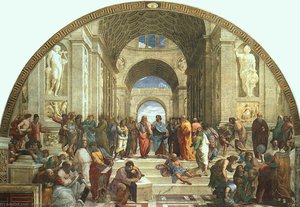
- Römische Periode (1508-1520): Arbeitete für zwei Päpste und ihre Mitarbeiter und schuf einige seiner bekanntesten Werke, darunter die Schule der Athene in der Vatikanische Stanza della Segnatura.
**Bekannte Werke und Vermächtnis**
Einige der bekannten Werke von Raphael sind:- Das Urteil des Salomon (ansicht auf ArtsDot)
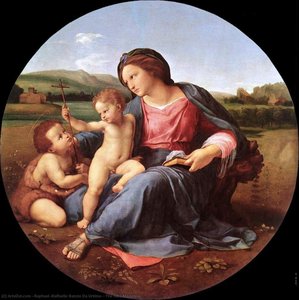
- Die Esterházy-Madonna (ansicht auf ArtsDot)
- Vatikanische Stanzen - Ansicht der Stanza della Segnatura (ansicht auf ArtsDot)
- St. Sebastian (ansicht auf ArtsDot)
- La Donna Velata (ansicht auf ArtsDot)
**Einfluss und Vermächtnis**
Raphaels Einfluss auf die Kunst ist tiefgreifend, wobei sein Werk ein Eckpfeiler der Hochrenaissance darstellt. Sein ruhiger und harmonischer Stil war ein Vorbild für die neoklassische Malerei, wie von Kunsthistoriker Johann Joachim Winckelmann bemerkt. Trotz des späteren Einflusses von Michelangelos Stil bleibt Raphael einer der verehrtesten Künstler in der Geschichte. ansicht des Profils von Raphael auf ArtsDot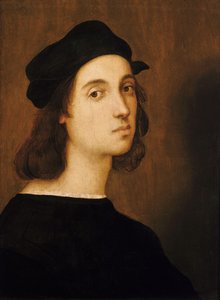
Raffael
1483 - 1520 , Italien
Kurzinfos
- Beeinflusste Künstler:
- Giovanni Santi
- Pietro Perugino
- Bemerkenswerte Werke:
- Das Urteil des Salomon
- Esterházy-Madonna
- Die Schule der Athener
- St. Sebastian
- La Donna Velata
- Einfluss Auf Kunst: Neoklassische Malerei
- Geburtsdatum: 1483
- Geburtsort: Urbino, Italien
- Künstlerischer Stil: Hochrenaissance
- Nationalität: Italienisch
- Todatum: 1520
- Vollständiger Name: Raffaello Sanzio da Urbino
- Von Künstlern Beeinflusst:
- Leonardo da Vinci
- Michelangelo
Ähnliche Artikel
Mannerism: Bridging Renaissance Harmony & Baroque Drama – A Study of Style & Affectation
Explore the fascinating world of Mannerism! Discover its key characteristics, pioneering artists like Pontormo & Bronzino, and its pivotal role in bridging Renaissance harmony to Baroque drama. A comprehensive guide for art enthusiasts.

Illuminating Faith: Biblical Narrative & Artistic Expression Through the Ages
Explore the rich history of biblical art from Giotto to the Renaissance masters with ArtsDot. Discover symbolism, techniques & enduring legacies. Museum-quality reproductions & expert insights.
Mannerismus Meisterwerke: Die Top 10, die Kunstgeschichte prägten | ArtsDot
Entdecken Sie die Top 10 Meisterwerke des Mannerismus! Pontormo, Rosso Fiorentino & Co. prägten eine neue Eleganz in der Kunst. Erfahren Sie mehr über Künstler, Techniken und bestellen Sie hochwertige Reproduktionen auf ArtsDot.com.
Renaissance Mannerism: Style, Subtlety & the Transition from Harmony to Artifice
Explore the captivating world of Renaissance Mannerism! Discover its key characteristics, pioneering artists like Pontormo & Bronzino, and its pivotal role in art history. Expert insights & museum-quality reproductions at ArtsDot.
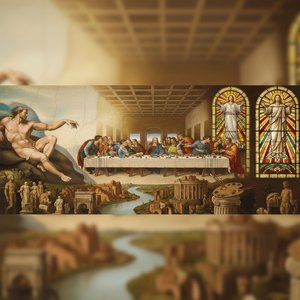
Illuminating Faith: Biblical Scenes & Their Enduring Legacy in Art History
Explore the profound history of biblical art! Discover Renaissance masterpieces by Giotto & more. Uncover symbolism, artistic techniques, and lasting influence. Expert insights at ArtsDot.