 Vorschau anzeigen
 Versenden
 Teilen
 Details anzeigen

 Herunterladen
 Ähnliche Objekte
 Röntgenaufnahme
 Diashow
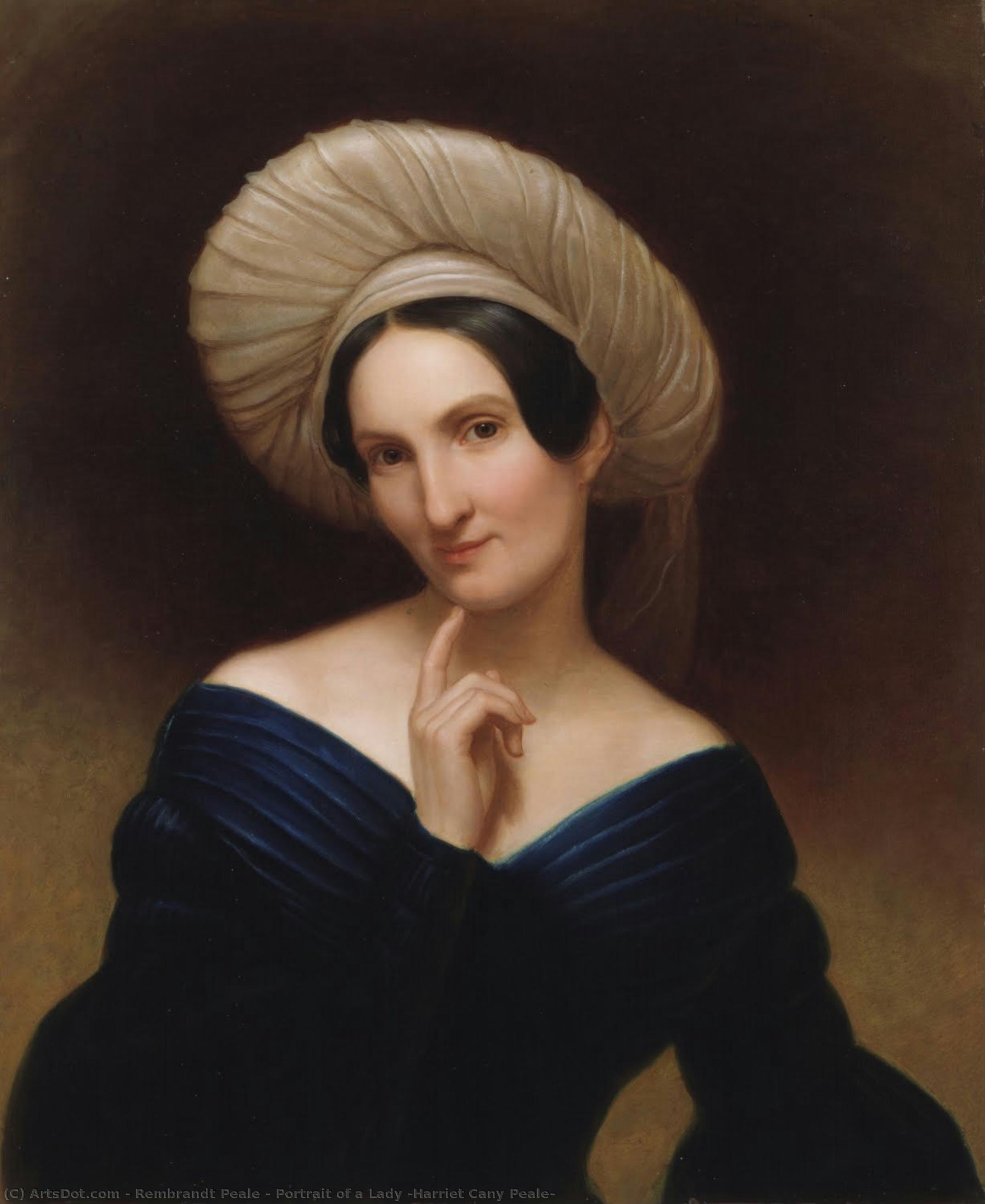
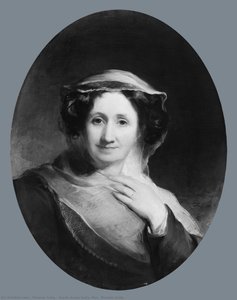
Portrait of a Lady (Harriet Cany Peale)
 Oil On Canvas
- WallArt
- Neoclassicism
 1840
1840 76.0 x 62.0 cm
 Chrysler Museum of Art
 Weiterlesen
Giclée / Kunstdruck
Giclée- oder Leinwanddruck in Museumsqualität mit schneller Produktion und flexiblen Veredelungsoptionen. ( Handgemalte Reproduktion bestellen Bild kaufen)




P118B $10

P118H $10

P118W $10

P438Z $10

P508JH $12

P508YH $12

P805H $10

P805Z $10

P919BZ $10

P919G $10

P919XJ $10

P959ZH $10

P968JZ $12

W106C $8

W218G $10

W218JH $8

W218Y $10

W307PJ $10

W316G $10

W316PJ $8

W316Y $10

W398PJ $8

W4111J $10

W500HY $15

W500JH $15

W692G $12

W849H $8

W940BG $15

W953PJ $8




Wählen Sie aus unseren vordefinierten Formaten, die den ursprünglichen Proportionen des Kunstwerks entsprechen.

Sie können Ihre eigenen Maße eingeben, um ein bestimmtes Format oder einen speziellen Platz einzupassen. Wenn das von Ihnen gewählte Format nicht den Proportionen des Originalbildes entspricht, werden wir das Kunstwerk entweder beschneiden oder das Bild mit einem gespiegelten oder einfarbigen Rand erweitern. Ein digitaler Entwurf wird Ihnen zur Genehmigung zugesandt, bevor die Produktion beginnt.
Bitte beachten Sie, dass die Vorschau auf dem Bildschirm nicht den tatsächlichen Zuschnitt oder die Erweiterung widerspiegelt. Nur der Entwurf zeigt die endgültige Komposition präzise an.
Obwohl Sondermaße verfügbar sind, empfehlen wir die Auswahl eines Maßes aus der vordefinierten Liste, um die ursprünglichen Proportionen zu bewahren.
Weltweiter Versand () innerhalb von 2 Wochen statt der üblichen 4/5 Wochen. (29 August)

Kostenloser weltweiter Expressversand

Hochwertige Leinenleinwand

Umfassender Versicherungsschutz beim Versand

Zollgebühren-Rückerstattungsgarantie

Garantie für exakte Farbtreue

60 Tage Rückgaberecht (nur bei Mängeln)

100% Geld-zurück-Garantie

Mengenrabatt verfügbar
 Die Glasoption ist nur für Größen unter 110 cm verfügbar.

Portrait of a Lady (Harriet Cany Peale)
Giclée / Kunstdruck
Format der Reproduktion
-


Gesamtpreis
$ 62
A Portrait of Quiet Grace: Harriet Cany Peale’s “Portrait of a Lady”
Rembrandt Peale's "Portrait of a Lady," featuring his wife, Harriet Cany Peale, is more than just a likeness; it’s a window into the burgeoning artistic landscape of mid-19th century America and a testament to a quietly powerful partnership. Painted around 1840, this oil on canvas captures Harriet in an elegant pose that balances dignified reserve with a subtle hint of intellectual curiosity. The painting immediately draws the eye with its rich palette – deep blues and greens dominate, contrasted by the warm tones of her gown and the soft light illuminating her face. It’s a scene brimming with understated beauty, inviting viewers to contemplate the complexities of womanhood and artistic collaboration.
The style leans firmly into Neoclassicism, yet it's infused with Romantic sensibilities. Peale meticulously renders Harriet’s features – the delicate curve of her jawline, the sparkle in her eyes, the subtle tilt of her head—with a precision that speaks to his considerable skill as a portraitist. However, he doesn’t simply aim for photographic accuracy; instead, he imbues the image with an emotional depth, suggesting a thoughtful and introspective nature. The composition is carefully balanced, centering on Harriet's face and upper body, creating a sense of intimacy while maintaining a formal elegance. Notice how the dark background serves to heighten her presence, drawing attention to her refined attire and serene expression.
The Peale Family Legacy: Collaboration and Artistic Influence
Understanding “Portrait of a Lady” requires acknowledging the context of the Peale family’s remarkable artistic legacy. Rembrandt Peale was not merely a painter; he was a cultural innovator, founding the American Museum in Philadelphia—a pioneering institution dedicated to showcasing both American and European art. His father, Charles Willson Peale, a renowned naturalist, artist, and educator, instilled in his sons a deep appreciation for observation, scientific inquiry, and artistic expression. This family environment fostered a remarkable exchange of ideas and techniques, with Rembrandt and Harriet collaborating on numerous projects, including the creation of copies after masterworks like Domenichino’s “Old Testament Sibyls.”
The influence of this collaborative spirit is evident in "Portrait of a Lady." While Rembrandt primarily executed the portrait itself, Harriet's contribution extended beyond simply posing for the painting. She was an accomplished artist in her own right, specializing in landscapes and genre scenes. Her involvement ensured that the portrait reflected not only Rembrandt’s technical skill but also her artistic sensibility—a subtle blend of observation, emotion, and personal style. The fact that she is depicted with a turban and exotic dress suggests a deliberate effort to elevate her status and celebrate her charm, reflecting the societal expectations placed upon women during this era.
Symbolism and Social Context
The painting’s symbolism is layered and intriguing. Harriet's attire—a rich blue gown adorned with intricate details—immediately conveys wealth and social standing. The turban, a fashionable accessory at the time, further emphasizes her elevated position within society. However, it also hints at a connection to distant lands and exotic cultures, reflecting the growing fascination with travel and exploration during the 19th century. Her contemplative gaze suggests an inner life, hinting at intellectual curiosity and perhaps even a quiet resistance to societal constraints.
Furthermore, the portrait speaks to the evolving role of women in American society. While Harriet’s position is undoubtedly privileged, her artistic talent—often undervalued during this period—is subtly acknowledged through her dignified presence and the attention paid to her likeness. The painting serves as a quiet assertion of female agency within a patriarchal world, celebrating both her beauty and her intellect.
A Timeless Masterpiece: Reproduction and Appreciation
“Portrait of a Lady” remains a captivating work of art, offering a glimpse into the artistic and social dynamics of 19th-century America. Reproductions capture the painting’s rich textures, nuanced colors, and subtle emotional depth, allowing viewers to appreciate its beauty and historical significance. Whether displayed in a grand salon or a more intimate setting, this portrait continues to inspire admiration for its elegant composition, skillful execution, and poignant portrayal of a remarkable woman.
Ähnliche Kunstwerke



Über den Künstler
Frühes Leben und Ausbildung
Rembrandt Peale, ein amerikanischer Künstler und Museumsverwalter, wurde am 22. Februar 1778 im Bucks County, Pennsylvania, geboren. Er war das dritte von sechs überlebenden Kindern seiner Mutter, Rachel Brewer, und seines Vaters, Charles Willson Peale, einem bekannten Künstler. Rembrandts Name wurde von dem niederländischen Maler und Radierer des 17. Jahrhunderts Rembrandt Harmenszoon van Rijn inspiriert. Sein Vater unterrichtete alle seine Kinder im Malen von Landschaften und Porträts und bildete Rembrandt in den Künsten und Wissenschaften aus.Künstlerische Karriere
Peales Stil wurde nach einem Aufenthalt in Paris in seinen frühen Dreißigern vom französischen Neoklassizismus beeinflusst. Er begann im Alter von 8 Jahren zu zeichnen und fertigte mit 13 Jahren sein erstes Selbstporträt an, das seine frühe Meisterschaft demonstrierte. Peales produktive Karriere umfasste über 70 detaillierte Repliken, darunter Porträts der Präsidenten George Washington und Thomas Jefferson.- Bemerkenswerte Werke:
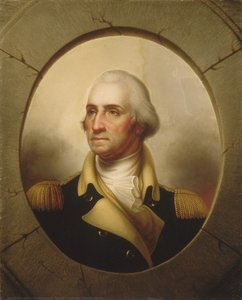
- George Washington (Schleusenöffnungstyp) (1795), jetzt in der National Portrait Gallery (London, Vereinigtes Königreich), [https://ArtsDot.com/@@/d44spg-rembrandt-peale-george-washington-(porthole-type)](Gemälde von 'Rembrandt Peale' | Rembrandt Peale: George Washington (Schleusenöffnungstyp))
- Mann mit Bart (ungefähr), [https://ArtsDot.com/@@/d329cc-rembrandt-peale-man-with-a-beard](Gemälde von 'Rembrandt Peale' | Rembrandt Peale: Mann mit Bart)
- Porträt des Rev. John Pierpont (1785-1866), [https://ArtsDot.com/@@/d4nqk5-rembrandt-peale-portrait-of-the-rev-john-pierpont-(1785-1866)](Gemälde von 'Rembrandt Peale' | Rembrandt Peale: Porträt des Rev. John Pierpont (1785-1866))
Museum und Vermächtnis
Peale eröffnete sein erstes Museum am 15. August 1814 in Baltimore, Maryland, das später als zweites Baltimore City Hall diente und schließlich als Peale Museum restauriert wurde. Sein Vermächtnis wird weiterhin durch seine zahlreichen Porträts gefeiert, die sich jetzt in verschiedenen Museumsbeständen befinden, darunter die National Portrait Gallery (Washington, Vereinigte Staaten), [https://ArtsDot.com/@/rembrandt-peale](Künstler: Rembrandt Peale | 243 Kunstwerke).Schlussfolgerung
Rembrandt Peales produktive Karriere als amerikanischer Künstler und Museumsverwalter hat einen bleibenden Eindruck in der Kunstwelt hinterlassen. Seine zahlreichen Porträts, darunter die von George Washington und Thomas Jefferson, werden weiterhin für ihre historische Bedeutung und ihren künstlerischen Wert gefeiert.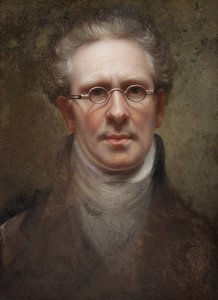
Rembrandt Peale
1778 - 1860 , Vereinigte Staaten von Amerika
Kurzinfos
- Bemerkenswerte Werke:
- George Washington (Porthole-Typ)
- Man mit Bart
- Porträt von Rev. John Pierpont
- Geburtsdatum: 22. Februar 1778
- Geburtsort (Stadt, Land): Bucks County, USA
- Künstler, Die Diesen Künstler Beeinflussten:
- Charles Willson Peale
- Rembrandt Harmenszoon van Rijn
- Künstlerische Bewegung/Stil: Neoklassizismus
- Nationalität: Amerikanisch
- Sterbedatum: 1860
- Vollständiger Name: Rembrandt Peale
Ähnliche Artikel

Rembrandts Meisterwerke: Die Top 25 Kunstwerke für Ihr Zuhause | ArtsDot
Entdecken Sie Rembrandts 25 berühmteste Kunstwerke! Tauchen Sie ein in die Welt des Barock, Licht und Schatten & historischer Porträts. Hochwertige Reproduktionen für Ihr Zuhause – jetzt auf ArtsDot.com!
Charles Willson Peale: Porträtmalerei, Aufklärungsideale und die Gestaltung amerikanischer Identität
Entdecken Sie das Leben und Werk von Charles Willson Peale – Porträtmaler, Naturforscher und Begründer des ersten amerikanischen Museums. Erfahren Sie mehr über seine Bedeutung für die Kunstgeschichte der USA und die Ideale der Aufklärung.
Rembrandt van Rijn: A Life Illuminated – Exploring the Master of Light, Shadow, and Human Emotion
Explore the life & art of Rembrandt van Rijn, master of light and shadow. Discover his iconic paintings, revolutionary techniques, and enduring legacy with ArtsDot – trusted experts in fine art reproductions since 2004.
Rijksmuseum Amsterdam: Die 25 Meisterwerke – Kunst für Ihr Zuhause | ArtsDot
Entdecken Sie die 25 berühmtesten Meisterwerke des Rijksmuseum Amsterdam! Von Rembrandt bis Karel Appel – Kunstgeschichte, Techniken & Inspiration für Ihr Zuhause. Hochwertige Reproduktionen auf ArtsDot.com.
Titian Ramsay Peale: Präzision und künstlerische Innovation in der frühen amerikanischen botanischen Malerei
Entdecken Sie das Werk von Titian Ramsay Peale, einem Pionier der amerikanischen botanischen Malerei! Erfahren Sie mehr über seine präzisen Illustrationen, die Long-Expedition und seinen Beitrag zur Naturforschung. ArtsDot.