 Vorschau anzeigen
 Versenden
 Teilen
 Details anzeigen

 Herunterladen
 Ähnliche Objekte
 Röntgenaufnahme
 Diashow
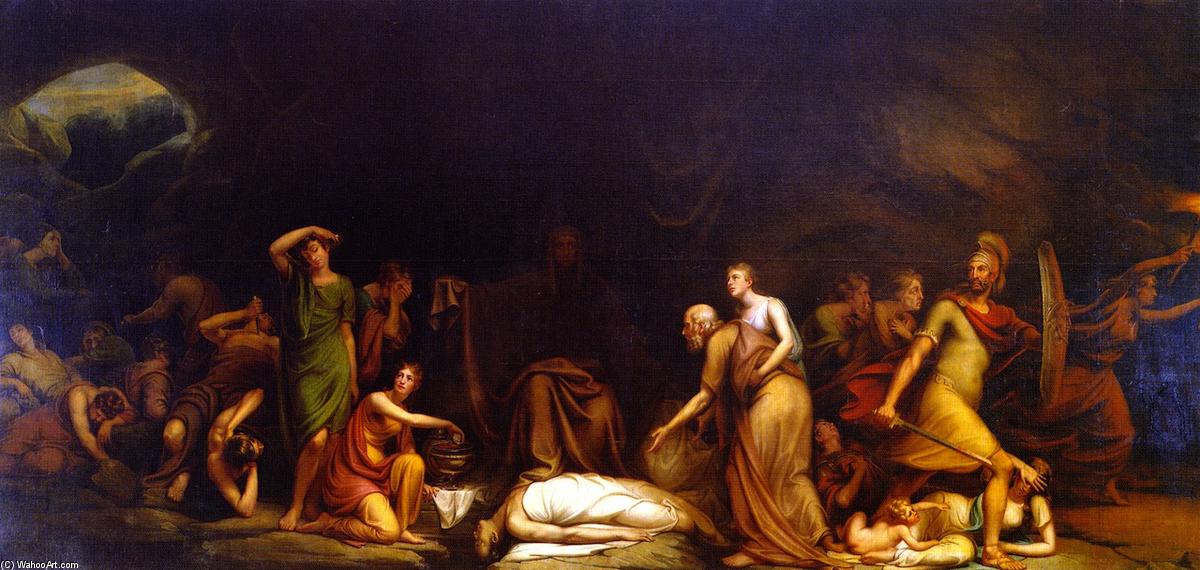
The Court of Death


 Weiterlesen
Giclée / Kunstdruck
Giclée- oder Leinwanddruck in Museumsqualität mit schneller Produktion und flexiblen Veredelungsoptionen. ( Handgemalte Reproduktion bestellen Bild kaufen)




P118B $10

P118H $10

P118W $10

P438Z $10

P508JH $12

P508YH $12

P805H $10

P805Z $10

P919BZ $10

P919G $10

P919XJ $10

P959ZH $10

P968JZ $12

W106C $8

W218G $10

W218JH $8

W218Y $10

W307PJ $10

W316G $10

W316PJ $8

W316Y $10

W398PJ $8

W4111J $10

W500HY $15

W500JH $15

W692G $12

W849H $8

W940BG $15

W953PJ $8




Wählen Sie aus unseren vordefinierten Formaten, die den ursprünglichen Proportionen des Kunstwerks entsprechen.

Sie können Ihre eigenen Maße eingeben, um ein bestimmtes Format oder einen speziellen Platz einzupassen. Wenn das von Ihnen gewählte Format nicht den Proportionen des Originalbildes entspricht, werden wir das Kunstwerk entweder beschneiden oder das Bild mit einem gespiegelten oder einfarbigen Rand erweitern. Ein digitaler Entwurf wird Ihnen zur Genehmigung zugesandt, bevor die Produktion beginnt.
Bitte beachten Sie, dass die Vorschau auf dem Bildschirm nicht den tatsächlichen Zuschnitt oder die Erweiterung widerspiegelt. Nur der Entwurf zeigt die endgültige Komposition präzise an.
Obwohl Sondermaße verfügbar sind, empfehlen wir die Auswahl eines Maßes aus der vordefinierten Liste, um die ursprünglichen Proportionen zu bewahren.
Weltweiter Versand () innerhalb von 2 Wochen statt der üblichen 4/5 Wochen. (28 August)

Kostenloser weltweiter Expressversand

Hochwertige Leinenleinwand

Umfassender Versicherungsschutz beim Versand

Zollgebühren-Rückerstattungsgarantie

Garantie für exakte Farbtreue

60 Tage Rückgaberecht (nur bei Mängeln)

100% Geld-zurück-Garantie

Mengenrabatt verfügbar
 Die Glasoption ist nur für Größen unter 110 cm verfügbar.

The Court of Death
Giclée / Kunstdruck
Format der Reproduktion
-


Gesamtpreis
$ 62
A Dramatic Allegory of Mortality
Rembrandt Peale’s “The Court of Death,” painted in 1820, isn't merely a portrait; it’s a meticulously crafted allegory—a visual sermon on the inevitability of mortality and the consequences of earthly pursuits. Measuring an imposing 23 feet by 11 feet, this monumental work immediately commands attention, drawing the viewer into a dimly lit cave-like setting that feels both claustrophobic and profoundly theatrical. The scene unfolds with a deliberate sense of drama, populated by twenty-two figures rendered in rich, dark tones—a palette dominated by browns, blacks, and deep reds – reflecting the somber subject matter.
Peale’s intention was to illustrate Beilby Porteus's 1772 poem of the same name, a work that explored the themes of sin, judgment, and the afterlife. The composition is carefully structured around Death himself—a stern, cloaked figure holding a scythe—who sits at the center of the scene, presiding over a court of souls. To his left are those who have succumbed to vices: Intemperance, Suicide, Frenzy, and Desolation, each depicted with a chilling realism that underscores their tragic fates. To his right, we encounter figures representing various sins – Gout, Dropsy, Hypochondria, Apoplexy—all victims of the body’s decay. The inclusion of a warrior stepping over a mother and child adds another layer of complexity, suggesting that even those engaged in warfare or public service are ultimately subject to Death's dominion.
Neoclassical Detail and American Identity
Peale’s style is firmly rooted in the Neoclassical tradition, influenced by his time spent studying art in Paris. He meticulously renders each figure with a high degree of detail, employing techniques reminiscent of both Rembrandt and Jacques-Louis David—the dominant painter of the era. The figures are sculpted with anatomical precision, their expressions conveying a range of emotions from despair to resignation. Note the careful attention to drapery, the subtle shifts in light and shadow, and the overall sense of realism that elevates the painting beyond simple illustration. This commitment to detail reflects Peale’s desire to create an image that would be both aesthetically pleasing and intellectually stimulating.
Crucially, “The Court of Death” is a product of its time—a reflection of the burgeoning American identity being forged in the early 19th century. Charles Willson Peale, Rembrandt’s father, was a prominent figure in this era, advocating for art as a means of educating and uniting the nation. Peale himself embraced this role, producing portraits of influential figures like George Washington and Thomas Jefferson—images that helped to solidify their legacies and shape the narrative of American history. “The Court of Death,” therefore, can be seen as an extension of this effort, offering a visual commentary on the values and anxieties of a young republic grappling with its own mortality.
Symbolism and Emotional Resonance
Beyond its literal depiction of judgment, “The Court of Death” is rich in symbolism. The central figure of Old Age, supported by Virtue, represents the path to salvation—a life lived according to moral principles. The inclusion of a young man being struck down highlights the sudden and unpredictable nature of death. The overall atmosphere of the painting is one of profound melancholy, yet it also carries a sense of solemn dignity. It’s not simply a morbid depiction of demise; rather, it's an invitation to contemplate our own mortality and to consider how we choose to spend our lives.
The painting’s impact is amplified by its sheer scale—a deliberate choice that forces the viewer to confront the subject matter directly. It evokes a sense of unease and introspection, prompting questions about legacy, purpose, and the ultimate fate of humanity. “The Court of Death” remains a powerful testament to Peale's artistic skill and his profound engagement with the philosophical and spiritual concerns of his time.
A Legacy Preserved
Today, “The Court of Death” resides at the Detroit Institute of Arts, where it continues to captivate audiences. Its imposing size and dramatic composition make it a truly unforgettable experience. Reproductions of this masterpiece offer a glimpse into the world of 19th-century American art and provide a poignant reminder of our shared mortality. Consider commissioning a high-quality reproduction—a tangible connection to this extraordinary work of art, a conversation starter, and a timeless symbol of life’s fleeting beauty.
Ähnliche Kunstwerke


Über den Künstler
Frühes Leben und Ausbildung
Rembrandt Peale, ein amerikanischer Künstler und Museumsverwalter, wurde am 22. Februar 1778 im Bucks County, Pennsylvania, geboren. Er war das dritte von sechs überlebenden Kindern seiner Mutter, Rachel Brewer, und seines Vaters, Charles Willson Peale, einem bekannten Künstler. Rembrandts Name wurde von dem niederländischen Maler und Radierer des 17. Jahrhunderts Rembrandt Harmenszoon van Rijn inspiriert. Sein Vater unterrichtete alle seine Kinder im Malen von Landschaften und Porträts und bildete Rembrandt in den Künsten und Wissenschaften aus.Künstlerische Karriere
Peales Stil wurde nach einem Aufenthalt in Paris in seinen frühen Dreißigern vom französischen Neoklassizismus beeinflusst. Er begann im Alter von 8 Jahren zu zeichnen und fertigte mit 13 Jahren sein erstes Selbstporträt an, das seine frühe Meisterschaft demonstrierte. Peales produktive Karriere umfasste über 70 detaillierte Repliken, darunter Porträts der Präsidenten George Washington und Thomas Jefferson.- Bemerkenswerte Werke:
- George Washington (Schleusenöffnungstyp) (1795), jetzt in der National Portrait Gallery (London, Vereinigtes Königreich), [https://ArtsDot.com/@@/d44spg-rembrandt-peale-george-washington-(porthole-type)](Gemälde von 'Rembrandt Peale' | Rembrandt Peale: George Washington (Schleusenöffnungstyp))
- Mann mit Bart (ungefähr), [https://ArtsDot.com/@@/d329cc-rembrandt-peale-man-with-a-beard](Gemälde von 'Rembrandt Peale' | Rembrandt Peale: Mann mit Bart)
- Porträt des Rev. John Pierpont (1785-1866), [https://ArtsDot.com/@@/d4nqk5-rembrandt-peale-portrait-of-the-rev-john-pierpont-(1785-1866)](Gemälde von 'Rembrandt Peale' | Rembrandt Peale: Porträt des Rev. John Pierpont (1785-1866))
Museum und Vermächtnis
Peale eröffnete sein erstes Museum am 15. August 1814 in Baltimore, Maryland, das später als zweites Baltimore City Hall diente und schließlich als Peale Museum restauriert wurde. Sein Vermächtnis wird weiterhin durch seine zahlreichen Porträts gefeiert, die sich jetzt in verschiedenen Museumsbeständen befinden, darunter die National Portrait Gallery (Washington, Vereinigte Staaten), [https://ArtsDot.com/@/rembrandt-peale](Künstler: Rembrandt Peale | 243 Kunstwerke).Schlussfolgerung
Rembrandt Peales produktive Karriere als amerikanischer Künstler und Museumsverwalter hat einen bleibenden Eindruck in der Kunstwelt hinterlassen. Seine zahlreichen Porträts, darunter die von George Washington und Thomas Jefferson, werden weiterhin für ihre historische Bedeutung und ihren künstlerischen Wert gefeiert.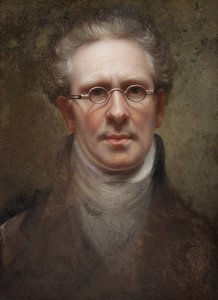
Rembrandt Peale
1778 - 1860 , Vereinigte Staaten von Amerika
Kurzinfos
- Bemerkenswerte Werke:
- George Washington (Porthole-Typ)
- Man mit Bart
- Porträt von Rev. John Pierpont
- Geburtsdatum: 22. Februar 1778
- Geburtsort (Stadt, Land): Bucks County, USA
- Künstler, Die Diesen Künstler Beeinflussten:
- Charles Willson Peale
- Rembrandt Harmenszoon van Rijn
- Künstlerische Bewegung/Stil: Neoklassizismus
- Nationalität: Amerikanisch
- Sterbedatum: 1860
- Vollständiger Name: Rembrandt Peale
Ähnliche Artikel

Rembrandts Meisterwerke: Die Top 25 Kunstwerke für Ihr Zuhause | ArtsDot
Entdecken Sie Rembrandts 25 berühmteste Kunstwerke! Tauchen Sie ein in die Welt des Barock, Licht und Schatten & historischer Porträts. Hochwertige Reproduktionen für Ihr Zuhause – jetzt auf ArtsDot.com!

The Enduring Legacy of Oil on Canvas: Technique, History & Aesthetic Impact
Explore the rich history & techniques of oil painting – from Renaissance masters to Impressionism. Discover pigments, layering methods, and why this timeless medium endures. Expert insights for artists & art enthusiasts.

Öl auf Leinwand: Eine historische und technische Erkundung eines zeitlosen künstlerischen Mediums
Entdecken Sie die faszinierende Welt der Ölmalerei! Von historischen Techniken bis zur modernen Anwendung – wir bieten Expertenwissen, Restaurierungstipps und hochwertige Reproduktionen. Jetzt informieren!
Charles Willson Peale: Porträtmalerei, Aufklärungsideale und die Gestaltung amerikanischer Identität
Entdecken Sie das Leben und Werk von Charles Willson Peale – Porträtmaler, Naturforscher und Begründer des ersten amerikanischen Museums. Erfahren Sie mehr über seine Bedeutung für die Kunstgeschichte der USA und die Ideale der Aufklärung.

The Enduring Power of Painting: A Historical & Contemporary Exploration of Form and Emotion
Explore the rich history & enduring techniques of oil painting with ArtsDot. Discover masterpieces, learn about art collecting, and find authentic handmade reproductions crafted by skilled artists.