 Vorschau anzeigen
 Versenden
 Teilen
 Details anzeigen

 Herunterladen
 Ähnliche Objekte
 Röntgenaufnahme
 Diashow
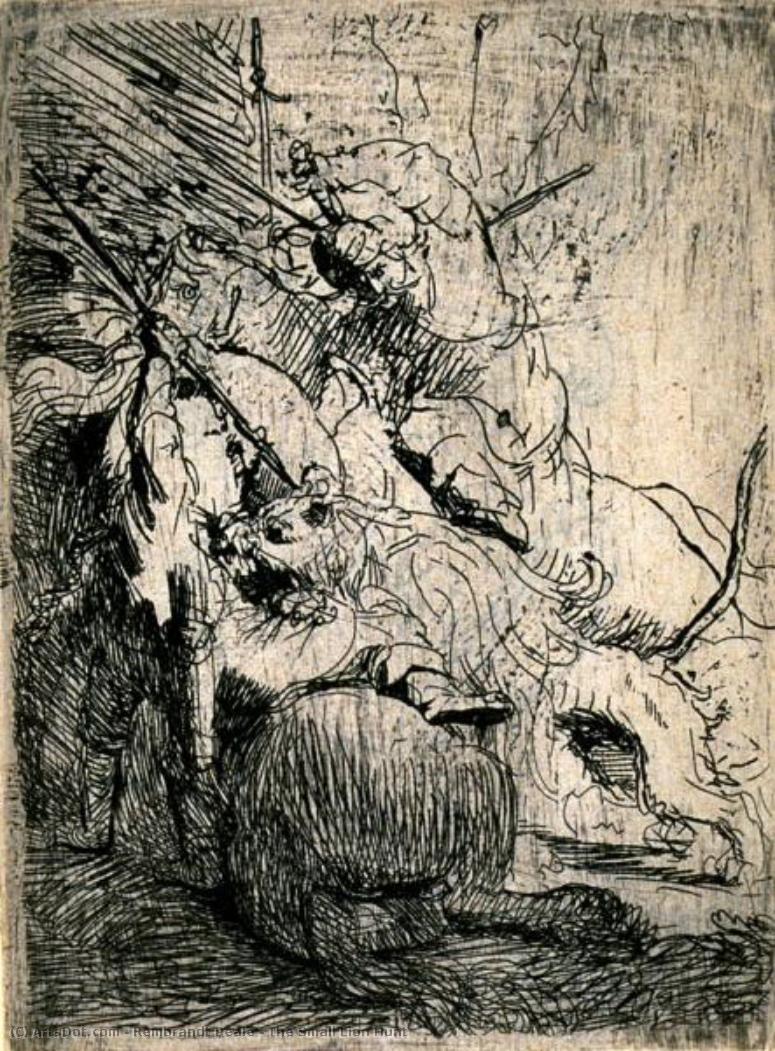
The Small Lion Hunt


 Weiterlesen
Handgefertigte Ölreproduktion
Handgemaltes Ölgemälde auf Leinwand in Ihrer Wunschgröße und mit Rahmen, auf Bestellung von unseren Künstlern angefertigt. ( Druck bestellen Bild kaufen)




P118B $10

P118H $10

P118W $10

P438Z $10

P508JH $12

P508YH $12

P805H $10

P805Z $10

P919BZ $10

P919G $10

P919XJ $10

P959ZH $10

P968JZ $12

W106C $8

W218G $10

W218JH $8

W218Y $10

W307PJ $10

W316G $10

W316PJ $8

W316Y $10

W398PJ $8

W4111J $10

W500HY $15

W500JH $15

W692G $12

W849H $8

W940BG $15

W953PJ $8




Wählen Sie aus unseren vordefinierten Formaten, die den ursprünglichen Proportionen des Kunstwerks entsprechen.

Sie können Ihre eigenen Maße eingeben, um einen bestimmten Rahmen oder Platz auszufüllen. Wenn die gewählte Größe nicht den Proportionen des Originalbildes entspricht, werden wir das Kunstwerk entweder beschneiden oder das Gemälde durch zusätzliche, handgemalte Elemente erweitern. Ein digitales Mockup wird Ihnen zur Genehmigung zugesandt, bevor die Produktion beginnt.
Bitte beachten Sie, dass die Bildschirmvorschau nicht die tatsächliche Beschneidung oder Erweiterung widerspiegelt. Nur das Mockup zeigt die endgültige Komposition exakt an.
Obwohl Sondermaße verfügbar sind, empfehlen wir, eine Größe aus der vordefinierten Liste zu wählen, um die ursprünglichen Proportionen beizubehalten.
Nach der Bestellung wird das ArtsDot.com-Team dem Kunden Anweisungen per E-Mail zusenden und eine Mockup-Vorschau bereitstellen.
Weltweiter Versand () in nur 3 bis 4 Wochen statt der üblichen 5 Wochen. (20 August). Keine Kompromisse bei der Qualität.

Kostenloser weltweiter Expressversand

Hochwertige Leinenleinwand

Umfassender Versicherungsschutz beim Versand

Zollgebühren-Rückerstattungsgarantie

Garantie für exakte Farbtreue

60 Tage Rückgaberecht (nur bei Mängeln)

100% Geld-zurück-Garantie

Mengenrabatt verfügbar
 Die Glasoption ist nur für Größen unter 110 cm verfügbar.

The Small Lion Hunt
Art der Reproduktion
Format der Reproduktion
-


Gesamtpreis
$ 288
Beschreibung des Kunstwerks
A Legacy Etched in Ink: Rembrandt Peale’s “The Small Lion Hunt”
“The Small Lion Hunt,” completed in 1630 by Rembrandt Peale, stands as a testament to the burgeoning artistic spirit of early America and embodies the dramatic sensibilities of Mannerism—a style that sought to transcend mere realism and delve into profound emotional expression. More than just a depiction of battle, it’s an exploration of conflict itself, rendered with meticulous detail and imbued with symbolic resonance. The artwork presents a tightly packed composition dominated by figures engaged in violent action – soldiers locked in a desperate struggle—yet remarkably devoid of any discernible narrative beyond this immediate confrontation. This deliberate absence of storytelling invites contemplation on the universal themes of strife and suffering, mirroring the anxieties prevalent during Peale’s era. The artist eschews conventional perspective, flattening the space to heighten the sense of claustrophobia and emphasizing the density of the combatants. Light emanates from an unseen source, casting deep shadows that amplify the scene's theatrical quality and underscore its emotional intensity. Peale’s technique—primarily hatching and cross-hatching—is masterful in conveying texture and tonal values. The paper’s surface is visible, contributing to the artwork’s raw aesthetic and reinforcing its connection to the artistic traditions of Europe. The artist skillfully utilizes line density to simulate fabric, skin, and weaponry, creating a palpable impression of physicality and immediacy. This meticulous approach aligns perfectly with the stylistic conventions of Mannerism, where artists prioritized expressive gesture and psychological depth over accurate representation.- Style: Mannerist – Characterized by stylized forms, exaggerated poses, and dramatic lighting.
- Technique: Pen and Ink Hatching & Cross-Hatching – Precise linework builds up tonal values and creates textural detail.
- Historical Context: Produced during the early Baroque period in America, reflecting European artistic influences and anxieties about societal upheaval.
- Symbolism: Represents conflict, death, and human resilience—themes explored throughout Western art history.
Ähnliche Kunstwerke
Über den Künstler
Frühes Leben und Ausbildung
Rembrandt Peale, ein amerikanischer Künstler und Museumsverwalter, wurde am 22. Februar 1778 im Bucks County, Pennsylvania, geboren. Er war das dritte von sechs überlebenden Kindern seiner Mutter, Rachel Brewer, und seines Vaters, Charles Willson Peale, einem bekannten Künstler. Rembrandts Name wurde von dem niederländischen Maler und Radierer des 17. Jahrhunderts Rembrandt Harmenszoon van Rijn inspiriert. Sein Vater unterrichtete alle seine Kinder im Malen von Landschaften und Porträts und bildete Rembrandt in den Künsten und Wissenschaften aus.Künstlerische Karriere
Peales Stil wurde nach einem Aufenthalt in Paris in seinen frühen Dreißigern vom französischen Neoklassizismus beeinflusst. Er begann im Alter von 8 Jahren zu zeichnen und fertigte mit 13 Jahren sein erstes Selbstporträt an, das seine frühe Meisterschaft demonstrierte. Peales produktive Karriere umfasste über 70 detaillierte Repliken, darunter Porträts der Präsidenten George Washington und Thomas Jefferson.- Bemerkenswerte Werke:
- George Washington (Schleusenöffnungstyp) (1795), jetzt in der National Portrait Gallery (London, Vereinigtes Königreich), [https://ArtsDot.com/@@/d44spg-rembrandt-peale-george-washington-(porthole-type)](Gemälde von 'Rembrandt Peale' | Rembrandt Peale: George Washington (Schleusenöffnungstyp))
- Mann mit Bart (ungefähr), [https://ArtsDot.com/@@/d329cc-rembrandt-peale-man-with-a-beard](Gemälde von 'Rembrandt Peale' | Rembrandt Peale: Mann mit Bart)
- Porträt des Rev. John Pierpont (1785-1866), [https://ArtsDot.com/@@/d4nqk5-rembrandt-peale-portrait-of-the-rev-john-pierpont-(1785-1866)](Gemälde von 'Rembrandt Peale' | Rembrandt Peale: Porträt des Rev. John Pierpont (1785-1866))
Museum und Vermächtnis
Peale eröffnete sein erstes Museum am 15. August 1814 in Baltimore, Maryland, das später als zweites Baltimore City Hall diente und schließlich als Peale Museum restauriert wurde. Sein Vermächtnis wird weiterhin durch seine zahlreichen Porträts gefeiert, die sich jetzt in verschiedenen Museumsbeständen befinden, darunter die National Portrait Gallery (Washington, Vereinigte Staaten), [https://ArtsDot.com/@/rembrandt-peale](Künstler: Rembrandt Peale | 243 Kunstwerke).Schlussfolgerung
Rembrandt Peales produktive Karriere als amerikanischer Künstler und Museumsverwalter hat einen bleibenden Eindruck in der Kunstwelt hinterlassen. Seine zahlreichen Porträts, darunter die von George Washington und Thomas Jefferson, werden weiterhin für ihre historische Bedeutung und ihren künstlerischen Wert gefeiert.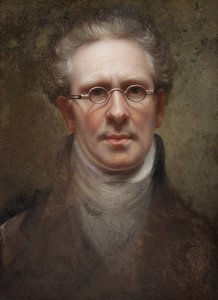
Rembrandt Peale
1778 - 1860 , Vereinigte Staaten von Amerika
Kurzinfos
- Bemerkenswerte Werke:
- George Washington (Porthole-Typ)
- Man mit Bart
- Porträt von Rev. John Pierpont
- Geburtsdatum: 22. Februar 1778
- Geburtsort (Stadt, Land): Bucks County, USA
- Künstler, Die Diesen Künstler Beeinflussten:
- Charles Willson Peale
- Rembrandt Harmenszoon van Rijn
- Künstlerische Bewegung/Stil: Neoklassizismus
- Nationalität: Amerikanisch
- Sterbedatum: 1860
- Vollständiger Name: Rembrandt Peale
Ähnliche Artikel

Rembrandts Meisterwerke: Die Top 25 Kunstwerke für Ihr Zuhause | ArtsDot
Entdecken Sie Rembrandts 25 berühmteste Kunstwerke! Tauchen Sie ein in die Welt des Barock, Licht und Schatten & historischer Porträts. Hochwertige Reproduktionen für Ihr Zuhause – jetzt auf ArtsDot.com!

Die 10 Meisterwerke der niederländischen Barockmalerei – Kunst für Ihr Zuhause | ArtsDot
Entdecken Sie die 10 prägendsten Meisterwerke der niederländischen Barockmalerei! Von Rembrandt bis Vermeer – erleben Sie Kunstgeschichte, Techniken & Emotionen. Hochwertige Reproduktionen für Ihr Zuhause auf ArtsDot.com.
Rijksmuseum Amsterdam: Die 25 Meisterwerke – Kunst für Ihr Zuhause | ArtsDot
Entdecken Sie die 25 berühmtesten Meisterwerke des Rijksmuseum Amsterdam! Von Rembrandt bis Karel Appel – Kunstgeschichte, Techniken & Inspiration für Ihr Zuhause. Hochwertige Reproduktionen auf ArtsDot.com.

Barock Meisterwerke: Die 10 prägendsten Kunstwerke für Ihr Zuhause |
Entdecken Sie die 10 prägendsten Meisterwerke des Barock! Caravaggio, Rembrandt & Co. – Erfahren Sie die Geschichten hinter ikonischen Gemälde und finden Sie hochwertige Kunst Reproduktionen für Ihr Zuhause auf .
Meisterwerke des 17. Jahrhunderts: Kunst für Ihr Zuhause | ArtsDot
Entdecken Sie die 10 bedeutendsten Kunstwerke des 17. Jahrhunderts! Von Rembrandt bis Caravaggio – erleben Sie Barockmalerei, niederländische Meister & klassische Gemälde. Finden Sie Ihre perfekte Reproduktion auf ArtsDot.com.