 Vorschau anzeigen
 Versenden
 Teilen
 Details anzeigen

 Herunterladen
 Ähnliche Objekte
 Röntgenaufnahme
 Diashow
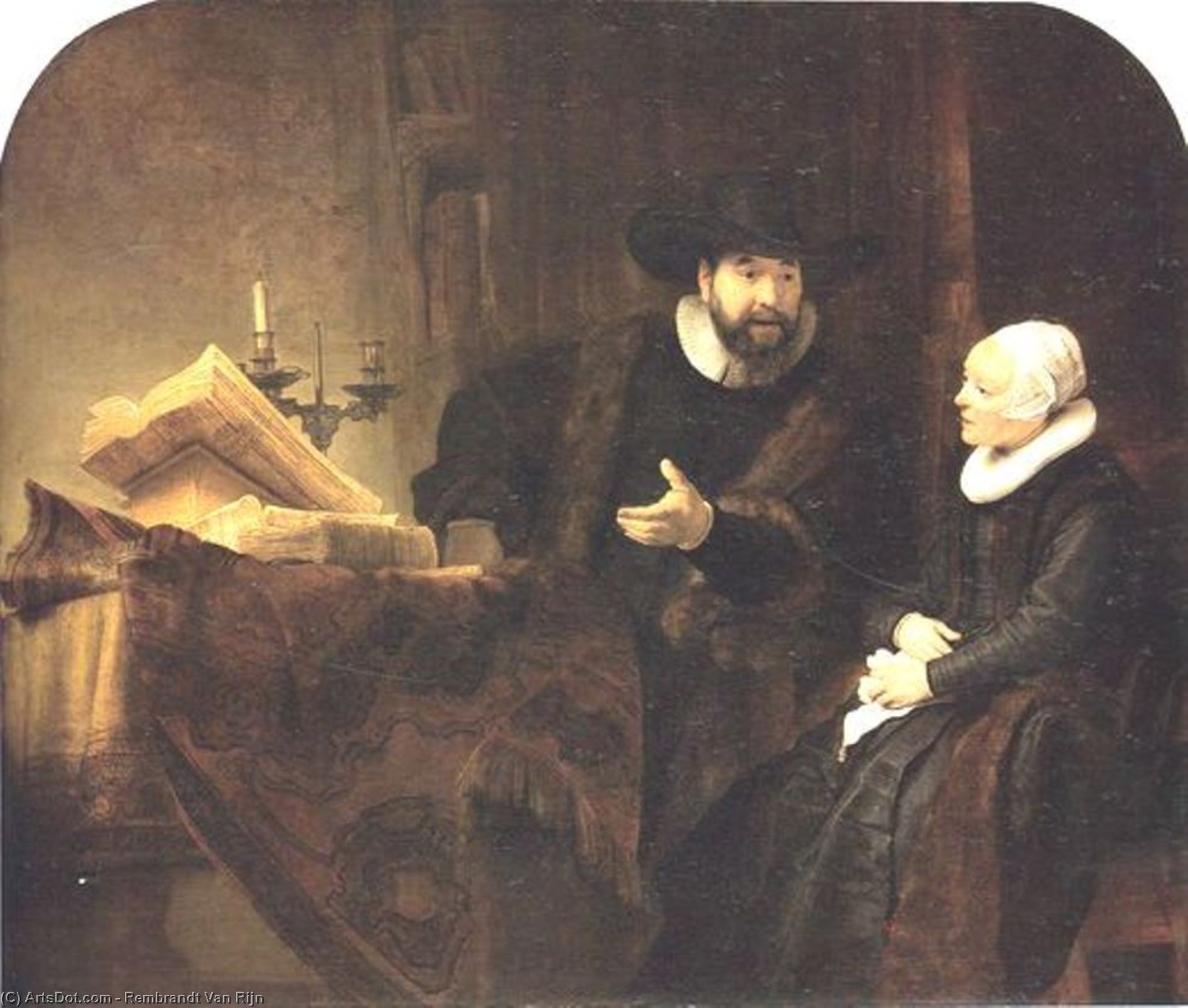
Das Doppelbild von Cornelisz Claesz Anslo und seiner Frau Aeltje Gerritsdr Schouten
 Acryl auf Leinwand
- Wandkunst
- Baroque
 1641
1641- Renaissance
 176.0 x 210.0 cm
 Weiterlesen
Handgefertigte Ölreproduktion
Handgemaltes Ölgemälde auf Leinwand in Ihrer Wunschgröße und mit Rahmen, auf Bestellung von unseren Künstlern angefertigt. ( Druck bestellen Bild kaufen)




P118B $10

P118H $10

P118W $10

P438Z $10

P508JH $12

P508YH $12

P805H $10

P805Z $10

P919BZ $10

P919G $10

P919XJ $10

P959ZH $10

P968JZ $12

W106C $8

W218G $10

W218JH $8

W218Y $10

W307PJ $10

W316G $10

W316PJ $8

W316Y $10

W398PJ $8

W4111J $10

W500HY $15

W500JH $15

W692G $12

W849H $8

W940BG $15

W953PJ $8




Wählen Sie aus unseren vordefinierten Formaten, die den ursprünglichen Proportionen des Kunstwerks entsprechen.

Sie können Ihre eigenen Maße eingeben, um einen bestimmten Rahmen oder Platz auszufüllen. Wenn die gewählte Größe nicht den Proportionen des Originalbildes entspricht, werden wir das Kunstwerk entweder beschneiden oder das Gemälde durch zusätzliche, handgemalte Elemente erweitern. Ein digitales Mockup wird Ihnen zur Genehmigung zugesandt, bevor die Produktion beginnt.
Bitte beachten Sie, dass die Bildschirmvorschau nicht die tatsächliche Beschneidung oder Erweiterung widerspiegelt. Nur das Mockup zeigt die endgültige Komposition exakt an.
Obwohl Sondermaße verfügbar sind, empfehlen wir, eine Größe aus der vordefinierten Liste zu wählen, um die ursprünglichen Proportionen beizubehalten.
Nach der Bestellung wird das ArtsDot.com-Team dem Kunden Anweisungen per E-Mail zusenden und eine Mockup-Vorschau bereitstellen.
Weltweiter Versand () in nur 3 bis 4 Wochen statt der üblichen 5 Wochen. (26 August). Keine Kompromisse bei der Qualität.

Kostenloser weltweiter Expressversand

Hochwertige Leinenleinwand

Umfassender Versicherungsschutz beim Versand

Zollgebühren-Rückerstattungsgarantie

Garantie für exakte Farbtreue

60 Tage Rückgaberecht (nur bei Mängeln)

100% Geld-zurück-Garantie

Mengenrabatt verfügbar
 Die Glasoption ist nur für Größen unter 110 cm verfügbar.

Das Doppelbild von Cornelisz Claesz Anslo und seiner Frau Aeltje Gerritsdr Schouten
Art der Reproduktion
Format der Reproduktion
-


Gesamtpreis
$ 263
Beschreibung des Kunstwerks
A Window Into Dutch Golden Age Life: Rembrandt’s Double Portrait of Cornelisz Claesz Anslo and his Wife Aeltje Gerritsdr Schouten
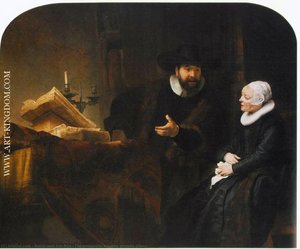
Rembrandt van Rijn's “Double Portrait of Cornelisz Claesz Anslo and his Wife Aeltje Gerritsdr Schouten,”, painted in 1641, isn’t merely a depiction of two individuals; it’s a meticulously crafted window into the intellectual and social life of Amsterdam during the height of the Dutch Golden Age. This remarkable work, now housed within the prestigious Schloss Sanssouci in Berlin, transcends simple portraiture to become a poignant study of domesticity, faith, and the burgeoning culture of learning that defined the era. Rembrandt’s genius lies not just in his technical mastery – the subtle play of light and shadow, the remarkably lifelike rendering of faces – but also in his ability to imbue his subjects with an undeniable sense of presence and character. The painting immediately draws the eye to the couple seated before a richly appointed dining table. Cornelisz Claesz Anslo, a prominent Amsterdam shipowner and Mennonite minister, occupies the left side of the composition, his posture conveying both authority and quiet contemplation. His beard, meticulously rendered with varying shades of brown and grey, speaks volumes about his age and status, while the carefully arranged hat hints at his role as a respected figure within his community. Across from him sits his wife, Aeltje Gerritsdr Schouten, radiating an understated elegance. Her attire – a flowing gown adorned with delicate lace – reflects her position within a prosperous household, subtly suggesting her influence and social standing. The inclusion of the handkerchief in her hand is a particularly telling detail, indicative of the refined manners and domestic graces valued during that period. The setting itself is laden with symbolic meaning. The dining table, dominated by scattered books and open volumes, immediately establishes a scholarly atmosphere. Rembrandt cleverly uses this backdrop to suggest a shared intellectual pursuit – perhaps a lively discussion on literature or theology. The presence of these texts underscores Anslo’s role as a minister and hints at the couple’s engagement with the ideas of their time. The arrangement isn’t haphazard; it feels deliberately staged, inviting the viewer to imagine them immersed in conversation, exchanging thoughts and opinions. It is a scene that speaks volumes about the importance placed on education and intellectual discourse within this affluent family. Rembrandt’s masterful use of *chiaroscuro* – the dramatic contrast between light and shadow – is central to the painting’s impact. He expertly manipulates light to draw attention to the subjects’ faces, particularly their hands, which are subtly gesturing, conveying a sense of engagement and animation. The man’s animated expression, with his slightly open mouth and attentive gaze, suggests an active participant in whatever conversation unfolds before him. The woman’s composed demeanor, reflected in her elegant dress and serene expression, complements her husband’s dynamic pose, creating a harmonious balance within the composition. This interplay of light and shadow not only enhances the realism of the figures but also imbues the scene with a profound emotional depth. Beyond its aesthetic qualities, “Double Portrait” offers a valuable glimpse into the social fabric of 17th-century Amsterdam. The Anslo family’s wealth – evident in their luxurious furnishings and attire – reflects the prosperity that characterized the Dutch Republic during this period. However, Rembrandt doesn't simply celebrate material success; he subtly incorporates elements of Mennonite faith, symbolized by the open book and the reference to the “correctio fraterna” (brotherly admonition) within the painting’s details. This suggests a family deeply rooted in religious values, committed to both intellectual pursuits and moral principles. The painting, therefore, serves as a testament to the complex interplay of wealth, faith, and learning that defined Dutch society during the Golden Age. ## Rembrandt's Techniques: A Symphony of Light and Shadow Delving deeper into Rembrandt’s artistic techniques reveals the extraordinary skill with which he captured the essence of his subjects. He employed a layered approach to paint application, building up thin glazes of color over a dark underpainting – a technique known as *sfumato* – that created an incredible sense of depth and luminosity. This method allowed him to achieve subtle gradations of tone, mimicking the way light interacts with surfaces and creating a remarkably realistic effect. The textures of the fabrics—the velvet of Anslo’s coat, the lace on Aeltje's gown—are rendered with astonishing detail, inviting the viewer to almost feel their softness. Furthermore, Rembrandt’s use of *impasto* – applying paint thickly to create texture and visual interest – is particularly evident in the rendering of Anslo’s beard and hat. These areas are characterized by a raised, three-dimensional quality that adds considerable dynamism to the composition. Conversely, he employs smoother brushstrokes for the more delicate details, such as Aeltje's lace collar and the folds of her gown, demonstrating his remarkable control over his medium. The artist’s ability to seamlessly blend these contrasting techniques—thick impasto alongside subtle glazes—is a hallmark of his genius and contributes significantly to the painting’s overall impact. ## Historical Context and Legacy: A Piece Within a Larger Narrative The “Double Portrait of Cornelisz Claesz Anslo and his Wife Aeltje Gerritsdr Schouten" is not an isolated artwork; it’s part of a larger collection housed at Schloss Sanssouci in Berlin, Germany – a testament to the significant role Dutch art played in European cultural circles during the 17th century. This location underscores the painting’s importance within the broader context of collecting and preserving artistic heritage. The fact that Rembrandt himself created this portrait for a wealthy merchant family speaks volumes about his standing as one of the most sought-after artists of his time. Rembrandt's oeuvre is vast and diverse, encompassing portraits, landscapes, biblical scenes, and self-portraits. This double portrait stands out for its intimate portrayal of a domestic scene—a rare subject matter for Rembrandt at this period. It offers a glimpse into the lives of ordinary people – not royalty or religious figures – but individuals engaged in intellectual pursuits and social interactions. The painting’s enduring appeal lies, in part, because it captures a fleeting moment of connection between two individuals within a specific historical context. Furthermore, Rembrandt's legacy extends far beyond his artistic achievements. He was a pioneer in the use of light and shadow, influencing generations of artists to come. His innovative techniques—particularly his mastery of *chiaroscuro*—continue to be studied and admired by art students today. The “Double Portrait” serves as a powerful reminder of Rembrandt’s profound impact on the history of Western art, solidifying his position as one of the greatest painters of all time. ## Exploring Further: Related Works and Artistic Connections For those seeking to delve deeper into Rembrandt's world, several related works offer valuable insights into his artistic development and broader interests. His self-portraits, for example, provide a fascinating glimpse into the artist’s own life and psyche—a subject he explored with remarkable honesty and vulnerability. The “Virgin Mourning the Death of Jesus,”, another iconic masterpiece, showcases Rembrandt’s dramatic use of light and shadow to convey profound emotion. Furthermore, exploring the work of Titus van Rijn, Rembrandt’s son, can illuminate the artistic lineage within the family. His paintings often share stylistic similarities with his father’s work, demonstrating a clear influence. And for those interested in understanding the broader context of Dutch art during the Golden Age, visiting the website ArtsDot.com offers a wealth of information on artists, artworks, and historical events. The site's resources provide valuable insights into Rembrandt’s life, career, and artistic influences, as well as details about other prominent figures and movements within the Dutch art world.Ähnliche Kunstwerke

Über den Künstler
Rembrandt van Rijn: Leben & Erbe
Frühes Leben und Ausbildung (1606-1625)
- Rembrandt Harmenszoon van Rijn wurde am 15. Juli 1606 in Leiden, Niederlande – einem geschäftigen Zentrum der Holländischen Republik im Goldenen Zeitalter – geboren.
- Sein Vater, Harmen Gerritszoon van Rijn, war Müller, und seine Mutter, Neeltgen Willemsdochter van Zuytbrouck, stammte aus einer Familie von Bäckerinnen. Dies ermöglichte Rembrandt den Zugang zur Bildung an der Lateinschule in Leiden.
- Um 1620 begann er eine Lehre bei Jacob van Swanenburg in Leiden.
- Ein entscheidender sechsmonatiger Zeitraum (1624) wurde unter Pieter Lastman in Amsterdam verbracht, dessen dramatische Verwendung von Licht und Schatten Rembrandts frühe Arbeit nachhaltig beeinflusste.
- Nach seiner Rückkehr nach Leiden gründete er um 1625 sein eigenes Atelier, das er mit dem Künstler Jan Lievens teilte.
Früher Karriere und Umzug nach Amsterdam (1625-1642)
- Rembrandt erlangte schnell in Leiden Anerkennung für seine historischen Gemälde und Porträts.
- Im Jahr 1629 profitierte er vom Gönnertum von Constantijn Huygens und erhielt Aufträge vom Haagischen Hof – ein Wendepunkt in seiner Karriere.
- Er zog 1631 nach Amsterdam und wurde als erfolgreicher Porträtist tätig, der wohlhabende Kunden anzog.
- Im Jahr 1634 heiratete er Saskia van Uylenburgh, die Tochter eines einflussreichen Juristen und Bürgermeisters, wodurch er gesellschaftlichen Einfluss und anfängliche finanzielle Stabilität erlangte.
Künstlerische Entwicklung und Stil
- Rembrandts künstlerische Entwicklung war durch ständige Experimente gekennzeichnet. Er ging von idealisierten Formen ab zu realistischen und emotional ausdrucksstarken Darstellungen.
- Frühes Zeitalter (ca. 1625-1635): Geprägt von detaillierter Realismus und dem Einfluss von Lastman.
- Reifes Zeitalter (ca. 1635-1650er): Charakterisiert durch die meisterhafte Verwendung von *Chiaroscuro* – dramatischem Licht und Schatten, das psychische Tiefe erzeugt. Seine Pinselstrichführung wurde lockerer und vermittelte Textur und Emotion.
- Spätes Zeitalter (ca. 1650er-1669): Eine Rückkehr zu einer gedämpfteren Farbpalette, die sich auf intime Porträts und biblische Szenen konzentrierte, die persönliche Kämpfe und spirituelle Reflexionen widerspiegeln.
Wichtige Werke und Leistungen
- Die Anatomie-Vorlesung von Dr. Nicolaes Tulp (1632): Pionierhaftes Gruppenporträt, das menschliche Anatomie und Persönlichkeit zeigt.
- Belshazzars Festmahl (1635): Dramatische biblische Szene, die meisterhafte Verwendung von Licht, Schatten und Komposition demonstriert.
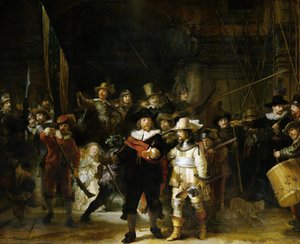
- Die Wache (1642) – offiziell Militärkompanie des Bezirks II unter dem Kommando von Kapitän Frans Banninck Cocq: Ein dynamisches Gruppenporträt, das das Genre mit innovativer Komposition und Beleuchtung neu definierte.
- Selbstporträts: Ungefähr 40 Selbstporträts, die ein einzigartiges visuelles Zeugnis seines Alterns und seiner künstlerischen Vision bieten.
Einflüsse und Vermächtnis
- Italienische Meister: Studierte Werke von Titian, Caravaggio durch Drucke und Reproduktionen.
- Caravaggio: Die dramatische Verwendung von Licht und Schatten hatte einen tiefgreifenden Einfluss auf Rembrandts Stil.
- Niederländische und flämische Künstler: Von zeitgenössischen Künstlern beeinflusst, die in der Holländischen Republik und Flandern wirkten.
- Rembrandt revolutionierte das Porträtmalerei, erhob die Radierung zu einer Kunstform von Rang und erforschte tiefgründige psychologische Themen.
- Trotz persönlicher Tragödien und finanzieller Schwierigkeiten dauerte sein Ruf an. Er gilt heute als Eckpfeiler der holländischen Kunst und als universelles Symbol des künstlerischen Genies.
Historische Bedeutung
- Rembrandts Werk spiegelt den Geist der Holländischen Goldenen Zeit wider – wirtschaftliche Prosperität, intellektuelles Aufblühen und künstlerische Innovation.
- Er erfasste die Essenz dieser Epoche durch Porträts, biblische Szenen, die bei den Zuschauern Anklang fanden, und die Erforschung universeller menschlicher Emotionen.
- Seine Lebensgeschichte – geprägt von Erfolg und Widrigkeiten – hat ihn zu einer faszinierenden Figur in der Kunstgeschichte gemacht. Er bleibt ein dauerhaftes Symbol für Hingabe zum Handwerk, selbst inmitten persönlicher Herausforderungen. Rembrandts Einfluss auf nachfolgende Generationen von Künstlern ist unermesslich.
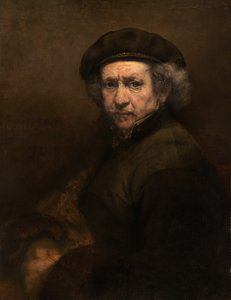
Rembrandt van Rijn
1606 - 1669 , Niederlande
Kurzinfos
- Beeinflusste Künstler:
- Pieter Lastman
- Caravaggio
- Italienische Meister
- Bemerkenswerte Werke:
- Anatomie-Vorlesung Dr. Tulp
- Belshazzars Festmahl
- Die Nachtwache
- Selbstporträts
- Geburtsdatum: 15. Juli 1606
- Geburtsort: Leiden, Niederlande
- Künstlerische Richtung: Barockmalerei
- Nationalität: Niederländisch
- Sterbedatum: 1669
- Vollständiger Name: Rembrandt van Rijn
Ähnliche Artikel

Rembrandts Meisterwerke: Die Top 25 Kunstwerke für Ihr Zuhause | ArtsDot
Entdecken Sie Rembrandts 25 berühmteste Kunstwerke! Tauchen Sie ein in die Welt des Barock, Licht und Schatten & historischer Porträts. Hochwertige Reproduktionen für Ihr Zuhause – jetzt auf ArtsDot.com!

Die 10 Meisterwerke der niederländischen Barockmalerei – Kunst für Ihr Zuhause | ArtsDot
Entdecken Sie die 10 prägendsten Meisterwerke der niederländischen Barockmalerei! Von Rembrandt bis Vermeer – erleben Sie Kunstgeschichte, Techniken & Emotionen. Hochwertige Reproduktionen für Ihr Zuhause auf ArtsDot.com.
Rembrandt van Rijn: A Life Illuminated – Exploring the Master of Light, Shadow, and Human Emotion
Explore the life & art of Rembrandt van Rijn, master of light and shadow. Discover his iconic paintings, revolutionary techniques, and enduring legacy with ArtsDot – trusted experts in fine art reproductions since 2004.
Rembrandt van Rijn: Licht und Schatten der Seele – Innovation, Emotion und das niederländische Goldene Zeitalter
Entdecken Sie Rembrandts revolutionäre Kunst! Erfahren Sie mehr über das Goldene Zeitalter, die Meisterschaft des Chiaroscuro und seine tiefgründigen Porträts. Expertenwissen & hochwertige Reproduktionen auf ArtsDot.
Mastering Light and Shadow: A Guide to Rembrandt's Chiaroscuro Technique
Discover the secrets of Rembrandt's chiaroscuro technique. Explore how the Dutch Golden Age master used light and shadow to create profound emotional depth and timeless drama in his legendary portraits and biblical narratives.