 Vorschau anzeigen
 Versenden
 Teilen
 Details anzeigen

 Herunterladen
 Ähnliche Objekte
 Röntgenaufnahme
 Diashow
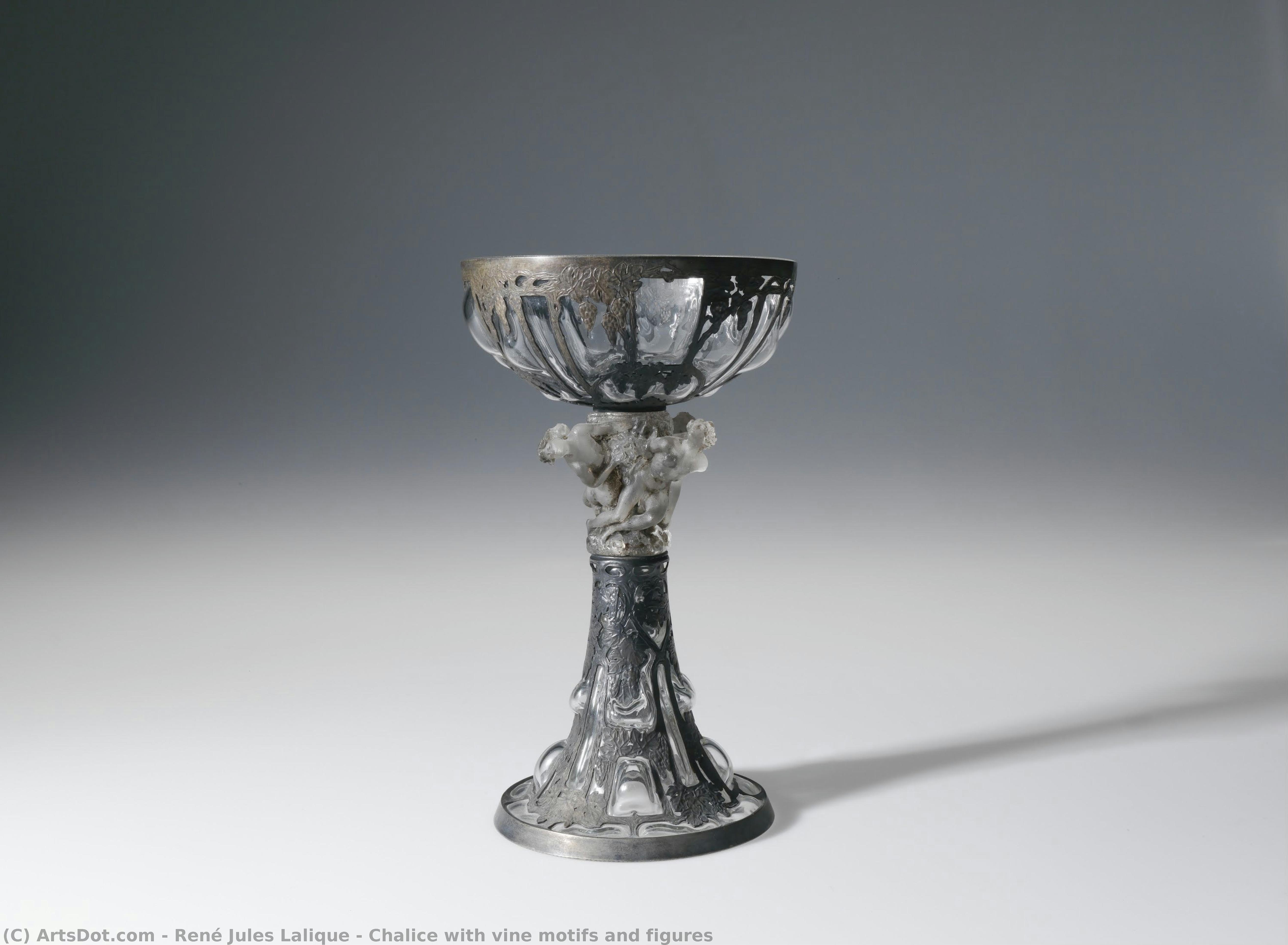
Chalice with vine motifs and figures


 Weiterlesen
Handgefertigte Ölreproduktion
Handgemaltes Ölgemälde auf Leinwand in Ihrer Wunschgröße und mit Rahmen, auf Bestellung von unseren Künstlern angefertigt. ( Druck bestellen Bild kaufen)




P118B $10

P118H $10

P118W $10

P438Z $10

P508JH $12

P508YH $12

P805H $10

P805Z $10

P919BZ $10

P919G $10

P919XJ $10

P959ZH $10

P968JZ $12

W106C $8

W218G $10

W218JH $8

W218Y $10

W307PJ $10

W316G $10

W316PJ $8

W316Y $10

W398PJ $8

W4111J $10

W500HY $15

W500JH $15

W692G $12

W849H $8

W940BG $15

W953PJ $8




Wählen Sie aus unseren vordefinierten Formaten, die den ursprünglichen Proportionen des Kunstwerks entsprechen.

Sie können Ihre eigenen Maße eingeben, um einen bestimmten Rahmen oder Platz auszufüllen. Wenn die gewählte Größe nicht den Proportionen des Originalbildes entspricht, werden wir das Kunstwerk entweder beschneiden oder das Gemälde durch zusätzliche, handgemalte Elemente erweitern. Ein digitales Mockup wird Ihnen zur Genehmigung zugesandt, bevor die Produktion beginnt.
Bitte beachten Sie, dass die Bildschirmvorschau nicht die tatsächliche Beschneidung oder Erweiterung widerspiegelt. Nur das Mockup zeigt die endgültige Komposition exakt an.
Obwohl Sondermaße verfügbar sind, empfehlen wir, eine Größe aus der vordefinierten Liste zu wählen, um die ursprünglichen Proportionen beizubehalten.
Nach der Bestellung wird das ArtsDot.com-Team dem Kunden Anweisungen per E-Mail zusenden und eine Mockup-Vorschau bereitstellen.
Weltweiter Versand () in nur 3 bis 4 Wochen statt der üblichen 5 Wochen. (21 August). Keine Kompromisse bei der Qualität.

Kostenloser weltweiter Expressversand

Hochwertige Leinenleinwand

Umfassender Versicherungsschutz beim Versand

Zollgebühren-Rückerstattungsgarantie

Garantie für exakte Farbtreue

60 Tage Rückgaberecht (nur bei Mängeln)

100% Geld-zurück-Garantie

Mengenrabatt verfügbar
 Die Glasoption ist nur für Größen unter 110 cm verfügbar.

Chalice with vine motifs and figures
Art der Reproduktion
Format der Reproduktion
-


Gesamtpreis
$ 288
Beschreibung des Kunstwerks
A Celebration of Nature’s Elegance: René Lalique's Chalice with Vine Motifs and Figures
René Jules Lalique (1860–1945) stands as an undisputed titan of Art Nouveau, a movement that sought to recapture the spirit of antiquity through organic forms and flowing lines—a reaction against the rigid geometries of industrialization. More than simply a craftsman, Lalique was a visionary artist who fundamentally reshaped perceptions of luxury, fusing glassblowing mastery with meticulous metalworking to produce objects of breathtaking beauty and profound symbolic resonance. His legacy continues to inspire designers and collectors alike, cementing his place as one of the most influential figures in decorative arts history.The Genesis of Organic Form: Lalique’s Artistic Influences
Lalique's formative years were steeped in the pastoral landscapes of Champagne, France—a region renowned for its vineyards and rolling hills. These surroundings instilled within him a deep appreciation for natural forms, mirroring the core aesthetic principles of Art Nouveau. Artists like Gustave Moreau and Alphonse Mucha, whose works explored mythological themes and fantastical imagery with delicate botanical ornamentation, profoundly impacted Lalique’s artistic sensibilities. This fascination with nature wasn't merely decorative; it represented an earnest desire to reconnect humanity with its primal roots—a sentiment that would permeate his entire oeuvre.A Pioneering Technique: Blown Glass and Metal Framework
Lalique revolutionized glassmaking by integrating metalworking techniques into his creations, a daring innovation for the time. Unlike traditional crystal production methods which relied solely on heat-resistant quartz sand, Lalique skillfully manipulated molten glass within a silver and bronze framework—a process known as pâte verre (paste glass). This method allowed for unprecedented sculptural possibilities, enabling artists to achieve remarkable detail and textural complexity. The incorporation of metal not only provided structural support but also introduced contrasting hues and surfaces, enhancing the overall visual impact of the piece. It was a deliberate departure from established conventions, signaling Lalique’s commitment to pushing artistic boundaries.Symbolism Rooted in Antiquity: Vine Leaves and Spirals
The decorative motifs adorning Lalique's 'Chalice with vine motifs and figures' – specifically the stylized vine leaves and spirals – are laden with symbolic significance. These elements hark back to ancient Greek art, where vines were frequently employed as emblems of fertility, abundance, and immortality—themes central to Hellenistic mythology. The swirling lines of the spiral represent dynamism and growth, mirroring the cyclical rhythms of nature and conveying a sense of timeless beauty. Furthermore, the intertwining figures depicted on the glass knob symbolize unity and harmony, reflecting Lalique’s belief in the transformative power of art to elevate the human spirit.A Legacy Enduring Beauty: The Chalice's Emotional Impact
More than just an aesthetically pleasing object, Lalique’s chalice embodies a profound emotional response—a yearning for serenity, contemplation, and connection with the natural world. Its translucent glass surface captures and refracts light in subtle ways, creating an ethereal glow that evokes feelings of tranquility and wonder. The polished silver and bronze surfaces reflect elegance and refinement, underscoring Lalique’s mastery of craftsmanship. Viewing this masterpiece is akin to embarking on a journey into a realm of artistic imagination—a testament to the enduring power of Art Nouveau's vision of beauty and its ability to inspire awe and admiration.Provenance & Context: Exhibited at Musée Calouste Gulbenkian
The chalice was proudly showcased during the prestigious exhibition held in Lisbon, Portugal, at the Musée Calouste Gulbenkian—a testament to Lalique’s recognition as a pivotal figure within the artistic landscape of his era. This display underscored the importance of preserving and celebrating exceptional artworks, ensuring that Lalique's contribution to decorative arts continues to resonate across generations.Ähnliche Kunstwerke
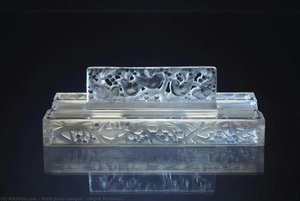
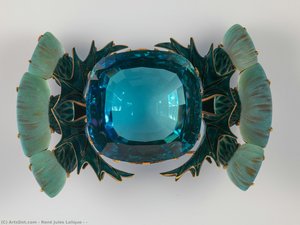
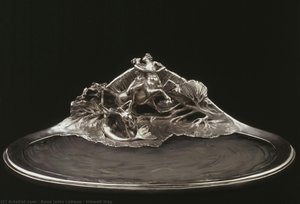
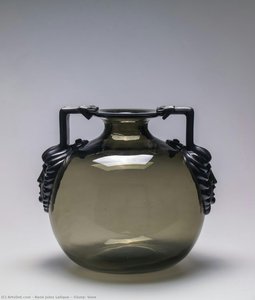
Über den Künstler
Frühes Leben und Ausbildung
René Jules Lalique, ein berühmter französischer Juwelier, Medailleur und Glasdesigner, wurde am 6. April 1860 in Aÿ, Frankreich geboren. Seine frühen Jahre waren geprägt vom Erlernen der Design- und Kunstmethoden, die später seine Karriere prägen sollten. Im Alter von zwei Jahren zog seine Familie in die Vororte von Paris, kehrte aber für Sommerurlaube nach Aÿ zurück, was Laliques naturalistische Glasarbeiten beeinflusste.
Künstlerische Laufbahn
- Nach dem Tod seines Vaters begann Lalique eine Lehre bei dem Goldschmied Louis Aucoc in Paris.
- Später studierte er an der École des Arts Décoratifs und besuchte Abendkurse an der Crystal Palace School of Art Sydenham, London. Diese Auseinandersetzung mit verschiedenen künstlerischen Disziplinen prägte seinen einzigartigen Stil.
- Von 1881 arbeitete Lalique als freiberuflicher Designer für mehrere französische Juwelierfirmen, darunter Cartier und Boucheron.
- Im Jahr 1890 eröffnete er sein eigenes Juweliergeschäft im Opéra-Viertel von Paris, wo er einige seiner berühmtesten Entwürfe schuf.
- Sein Hauptmotiv war die Naturwelt mit Motiven wie Libellen, Orchideen und Pfauen, gefertigt aus einer Kombination von Emaille, Edelsteinen und Halbedelsteinen.
Bedeutende Werke und Vermächtnis
Laliques Kreationen in der Glaskunst sind seine bedeutendsten Werke. Er wurde für seinen Art-Déco-Stil in den 1920er Jahren bekannt. Einige seiner bemerkenswerten Mäzene waren Calouste Sarkis Gulbenkian, der über 140 seiner Arbeiten in Auftrag gab.
- Laliques Werke sind in verschiedenen Museen zu finden, darunter das Musée d'Orsay, das eine umfangreiche Sammlung impressionistischer und postimpressionistischer Meisterwerke beherbergt.
- Seine Tochter Suzanne Lalique war Malerin und Bühnenbildnerin für die Comédie-Française.
- Seine Enkelin Marie Claude-Lalique (geb. 1936) war ebenfalls eine Glasmacherin, die am 14. April 2003 in Fort Myers, Florida verstarb.
Einflüsse und Entwicklung
Laliques Stil wurde stark von der Natur beeinflusst, insbesondere von den detaillierten Formen und Farben von Pflanzen und Tieren. Er brach mit den traditionellen Konventionen der Juwelierkunst, indem er unkonventionelle Materialien wie Horn, Elfenbein und Glas in seine Entwürfe integrierte. Seine frühen Arbeiten zeigten Einflüsse des Jugendstils, während seine späteren Werke den geometrischen Formen und der Eleganz des Art Déco entsprachen.
Tod und Beerdigung
René Lalique starb am 1. oder 5. Mai 1945 in Paris und wurde auf dem Friedhof Père Lachaise in Paris, Frankreich beigesetzt.
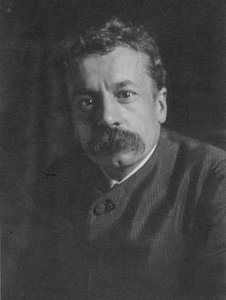
René Jules Lalique
1860 - 1945 , Frankreich
Kurzinfos
- Bemerkenswerte Werke:
- St. Albert Vase
- Anhänger mit Kette
- Weibliches Gesicht
- 'Cluny' Vase
- Caudebec Vase No. 1020
- Geburtsdatum: 6. April 1860
- Geburtsort: Aÿ, Frankreich
- Künstlerische Richtung: Art Nouveau & Art Déco
- Nationalität: Französisch
- Sterbedatum: 1. oder 5. Mai 1945
- Vollständiger Name: René Jules Lalique
Ähnliche Artikel

The Gleaming Geometry of Desire: Exploring Art Deco's Enduring Influence on Visual Culture
Explore the captivating world of Art Deco! Discover its history, key characteristics, enduring influence on design & collecting with expert insights from ArtsDot.com.

The Gilded Age Reimagined: Exploring the Aesthetic Principles & Enduring Legacy of Art Deco
Explore the captivating world of Art Deco! Discover its origins, defining features, cultural impact & enduring legacy. Expert insights for collectors and design enthusiasts. Shop handmade reproductions at ArtsDot.

The Gilded Age Revisited: Art Deco's Modernity & Luxury
Explore the captivating world of Art Deco paintings & the Gilded Age's enduring legacy. Discover iconic artists like Tamara de Lempicka & invest in museum-quality reproductions with ArtsDot.
Art Nouveau Meisterwerke: Die 10 prägendsten Kunstwerke für Ihr Zuhause |
Entdecken Sie die 10 prägendsten Art Nouveau Meisterwerke! Von Mucha bis Klimt – erfahren Sie die Geschichten hinter ikonischen Gemälde & dekorativer Kunst. Hochwertige Kunstdrucke online kaufen auf
The Flowing Line & Flourishing Form: Exploring Art Nouveau's Aesthetic Legacy
Explore the captivating world of Art Nouveau! Discover its origins, key artists like Horta & Mucha, regional styles, innovative techniques, and lasting influence on architecture & design. A comprehensive guide for art enthusiasts.