 Versenden
 Teilen
 Details anzeigen

 Herunterladen
 Ähnliche Objekte
 Diashow
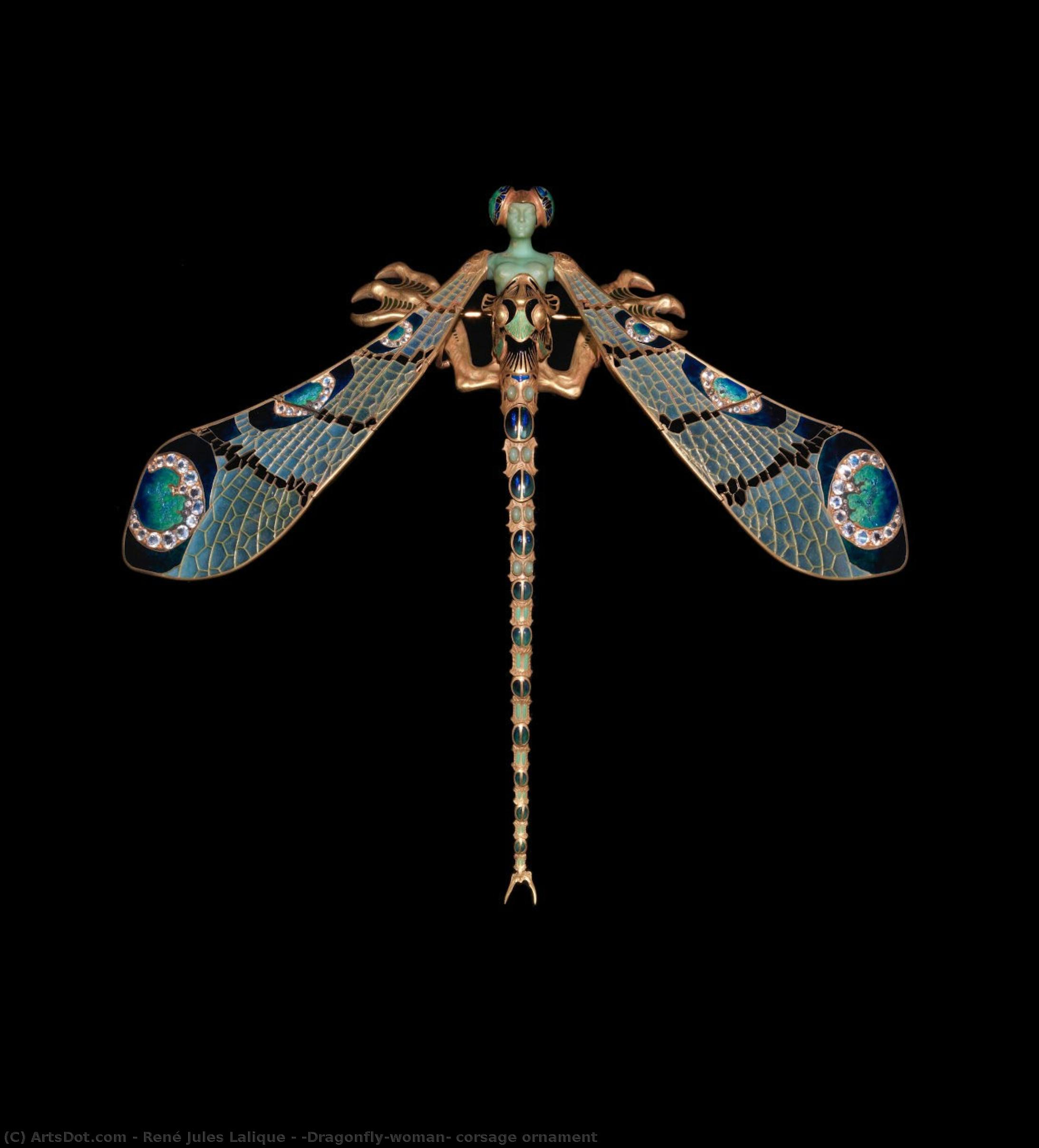
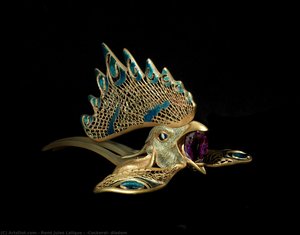
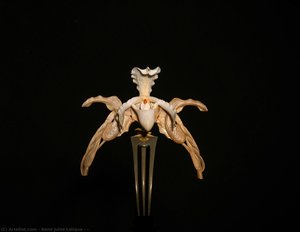
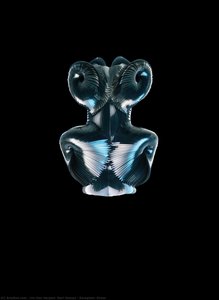
‘Dragonfly-woman’ corsage ornament


 Weiterlesen
Handgefertigte Ölreproduktion
Handgemaltes Ölgemälde auf Leinwand in Ihrer Wunschgröße und mit Rahmen, auf Bestellung von unseren Künstlern angefertigt. ( Druck bestellen Bild kaufen)




































Wählen Sie aus unseren vordefinierten Formaten, die den ursprünglichen Proportionen des Kunstwerks entsprechen.

Sie können Ihre eigenen Maße eingeben, um einen bestimmten Rahmen oder Platz auszufüllen. Wenn die gewählte Größe nicht den Proportionen des Originalbildes entspricht, werden wir das Kunstwerk entweder beschneiden oder das Gemälde durch zusätzliche, handgemalte Elemente erweitern. Ein digitales Mockup wird Ihnen zur Genehmigung zugesandt, bevor die Produktion beginnt.
Bitte beachten Sie, dass die Bildschirmvorschau nicht die tatsächliche Beschneidung oder Erweiterung widerspiegelt. Nur das Mockup zeigt die endgültige Komposition exakt an.
Obwohl Sondermaße verfügbar sind, empfehlen wir, eine Größe aus der vordefinierten Liste zu wählen, um die ursprünglichen Proportionen beizubehalten.
Nach der Bestellung wird das ArtsDot.com-Team dem Kunden Anweisungen per E-Mail zusenden und eine Mockup-Vorschau bereitstellen.
Weltweiter Versand () in nur 3 bis 4 Wochen statt der üblichen 5 Wochen. (24 August). Keine Kompromisse bei der Qualität.

Kostenloser weltweiter Expressversand

Hochwertige Leinenleinwand

Umfassender Versicherungsschutz beim Versand

Zollgebühren-Rückerstattungsgarantie

Garantie für exakte Farbtreue

60 Tage Rückgaberecht (nur bei Mängeln)

100% Geld-zurück-Garantie

Mengenrabatt verfügbar
 Die Glasoption ist nur für Größen unter 110 cm verfügbar.

‘Dragonfly-woman’ corsage ornament
Art der Reproduktion
Format der Reproduktion
-


Gesamtpreis
$ 263
Beschreibung des Kunstwerks
A Symphony of Art Nouveau: Unveiling the ‘Dragonfly-woman’
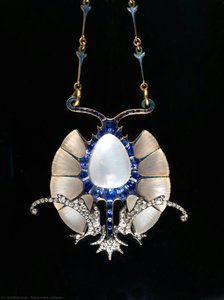
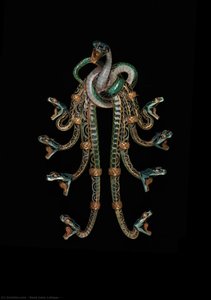
René Lalique’s “Dragonfly-woman” corsage ornament is not merely a piece of jewelry; it's an encapsulation of the Art Nouveau movement’s core tenets – a harmonious blend of nature, fantasy, and exquisite craftsmanship. Created around 1897-1898, this extraordinary brooch transcends its material components to become a potent symbol of duality, beauty, and the alluring power of transformation. Lalique, deeply influenced by his childhood memories of the French countryside and inspired by Japanese naturalism, sought to capture fleeting moments of organic life within his creations. The “Dragonfly-woman” embodies this ambition with breathtaking precision, presenting a captivating paradox that continues to resonate with viewers today.
The piece’s genesis lies in the burgeoning fascination with the exotic and the unconventional during the late 19th century. Lalique, operating at the forefront of Parisian artistic circles, skillfully navigated this landscape, forging a unique style characterized by flowing lines, intricate details, and an almost obsessive attention to natural forms. He rejected the rigid formality of earlier decorative styles, embracing instead a fluid aesthetic that mirrored the rhythms of nature itself. The “Dragonfly-woman” is a testament to this shift, representing a deliberate departure from traditional jewelry design and a bold assertion of artistic individuality.
A Hybrid Vision: Form and Symbolism
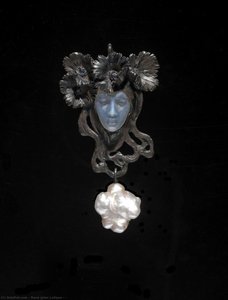
At first glance, the brooch presents a startling juxtaposition – an enormous gold and enamel dragonfly dominating the composition, its articulated wings spread in graceful motion. Emerging from the insect’s gaping mouth is a delicate female bust, adorned with a helmet embellished with beetle motifs. This deliberate merging of disparate elements—the predatory insect and the serene feminine figure—is central to the brooch's symbolic power. Lalique masterfully utilizes contrast to evoke a sense of tension and allure, suggesting a dynamic interplay between attraction and repulsion, life and death, beauty and danger.
The dragonfly itself is rich in symbolism. Traditionally associated with transformation, rebirth, and good fortune, it represents the cyclical nature of existence. The female bust, emerging from the insect’s maw, can be interpreted as a symbol of fertility, creation, and feminine power. The inclusion of moonstones and chalcedony within the figure further enhances this theme, evoking lunar cycles and the mysteries of the night. Even the choice of chrysoprase – a vibrant green gemstone – adds to the brooch's evocative quality, connecting it to nature’s vitality.
Craftsmanship & Materials: A Masterclass in Technique
The “Dragonfly-woman” is a remarkable feat of technical skill. Lalique employed a masterful combination of techniques—intricate enamel work, meticulous gemstone setting, and the skillful manipulation of gold—to achieve an unparalleled level of detail and luminosity. The enamel, particularly, is breathtaking in its vibrancy and precision, creating a shimmering surface that seems to shift and change with the light. The delicate application of diamonds further accentuates the brooch’s luxurious quality.
- Gold & Enamel: Provides the structural framework and rich color palette.
- Opaline Enamel: Used for the dragonfly's wings, creating a translucent effect that enhances their ethereal beauty.
- Diamonds: Strategically placed to catch and reflect light, adding sparkle and brilliance.
- Moonstones & Chalcedony: Employed as cabochons within the female bust, contributing to the brooch’s overall depth and visual interest.
The choice of materials themselves speaks volumes about Lalique's artistic vision. He deliberately eschewed traditional precious stones in favor of more affordable options, believing that their beauty lay not in their rarity but in their ability to capture the essence of nature. This commitment to accessibility and authenticity is a hallmark of his distinctive style.
A Legacy of Beauty: Context & Impact
The “Dragonfly-woman” was unveiled at the Paris Universal Exhibition in 1900, where it immediately captivated audiences with its audacious design and exquisite craftsmanship. It became an instant sensation, solidifying Lalique’s reputation as one of the leading artists of his time. The brooch's success underscored the growing popularity of Art Nouveau, which celebrated beauty, nature, and the decorative arts. It remains a powerful example of the movement’s influence on jewelry design, inspiring generations of artists and designers.
Today, the “Dragonfly-woman” stands as a testament to René Lalique's genius—a captivating work of art that continues to enchant viewers with its beauty, symbolism, and technical brilliance. Its enduring appeal lies in its ability to evoke a sense of wonder, mystery, and the timeless allure of nature’s embrace.
Über den Künstler
Frühes Leben und Ausbildung
René Jules Lalique, ein berühmter französischer Juwelier, Medailleur und Glasdesigner, wurde am 6. April 1860 in Aÿ, Frankreich geboren. Seine frühen Jahre waren geprägt vom Erlernen der Design- und Kunstmethoden, die später seine Karriere prägen sollten. Im Alter von zwei Jahren zog seine Familie in die Vororte von Paris, kehrte aber für Sommerurlaube nach Aÿ zurück, was Laliques naturalistische Glasarbeiten beeinflusste.
Künstlerische Laufbahn
- Nach dem Tod seines Vaters begann Lalique eine Lehre bei dem Goldschmied Louis Aucoc in Paris.
- Später studierte er an der École des Arts Décoratifs und besuchte Abendkurse an der Crystal Palace School of Art Sydenham, London. Diese Auseinandersetzung mit verschiedenen künstlerischen Disziplinen prägte seinen einzigartigen Stil.
- Von 1881 arbeitete Lalique als freiberuflicher Designer für mehrere französische Juwelierfirmen, darunter Cartier und Boucheron.
- Im Jahr 1890 eröffnete er sein eigenes Juweliergeschäft im Opéra-Viertel von Paris, wo er einige seiner berühmtesten Entwürfe schuf.
- Sein Hauptmotiv war die Naturwelt mit Motiven wie Libellen, Orchideen und Pfauen, gefertigt aus einer Kombination von Emaille, Edelsteinen und Halbedelsteinen.
Bedeutende Werke und Vermächtnis
Laliques Kreationen in der Glaskunst sind seine bedeutendsten Werke. Er wurde für seinen Art-Déco-Stil in den 1920er Jahren bekannt. Einige seiner bemerkenswerten Mäzene waren Calouste Sarkis Gulbenkian, der über 140 seiner Arbeiten in Auftrag gab.
- Laliques Werke sind in verschiedenen Museen zu finden, darunter das Musée d'Orsay, das eine umfangreiche Sammlung impressionistischer und postimpressionistischer Meisterwerke beherbergt.
- Seine Tochter Suzanne Lalique war Malerin und Bühnenbildnerin für die Comédie-Française.
- Seine Enkelin Marie Claude-Lalique (geb. 1936) war ebenfalls eine Glasmacherin, die am 14. April 2003 in Fort Myers, Florida verstarb.
Einflüsse und Entwicklung
Laliques Stil wurde stark von der Natur beeinflusst, insbesondere von den detaillierten Formen und Farben von Pflanzen und Tieren. Er brach mit den traditionellen Konventionen der Juwelierkunst, indem er unkonventionelle Materialien wie Horn, Elfenbein und Glas in seine Entwürfe integrierte. Seine frühen Arbeiten zeigten Einflüsse des Jugendstils, während seine späteren Werke den geometrischen Formen und der Eleganz des Art Déco entsprachen.
Tod und Beerdigung
René Lalique starb am 1. oder 5. Mai 1945 in Paris und wurde auf dem Friedhof Père Lachaise in Paris, Frankreich beigesetzt.
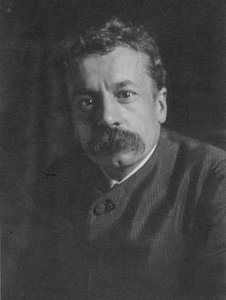
René Jules Lalique
1860 - 1945 , Frankreich
Kurzinfos
- Bemerkenswerte Werke:
- St. Albert Vase
- Anhänger mit Kette
- Weibliches Gesicht
- 'Cluny' Vase
- Caudebec Vase No. 1020
- Geburtsdatum: 6. April 1860
- Geburtsort: Aÿ, Frankreich
- Künstlerische Richtung: Art Nouveau & Art Déco
- Nationalität: Französisch
- Sterbedatum: 1. oder 5. Mai 1945
- Vollständiger Name: René Jules Lalique
Ähnliche Artikel
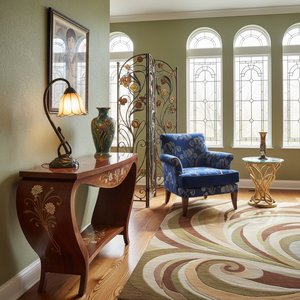
Art Nouveau Meisterwerke: Die 10 prägendsten Kunstwerke für Ihr Zuhause |
Entdecken Sie die 10 prägendsten Art Nouveau Meisterwerke! Von Mucha bis Klimt – erfahren Sie die Geschichten hinter ikonischen Gemälde & dekorativer Kunst. Hochwertige Kunstdrucke online kaufen auf
The Flowing Line & Flourishing Form: Exploring Art Nouveau's Aesthetic Legacy
Explore the captivating world of Art Nouveau! Discover its origins, key artists like Horta & Mucha, regional styles, innovative techniques, and lasting influence on architecture & design. A comprehensive guide for art enthusiasts.
Alphonse Mucha: Meister des Jugendstils und seine zeitlose Ästhetik
Entdecken Sie das Leben und Werk von Alphonse Mucha, dem Meister des Jugendstils! Erfahren Sie mehr über seine ikonischen Plakate, Illustrationen und den bleibenden Einfluss seiner Kunst auf die moderne Welt. Jetzt lesen!

Raphael Kirchner: Eine poetische Vision der Gesellschaft der Belle Époque durch Art-Nouveau-Lithographie
Entdecken Sie das faszinierende Werk von Raphael Kirchner, einem Meister des Art Nouveau! Erfahren Sie mehr über seine ikonischen Lithographien, die Schönheit der Belle Époque und seinen Einfluss auf die moderne Kunst. Jetzt lesen!

Edmund Dulac: Mythos, Symbolik und das Erbe der Art Nouveau – Eine Erkundung des Goldenen Zeitalters der Illustration
Entdecken Sie das faszinierende Werk von Edmund Dulac! Wir analysieren seine Art Nouveau-Einflüsse, mythologischen Illustrationen und die kritische Auseinandersetzung mit dem Orientalismus. Ein tiefer Einblick in ein goldenes Zeitalter der Kunst.