 Vorschau anzeigen
 Versenden
 Teilen
 Details anzeigen

 Herunterladen
 Ähnliche Objekte
 Röntgenaufnahme
 Diashow
 Statistiken
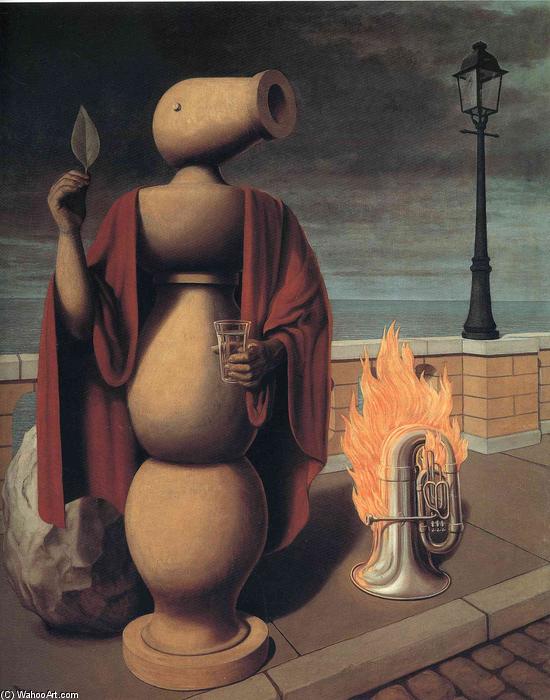
The Rights of Man


 Weiterlesen
Giclée / Kunstdruck
Giclée- oder Leinwanddruck in Museumsqualität mit schneller Produktion und flexiblen Veredelungsoptionen. ( Handgemalte Reproduktion bestellen Zum digitalen Bild wechseln)




P118B $10

P118H $10

P118W $10

P438Z $10

P508JH $12

P508YH $12

P805H $10

P805Z $10

P919BZ $10

P919G $10

P919XJ $10

P959ZH $10

P968JZ $12

W106C $8

W218G $10

W218JH $8

W218Y $10

W307PJ $10

W316G $10

W316PJ $8

W316Y $10

W398PJ $8

W4111J $10

W500HY $15

W500JH $15

W692G $12

W849H $8

W940BG $15

W953PJ $8




Wählen Sie aus unseren vordefinierten Formaten, die den ursprünglichen Proportionen des Kunstwerks entsprechen.

Sie können Ihre eigenen Maße eingeben, um ein bestimmtes Format oder einen speziellen Platz einzupassen. Wenn das von Ihnen gewählte Format nicht den Proportionen des Originalbildes entspricht, werden wir das Kunstwerk entweder beschneiden oder das Bild mit einem gespiegelten oder einfarbigen Rand erweitern. Ein digitaler Entwurf wird Ihnen zur Genehmigung zugesandt, bevor die Produktion beginnt.
Bitte beachten Sie, dass die Vorschau auf dem Bildschirm nicht den tatsächlichen Zuschnitt oder die Erweiterung widerspiegelt. Nur der Entwurf zeigt die endgültige Komposition präzise an.
Obwohl Sondermaße verfügbar sind, empfehlen wir die Auswahl eines Maßes aus der vordefinierten Liste, um die ursprünglichen Proportionen zu bewahren.
Weltweiter Versand () innerhalb von 2 Wochen statt der üblichen 4/5 Wochen. (10 September)

Kostenloser weltweiter Expressversand

Hochwertige Leinenleinwand

Umfassender Versicherungsschutz beim Versand

Zollgebühren-Rückerstattungsgarantie

Garantie für exakte Farbtreue

100-Tage-Rückgaberecht (nur bei Mängeln)

100% Geld-zurück-Garantie

Mengenrabatt verfügbar
 Die Glasoption ist nur für Größen unter 110 cm verfügbar.

The Rights of Man
Giclée / Kunstdruck
Format der Reproduktion
-


Gesamtpreis
$ 62
A Paradoxical Portrait: Unpacking the Enigmatic “Rights of Man”
René Magritte’s 1947 painting, "The Rights of Man," isn't a straightforward depiction of political advocacy. Instead, it presents a deliberately unsettling tableau—a clay statue holding a pipe in its mouth, positioned beside a fire hydrant against a backdrop of two simple cups. This seemingly mundane arrangement is, in fact, a masterful exercise in visual paradox and a profound meditation on representation, perception, and the elusive nature of reality – hallmarks of Magritte’s distinctive surrealist style. The work immediately challenges our assumptions about what we see, prompting us to question the relationship between image and object, symbol and meaning.
The choice of materials is crucial. The statue itself, rendered in a rough, almost primitive clay or ceramic texture, feels both ancient and vulnerable. Its stillness contrasts sharply with the implied activity of the pipe – an emblem of contemplation and perhaps even defiance. The fire hydrant, a commonplace urban fixture, introduces an element of jarring incongruity, disrupting any sense of serene order. The two cups, positioned in the background, could represent potential sustenance or simply serve as silent witnesses to this strange encounter. Magritte’s deliberate use of these ordinary objects elevates them into symbols, inviting viewers to project their own interpretations onto the scene.
The Shadow of Trauma and the Exploration of Hidden Realities
To understand "The Rights of Man," it's essential to consider René Magritte’s personal history. Born in Lessines, Belgium, in 1898, he experienced a deeply formative event at the age of thirteen: the suicide of his mother. The image of her body being recovered from the River Sambre, with her dress obscuring her face, became a recurring motif throughout his work – a veiled presence that hinted at loss, mystery, and the unseen aspects of human experience. This early trauma instilled within him a lifelong fascination with what remains hidden beneath the surface of things, a desire to expose the artificiality of our perceptions.
Magritte frequently employed this technique of obscuring figures or objects, creating a sense of unease and prompting viewers to actively engage in the process of interpretation. “The Rights of Man” can be seen as an extension of this strategy – a visual riddle designed to disrupt our comfortable assumptions about representation. The statue’s obscured face mirrors his mother's, subtly connecting the personal tragedy with broader themes of identity, memory, and the difficulty of truly knowing another person.
Surrealism, Symbolism, and the Questioning of Reality
Magritte was a key figure in the Surrealist movement, which sought to liberate art from the constraints of logic and reason. His work often juxtaposes unexpected elements – creating illogical scenarios that force us to confront the subjective nature of reality. “The Rights of Man” exemplifies this approach perfectly. It’s not about depicting a literal scene; it's about evoking an emotional response, prompting questions about how we perceive the world around us and what constitutes ‘truth.’
The painting’s composition is deliberately ambiguous. The lack of clear narrative or context encourages viewers to engage in active interpretation. Some scholars suggest that the statue represents a silent protest against injustice, while others see it as a commentary on the limitations of language and representation itself. Ultimately, Magritte offers no easy answers – he simply presents us with a provocative image that invites us to contemplate its deeper meaning.
A Legacy of Intrigue: Reproduction and Artistic Inspiration
René Magritte’s “The Rights of Man” continues to resonate with audiences today, influencing artists across various disciplines. Its enigmatic quality has inspired countless reproductions, offering a unique opportunity to bring this surrealist masterpiece into your home or studio. ArtsDot offers meticulously crafted hand-painted reproductions that faithfully capture the painting's intricate details and evocative atmosphere. Whether you’re an art enthusiast, collector, or simply seeking a captivating piece of décor, a reproduction of “The Rights of Man” is sure to spark conversation and add a touch of intellectual intrigue to your space.
Ähnliche Kunstwerke
Über den Künstler
frühes Leben und künstlerische Anfänge
René François Ghislain Magritte, ein renommierter belgischer Surrealist, wurde am 21. November 1898 in Lessines, Provinz Hainaut, Belgien, geboren. Sein frühes Leben ist bisweilen rätselhaft und wenig bekannt. Es ist jedoch dokumentiert, dass er 1910 Zeichenunterricht nahm.Künstlerische Entwicklung und Einflüsse
Magrittes künstlerischer Stil entwickelte sich im Laufe der Jahre erheblich weiter und wurde von verschiedenen Strömungen wie Impressionismus, Futurismus und Kubismus beeinflusst. Seine frühesten Gemälde, die aus etwa 1915 stammen, waren **im Stil des Impressionismus**. Von 1916 bis 1918 studierte er an der Académie Royale des Beaux-Arts in Brüssel unter Constant Montald.Surrealistische Periode und bemerkenswerte Werke
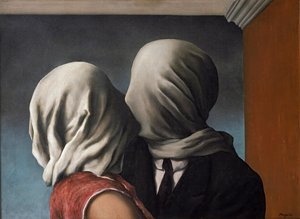
Im Jahr 1926 schuf Magritte seine erste surrealistische Malerei, "Der verlorene Jockey (Le jockey perdu)", das den Beginn seiner Verbindung mit der Surrealistenbewegung markierte. Seine Werke sind durch nachdenkliche Bilder gekennzeichnet, die oft alltägliche Gegenstände in ungewöhnlichen Kontexten darstellen und Betrachter dazu auffordern, ihre Wahrnehmung von Realität zu hinterfragen.- "Les Amants" (1927-1928), eine Reihe von Gemälden mit Personen, deren Gesichter durch Stoffe verhüllt sind, wird vermutet, von der Geschichte des Todes seiner Mutter inspiriert zu sein.
- "Die Liebenden", ein weiteres ikonisches Werk, zeigt ein Paar, das sich küsst, wobei ihre Gesichter von weißen Stoffen bedeckt sind, und lädt den Betrachter ein, über Liebe und Identität nachzudenken. (Verfügbar als handgefertigte Ölgemälde-Reproduktion oder Druck auf Leinwand unter ArtsDot.com)
Spätere Jahre und Vermächtnis
Magrittes Werke wurden in den Vereinigten Staaten 1936 und erneut in zwei retrospektiven Ausstellungen, eine im Museum of Modern Art im Jahr 1965 und die andere im Metropolitan Museum of Art im Jahr 1992, gezeigt. Er blieb dem politischen Linken verpflichtet, befürwortete aber die künstlerische Autonomie. Bekannte Museen, in denen Magrittes Werke ausgestellt sind:- Musées royaux des beaux-arts de Belgique, Brüssel, Belgien (Entdecken Sie die Meisterwerke der Musées royaux des beaux-aarts de belgique unter ArtsDot.com)
- Magritte Museum, Teil der Musées royaux des beaux-arts de Belgique, das die weltweit größte Sammlung von Magrittes Werken beherbergt.
Fazit
René Magrittes Vermächtnis als surrealistischer Meister hält an, wobei seine nachdenklichen Bilder weiterhin inspirieren und faszinieren. Seine Werke, die durch ihre einzigartige Mischung aus Gewöhnlichem und Unerwartetem gekennzeichnet sind, gelten als Eckpfeiler der Surrealistenkunst. Mehr über René Magritte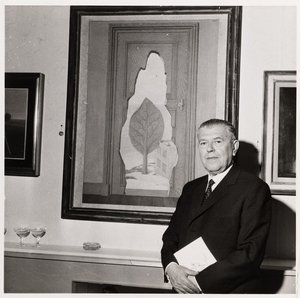
René Magritte
1898 - 1967 , Belgien
Kurzinfos
- Beeinflusste Künstler:
- Impressionismus
- Futurismus
- Kubismus
- Bemerkenswerte Werke:
- Der verlorene Jockey
- Les Amants
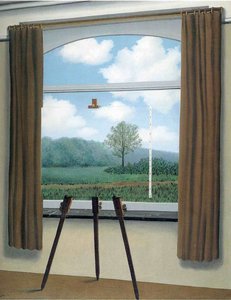
- Die menschliche Bedingung
- Zeit erstarrt
- Geburtsdatum: 21. November 1898
- Geburtsort: Lessines, Belgien
- Künstlerischer Stil: Surrealismus
- Nationalität: Belgisch
- Sterbedatum: 1967
- Vollständiger Name: René Magritte
Ähnliche Artikel
Max Ernsts Meisterwerke: Die Top 25 Kunstwerke für Ihr Zuhause | ArtsDot
Entdecken Sie die 25 bedeutendsten Kunstwerke von Max Ernst! Tauchen Sie ein in die Welt des Surrealismus, Dada und abstrakter Malerei. Hochwertige Kunstreproduktionen & Inspiration für Ihr Zuhause bei ArtsDot.com.
Surrealismus: Die 10 Meisterwerke, die eine Kunstbewegung prägten | ArtsDot
Entdecken Sie die 10 Meisterwerke des Surrealismus! Von Dalí bis Magritte – erfahren Sie die Geschichten hinter ikonischen Gemälde und lassen Sie sich von traumartigen Bildern inspirieren. Hochwertige Art Reproduktionen auf ArtsDot.com.
Pop Surrealism: A Collision of Culture, Dreams & the Subconscious in Post-War Art
Explore the captivating world of Pop Surrealism with ArtsDot. Discover key artists like George Condo & Robert Williams, investment potential, and the movement's cultural impact. Expert insights for collectors.
Dreamscapes & Disrupted Realities: Exploring Surrealism's Enduring Influence
Explore the fascinating world of Surrealism! Discover its origins, key artists like Dalí & Magritte, and enduring influence on art & culture. Expert insights & high-quality reproductions at ArtsDot.
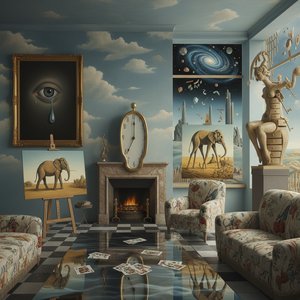
Surrealismus: Die 10 Meisterwerke, die eine Kunstbewegung prägten |
Entdecken Sie die 10 prägendsten Meisterwerke des Surrealismus! Von Dalí bis Magritte – erfahren Sie die Geschichten hinter ikonischen Gemälde und lassen Sie sich von traumhaften Welten inspirieren. Hochwertige Art Reproduktionen auf .