

 Vorschau anzeigen
 Versenden
 Teilen
 Details anzeigen

 Herunterladen
 Ähnliche Objekte
 Röntgenaufnahme
 Diashow
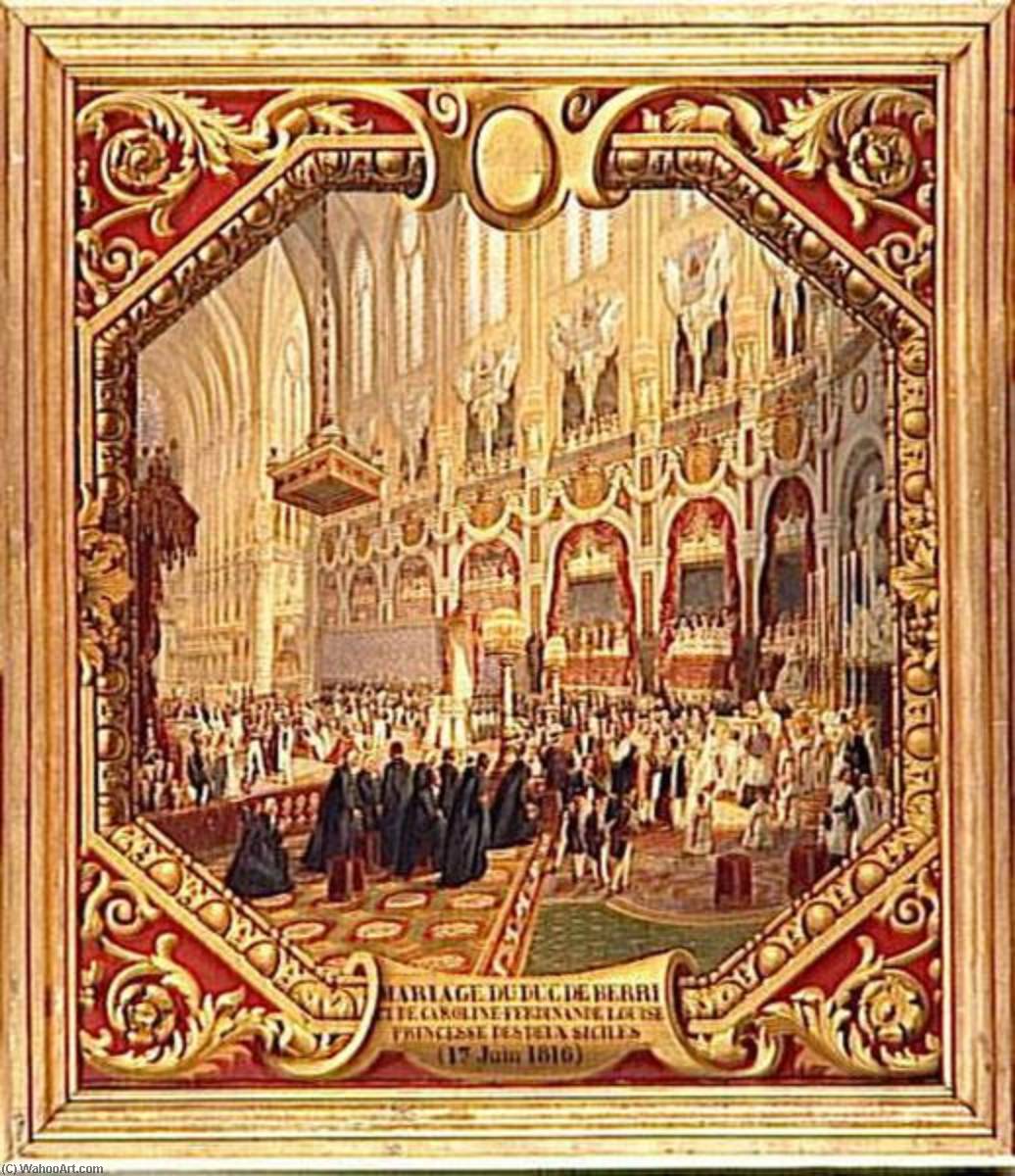
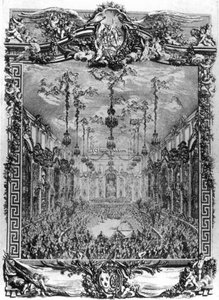
MARIAGE DU DUC DE BERRY ET DE CAROLINE, PRINCESSE DES DEUX SICILES.17 JUIN 1816

 Weiterlesen
Handgefertigte Ölreproduktion
Handgemaltes Ölgemälde auf Leinwand in Ihrer Wunschgröße und mit Rahmen, auf Bestellung von unseren Künstlern angefertigt. ( Druck bestellen Bild kaufen)




P118B $10

P118H $10

P118W $10

P438Z $10

P508JH $12

P508YH $12

P805H $10

P805Z $10

P919BZ $10

P919G $10

P919XJ $10

P959ZH $10

P968JZ $12

W106C $8

W218G $10

W218JH $8

W218Y $10

W307PJ $10

W316G $10

W316PJ $8

W316Y $10

W398PJ $8

W4111J $10

W500HY $15

W500JH $15

W692G $12

W849H $8

W940BG $15

W953PJ $8




Wählen Sie aus unseren vordefinierten Formaten, die den ursprünglichen Proportionen des Kunstwerks entsprechen.

Sie können Ihre eigenen Maße eingeben, um einen bestimmten Rahmen oder Platz auszufüllen. Wenn die gewählte Größe nicht den Proportionen des Originalbildes entspricht, werden wir das Kunstwerk entweder beschneiden oder das Gemälde durch zusätzliche, handgemalte Elemente erweitern. Ein digitales Mockup wird Ihnen zur Genehmigung zugesandt, bevor die Produktion beginnt.
Bitte beachten Sie, dass die Bildschirmvorschau nicht die tatsächliche Beschneidung oder Erweiterung widerspiegelt. Nur das Mockup zeigt die endgültige Komposition exakt an.
Obwohl Sondermaße verfügbar sind, empfehlen wir, eine Größe aus der vordefinierten Liste zu wählen, um die ursprünglichen Proportionen beizubehalten.
Nach der Bestellung wird das ArtsDot.com-Team dem Kunden Anweisungen per E-Mail zusenden und eine Mockup-Vorschau bereitstellen.
Weltweiter Versand () in nur 3 bis 4 Wochen statt der üblichen 5 Wochen. (29 August). Keine Kompromisse bei der Qualität.

Kostenloser weltweiter Expressversand

Hochwertige Leinenleinwand

Umfassender Versicherungsschutz beim Versand

Zollgebühren-Rückerstattungsgarantie

Garantie für exakte Farbtreue

60 Tage Rückgaberecht (nur bei Mängeln)

100% Geld-zurück-Garantie

Mengenrabatt verfügbar
 Die Glasoption ist nur für Größen unter 110 cm verfügbar.

MARIAGE DU DUC DE BERRY ET DE CAROLINE, PRINCESSE DES DEUX SICILES.17 JUIN 1816
Art der Reproduktion
Format der Reproduktion
-


Gesamtpreis
$ 738
Ähnliche Kunstwerke
Über den Künstler
The Romantic Vision of Charles-Caïus Renoux
In the heart of nineteenth-century Paris, a period defined by both revolutionary upheaval and a profound longing for the past, Charles-Caïus Renoux emerged as a master of historical memory. Born in 1795, Renoux did not merely paint scenes; he resurrected eras. His artistic journey was deeply intertwined with the Romantic movement, a period that sought to find beauty in the melancholic decay of antiquity and the dramatic tension of human history. While much of his early life remains shrouded in the quiet shadows of history, his training at the prestigious École Royale Supimeure des Beaux-Arts provided him with the technical foundation necessary to translate grand historical narratives onto canvas with both precision and passion.
Renoux’s early career was marked by a poignant fascination with the architectural remnants of France. He found profound inspiration in the ruins of cloisters and monasteries—structures that had been ravaged during the French Revolution. Through his brush, these broken stones and hollowed arches were imbued with a spiritual weight, capturing the Troubadour style that would become his hallmark. His ability to render the solemn beauty of ruined churches allowed him to tap into a collective national nostalgia, making him a vital voice in an era obsessed with reclaiming its medieval heritage.
Mastery of Light and the Diorama
The technical brilliance of Renoux lay in his sophisticated use of atmospheric lighting and a muted, evocative palette. He possessed a rare ability to manipulate light to suggest the passage of time or the weight of a historical moment. This mastery was not limited to traditional oil painting; Renoux was also a skilled lithographer and illustrator, talents that allowed him to explore different textures and scales of storytelling. His work often balanced meticulous architectural detail with an emotional intensity that prioritized the "feeling" of a scene over mere photographic realism.
As his career progressed, Renoux pushed the boundaries of visual storytelling by venturing into the creation of spectacular dioramas. These large-scale, immersive works were essentially the "moving pictures" of his age, offering audiences a theatrical experience that blended painting with light and shadow to create an illusion of depth and motion. This transition from static canvas to dynamic spectacle demonstrated his evolution from a painter of ruins to a creator of entire worlds. His work in this medium was uniquely prepared by his earlier experiences painting large-scale battle scenes and landscapes, which taught him the complexities of compositional grandeur.
Legacy and Artistic Influence
The influence of Renoux can be traced through the lineage of French Romanticism, drawing strength from the expressive brushwork of Eugène Delacroix and the naturalistic sensibilities of Théodore Rousseau. He was a bridge between the classical traditions of the past and the burgeoning theatricality of the nineteenth century. His role as an educator at the École des Beaux-Arts further cemented his legacy, as he passed his technical expertise to notable students such as Narcisse Berable and Hector Hanoteau.
Renoux’s contributions to art can be summarized through several key pillars of his career:
- Historical Preservation: His paintings served as visual chronicles of medieval architecture, preserving the memory of structures lost to revolution.
- The Troubadour Aesthetic: He perfected a style that blended historical accuracy with romanticized, emotional narratives.
- Innovation in Media: Through his dioramas, he pioneered immersive, multi-sensory art forms that predated modern cinematic techniques.
- Educational Impact: As a professor, he helped shape the next generation of French painters, ensuring the continuity of classical and romantic techniques.
Though his life was relatively short, ending in 1846, Charles-Caïus Renoux left behind a body of work that continues to haunt and inspire. His ability to find life within ruins and drama within the stillness of a cloister ensures that his name remains etched in the annals of French art history, reminding us that even in decay, there is an enduring, magnificent beauty.
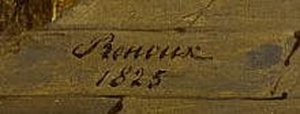
renoux charles caius
1795 - 1846
Kurzinfos
- Artistic Movement Or Style: Romantic Troubadour Style
- Artists Who Influenced This Artist:
- Eugène Delacroix
- Caspar David Friedrich
- Date Of Birth: 1795
- Date Of Death: 1846
- Full Name: Charles Caius Renoux
- Nationality: French
- Notable Artworks:
- Siege de Luxembourg
- Mariage du Duc de Berry et de Caroline
- Traité conclu entre les Croises et les Venitiens dans l’Église de Saint Marc
- Place Of Birth: Paris, France
Ähnliche Artikel
Romantic Realism's Finest: 10 Masterpieces for Your Home | ArtsDot
Explore 10 defining masterpieces of Romantic Realism! Discover Courbet, Millet & Daumier's powerful paintings—capturing emotion and social realities. Find museum-quality reproductions for your home at ArtsDot.com.

Romantische Landschaften: Die 10 Meisterwerke, die eine Epoche prägten | ArtsDot
Entdecken Sie die 10 Meisterwerke der Romantischen Landschaftsmalerei! Von Caspar David Friedrich bis Turner – erleben Sie die Kunst, Emotion & Natur. Hochwertige Reproduktionen auf ArtsDot.com

Charles Marion Russell: Der Romantische Chronist des Wilden Westens – Leben, Werk und Vermächtnis eines Cowboy-Künstlers
Entdecken Sie das Leben und Werk von Charles Marion Russell, dem berühmtesten Cowboy-Künstler des amerikanischen Westens. Erfahren Sie mehr über seine ikonischen Gemälde, sein Vermächtnis und wo Sie seine Kunst bewundern können.
Charles Robert Leslie: Romantische Ideale und akademische Tradition im Spiegel bürgerlicher Erzählkunst
Entdecken Sie das Werk von Charles Robert Leslie – ein Meister der Romantik, der literarische Stoffe in beeindruckenden Genrebildern vereinte. Erfahren Sie mehr über seinen akademischen Hintergrund und seinen Einfluss auf die Kunst des 19. Jahrhunderts.
Romantische Meisterwerke: Die Top 10 Kunstwerke für Ihr Zuhause |
Entdecken Sie die Top 10 romantischsten Kunstwerke! Von Caspar David Friedrich bis Klimt – erleben Sie Liebe, Leidenschaft & Sehnsucht in Meisterwerken. Hochwertige Reproduktionen auf

