

 Vorschau anzeigen
 Versenden
 Teilen
 Details anzeigen

 Herunterladen
 Ähnliche Objekte
 Röntgenaufnahme
 Diashow
 Stats
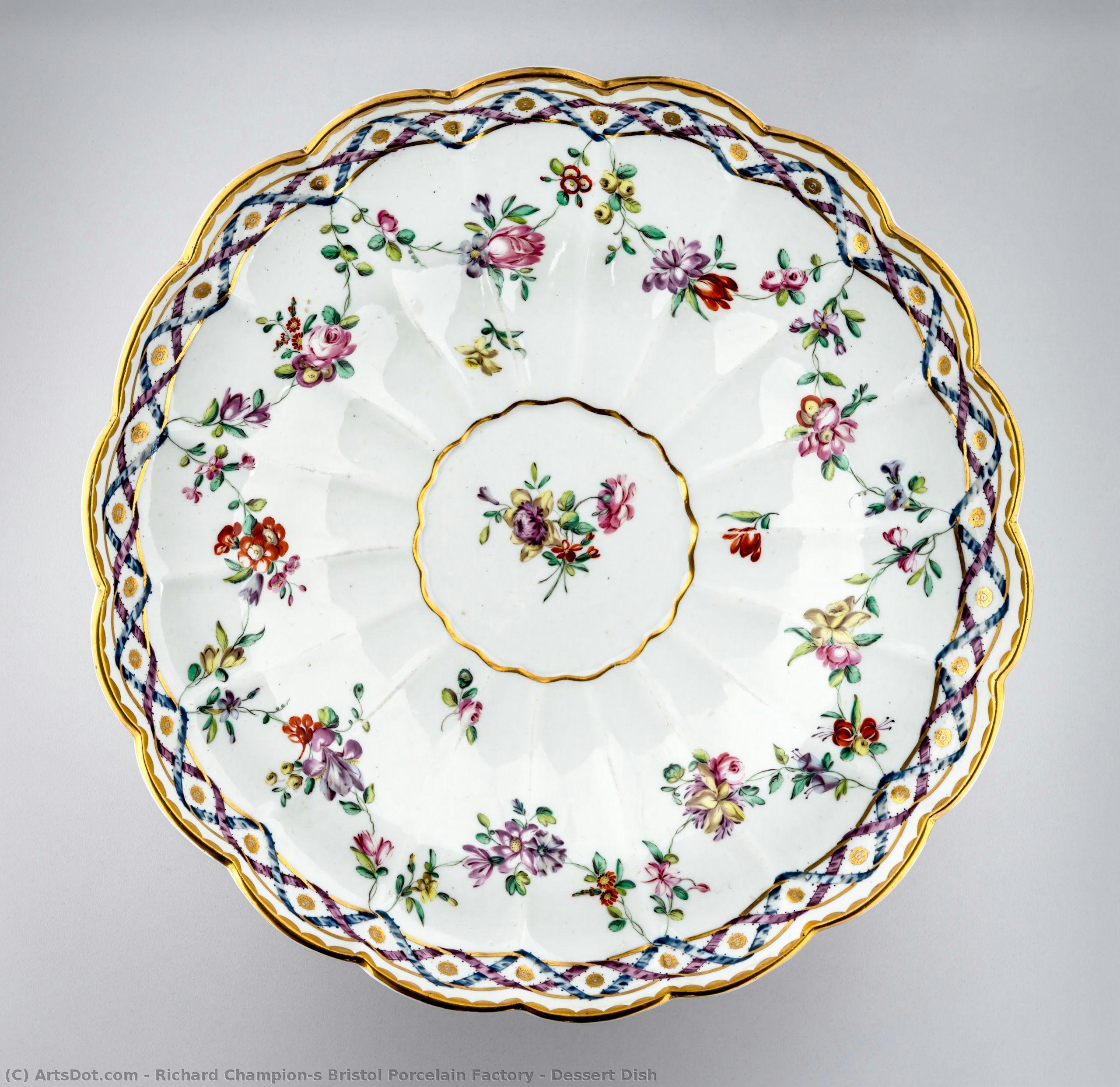
StatsDessert Dish


 Weiterlesen
Erwerben Sie ein hochauflösendes, optimiertes digitales Bild, das der Online-Vorschau weit überlegen ist.
Jede Datei wird von unseren hauseigenen Spezialisten mit modernsten Werkzeugen und fachmännischer manueller Retusche sorgfältig vorbereitet. Wir stellen sicher, dass jedes Bild eine außergewöhnliche Klarheit, präzise Farbgenauigkeit und feinste Details aufweist.
Die endgültige Datei wird innerhalb von 72 Stunden per E-Mail zugestellt und ist für den sofortigen Einsatz in professionellen, redaktionellen und Druckumgebungen optimiert. Es handelt sich um dieselbe Qualität, der führende Designstudios, Verlage und Galerien vertrauen.
Digitales Bild
Laden Sie eine hochauflösende Datei für die persönliche Präsentation, den Druck und kreative Projekte herunter. ( Switch to Print Handgemalte Reproduktion bestellen)
In jeder Bestellung digitaler Bilder enthalten
Professionelle digitale Bereitstellung, garantiert
Wenn Sie sich für ArtsDot.com entscheiden, erhalten Sie nicht nur ein Bild – Sie erhalten ein professionell aufbereitetes digitales Kunstwerk, das mit höchster Präzision erstellt und durch eine Zufriedenheitsgarantie abgesichert wird. Hier ist alles, was automatisch mit Ihrer Bestellung geliefert wird:

Schnelle E-Mail-Zustellung
Ihre hochauflösende digitale Bilddatei wird Ihnen innerhalb von 72 Stunden nach der Bestellung per E-Mail zugestellt – bereit zur sofortigen Verwendung.

KI-optimierte digitale Datei
Ihre Kunstwerke werden professionell mithilfe fortschrittlicher KI-Tools und manueller Bearbeitung optimiert, um maximale Detailtreue, Klarheit und Farbgenauigkeit zu gewährleisten.

Lebenslanger kostenloser Neudruckservice
Datei versehentlich gelöscht oder verloren? Keine Sorge – wir senden sie Ihnen jederzeit kostenlos erneut zu.

Keine Einfuhrgebühren – jemals
Genießen Sie Ihr Kunstwerk sofort ohne Zollgebühren, Einfuhrabgaben oder Versandkosten – digitale Downloads sind immer steuerfrei.

Garantierte Farbtreue
Wir garantieren, dass Ihr digitales Bild mithilfe professioneller Werkzeuge und Farbmanagement die Originalfarben so präzise wie möglich wiedergibt.

100-Tage-Zufriedenheitsgarantie
Wenn Sie mit Ihrem digitalen Bild nicht zufrieden sind, werden wir es überarbeiten oder 100% innerhalb von 100 Tagen erstatten – ohne Wenn und Aber.

100% Geld-zurück-Garantie
Nicht zufrieden? Erhalten Sie innerhalb von 100 Tagen nach Erhalt Ihrer digitalen Datei eine vollständige Rückerstattung – ohne Wenn und Aber.

Rabatte bei Großbestellungen
3 Bilder kaufen, 10% sparen – 5 Bilder kaufen, 15% sparen – Ab 10 Bildern 20% sparen. Ideal für kreative Projekte, Galerien und Agenturen.
Ähnliche Kunstwerke
Biografie des Künstlers
The Pioneering Spirit of Richard Champion’s Bristol Porcelain Factory
Richard Champion, a name often overshadowed by the delicate beauty of the porcelain he produced, stands as a pivotal figure in the history of English ceramics. His establishment of the Bristol Porcelain Factory in 1770 wasn't merely a commercial venture; it was an ambitious attempt to rival the established dominance of Meissen and Sèvres, bringing sophisticated hard-paste porcelain production to British shores. Champion’s story is one of entrepreneurial zeal, scientific curiosity, and artistic innovation – a fascinating blend that shaped the course of English decorative arts in the late 18th century. Born into a family with strong ties to trade and industry, Champion initially made his fortune as a copper merchant, involved in the transatlantic slave trade, a deeply troubling aspect of his biography that cannot be ignored when assessing his legacy. However, it was his fascination with the secrets of porcelain manufacture – a closely guarded knowledge held by the Chinese for centuries – that ultimately drove him to invest heavily in establishing his own factory on New Temple Street, Bristol. He wasn’t a potter himself, but rather a shrewd businessman who assembled a team of skilled artisans and chemists dedicated to unlocking the formula for true hard-paste porcelain.Early Experiments and the Pursuit of Perfection
The early years of the Bristol Porcelain Factory were marked by intense experimentation. Champion understood that simply replicating existing designs wouldn’t suffice; he aimed to create a porcelain that was not only equal in quality but also uniquely British in its aesthetic. This pursuit led him to employ notable figures like William Cooksey, who would later establish his own successful factory, and chemists dedicated to analyzing the raw materials necessary for achieving translucency, strength, and whiteness – qualities prized in European porcelain. The challenges were immense. Unlike soft-paste porcelains which had been produced in England previously, hard-paste required specific kaolin clay sourced from Cornwall, a material that proved difficult to refine consistently. Champion’s factory initially struggled with consistency, producing pieces that varied in quality. However, through relentless research and refinement of their techniques, they gradually overcame these hurdles. By the late 1770s, Bristol Porcelain had begun to emerge as a serious competitor, celebrated for its delicate forms, vibrant colors, and innovative decoration. The factory’s early successes were built on imitating popular Continental styles – particularly those of Sèvres and Meissen – but Champion encouraged his artists to develop their own distinctive motifs, incorporating English flora and fauna into their designs.Distinctive Styles and Artistic Innovations
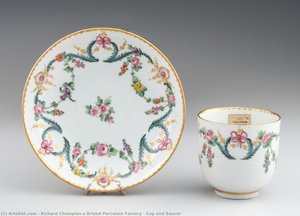
Bristol Porcelain quickly distinguished itself through several key characteristics. The factory became renowned for its exquisite gilding, often applied with a lightness and precision that rivaled the best French work. Their use of color was also particularly noteworthy; they developed a unique palette of rich blues, greens, pinks, and purples, achieved through careful experimentation with enamel pigments. Perhaps most significantly, Bristol Porcelain pioneered a style of decoration known as “scale blue,” characterized by finely painted scenes depicting idyllic landscapes and classical figures against a background of shimmering cobalt blue scales. This technique became synonymous with the factory’s output and remains highly sought after by collectors today. The factory also excelled in producing elaborate shapes – teapots, vases, and dessert services – often adorned with intricate molded details and gilded handles. While initially focused on replicating existing forms, Bristol Porcelain artists gradually embraced a more Rococo aesthetic, incorporating flowing lines, asymmetrical designs, and playful motifs into their work. The factory’s commitment to innovation extended beyond decoration; they also experimented with new firing techniques and glaze compositions, constantly striving to improve the quality and durability of their porcelain.Decline and Legacy
Despite its early successes, the Bristol Porcelain Factory faced increasing competition from other English factories – particularly Wedgwood, whose jasperware offered a different but equally popular aesthetic. The economic climate of the late 18th century also proved challenging, with rising raw material costs and fluctuating demand for luxury goods. Richard Champion’s involvement in the slave trade continued to be a source of controversy, impacting his reputation and potentially hindering access to certain markets. By the early 19th century, the factory had fallen into decline, eventually closing its doors in 1813. However, the legacy of Bristol Porcelain endures. The pieces produced during its relatively short lifespan represent a high point in English ceramic art, showcasing exceptional craftsmanship, artistic innovation, and technical skill. Today, Bristol Porcelain is highly prized by collectors worldwide, admired for its delicate beauty, vibrant colors, and distinctive style. The factory’s contribution to the development of English porcelain – particularly its pioneering work with hard-paste formulas and scale blue decoration – remains a testament to Richard Champion’s vision and the dedication of the artisans who worked under his patronage.Historical Significance
The Bristol Porcelain Factory occupies a unique position in the history of English ceramics. It was the first factory in England to consistently produce true hard-paste porcelain, breaking the Continental monopoly on this prestigious material. This achievement not only stimulated competition within the industry but also fostered a new sense of national pride in British craftsmanship. The factory’s innovative decoration techniques – particularly scale blue – became highly influential, inspiring artists and manufacturers across Europe.- Bristol Porcelain played a crucial role in establishing England as a major center for porcelain production.
- The factory’s commitment to experimentation and innovation pushed the boundaries of ceramic art.
- Its distinctive style – characterized by delicate forms, vibrant colors, and intricate gilding – remains highly admired today.
- Despite its relatively short lifespan, Bristol Porcelain left an indelible mark on the history of English decorative arts.
Kurzinfos
- Artistic Movement Or Style: Bristol Porcelain
- Date Of Death: Living
- Full Name: Richard Champion's Bristol Porcelain Factory