 Vorschau anzeigen
 Versenden
 Teilen
 Details anzeigen

 Herunterladen
 Ähnliche Objekte
 Röntgenaufnahme
 Diashow
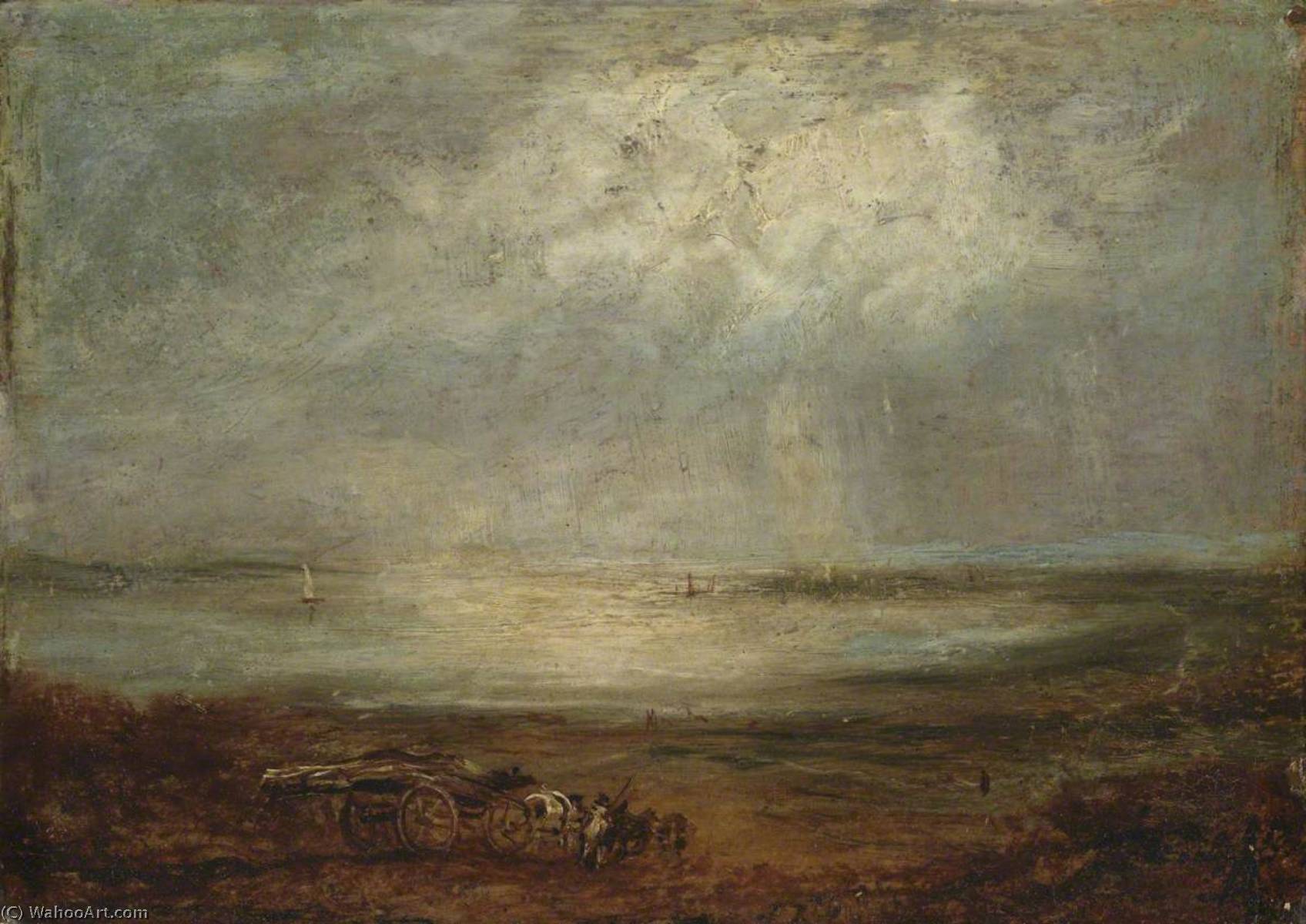
Beach Scene with Cart and Horse
 Acrylic On Canvas
- WallArt
- Romantic Landscape
 1825
1825 19.0 x 27.0 cm
 Courtauld-Galerie
 Weiterlesen
Giclée / Kunstdruck
Giclée- oder Leinwanddruck in Museumsqualität mit schneller Produktion und flexiblen Veredelungsoptionen. ( Handgemalte Reproduktion bestellen Bild kaufen)




P118B $10

P118H $10

P118W $10

P438Z $10

P508JH $12

P508YH $12

P805H $10

P805Z $10

P919BZ $10

P919G $10

P919XJ $10

P959ZH $10

P968JZ $12

W106C $8

W218G $10

W218JH $8

W218Y $10

W307PJ $10

W316G $10

W316PJ $8

W316Y $10

W398PJ $8

W4111J $10

W500HY $15

W500JH $15

W692G $12

W849H $8

W940BG $15

W953PJ $8




Wählen Sie aus unseren vordefinierten Formaten, die den ursprünglichen Proportionen des Kunstwerks entsprechen.

Sie können Ihre eigenen Maße eingeben, um ein bestimmtes Format oder einen speziellen Platz einzupassen. Wenn das von Ihnen gewählte Format nicht den Proportionen des Originalbildes entspricht, werden wir das Kunstwerk entweder beschneiden oder das Bild mit einem gespiegelten oder einfarbigen Rand erweitern. Ein digitaler Entwurf wird Ihnen zur Genehmigung zugesandt, bevor die Produktion beginnt.
Bitte beachten Sie, dass die Vorschau auf dem Bildschirm nicht den tatsächlichen Zuschnitt oder die Erweiterung widerspiegelt. Nur der Entwurf zeigt die endgültige Komposition präzise an.
Obwohl Sondermaße verfügbar sind, empfehlen wir die Auswahl eines Maßes aus der vordefinierten Liste, um die ursprünglichen Proportionen zu bewahren.
Weltweiter Versand () innerhalb von 2 Wochen statt der üblichen 4/5 Wochen. (27 August)

Kostenloser weltweiter Expressversand

Hochwertige Leinenleinwand

Umfassender Versicherungsschutz beim Versand

Zollgebühren-Rückerstattungsgarantie

Garantie für exakte Farbtreue

60 Tage Rückgaberecht (nur bei Mängeln)

100% Geld-zurück-Garantie

Mengenrabatt verfügbar
 Die Glasoption ist nur für Größen unter 110 cm verfügbar.

Beach Scene with Cart and Horse
Giclée / Kunstdruck
Format der Reproduktion
-


Gesamtpreis
$ 62
Sammlerstück-Beschreibung
A Moment on the Shoreline: Richard Parkes Bonington’s “Beach Scene with Cart and Horse”
Richard Parkes Bonington's "Beach Scene with Cart and Horse," painted in 1825, isn’t merely a depiction of a coastal vista; it’s a carefully constructed tableau brimming with Romantic sensibility and an exquisite understanding of light. This work, currently housed at The Courtauld Gallery in London, offers a glimpse into the burgeoning artistic landscape of early 19th-century England – a period where the influence of both French Neoclassicism and the nascent Romantic movement were powerfully intertwined.
The scene itself is deceptively simple. A weathered horse-drawn cart, laden with an unseen cargo, trundles along a sandy beach towards the viewer. A solitary figure, likely the driver, stands poised near the cart’s rear, while another individual, further back and partially obscured by the receding shoreline, appears to be observing the scene. The sky above is a dramatic wash of bruised blues and greys, hinting at an impending storm – a common motif in Bonington's work, often used to heighten the emotional intensity of his landscapes. The composition isn’t aggressively dynamic; instead, it exudes a quiet sense of observation, inviting the viewer to become a silent participant in this fleeting moment.
Technique and Artistic Vision
Bonington was a master of watercolor technique, but he pushed its boundaries beyond traditional methods. He skillfully combined watercolor with gouache and gum arabic, creating a surface that possessed both the luminosity of watercolor and the depth and richness of oil paint. This hybrid approach allowed him to achieve remarkable tonal variations – from the delicate washes of the sky to the textured sand beneath the horses’ hooves. Notice particularly how he renders the reflections on the wet sand; these aren't simply mirrored images, but rather subtly altered versions, imbued with a sense of movement and fluidity.
His brushwork is remarkably loose and expressive, prioritizing atmosphere and feeling over precise detail. The figures are rendered with minimal attention to individual features, serving primarily as anchors for the composition and conduits for the overall mood. Bonington’s approach was revolutionary for his time – he moved away from the meticulous realism favored by many of his contemporaries, embracing a more subjective and emotionally driven style.
Historical Context and Romantic Ideals
Bonington's work emerged during a period of significant social and artistic change. The Romantic movement, with its emphasis on emotion, individualism, and the sublime beauty of nature, was gaining momentum across Europe. Bonington’s paintings reflect these ideals, capturing not just the physical appearance of the landscape but also the emotional resonance it evokes. The beach itself – a liminal space between land and sea – is a potent symbol in Romantic art, representing both tranquility and potential danger, familiarity and the unknown.
Furthermore, Bonington’s career was tragically cut short by tuberculosis at the age of 25. This untimely death contributed to his posthumous reputation as a brilliant but largely unrecognized artist. His brief but intense artistic output is all the more remarkable considering this circumstance – he managed to create works that continue to captivate and inspire.
Symbolism and Emotional Resonance
Beyond its technical brilliance, “Beach Scene with Cart and Horse” resonates deeply on an emotional level. The solitary figures suggest themes of isolation, journey, and the transient nature of human experience. The approaching storm foreshadows uncertainty and potential upheaval, while the quiet scene itself offers a moment of respite from the anxieties of daily life. The horse and cart, symbols of labor and movement, underscore the connection between humanity and the natural world.
This painting is more than just a landscape; it’s a meditation on beauty, solitude, and the enduring power of nature – a testament to Richard Parkes Bonington's unique artistic vision and his ability to capture the fleeting magic of a single moment in time. It remains a poignant reminder of an artist whose brilliance was tragically curtailed, yet whose legacy continues to shine brightly through his evocative works.
Ähnliche Kunstwerke
Über den Künstler
Frühes Leben und Ausbildung
Richard Parkes Bonington, eine bedeutende Figur der britischen Romantik, wurde am 25. Oktober 1802 in Arnold, Nottinghamshire, Großbritannien, geboren. Sein Vater, ebenfalls Richard genannt, war ein vielseitiger Mensch, der als Gefängnisverwalter, Zeichenlehrer und Spitzenmacher arbeitete. Dieser vielfältige Hintergrund beeinflusste wahrscheinlich Boningtons frühe künstlerische Neigungen. https://ArtsDot.com/@/richardparkesbonington, die Online-Plattform für Kunstliebhaber, bietet eine umfangreiche Sammlung von Boningtons Werken, die seine Meisterschaft in Landschaften und historischen Szenen zeigt.Künstlerische Entwicklung und Einflüsse
Boningtons künstlerischer Weg begann mit der Aquarellmalerei, die ihm sein Vater beibrachte. Bereits im Alter von elf Jahren stellte er auf der Liverpool Academy aus. 1817 zog seine Familie nach Calais, Frankreich, wo er bei François Louis Thomas Francia Unterricht erhielt, der ihn in die englische Aquarelltechnik einführte.- Francias Einfluss ist in Boningtons frühen Werken sichtbar, die durch eine Mischung aus englischen und französischen Stilen gekennzeichnet sind.
- Seine Begegnung mit Eugène Delacroix https://ArtsDot.com/@/eugenedelacroix, einem französischen Romantikmaler, prägte seinen künstlerischen Ansatz weiter.
- Boningtons Zeit an der École des Beaux-Arts in Paris unter Antoine-Jean, Baron Gros, festigte seine Fähigkeiten.
Bemerkenswerte Werke und Leistungen
Wichtige Gemälde:- Rouen, Normandie, um 1823 (verfügbar auf /de/art/show/art-8xyhdc-de/
- Blick auf die Lagune in der Nähe von Venedig, 1827 (Louvre)
- Karl V. besucht Franz I. nach der Schlacht von Pavia, um 1827
- Goldmedaille beim Pariser Salon im Jahr 1824, zusammen mit John Constable und Anthony Vandyke Copley Fielding.
- Delacroix' Tribut an Boningtons Werk in einem Brief an Théophile Thoré im Jahr 1861, der seine Leichtigkeit des Stils hervorhob.
Vermächtnis und Erinnerung
Boningtons Leben wurde durch Tuberkulose verkürzt, die ihn am 23. September 1828 im Alter von 25 Jahren forderte. Trotz seiner kurzen Karriere hinterließ er einen bleibenden Eindruck auf den britischen Romanticismus.- Eine Statue in der Nottingham School of Art, errichtet von Watson Fothergill.
- Ein Theater und eine Grundschule in seinem Heimatort Arnold, die nach ihm benannt sind.
- Die Wallace Collection beherbergt eine bedeutende Gruppe von 35 Werken, die sowohl seine Landschafts- als auch seine Historiengemälde zeigen.
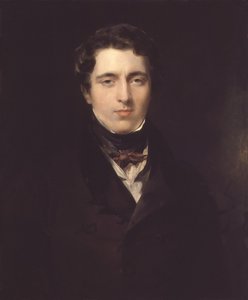
Richard Parkes Bonington
1802 - 1828 , Vereinigtes Königreich
Kurzinfos
- Beeinflusste Künstler: ['Eugène Delacroix']
- Bemerkenswerte Werke:
- Rouen, Normandie
- Blick auf die Lagune bei Venedig
- Karl V. besucht Franz I.
- Geburtsdatum: 25. Oktober 1802
- Geburtsort: Arnold, Vereinigtes Königreich
- Künstlerische Bewegung: Britischer Romantik
- Nationalität: Britisch
- Todatum: 23. September 1828
- Vollständiger Name: Richard Parkes Bonington
- Von Künstlern Beeinflusst:
- François Louis Thomas Francia
- Thomas Girtin
Ähnliche Artikel

Die 10 legendärsten Aquarellwerke der Kunstgeschichte – Meisterwerke für Ihr Zuhause
Entdecken Sie die 10 legendärsten Aquarellwerke der Kunstgeschichte! Von Turner bis Monet – erleben Sie die Geschichten, Techniken & Farben dieser Meisterwerke. Finden Sie hochwertige Kunstdrucke auf ArtsDot.com und gestalten Sie Ihr Zuhause mit zeitloser Eleganz.

Ephemeral Visions: Exploring the Artistic Legacy & Contemporary Practice of Watercolor Painting
Explore the captivating world of watercolor painting! Discover its rich history, essential techniques, influential artists & collecting tips. A comprehensive guide for art enthusiasts from ArtsDot.

Flüchtige Visionen: Die Geschichte und emotionale Resonanz der Aquarellmalerei
Entdecken Sie die faszinierende Welt der Aquarellmalerei! Von historischen Ursprüngen bis zu modernen Techniken – wir bieten Expertenwissen, Inspiration und Tipps für Anfänger & Fortgeschrittene.

John Constable: Die 25 Meisterwerke des englischen Landschaftsgenies – ArtsDot
Entdecken Sie die 25 Meisterwerke von John Constable! Erleben Sie englische Landschaftsmalerei vom Hay Wain bis zur Stour Valley. Hochwertige Reproduktionen & Kunst für Ihr Zuhause auf ArtsDot.com.

Ephemeral Visions: Exploring the Artistic Legacy & Nuances of Watercolor Painting
Explore the captivating world of watercolor painting! Discover its rich history, essential techniques, influential artists & collecting tips from art experts. A comprehensive guide for enthusiasts.