Vorschau anzeigen
 Versenden
 Teilen
 Details anzeigen

 Herunterladen
 Ähnliche Objekte
 Röntgenaufnahme
 Diashow
Henri IV and the Spanish Ambassador
 Acrylic On Canvas
- WallArt
- Romantic Landscape
 1827
1827 38.0 x 52.0 cm
 Die Wallace Collection
 Weiterlesen
Handgefertigte Ölreproduktion
Handgemaltes Ölgemälde auf Leinwand in Ihrer Wunschgröße und mit Rahmen, auf Bestellung von unseren Künstlern angefertigt. ( Druck bestellen Bild kaufen)




P118B $10

P118H $10

P118W $10

P438Z $10

P508JH $12

P508YH $12

P805H $10

P805Z $10

P919BZ $10

P919G $10

P919XJ $10

P959ZH $10

P968JZ $12

W106C $8

W218G $10

W218JH $8

W218Y $10

W307PJ $10

W316G $10

W316PJ $8

W316Y $10

W398PJ $8

W4111J $10

W500HY $15

W500JH $15

W692G $12

W849H $8

W940BG $15

W953PJ $8




Wählen Sie aus unseren vordefinierten Formaten, die den ursprünglichen Proportionen des Kunstwerks entsprechen.

Sie können Ihre eigenen Maße eingeben, um einen bestimmten Rahmen oder Platz auszufüllen. Wenn die gewählte Größe nicht den Proportionen des Originalbildes entspricht, werden wir das Kunstwerk entweder beschneiden oder das Gemälde durch zusätzliche, handgemalte Elemente erweitern. Ein digitales Mockup wird Ihnen zur Genehmigung zugesandt, bevor die Produktion beginnt.
Bitte beachten Sie, dass die Bildschirmvorschau nicht die tatsächliche Beschneidung oder Erweiterung widerspiegelt. Nur das Mockup zeigt die endgültige Komposition exakt an.
Obwohl Sondermaße verfügbar sind, empfehlen wir, eine Größe aus der vordefinierten Liste zu wählen, um die ursprünglichen Proportionen beizubehalten.
Nach der Bestellung wird das ArtsDot.com-Team dem Kunden Anweisungen per E-Mail zusenden und eine Mockup-Vorschau bereitstellen.
Weltweiter Versand () in nur 3 bis 4 Wochen statt der üblichen 5 Wochen. (27 August). Keine Kompromisse bei der Qualität.

Kostenloser weltweiter Expressversand

Hochwertige Leinenleinwand

Umfassender Versicherungsschutz beim Versand

Zollgebühren-Rückerstattungsgarantie

Garantie für exakte Farbtreue

60 Tage Rückgaberecht (nur bei Mängeln)

100% Geld-zurück-Garantie

Mengenrabatt verfügbar
 Die Glasoption ist nur für Größen unter 110 cm verfügbar.

Henri IV and the Spanish Ambassador
Art der Reproduktion
Format der Reproduktion
-


Gesamtpreis
$ 263
Beschreibung des Kunstwerks
The Scene Unfolds: A Portrait of Courtly Grace
Richard Parkes Bonington’s “Henri IV and the Spanish Ambassador,” painted in 1827, isn't merely a portrait; it’s a carefully constructed tableau vivant – a snapshot of an opulent moment within the bustling court of Louis XIV. The painting captures a scene of diplomatic exchange, a meeting between the King of France and a Spanish envoy, set against the backdrop of a richly appointed interior. The composition is remarkably balanced, drawing the eye across the room with a subtle yet powerful orchestration of figures and details. Bonington masterfully employs light to define form and create a sense of depth, bathing the subjects in a warm, diffused glow that suggests both intimacy and formality.
- The Figures: Henri IV, depicted as a man of considerable presence despite his age, sits regally on a chair, radiating authority. His posture is relaxed yet dignified, conveying an air of shrewdness and experience. Opposite him stands the Spanish Ambassador, a figure of restrained elegance, engaged in conversation with the King.
- The Setting: The room itself is a testament to royal extravagance – tapestries adorn the walls, a vase overflows with flowers, and a table displays various objects indicative of wealth and status. Notice the carefully rendered details: the intricate patterns on the fabrics, the gleam of polished surfaces, and the subtle play of light on the furniture.
- The Dog & Cat: The inclusion of a dog and cat adds an unexpected layer of domesticity to this formal scene, softening the atmosphere and hinting at the human connection beneath the layers of diplomacy.
A Romantic Palette and Delicate Technique
Bonington’s artistic approach is distinctly Romantic, characterized by a focus on capturing fleeting moments of beauty and emotion. He eschewed the rigid conventions of academic painting in favor of a looser, more expressive style. His brushwork is remarkably delicate, almost translucent in places, creating an ethereal quality that imbues the scene with a sense of atmosphere. He skillfully blended watercolor with gouache and gum arabic to achieve a luminous effect reminiscent of oil paint – a technique that allowed him to capture the subtle nuances of light and color with exceptional precision.
Color & Light: Bonington’s use of color is particularly noteworthy. He employs a restrained palette, dominated by warm earth tones—ochres, browns, and reds—that are subtly accented by touches of gold and blue. The lighting is soft and diffused, creating a sense of intimacy and highlighting the textures of the fabrics and objects within the room. The artist’s ability to render light with such subtlety is one of the hallmarks of his style.Historical Context: A King at the Crossroads
“Henri IV and the Spanish Ambassador” was painted during a pivotal period in French history – the reign of Louis XIV, often referred to as the “Sun King.” Henry IV’s legacy was one of religious tolerance and political stability, achieved through pragmatic compromises. The painting reflects this era of relative peace and prosperity, but also hints at the underlying tensions that would soon erupt into the more turbulent years of Louis XIV's reign. The meeting depicted here represents a crucial moment in diplomatic relations between France and Spain, underscoring the importance of maintaining alliances and navigating complex political landscapes.
Richard Parkes Bonington (1802-1828): A tragically short-lived artist, Bonington’s career was cut short by tuberculosis. Despite his brief time in the art world, he left behind a remarkable body of work that is celebrated for its exquisite beauty and technical mastery. His ability to capture light, atmosphere, and emotion has earned him a place among the most influential Romantic painters of his generation.Symbolism & Emotional Resonance
Beyond its literal depiction of a diplomatic meeting, “Henri IV and the Spanish Ambassador” is rich in symbolic meaning. The carefully arranged objects within the room—the flowers, the books, the instruments—speak to themes of wealth, knowledge, and refinement. The presence of the dog and cat suggests loyalty and companionship, while the formal setting underscores the importance of etiquette and diplomacy. Ultimately, the painting evokes a sense of quiet dignity and understated elegance – a testament to the enduring power of art to capture not just appearances but also the essence of human experience.
Ähnliche Kunstwerke
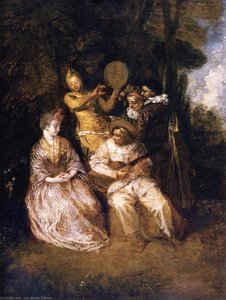
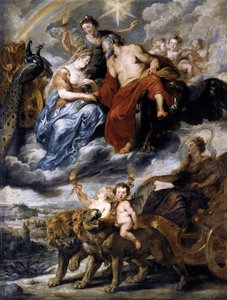
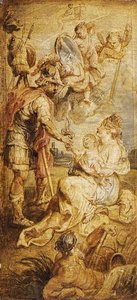

Über den Künstler
Frühes Leben und Ausbildung
Richard Parkes Bonington, eine bedeutende Figur der britischen Romantik, wurde am 25. Oktober 1802 in Arnold, Nottinghamshire, Großbritannien, geboren. Sein Vater, ebenfalls Richard genannt, war ein vielseitiger Mensch, der als Gefängnisverwalter, Zeichenlehrer und Spitzenmacher arbeitete. Dieser vielfältige Hintergrund beeinflusste wahrscheinlich Boningtons frühe künstlerische Neigungen. https://ArtsDot.com/@/richardparkesbonington, die Online-Plattform für Kunstliebhaber, bietet eine umfangreiche Sammlung von Boningtons Werken, die seine Meisterschaft in Landschaften und historischen Szenen zeigt.Künstlerische Entwicklung und Einflüsse
Boningtons künstlerischer Weg begann mit der Aquarellmalerei, die ihm sein Vater beibrachte. Bereits im Alter von elf Jahren stellte er auf der Liverpool Academy aus. 1817 zog seine Familie nach Calais, Frankreich, wo er bei François Louis Thomas Francia Unterricht erhielt, der ihn in die englische Aquarelltechnik einführte.- Francias Einfluss ist in Boningtons frühen Werken sichtbar, die durch eine Mischung aus englischen und französischen Stilen gekennzeichnet sind.
- Seine Begegnung mit Eugène Delacroix https://ArtsDot.com/@/eugenedelacroix, einem französischen Romantikmaler, prägte seinen künstlerischen Ansatz weiter.
- Boningtons Zeit an der École des Beaux-Arts in Paris unter Antoine-Jean, Baron Gros, festigte seine Fähigkeiten.
Bemerkenswerte Werke und Leistungen
Wichtige Gemälde:- Rouen, Normandie, um 1823 (verfügbar auf /de/art/show/art-8xyhdc-de/
- Blick auf die Lagune in der Nähe von Venedig, 1827 (Louvre)
- Karl V. besucht Franz I. nach der Schlacht von Pavia, um 1827
- Goldmedaille beim Pariser Salon im Jahr 1824, zusammen mit John Constable und Anthony Vandyke Copley Fielding.
- Delacroix' Tribut an Boningtons Werk in einem Brief an Théophile Thoré im Jahr 1861, der seine Leichtigkeit des Stils hervorhob.
Vermächtnis und Erinnerung
Boningtons Leben wurde durch Tuberkulose verkürzt, die ihn am 23. September 1828 im Alter von 25 Jahren forderte. Trotz seiner kurzen Karriere hinterließ er einen bleibenden Eindruck auf den britischen Romanticismus.- Eine Statue in der Nottingham School of Art, errichtet von Watson Fothergill.
- Ein Theater und eine Grundschule in seinem Heimatort Arnold, die nach ihm benannt sind.
- Die Wallace Collection beherbergt eine bedeutende Gruppe von 35 Werken, die sowohl seine Landschafts- als auch seine Historiengemälde zeigen.
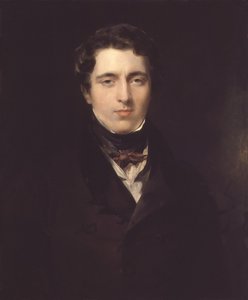
Richard Parkes Bonington
1802 - 1828 , Vereinigtes Königreich
Kurzinfos
- Beeinflusste Künstler: ['Eugène Delacroix']
- Bemerkenswerte Werke:
- Rouen, Normandie
- Blick auf die Lagune bei Venedig
- Karl V. besucht Franz I.
- Geburtsdatum: 25. Oktober 1802
- Geburtsort: Arnold, Vereinigtes Königreich
- Künstlerische Bewegung: Britischer Romantik
- Nationalität: Britisch
- Todatum: 23. September 1828
- Vollständiger Name: Richard Parkes Bonington
- Von Künstlern Beeinflusst:
- François Louis Thomas Francia
- Thomas Girtin
Ähnliche Artikel

Die 10 legendärsten Aquarellwerke der Kunstgeschichte – Meisterwerke für Ihr Zuhause
Entdecken Sie die 10 legendärsten Aquarellwerke der Kunstgeschichte! Von Turner bis Monet – erleben Sie die Geschichten, Techniken & Farben dieser Meisterwerke. Finden Sie hochwertige Kunstdrucke auf ArtsDot.com und gestalten Sie Ihr Zuhause mit zeitloser Eleganz.
Henri Matisse: Die 25 Meisterwerke des Farbgenies – Kunst für Ihr Zuhause | ArtsDot
Entdecken Sie die 25 Meisterwerke von Henri Matisse! Tauchen Sie ein in die Welt des Fauvismus, der leuchtenden Farben und ikonischen Formen. Kunstreproduktionen & Inspiration für Ihr Zuhause – exklusiv auf ArtsDot.com.

Ephemeral Visions: Exploring the Artistic Legacy & Contemporary Practice of Watercolor Painting
Explore the captivating world of watercolor painting! Discover its rich history, essential techniques, influential artists & collecting tips. A comprehensive guide for art enthusiasts from ArtsDot.

Flüchtige Visionen: Die Geschichte und emotionale Resonanz der Aquarellmalerei
Entdecken Sie die faszinierende Welt der Aquarellmalerei! Von historischen Ursprüngen bis zu modernen Techniken – wir bieten Expertenwissen, Inspiration und Tipps für Anfänger & Fortgeschrittene.

Ephemeral Visions: Exploring the Artistic Legacy & Nuances of Watercolor Painting
Explore the captivating world of watercolor painting! Discover its rich history, essential techniques, influential artists & collecting tips from art experts. A comprehensive guide for enthusiasts.