 Vorschau anzeigen
 Versenden
 Teilen
 Details anzeigen

 Herunterladen
 Ähnliche Objekte
 Röntgenaufnahme
 Diashow
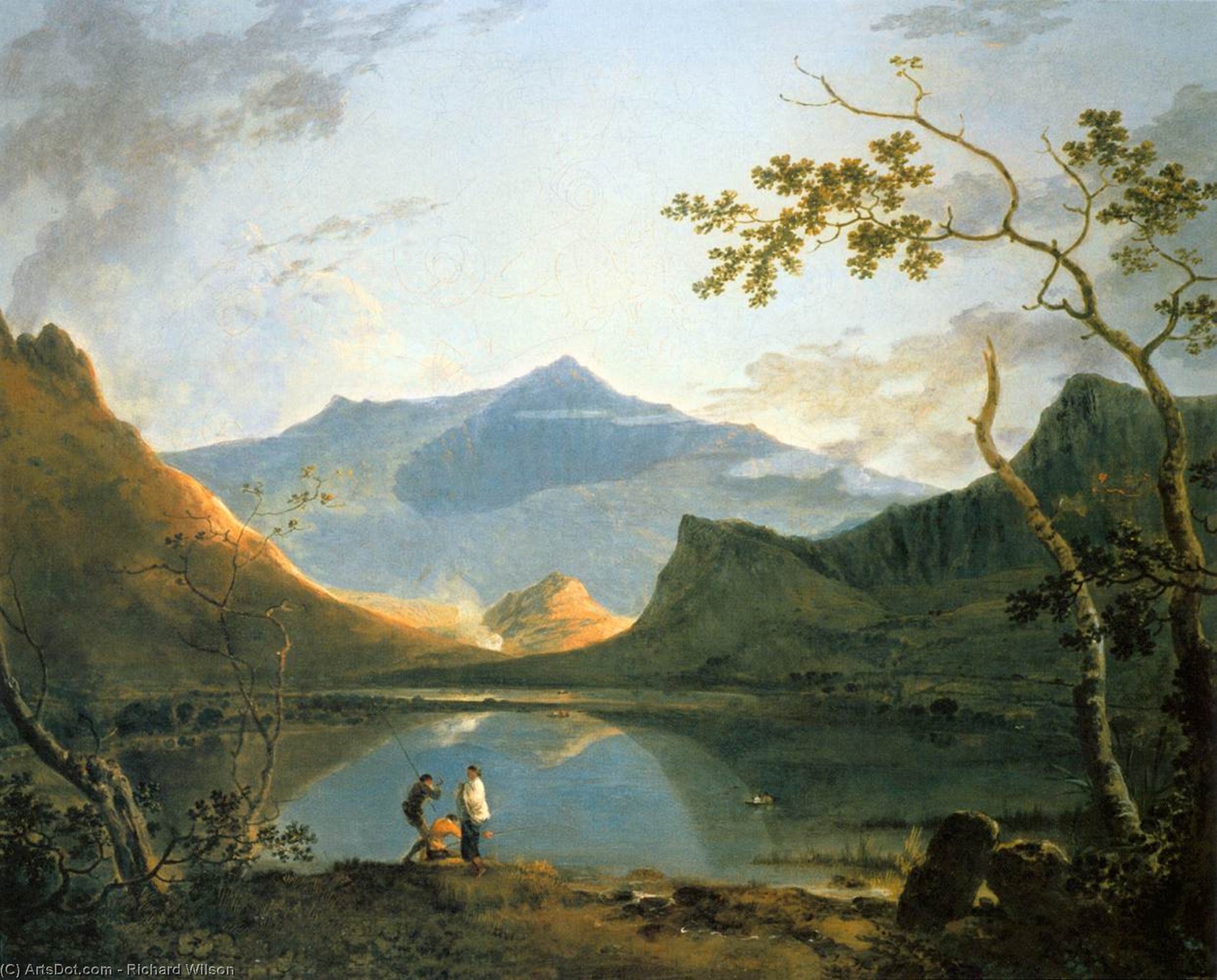
View of Snowdon from Llyn Nantlle
 Oil On Canvas
- WallArt
- English Romantic Landscape
 1766
1766 100.0 x 127.0 cm
 Nottingham Castle Museum Und Kunstgalerie
 Weiterlesen
Giclée / Kunstdruck
Giclée- oder Leinwanddruck in Museumsqualität mit schneller Produktion und flexiblen Veredelungsoptionen. ( Handgemalte Reproduktion bestellen Bild kaufen)




P118B $10

P118H $10

P118W $10

P438Z $10

P508JH $12

P508YH $12

P805H $10

P805Z $10

P919BZ $10

P919G $10

P919XJ $10

P959ZH $10

P968JZ $12

W106C $8

W218G $10

W218JH $8

W218Y $10

W307PJ $10

W316G $10

W316PJ $8

W316Y $10

W398PJ $8

W4111J $10

W500HY $15

W500JH $15

W692G $12

W849H $8

W940BG $15

W953PJ $8




Wählen Sie aus unseren vordefinierten Formaten, die den ursprünglichen Proportionen des Kunstwerks entsprechen.

Sie können Ihre eigenen Maße eingeben, um ein bestimmtes Format oder einen speziellen Platz einzupassen. Wenn das von Ihnen gewählte Format nicht den Proportionen des Originalbildes entspricht, werden wir das Kunstwerk entweder beschneiden oder das Bild mit einem gespiegelten oder einfarbigen Rand erweitern. Ein digitaler Entwurf wird Ihnen zur Genehmigung zugesandt, bevor die Produktion beginnt.
Bitte beachten Sie, dass die Vorschau auf dem Bildschirm nicht den tatsächlichen Zuschnitt oder die Erweiterung widerspiegelt. Nur der Entwurf zeigt die endgültige Komposition präzise an.
Obwohl Sondermaße verfügbar sind, empfehlen wir die Auswahl eines Maßes aus der vordefinierten Liste, um die ursprünglichen Proportionen zu bewahren.
Weltweiter Versand () innerhalb von 2 Wochen statt der üblichen 4/5 Wochen. (23 August)

Kostenloser weltweiter Expressversand

Hochwertige Leinenleinwand

Umfassender Versicherungsschutz beim Versand

Zollgebühren-Rückerstattungsgarantie

Garantie für exakte Farbtreue

60 Tage Rückgaberecht (nur bei Mängeln)

100% Geld-zurück-Garantie

Mengenrabatt verfügbar
 Die Glasoption ist nur für Größen unter 110 cm verfügbar.

View of Snowdon from Llyn Nantlle
Giclée / Kunstdruck
Format der Reproduktion
-


Gesamtpreis
$ 62
Sammlerstück-Beschreibung
A Serene Majesty: Richard Wilson’s “View of Snowdon from Llyn Nantlle”
Richard Wilson's "View of Snowdon from Llyn Nantlle," painted in 1766, isn’t merely a depiction of a Welsh mountain and lake; it’s an immersion into the heart of the English Romantic landscape. This captivating work transcends simple representation, offering instead a profound meditation on nature’s grandeur and humanity's place within its vastness. Wilson, a pivotal figure in British art history, masterfully employed atmospheric perspective and subtle color shifts to evoke not just what he saw, but how it felt – a sense of awe, tranquility, and the sublime.
The scene unfolds before us: Llyn Nantlle, a shimmering expanse of water reflecting the dramatic silhouette of Snowdon, Wales’s highest peak. Two figures, small in scale against the monumental backdrop, stand on its shore, suggesting a moment of quiet contemplation amidst this overwhelming beauty. The composition is carefully balanced, drawing the eye through the lake and towards the distant mountains, creating a visual pathway that invites the viewer to lose themselves within the scene. Wilson’s skill lies not just in his technical proficiency but in his ability to capture the very essence of the landscape – its mood, its scale, and its inherent power.
The Language of Light and Atmosphere
Wilson's technique is characterized by a remarkable sensitivity to light and atmosphere. He eschews bold brushstrokes in favor of delicate washes of color, building up layers of translucent paint to create an ethereal quality. The dominant palette consists of cool blues, greens, and greys – the quintessential hues of the Welsh mountains and lakes – punctuated by warmer browns and ochres that ground the foreground elements. This careful orchestration of color isn’t simply decorative; it's integral to the painting’s emotional impact. The hazy atmosphere, achieved through subtle gradations in tone, creates a sense of distance and depth, mimicking how atmospheric conditions affect our perception of the landscape from afar.
Notice particularly the way Wilson renders the distant mountains. They appear paler, less defined, and almost dreamlike – a testament to his masterful use of atmospheric perspective. This technique isn’t just about creating visual realism; it's about conveying the feeling of vastness and the humbling realization of nature’s scale. The subtle reflections on the lake surface further enhance this effect, adding a shimmering layer of beauty and complexity.
A Romantic Vision
"View of Snowdon from Llyn Nantlle" firmly establishes Wilson within the burgeoning English Romantic movement. Unlike earlier landscape painters who focused primarily on accurate representation, the Romantics sought to capture not just the appearance of nature but its emotional power. Wilson’s work embodies this shift, prioritizing feeling and atmosphere over strict adherence to realism. The two figures on the shore aren't simply observers; they represent humanity’s connection to the natural world – a desire for contemplation and a recognition of our own smallness within the grand scheme of things.
The painting can be interpreted as a celebration of the sublime, that feeling of awe and terror inspired by encountering something vast and powerful. Snowdon, with its imposing height and dramatic presence, embodies this concept perfectly. Wilson’s ability to evoke such profound emotion through his skillful use of color, light, and composition is what elevates “View of Snowdon from Llyn Nantlle” beyond a mere landscape painting – it's a deeply moving experience for the viewer.
Historical Context & Artistic Legacy
Painted in 1766, this work reflects the growing interest in landscape art during the mid-18th century. Prior to Wilson, landscape was often relegated to a secondary role in painting, overshadowed by portraiture and historical scenes. However, figures like Wilson championed the beauty of the natural world, paving the way for future generations of Romantic painters such as Turner and Constable. His meticulous study of light and atmosphere, combined with his understanding of composition, established him as one of the most important landscape artists of his time.
Reproductions of “View of Snowdon from Llyn Nantlle” offer a remarkable opportunity to bring this timeless masterpiece into your home or office. The painting’s serene beauty and evocative atmosphere will undoubtedly create a sense of tranquility and connection with nature – a perfect addition for any space seeking inspiration and visual delight.
Ähnliche Kunstwerke

Über den Künstler
Richard Wilson: Ein Pionier der britischen Landschaftsmalerei
Frühes Leben und Ausbildung
Richard Wilson wurde am 24. Juli 1713 in Islington, Vereinigtes Königreich, geboren. Details bezüglich seines frühen Lebens sind spärlich, aber es wird angenommen, dass er eine grundlegende künstlerische Ausbildung erhalten hat. Wilsons anfängliche Fähigkeiten wurden wahrscheinlich durch Selbststudium und Beobachtung sowie möglicherweise von anderen Künstlern der Zeit entwickelt. Sein Werk zeigt ein starkes Verständnis klassischer Techniken, was auf eine bewusste Anstrengung hindeutet, grundlegende Prinzipien zu meistern.
Künstlerische Karriere & Entwicklung
Wilsons künstlerische Reise entfaltete sich in zwei deutlich unterschiedlichen Phasen. Er begann seine Karriere als Porträtmaler, ging aber allmählich zu Landschaftsmalerei über – das Genre, für das er heute gefeiert wird. Dieser Übergang markierte einen Wendepunkt in der britischen Kunstgeschichte. Seine Landschaften waren nicht nur Darstellungen von Naturlandschaften; sie waren sorgfältig konstruierte Kompositionen, die mit Atmosphäre und Emotion durchdrungen waren.
- Frühe Einflüsse: Zu Beginn zeigten Wilsons Porträts den Einfluss etablierter Künstler wie Godfrey Kneller.
- Übergang zur Landschaftsmalerei: Seine Reisen nach Italien (um 1752) erwiesen sich als transformativ. Die Auseinandersetzung mit italienischen Landschaften und dem Werk von Claude Lorrain hatte einen tiefgreifenden Einfluss auf seinen Stil.
- Reife Stil: Wilson entwickelte einen einzigartig britischen Ansatz für die Landschaftsmalerei, der klassische Ideale mit den spezifischen Qualitäten des englischen Landes integrierte.
Einflüsse & Künstlerischer Stil
Der bedeutendste Einfluss auf Richard Wilson war Thomas Gainsborough. Er bewunderte Gainsboroughs Fähigkeit, Licht und Atmosphäre einzufangen und integrierte ähnliche Techniken in seine eigene Arbeit. Wilson unterschied sich jedoch durch eine bewusstere Kompositionsstruktur und einen größeren Schwerpunkt auf idealisierte Schönheit.
- Klassische Komposition: Wilson setzte häufig klassische Prinzipien von Balance und Harmonie in seinen Landschaften ein.
- Atmosphärische Perspektive: Er nutzte geschickt atmosphärische Perspektiven, um einen Eindruck von Tiefe und Entfernung zu erzeugen.
- Goldenes Licht: Seine Gemälde sind durch warmes, goldenes Licht gekennzeichnet, das ein Gefühl von Ruhe hervorruft.
Bekannte Werke & Leistungen
Mehrere Werke veranschaulichen Wilsons Meisterschaft.
- Meleager und Atalanta (ca. 1743): Dieses Gemälde zeigt seine Fähigkeit, die Essenz der britischen Landschaft einzufangen.
- Die Hengö Watch (1756-57): Ein Meisterwerk, das Wilsons Fähigkeit demonstriert, Licht, Farbe und Komposition auszugleichen.
- Viele andere Landschaften: Er schuf einen beträchtlichen Werksummen, der verschiedene Orte in Großbritannien und Italien darstellt.
Historische Bedeutung & Vermächtnis
Richard Wilson wird als eine zentrale Figur bei der Entwicklung der britischen Landschaftsmalerei angesehen. Er ebnete den Weg für zukünftige Generationen von Künstlern, darunter Francis Cotes, indem er das künstlerische Potenzial des britischen Landes zeigte. Sein Fokus auf die Erfassung der Schönheit und Ruhe der Natur trug dazu bei, eine eigenständige Tradition der Landschaftskunst in Großbritannien zu etablieren.
- Abkehr von Porträituren: Wilsons Fokus auf Landschaften stellte die vorherrschende Dominanz der Porträtmalerei in der britischen Kunst in Frage.
- Nationales Selbstverständnis: Seine Gemälde trugen zu einem wachsenden Gefühl des nationalen Selbstverständnisses und Stolzes für das schöne Britische Inselreich bei.
- Nachhaltiger Einfluss: Wilsons Werk inspiriert bis heute Künstler und Kunstliebhaber, wodurch er seinen Platz in der Kunstgeschichte festigt.
Museumsbesorgungen
Wilsons Werke befinden sich in bedeutenden Museen, darunter:
- Tate Britain, London, Vereinigtes Königreich
- Walker Art Gallery, Liverpool, Vereinigtes Königreich
- National Museum of Wales, Cardiff, Vereinigtes Königreich
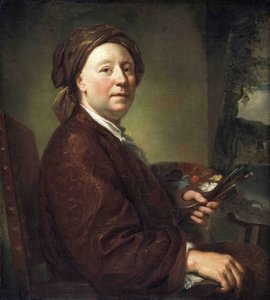
richard wilson
1713 - 1782 , Vereinigtes Königreich
Kurzinfos
- Artistic Movement Or Style: Britische Landschaftsmalerei
- Artists Or Movements Influenced By This Artist: ['Claude Lorrain']
- Artists Who Influenced This Artist:
- Godfrey Kneller
- Thomas Gainsborough
- Date Of Birth: 24. Juli 1713
- Date Of Death: 15. Mai 1782
- Full Name: Richard Wilson
- Nationality: Walisisch
- Notable Artworks:
- Meleager und Atalanta
- Die Hengö Watch
- Place Of Birth: Islington, Vereinigtes Königreich
Ähnliche Artikel

Richard Wilson: Dekonstruktion der Landschaft und das Gedächtnis in zeitgenössischer Installationskunst
Entdecken Sie Richard Wilsons revolutionäre Landschaftsmalerei und seinen Einfluss auf die Kunstgeschichte. Analysen, Hintergründe & zeitgenössische Interpretationen – exklusiv bei ArtsDot.

Evocations of Place: A Historical Journey Through Landscape Art
Explore the rich history of landscape art with ArtsDot. Discover renowned artists, movements like Impressionism & Romanticism, and expert guidance for collecting timeless pieces. Find your perfect serene escape today!

Romantische Landschaften: Die 10 Meisterwerke, die eine Epoche prägten | ArtsDot
Entdecken Sie die 10 Meisterwerke der Romantischen Landschaftsmalerei! Von Caspar David Friedrich bis Turner – erleben Sie die Kunst, Emotion & Natur. Hochwertige Reproduktionen auf ArtsDot.com

John Constable: Die 25 Meisterwerke des englischen Landschaftsgenies – ArtsDot
Entdecken Sie die 25 Meisterwerke von John Constable! Erleben Sie englische Landschaftsmalerei vom Hay Wain bis zur Stour Valley. Hochwertige Reproduktionen & Kunst für Ihr Zuhause auf ArtsDot.com.
William Trost Richards: Luminismus, Spiritualität und die amerikanische Landschaftstradition
Entdecken Sie das Werk von William Trost Richards und die faszinierende Welt des Luminismus! Erfahren Sie mehr über seine einzigartige Aquarelltechnik, spirituelle Tiefe & Einfluss auf die amerikanische Landschaftsmalerei. Jetzt lesen!