 Vorschau anzeigen
 Versenden
 Teilen
 Details anzeigen

 Herunterladen
 Ähnliche Objekte
 Röntgenaufnahme
 Diashow
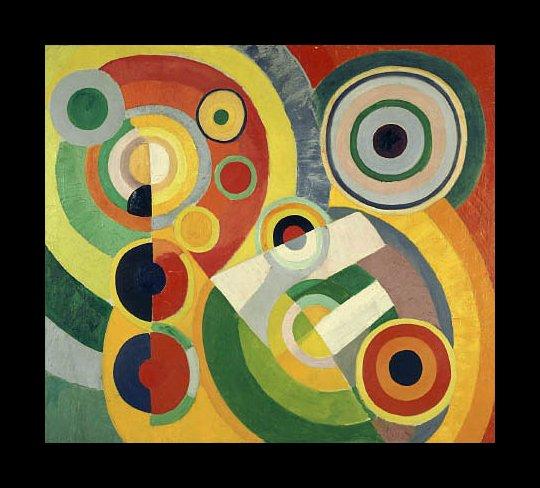
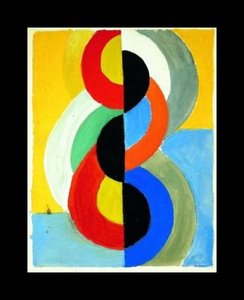
The Joy of Life


 Weiterlesen
Giclée / Kunstdruck
Giclée- oder Leinwanddruck in Museumsqualität mit schneller Produktion und flexiblen Veredelungsoptionen. ( Handgemalte Reproduktion bestellen Bild kaufen)




P118B $10

P118H $10

P118W $10

P438Z $10

P508JH $12

P508YH $12

P805H $10

P805Z $10

P919BZ $10

P919G $10

P919XJ $10

P959ZH $10

P968JZ $12

W106C $8

W218G $10

W218JH $8

W218Y $10

W307PJ $10

W316G $10

W316PJ $8

W316Y $10

W398PJ $8

W4111J $10

W500HY $15

W500JH $15

W692G $12

W849H $8

W940BG $15

W953PJ $8




Wählen Sie aus unseren vordefinierten Formaten, die den ursprünglichen Proportionen des Kunstwerks entsprechen.

Sie können Ihre eigenen Maße eingeben, um ein bestimmtes Format oder einen speziellen Platz einzupassen. Wenn das von Ihnen gewählte Format nicht den Proportionen des Originalbildes entspricht, werden wir das Kunstwerk entweder beschneiden oder das Bild mit einem gespiegelten oder einfarbigen Rand erweitern. Ein digitaler Entwurf wird Ihnen zur Genehmigung zugesandt, bevor die Produktion beginnt.
Bitte beachten Sie, dass die Vorschau auf dem Bildschirm nicht den tatsächlichen Zuschnitt oder die Erweiterung widerspiegelt. Nur der Entwurf zeigt die endgültige Komposition präzise an.
Obwohl Sondermaße verfügbar sind, empfehlen wir die Auswahl eines Maßes aus der vordefinierten Liste, um die ursprünglichen Proportionen zu bewahren.
Weltweiter Versand () innerhalb von 2 Wochen statt der üblichen 4/5 Wochen. (26 August)

Kostenloser weltweiter Expressversand

Hochwertige Leinenleinwand

Umfassender Versicherungsschutz beim Versand

Zollgebühren-Rückerstattungsgarantie

Garantie für exakte Farbtreue

60 Tage Rückgaberecht (nur bei Mängeln)

100% Geld-zurück-Garantie

Mengenrabatt verfügbar
 Die Glasoption ist nur für Größen unter 110 cm verfügbar.

The Joy of Life
Giclée / Kunstdruck
Format der Reproduktion
-


Gesamtpreis
$ 62
Sammlerstück-Beschreibung
The Radiant Echoes of Robert Delaunay’s “The Joy of Life”
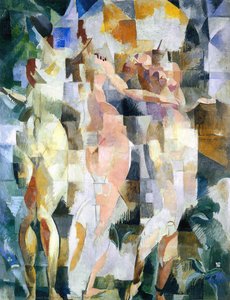
Robert Delaunay's "The Joy of Life," painted in 1930, isn’t merely a depiction of color and form; it’s an immersive experience, a vibrant distillation of the burgeoning artistic currents swirling around Paris at the time. Created during a period of intense experimentation with abstraction, this work exemplifies the Orphism movement – Delaunay's bold departure from representational art towards a purely visual language driven by emotion and perception. The painting’s genesis lies in a fascination with light, color theory, and the burgeoning influence of scientific discoveries regarding optics, particularly the work of Michel Eugène Chevreul on simultaneous contrast.
- Geometric Harmony: At its core, “The Joy of Life” is defined by its meticulously arranged geometric shapes – circles, squares, and lines – each imbued with a specific hue. These aren’t random splashes; they are carefully considered elements designed to interact dynamically, creating a sense of movement and rhythm that draws the viewer into the composition.
- Chromatic Intensity: Delaunay's masterful use of color is paramount. He employed techniques like complementary colors – red and green, blue and orange, yellow and purple – not just for visual impact but also to create optical vibrations within the painting itself. This was a radical departure from traditional painting, where color served primarily to represent objects.
- Influence of Modernism: The work reflects the broader modernist movement’s rejection of academic conventions and embrace of subjective experience. Delaunay wasn't interested in replicating reality; he sought to express his *perception* of it through a highly stylized lens.
The Orphism Movement & Sonia Delaunay
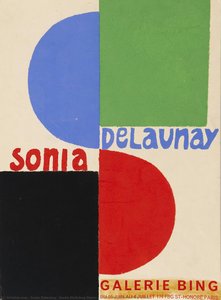
To fully appreciate “The Joy of Life,” one must understand the context of its creation – the rise of Orphism and the pivotal role played by Robert and Sonia Delaunay. Following their initial explorations with Neo-Impressionism, they sought to push beyond mere optical mixing of colors, developing a style characterized by bold, non-naturalistic color combinations and geometric abstraction. This movement, named after Sonia’s 1912 exhibition, was a direct response to the prevailing artistic trends of the time, rejecting the increasingly rigid formalism of Cubism in favor of a more fluid and emotionally charged approach.
Sonia Delaunay's influence is particularly evident in the painting's dynamic energy and its exploration of color as an independent entity. Her collaborative spirit with Robert was crucial to the development of Orphism, fostering a shared vision that challenged established artistic norms.Symbolic Resonance & Emotional Impact
"The Joy of Life" transcends a simple visual exercise; it’s imbued with symbolic resonance. The concentric circles can be interpreted as representing the interconnectedness of all things, reflecting Delaunay's belief in the fundamental unity of color and light. The vibrant palette evokes feelings of joy, energy, and optimism – fittingly named for its subject. The division into two distinct halves—one more structured with geometric lines, the other softer and curved—creates a visual tension that mirrors the complexities of human experience.
Beyond mere aesthetics, “The Joy of Life” invites contemplation on themes of dynamism, transformation, and the inherent beauty found within abstract forms. It’s a testament to Delaunay's pioneering spirit and his profound understanding of color as a powerful expressive force.Technical Details & Reproduction Considerations
Delaunay employed oil paints on canvas, utilizing techniques such as layering and glazing to build up the rich colors and create depth within the composition. The painting’s surface is characterized by its textured brushwork and subtle variations in tone – a testament to Delaunay's meticulous attention to detail. When considering a reproduction of “The Joy of Life,” it’s crucial to select a high-quality print on archival paper that accurately captures the original’s vibrant colors and textural nuances. The best reproductions will faithfully reproduce the layering and glazing techniques, ensuring that the painting retains its dynamic energy and emotional impact.
Ähnliche Kunstwerke


Über den Künstler
Frühe Jahre und künstlerliche Anfänge
Robert Delaunay, ein französischer Künstler, wurde am 12. April 1885 in Paris geboren. Er ist vor allem bekannt dafür, dass er zusammen mit seiner Frau Sonia Delaunay die Orphismus-Kunstbewegung begründete. Diese Bewegung, die durch ihre Verwendung von kräftigen Farben und geometrischen Formen gekennzeichnet ist, zielte darauf ab, das moderne Leben durch abstrakte Formen auszudrücken.Künstlerischer Stil und Einflüsse
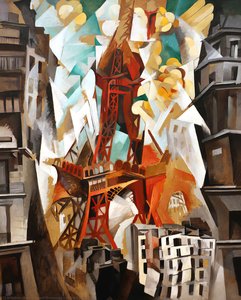
Delaunays künstlerischer Stil zeichnete sich durch eine kühne Farbgebung und eine deutliche Liebe zur Experimentierfreude mit Tiefe und Ton aus. Seine späteren Werke waren abstrakter und erinnerten an Paul Klee. Der Künstler wurde maßgeblich von der Verwendung von Farbe als Ausdrucksmittel und strukturelles Element beeinflusst.- Die Eiffelturm-Serie, die das Wesen dieses ikonischen Pariser Wahrzeichens in einer einzigartigen und abstrakten Form einfängt.
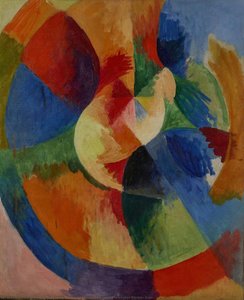
- Gleichzeitige Kontraste: Sonne und Mond, ein Gemälde, das Delaunays Kunst und sein theoretisches Engagement für Farbe zeigt.
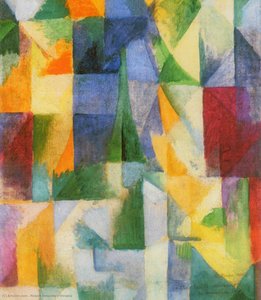
- Fenster öffnen sich gleichzeitig, 1. Teil, 3. Motiv, ein Gemälde, das Delaunays Verwendung von Farbblöcken demonstriert, um Tiefe und Bewegung zu erzeugen.
Wichtige Werke und Vermächtnis
Zu Delaunays wichtigsten Werken gehören:- Der Eiffelturm (126 x 93 cm, Solomon R. Guggenheim Museum, New York, Vereinigte Staaten)
- Gleichzeitige Kontraste: Sonne und Mond (Orphismus)
- Fenster öffnen sich gleichzeitig, 1. Teil, 3. Motiv (Orphismus)
Schlussfolgerung
Robert Delaunay, ein Pionier des Orphismus, hat mit seiner kühnen Farbgebung und abstrakten Formen eine bleibende Spur in der Kunstwelt hinterlassen. Sein Vermächtnis inspiriert weiterhin Künstler und Kunstliebhaber gleichermaßen und macht ihn zu einer bedeutenden Figur in der Geschichte der modernen Kunst. Weitere Werke von Robert Delaunay finden Sie auf ArtsDot Die Geschichte der Malerei - Wikipedia Die Orphismus-Kunstbewegung - ArtsDot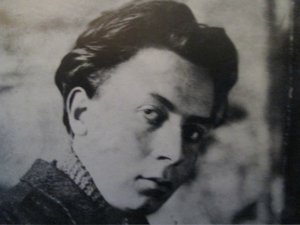
Robert Delaunay
1885 - 1941 , Frankreich
Kurzinfos
- Beeinflusste Künstler: ['Paul Klee']
- Bemerkenswerte Werke:
- Eiffelturm (Serie)
- Gleichzeitige Kontraste: Sonne und Mond
- Fenêtres simultanées
- Geburtsdatum: 12. April 1885
- Geburtsort: Paris, Frankreich
- Künstlerische Bewegung: Orphismus, Kubismus
- Nationalität: Französisch
- Sterbedatum: 25. Oktober 1941
- Vollständiger Name: Robert Delaunay
- Von Ihm Beeinflusste Künstler:
- Stanton Macdonald-Wright
- Morgan Russell
- Patrick Henry Bruce
- Der Blaue Reiter
- August Macke
- Franz Marc
- Lyonel Feininger
Ähnliche Artikel

Geometrische Abstraktion: Die 10 Meisterwerke, die Kunstgeschichte prägten | ArtsDot.com
Entdecken Sie die 10 Meisterwerke der geometrischen Abstraktion! Von Kandinsky bis Mondrian – erleben Sie die Geschichte, Farben & Formen dieser revolutionären Kunstrichtung. Hochwertige Kunstreproduktionen auf ArtsDot.com
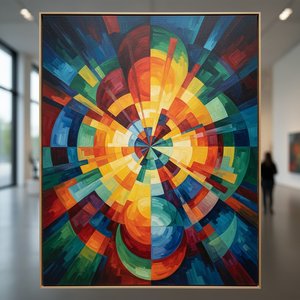
Orphism: A Symphony of Color and Form – Exploring the Abstract Roots of Modern Art
Explore Orphism, the vibrant abstract art movement pioneered by Robert & Sonia Delaunay. Discover its unique color theory, lasting influence on modern art, and how to bring this 'symphony of color' into your home with ArtsDot.
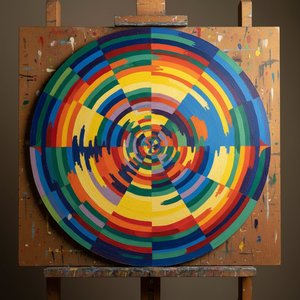
Sonia Delaunay: A Life in Color – Exploring the Rhythms of Abstraction and Synesthesia
Explore the vibrant world of Sonia Delaunay, a pioneer of abstract art and co-founder of Orphism. Discover her revolutionary use of color, geometric forms, and influence on modern design. A deep dive into her life & legacy.
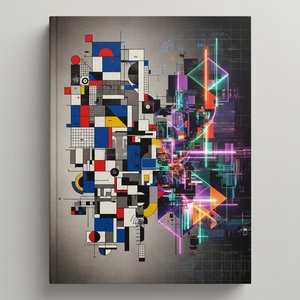
Beyond Form & Color: Geometric Abstraction's Evolution in 20th/21st Century Art
Explore the evolution of geometric abstraction from Cubism to contemporary art. Discover key artists like Malevich & Mondrian, investment insights, and expert collecting advice at ArtsDot.
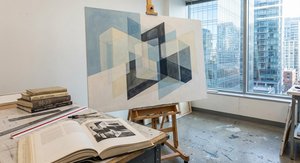
Beyond Form & Color: Geometric Abstraction's Enduring Legacy in Art History
Explore the captivating world of geometric abstraction! Discover its origins, key artists like Malevich & Mondrian, and why this movement remains highly valued by art collectors today. Expert insights at ArtsDot.