

 Vorschau anzeigen
 Versenden
 Teilen
 Details anzeigen

 Herunterladen
 Ähnliche Objekte
 Röntgenaufnahme
 Diashow
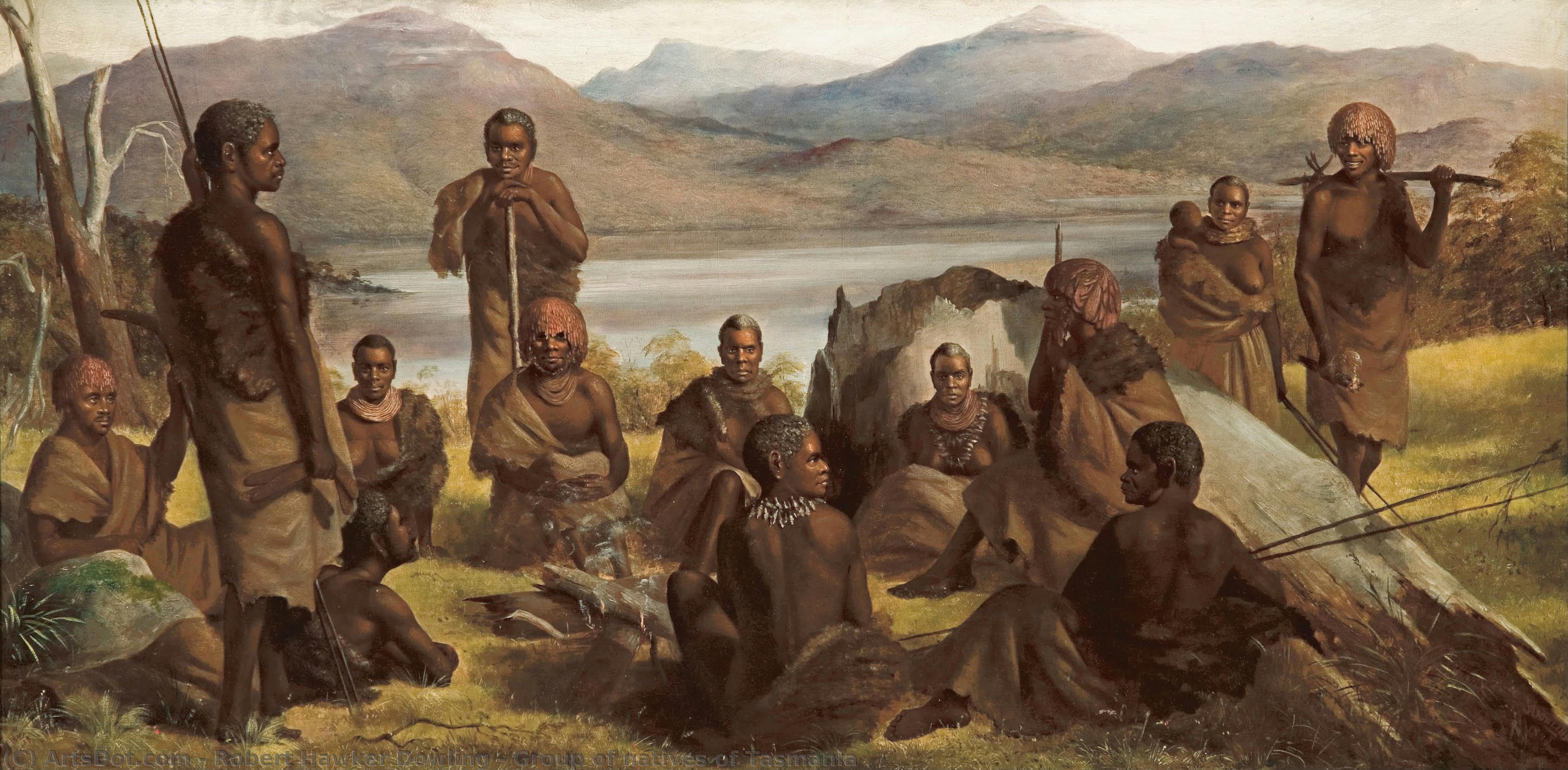
Group of natives of Tasmania
 Oil
Oil- WallArt
- Realism
 1860
1860- 19th Century
 91.0 x 45.0 cm
 Art Galerie von Südaustralien
 Weiterlesen
Handgefertigte Ölreproduktion
Handgemaltes Ölgemälde auf Leinwand in Ihrer Wunschgröße und mit Rahmen, auf Bestellung von unseren Künstlern angefertigt. ( Druck bestellen Bild kaufen)




P118B $10

P118H $10

P118W $10

P438Z $10

P508JH $12

P508YH $12

P805H $10

P805Z $10

P919BZ $10

P919G $10

P919XJ $10

P959ZH $10

P968JZ $12

W106C $8

W218G $10

W218JH $8

W218Y $10

W307PJ $10

W316G $10

W316PJ $8

W316Y $10

W398PJ $8

W4111J $10

W500HY $15

W500JH $15

W692G $12

W849H $8

W940BG $15

W953PJ $8




Wählen Sie aus unseren vordefinierten Formaten, die den ursprünglichen Proportionen des Kunstwerks entsprechen.

Sie können Ihre eigenen Maße eingeben, um einen bestimmten Rahmen oder Platz auszufüllen. Wenn die gewählte Größe nicht den Proportionen des Originalbildes entspricht, werden wir das Kunstwerk entweder beschneiden oder das Gemälde durch zusätzliche, handgemalte Elemente erweitern. Ein digitales Mockup wird Ihnen zur Genehmigung zugesandt, bevor die Produktion beginnt.
Bitte beachten Sie, dass die Bildschirmvorschau nicht die tatsächliche Beschneidung oder Erweiterung widerspiegelt. Nur das Mockup zeigt die endgültige Komposition exakt an.
Obwohl Sondermaße verfügbar sind, empfehlen wir, eine Größe aus der vordefinierten Liste zu wählen, um die ursprünglichen Proportionen beizubehalten.
Nach der Bestellung wird das ArtsDot.com-Team dem Kunden Anweisungen per E-Mail zusenden und eine Mockup-Vorschau bereitstellen.
Weltweiter Versand () in nur 3 bis 4 Wochen statt der üblichen 5 Wochen. (26 August). Keine Kompromisse bei der Qualität.

Kostenloser weltweiter Expressversand

Hochwertige Leinenleinwand

Umfassender Versicherungsschutz beim Versand

Zollgebühren-Rückerstattungsgarantie

Garantie für exakte Farbtreue

60 Tage Rückgaberecht (nur bei Mängeln)

100% Geld-zurück-Garantie

Mengenrabatt verfügbar
 Die Glasoption ist nur für Größen unter 110 cm verfügbar.

Group of natives of Tasmania
Art der Reproduktion
Format der Reproduktion
-


Gesamtpreis
$ 263
Beschreibung des Kunstwerks
A Window into a Vanished World
In the quiet, evocative strokes of Robert Hawker Dowling’s 1860 masterpiece, Group of natives of Tasmania, we are invited to witness a profound moment of human connection frozen in time. This expansive composition, measuring 91 x 45 cm, serves as much more than a mere portrait; it is a sweeping panoramic narrative that captures the essence of a community gathered by the tranquil waters of the Tasmanian landscape. The painting presents thirteen individuals, men and women alike, arranged with a rhythmic grace that suggests both a formal gathering and a spontaneous moment of shared existence. As they stand against a backdrop of distant, mist-touched mountains, the viewer is drawn into a scene where the boundaries between humanity and the natural world seem beautifully blurred.
Dowling, a colonial artist whose journey began in the verdant landscapes of Essex before finding his soul in the rugged beauty of Australia, utilizes a technique that balances meticulous detail with an atmospheric softness. Each figure is rendered with a dignity that commands respect, their traditional attire captured with a sensitivity to texture and form. The presence of symbolic objects—a bowl, a knife, a spear—adds layers of cultural depth, hinting at the daily rhythms, survival, and ceremonial importance of the tools held by these people. Through his masterful use of light and shadow, Dowling breathes life into the skin tones and the rugged terrain, creating a sense of depth that pulls the observer into the very heart of the assembly.
The Art of Colonial Documentation and Emotion
To look upon this work is to engage with the complex history of the 19th century. As an artist trained under the likes of Thomas Bock, Dowling possessed a keen eye for portraiture, yet in this piece, he transcends the boundaries of traditional studio work to create a landscape of human sociology. The painting captures a sense of communal strength and quiet resilience. There is a palpable emotional weight in the way the figures are positioned; some stand in intimate proximity, suggesting familial bonds, while others occupy the periphery, creating a sense of vast, open space that mirrors the untamed wilderness surrounding them. This interplay between the intimacy of the group and the grandeur of the Tasmanian wilderness creates a tension that is both haunting and deeply moving.
For the discerning collector or interior designer, this reproduction offers an unparalleled opportunity to introduce a piece of profound historical significance into a curated space. The horizontal format makes it an ideal centerpiece for a long gallery wall or a commanding presence above a mantle, where its muted, earthy tones can harmonize with sophisticated, organic decor. Beyond its aesthetic value, the painting serves as a conversation starter—a window into a lost era that invites contemplation on heritage, identity, and the enduring spirit of community. Owning such a work is not merely about decorating a room; it is about preserving a fragment of history through the timeless medium of fine art.
Ähnliche Kunstwerke
Über den Künstler
Die Reise eines kolonialen Künstlers
Robert Hawker Dowling, ein bedeutender australischer Künstler der Kolonialzeit, wurde 1827 in Essex, England, geboren. Als jüngster Sohn von Reverend Henry Dowling und dessen Ehefrau Elizabeth, geborene Darke, zog er 1839 gemeinsam mit seinen Eltern nach Launceston, Tasmanien. Dieser Umzug markierte den Beginn seiner tiefgreifende künstlerischen Reise.Frühe Ausbildung und Karriere
Die künstlerische Entwicklung Dowlings wurde maßgeblich durch den Unterricht von Thomas Bock und Frederick Strange geprägt, was das Fundament für sein späteres Wirken als Porträtmaler legte. Im Jahr 1850 machte er seine Dienste als Porträtmaler öffentlich bekannt, was den offiziellen Beginn seiner professionellen Laufbahn einläutete.Bemerkenswerte Werke und Ausstellungen
Zwischen 1859 und 1882 präsentierte Dowling insgesamt 16 Gemälde in der Royal Academy, während weitere Arbeiten im British Institute ausgestellt wurden. Besonders hervorzuheben sind seine Porträts einflussreicher Persönlichkeiten wie Sir Henry Loch, Dr. James Moorhouse und Francis Ormond, die durch ihre charakterstarke Darstellung bestechen.Vermächtnis und spätere Jahre
Dowlings Zeit in Launceston und später in Melbourne war geprägt von einer außergewöhnlich produktiven Phase der Porträtmalerei. Schließlich kehrte er nach London zurück, wo er 1886 verstarb.- Entdecken Sie die Kunstwerke von Robert Hawker Dowling auf ArtsDot
- Erforschen Sie die 5 berühmtesten Künstler aller Zeiten, um den breiteren Kontext kolonialer Künstler wie Dowling zu verstehen.
- Erfahren Sie mehr über die Geschichte der Royal Academy und deren Einfluss auf Künstler wie Dowling durch diesen Artikel über das Chelmsford Museum, Vereinigtes Königreich.
- Die künstlerische Karriere von Robert Hawker Dowling war durch seine Ausbildung bei Thomas Bock und Frederick Strange geprägt.
- Seine Porträts von Sir Henry Loch, Dr. James Moorhouse und Francis Ormond sind herausragende Beispiele seines Schaffens.
- Dowlings Vermächtnis als Kolonialkünstler wird durch seine auf ArtsDot präsentierten Kunstwerke weiterhin gewürdigt.
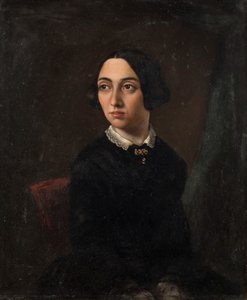
Robert Hawker Dowling
1827 - 1886 , Vereinigtes Königreich
Kurzinfos
- Artistic Movement Or Style: Romantik, Präraffaeliten
- Artists Or Movements Influenced By This Artist:
- Eugène Delacroix
- Romantik
- Artists Who Influenced This Artist:
- Raffael
- Michelangelo
- Dürer
- Emanuel Swedenborg
- Date Of Birth: 28. November 1757
- Date Of Death: 12. August 1827
- Full Name: William Blake
- Nationality: Britisch
- Notable Artworks:
- Songs of Innocence
- Songs of Experience
- The Marriage of Heaven and Hell
- Jerusalem
- Place Of Birth: London, England
Ähnliche Artikel
The Enduring Legacy of Formal Portraiture: Power, Identity & Artistic Exploration
Explore the rich history of formal portraiture & its enduring power to capture identity and shape perception. Discover investment-worthy artworks, expert appraisals, and custom reproduction services at ArtsDot.
The Grandeur of Presence: Exploring Representations of Stately Bearing in Western Portraiture
Explore the art of stately bearing in Western portraiture with expert analysis of Renaissance & Baroque masterpieces. Discover symbolism, techniques, and the legacy of iconic portraits – a guide for discerning collectors.
The Enduring Gaze: Portraiture's Historical & Psychological Evolution
Explore the rich history of portraiture with expert analysis from ArtsDot. Discover iconic Renaissance masterpieces, symbolism & techniques that shaped identity. Find museum-quality art for your collection.
The Enduring Gaze: A Historical & Artistic Exploration of Portraiture Across Cultures
Explore the rich history of portraiture with ArtsDot.com! Discover symbolism, techniques & master artists from antiquity to modern times. Expert insights for art collectors.
The Enduring Gaze: A Historical & Artistic Exploration of Portraiture Across Movements
Explore the rich history of portraiture with ArtsDot.com! Discover iconic masterpieces, influential artists & movements. Expert analysis for collectors and enthusiasts. Find your perfect artwork today.

