

 Vorschau anzeigen
 Versenden
 Teilen
 Details anzeigen

 Herunterladen
 Ähnliche Objekte
 Röntgenaufnahme
 Diashow
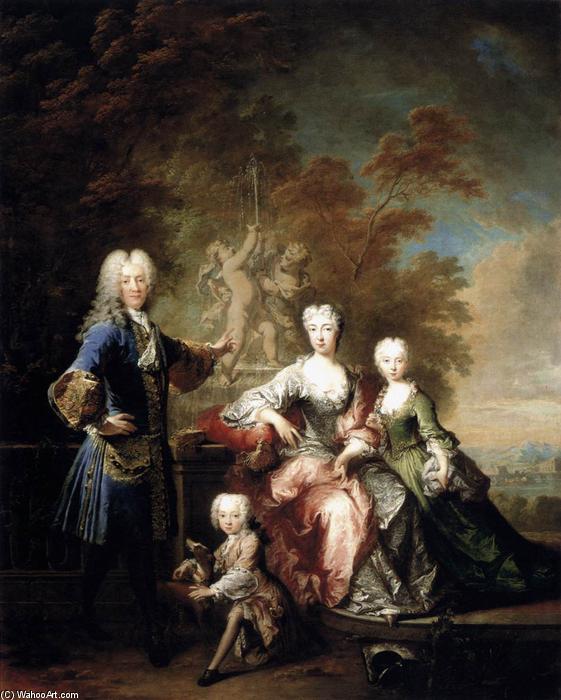
Count Ferdinand Adolf von Plettenberg and his Family
 Oil On Canvas
- WallArt
- Rococo
 1727
1727 92.0 x 74.0 cm
 Szépművészeti Múzeum
 Weiterlesen
Handgefertigte Ölreproduktion
Handgemaltes Ölgemälde auf Leinwand in Ihrer Wunschgröße und mit Rahmen, auf Bestellung von unseren Künstlern angefertigt. ( Druck bestellen Bild kaufen)




P118B $10

P118H $10

P118W $10

P438Z $10

P508JH $12

P508YH $12

P805H $10

P805Z $10

P919BZ $10

P919G $10

P919XJ $10

P959ZH $10

P968JZ $12

W106C $8

W218G $10

W218JH $8

W218Y $10

W307PJ $10

W316G $10

W316PJ $8

W316Y $10

W398PJ $8

W4111J $10

W500HY $15

W500JH $15

W692G $12

W849H $8

W940BG $15

W953PJ $8




Wählen Sie aus unseren vordefinierten Formaten, die den ursprünglichen Proportionen des Kunstwerks entsprechen.

Sie können Ihre eigenen Maße eingeben, um einen bestimmten Rahmen oder Platz auszufüllen. Wenn die gewählte Größe nicht den Proportionen des Originalbildes entspricht, werden wir das Kunstwerk entweder beschneiden oder das Gemälde durch zusätzliche, handgemalte Elemente erweitern. Ein digitales Mockup wird Ihnen zur Genehmigung zugesandt, bevor die Produktion beginnt.
Bitte beachten Sie, dass die Bildschirmvorschau nicht die tatsächliche Beschneidung oder Erweiterung widerspiegelt. Nur das Mockup zeigt die endgültige Komposition exakt an.
Obwohl Sondermaße verfügbar sind, empfehlen wir, eine Größe aus der vordefinierten Liste zu wählen, um die ursprünglichen Proportionen beizubehalten.
Nach der Bestellung wird das ArtsDot.com-Team dem Kunden Anweisungen per E-Mail zusenden und eine Mockup-Vorschau bereitstellen.
Weltweiter Versand () in nur 3 bis 4 Wochen statt der üblichen 5 Wochen. (1 September). Keine Kompromisse bei der Qualität.

Kostenloser weltweiter Expressversand

Hochwertige Leinenleinwand

Umfassender Versicherungsschutz beim Versand

Zollgebühren-Rückerstattungsgarantie

Garantie für exakte Farbtreue

60 Tage Rückgaberecht (nur bei Mängeln)

100% Geld-zurück-Garantie

Mengenrabatt verfügbar
 Die Glasoption ist nur für Größen unter 110 cm verfügbar.

Count Ferdinand Adolf von Plettenberg and his Family
Art der Reproduktion
Format der Reproduktion
-


Gesamtpreis
$ 263
A Glimpse of Aristocratic Life: Robert Le Vrac de Tournières’ “Count Ferdinand Adolf von Plettenberg and His Family”
Robert Le Vrac de Tournières' 1727 painting, "Count Ferdinand Adolf von Plettenberg and His Family," is more than just a portrait; it’s a meticulously crafted window into the refined world of 18th-century European aristocracy. The scene unfolds within a richly appointed interior – likely a salon or drawing room – dominated by a stately fireplace and adorned with luxurious fabrics and decorative elements that speak to wealth and status. At its heart stands Count Ferdinand Adolf von Plettenberg, a man embodying the dignity and authority of his rank, seated alongside his wife and two young children. The composition is carefully balanced, radiating an aura of quiet elegance and familial warmth. Tournières’ skill lies not merely in capturing likenesses but in conveying a palpable sense of atmosphere – a feeling of comfortable grandeur and understated sophistication.The Delicate Dance of Dutch Intimacy and Rococo Style
Tournières' artistic style represents a fascinating transitional period within French art, skillfully blending the intimate character of Dutch genre paintings with the burgeoning lightness and ornamentation that would define the Rococo movement. He inherited from his teachers – Lucas Delahaye, Bon Boullogne, and Rigaud – a mastery of technique and an appreciation for detail, yet he infused this foundation with a distinctly personal vision. The painting’s palette is remarkably delicate, dominated by soft pastel hues—pale blues, pinks, creams, and golds—that create a luminous and airy effect. Notice the subtle gradations of light and shadow, meticulously rendered to sculpt the figures and imbue them with a sense of three-dimensionality. The drapery, particularly that of the Countess, is treated with exquisite attention, demonstrating Tournières’ ability to capture both its form and its flowing movement. This careful observation of texture and volume was a hallmark of his work, distinguishing him from more overtly dramatic painters of the era.Symbolism Woven into Domesticity
Beyond the straightforward depiction of a family portrait, “Count Ferdinand Adolf von Plettenberg and His Family” is rich in subtle symbolism. The carefully arranged furniture – the upholstered chairs, the ornate mantelpiece—reflects the wealth and taste of the household. The presence of the children suggests continuity and legacy, while the Count’s dignified posture embodies his role as a protector and provider. The fireplace itself, a central element of the composition, symbolizes warmth, family, and domesticity – core values within aristocratic society. Furthermore, the inclusion of a servant standing discreetly behind the group subtly acknowledges the hierarchical structure of the household, reinforcing the social order of the time. The painting’s overall effect is one of harmonious balance, where individual portraits contribute to a larger narrative about family, status, and the comforts of a privileged life.A Legacy Preserved: The Painter and His Artistic Context
Robert Le Vrac de Tournières (1667-1752) was a significant figure in 18th-century French art, recognized for his ability to capture both likenesses and atmosphere. He began his artistic journey under the tutelage of prominent masters, absorbing their techniques and developing his own distinctive style. Tournières’ work reflects a period of transition, bridging the formality of the Baroque era with the playful exuberance of Rococo. He was twice admitted into the Académie royale de peinture, first in 1702 for his portraiture skills, and again in 1716 as a history painter, showcasing his versatility. Despite not being considered among the most celebrated painters of his time, Tournières’ meticulous technique and refined execution earned him a respected place within the artistic community. His legacy endures through works like “Count Ferdinand Adolf von Plettenberg and His Family,” offering a captivating glimpse into the world of European aristocracy and the artistry of a talented transitional painter. Reproductions of this piece continue to be sought after by collectors and interior designers alike, appreciating its timeless elegance and evocative portrayal of family life.Ähnliche Kunstwerke
Über den Künstler
Robert Le Vrac de Tournières: Ein Leben im Wandel
Frühes Leben und Ausbildung
Robert Le Vrac de Tournières wurde 1667 in Caen, Frankreich, geboren. Seine künstlerische Reise begann mit Studien bei Lucas Delahaye, einem angesehenen Maler seiner Zeit. Er verfeinerte seine Fähigkeiten unter der Anleitung von Bon Boullogne und Rigaud, beidem prominente Persönlichkeiten in der französischen Malerei, die den Grundstein für eine erfolgreiche Karriere legten.
Künstlerische Entwicklung und Stil
Tournières’ künstlerischer Stil spiegelt eine faszinierende Übergangsperiode innerhalb der französischen Kunst wider. Er verband geschickt Elemente holländischer Intimität – insbesondere in seinen Genreszenen – mit der aufkommenden Leichtigkeit und Eleganz, die den Rokoko-Stil prägen sollten. Seine Palette war für ihre zarten Farben bekannt, und er demonstrierte ein Talent dafür, sowohl Pose als auch Gewand darzustellen. Obwohl er nicht zu den stärksten Malern seiner Zeit gezählt wurde, erkannten Kritiker seine sorgfältige Technik und seine raffinierte Ausführung.
Akademische Anerkennung und wichtige Werke
Tournières erhielt während seines Lebens bedeutende Anerkennung und wurde zweimal in die Académie royale de peinture aufgenommen. Die erste Aufnahme im Jahr 1702 basierte auf seinen Fähigkeiten im Porträtmalerei, insbesondere Porträts von Kollegen wie Pierre Mosnier und Michel Corneille. Seine zweite Aufnahme im Jahr 1716 als Historienmaler erfolgte mit seinem Werk Die Erfindung des Zeichnens (1716), das eine romantische Szene darstellt, die von Kerzenlicht erleuchtet wird. Obwohl viele seiner großformatigen Gemälde dem Lauf der Zeit entrissen sind, haben zahlreiche kleinere Werke überlebt und seine Meisterschaft in Details und Charakterdarstellung demonstrieren.
Einflüsse und künstlerische Anliegen
Tournières war stark von holländischen Meistern wie Godfried Schalken und Gerard Dou beeinflusst und widmete sich erheblichen Studium ihrer Techniken. Dieser Einfluss ist in seiner Aufmerksamkeit für Licht, Schatten und die intime Darstellung des alltäglichen Lebens sichtbar. Er ließ sich auch von seinen Lehrern inspirieren und integrierte Elemente ihrer Stile in seinen eigenen einzigartigen Ansatz.
Spätere Jahre und Vermächtnis
Im Jahr 1737 wurde Tournières zum professeur auxiliaire befördert, was seine Position innerhalb der künstlerischen Gemeinschaft weiter festigte. Er zeigte weiterhin erfolgreich auf der Salon von 1742 aus. Allerdings kehrte er im Jahr 1749 nach Caen zurück und hörte auf zu malen. Sein Vater, ein Graveur, hatte durch Heirat familiäre Verbindungen zu François Lemoyne. Trotz des Rückzugs aus der aktiven Praxis hinterließ Tournières einen beträchtlichen Bestand an Porträts, die heute hoch angesehen sind und in bedeutenden Sammlungen aufbewahrt werden.
Historische Bedeutung
Robert Le Vrac de Tournières nimmt einen wichtigen Platz als Übergangspersonifikator in der französischen Kunst ein. Er verkörpert den Übergang vom formelleren Barockstil hin zum leichteren, dekorativeren Rokoko-Ästhetik. Seine Fähigkeit, holländische Realismus mit aufkommenden französischen Sensibilitäten zu synthetisieren, macht sein Werk besonders wertvoll für das Verständnis der Entwicklung der Malerei im 18. Jahrhundert.
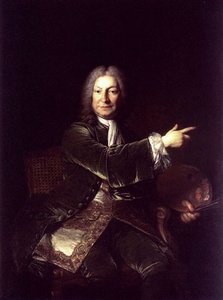
Robert Le Vrac de Tournières
1667 - 1752 , Frankreich
Kurzinfos
- Artistic Movement Or Style: Rokoko
- Artists Who Influenced This Artist:
- Lucas Delahaye
- Bon Boullogne
- Rigaud
- Godfried Schalken
- Gerard Dou
- Date Of Birth: 1667
- Date Of Death: 1752
- Full Name: Robert Le Vrac de Tournières
- Nationality: Französisch
- Notable Artworks:
- Invention of Drawing (1716)
- Familienbild
- Place Of Birth: Caen, Frankreich
Ähnliche Artikel

Goya: Die 25 Meisterwerke des spanischen Genies – Kunst für Ihr Zuhause | ArtsDot
Entdecken Sie die 25 Meisterwerke von Francisco Goya! Tauchen Sie ein in die düstere Romantik spanischer Malerei, Porträts & Historienbilder. Hochwertige Kunstdrucke auf ArtsDot.com – für Kunstliebhaber und stilvolles Wohnen.

Über uns
Entdecken Sie unsere Geschichte! Wir bringen Weltklasse-Kunst in Ihr Leben durch fachkundige Auswahl, individuelle Kreationen und kostenlose Vorschauen. Seit dem Jahr 2000 von Privatpersonen und Unternehmen geschätzt.
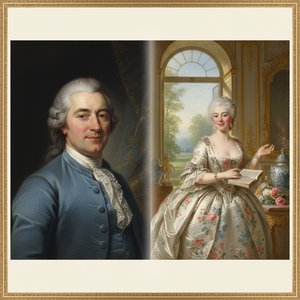
Maurice Quentin de La Tour: Licht, Schatten und die Intimität des Rokoko-Porträts
Entdecken Sie das Werk von Maurice Quentin de La Tour! Erfahren Sie mehr über seine innovative Pastelltechnik, die psychologische Tiefe seiner Porträts und seinen Einfluss auf die Rokoko-Malerei. Einblick in königliche Aufträge & sein Vermächtnis.

The Rococo Aesthetic: Opulence, Rebellion & the Pursuit of Pleasure in 18th-Century Art
Explore the opulent world of Rococo art! Discover its origins, key artists like Watteau & Boucher, and lasting influence on design. Expert insights for collectors & enthusiasts.

Rococo Meisterwerke: Die Top 10, die eine Epoche prägten |
Entdecken Sie die Top 10 Rokoko Meisterwerke von Watteau, Boucher & Fragonard! Erfahren Sie die Geschichten hinter diesen ikonischen Gemälden und lassen Sie sich für Ihre Inneneinrichtung inspirieren. Hochwertige Kunstdrucke auf .

