

 Vorschau anzeigen
 Versenden
 Teilen
 Details anzeigen

 Herunterladen
 Ähnliche Objekte
 Röntgenaufnahme
 Diashow
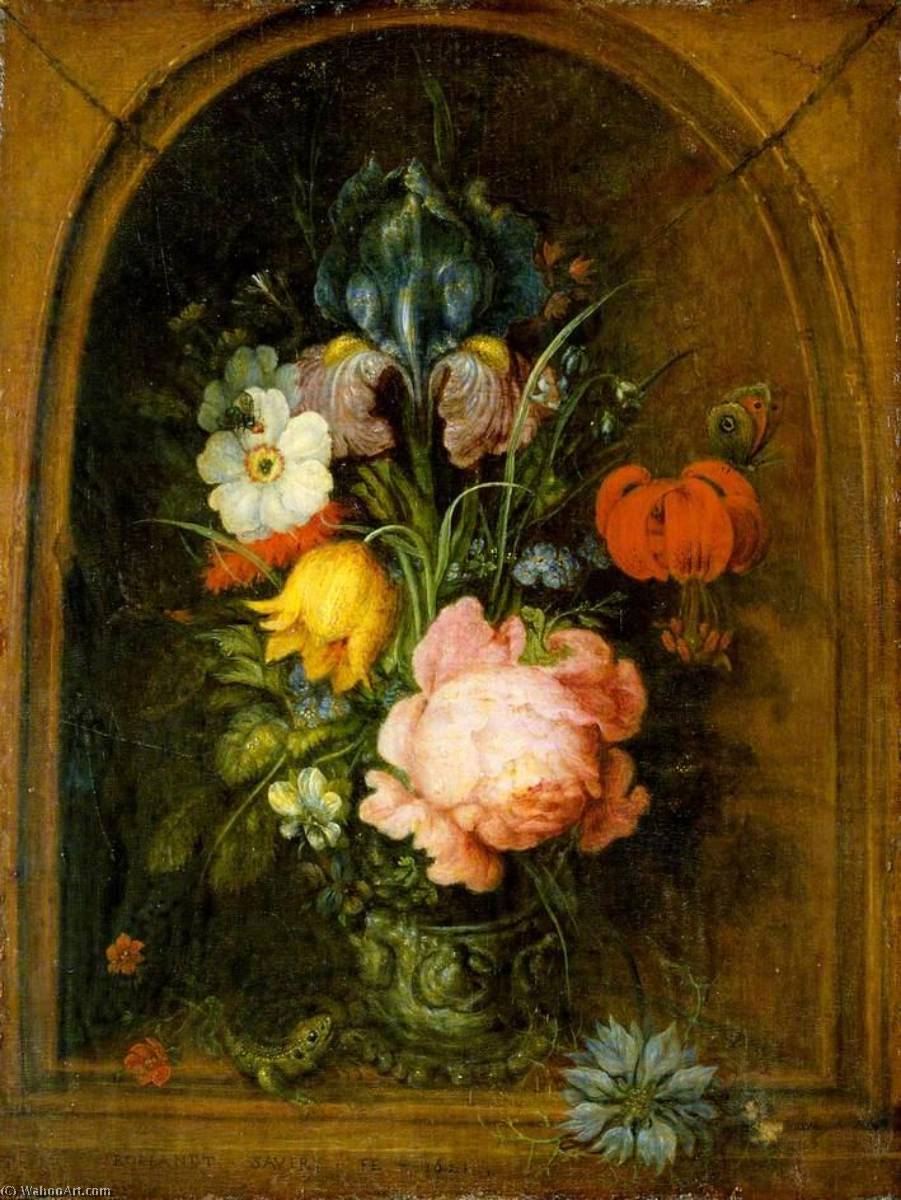
Flowers in a Niche

 Weiterlesen
Erwerben Sie ein hochauflösendes, optimiertes digitales Bild, das der Online-Vorschau weit überlegen ist.
Jede Datei wird von unseren hauseigenen Spezialisten mit modernsten Werkzeugen und fachmännischer manueller Retusche sorgfältig vorbereitet. Wir stellen sicher, dass jedes Bild eine außergewöhnliche Klarheit, präzise Farbgenauigkeit und feinste Details aufweist.
Die endgültige Datei wird innerhalb von 72 Stunden per E-Mail zugestellt und ist für den sofortigen Einsatz in professionellen, redaktionellen und Druckumgebungen optimiert. Es handelt sich um dieselbe Qualität, der führende Designstudios, Verlage und Galerien vertrauen.
Digitales Bild
Laden Sie eine hochauflösende Datei für die persönliche Präsentation, den Druck und kreative Projekte herunter. ( Druck bestellen Handgemalte Reproduktion bestellen)
In jeder Bestellung digitaler Bilder enthalten
Professionelle digitale Bereitstellung, garantiert
Wenn Sie sich für ArtsDot.com entscheiden, erhalten Sie nicht nur ein Bild – Sie erhalten ein professionell aufbereitetes digitales Kunstwerk, das mit höchster Präzision erstellt und durch eine Zufriedenheitsgarantie abgesichert wird. Hier ist alles, was automatisch mit Ihrer Bestellung geliefert wird:

Schnelle E-Mail-Zustellung
Ihre hochauflösende digitale Bilddatei wird Ihnen innerhalb von 72 Stunden nach der Bestellung per E-Mail zugestellt – bereit zur sofortigen Verwendung.

KI-optimierte digitale Datei
Ihre Kunstwerke werden professionell mithilfe fortschrittlicher KI-Tools und manueller Bearbeitung optimiert, um maximale Detailtreue, Klarheit und Farbgenauigkeit zu gewährleisten.

Lebenslanger kostenloser Neudruckservice
Datei versehentlich gelöscht oder verloren? Keine Sorge – wir senden sie Ihnen jederzeit kostenlos erneut zu.

Keine Einfuhrgebühren – jemals
Genießen Sie Ihr Kunstwerk sofort ohne Zollgebühren, Einfuhrabgaben oder Versandkosten – digitale Downloads sind immer steuerfrei.

Garantierte Farbtreue
Wir garantieren, dass Ihr digitales Bild mithilfe professioneller Werkzeuge und Farbmanagement die Originalfarben so präzise wie möglich wiedergibt.

60-Tage-Zufriedenheitsgarantie
Sollten Sie mit Ihrem digitalen Bild nicht zufrieden sein, werden wir es überarbeiten oder Ihnen innerhalb von 60 Tagen 100% erstatten – ohne Wenn und Aber.

100% Geld-zurück-Garantie
Nicht zufrieden? Erhalten Sie innerhalb von 60 Tagen nach Erhalt Ihrer digitalen Datei eine vollständige Rückerstattung – ohne Angabe von Gründen.

Rabatte bei Großbestellungen
3 Bilder kaufen, 10% sparen – 5 Bilder kaufen, 15% sparen – Ab 10 Bildern 20% sparen. Ideal für kreative Projekte, Galerien und Agenturen.
Details zum Sammlerstück
Artistic Style and Technique
Roelant Savery's artistic style is characterized by his use of rich colors and intricate details. In "Flowers in a Niche", he employs a range of techniques to create a sense of depth and texture, including the use of chiaroscuro and trompe l'oeil. The painting's composition is balanced and harmonious, with the flowers and insects arranged in a way that creates a sense of movement and energy.- The painting is part of the collection at the Victoria and Albert Museum in London.
- Roelant Savery was a Flemish painter and etcher who was known for his landscapes, animal subjects, and still lifes.
- The painting "Flowers in a Niche" is an example of the Flemish tradition of still life painting, which often featured flowers and other objects arranged in a decorative manner.
For more information on Roelant Savery and his works, visit /art/list/?Filter=AQR496-Roelant-Savery-Flowers-in-a-Niche. To learn more about the Victoria and Albert Museum, go to https://en.wikipedia.org/wiki/Victoria_and_Albert_Museum.
Conclusion
"Flowers in a Niche" by Roelant Savery is a beautiful and intricate painting that showcases the artist's skill and attention to detail. With its rich colors and balanced composition, it is a must-see for anyone interested in Flemish still life art. Whether you are an art historian or simply someone who appreciates beauty, "Flowers in a Niche" is sure to captivate and inspire.Ähnliche Kunstwerke
Biografie des Künstlers
Roelant Savery: A Flemish Master in the Dutch Golden Age
Born in Kortrijk, Belgium, around 1576 and tragically dying in Utrecht in 1639, Roelant Savery – often referred to as “de Savery” or simply Savery – stands as a compelling figure within the vibrant tapestry of the Dutch Golden Age. His life was one shaped by religious upheaval, artistic apprenticeship, and a remarkable ability to blend Flemish tradition with burgeoning Mannerist influences. More than just a painter, Savery became renowned for his distinctive illustrations, most notably his captivating depictions of the extinct dodo bird – images that continue to fascinate and inform our understanding of this unique period in art history.
Savery’s early life was profoundly impacted by the religious tensions of the time. Belonging to an Anabaptist family, he experienced the forced migration from Flanders to Haarlem around 1585, a common fate for those fleeing persecution under Spanish rule. This displacement shaped his artistic trajectory, exposing him to diverse influences and ultimately contributing to his distinctive style. His formal training began with his older brother, Jacob Savery – himself a respected painter – and the renowned Hans Bol, both masters of the Flemish tradition. These formative years instilled in him a deep appreciation for meticulous detail, rich color palettes, and a penchant for depicting scenes brimming with life and movement.
A Court Painter and Continental Explorer
Following his apprenticeship, Savery embarked on a journey that took him across Europe, culminating in a prestigious position as court painter to the emperors Rudolf II of Prague and Mathias of Vienna. This period proved pivotal, immersing him within the heart of Mannerist art – a style characterized by elongated figures, dramatic lighting, and an emphasis on symbolism and allegory. His time in Prague allowed him to study alongside some of the era’s most influential artists, absorbing their techniques and expanding his artistic horizons. He also traveled to Tyrol, dedicating himself to the detailed observation and documentation of flora, a skill that would later inform his stunning botanical illustrations.
Gillis d'Hondecoeter became Savery’s devoted pupil during this period, further solidifying the transmission of Flemish artistic principles. The influence of Hans Bol remained strong, particularly in Savery’s landscapes – characterized by their meticulous rendering of animals, plants, and architectural details. These works weren’t merely representations; they were carefully constructed narratives, often imbued with mythological or biblical themes, creating a rich visual language for the viewer.
The Utrecht Period: Landscapes, Still Lifes, and Dodos
Returning to Amsterdam in 1616, Savery established himself in Utrecht, where he quickly gained recognition as one of the city’s most successful painters. His studio became a hub of artistic activity, attracting fellow artists like Adam Willaerts and fostering a collaborative environment. The large house he acquired on Boterstraat was not just a residence; it served as a vibrant atelier, complete with a flourishing garden – a veritable living laboratory for his botanical studies and a gathering place for artistic discourse.
Savery’s oeuvre is remarkably diverse, encompassing meticulously rendered landscapes in the tradition of Gillis van Coninxloo, often embellished with an astonishing array of animals and plants. He was equally celebrated for his exquisite flower still lifes – elaborate arrangements presented within stone niches or on rustic tables, frequently incorporating intriguing elements like lizards and insects. However, it’s perhaps his illustrations of the dodo that have secured his enduring fame. His depictions, particularly those from 1626, are considered among the most iconic representations of this extinct bird, captivating audiences for centuries to come. These images weren't simply scientific records; they were imbued with a sense of wonder and fascination, reflecting Savery’s artistic sensibility.
Legacy and Influence
Despite his considerable success, Savery’s later life was marked by financial difficulties and personal struggles, possibly exacerbated by excessive drinking. He ultimately faced bankruptcy in 1638 and passed away shortly thereafter. However, his legacy endures through the remarkable quality of his work and his profound influence on subsequent generations of artists. His nephew, Hans Savery (known as Jan Savery), continued the family tradition, further developing the genre of animal painting and producing equally compelling dodo illustrations. Roelant Savery’s art continues to be studied and admired for its technical brilliance, its evocative atmosphere, and its unique blend of Flemish tradition and Mannerist innovation – a testament to the enduring power of his artistic vision.
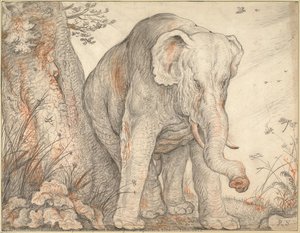
roelant savery
1576 - 1639
Kurzinfos
- Artistic Movement Or Style: Flemish, Mannerist
- Artists Or Movements Influenced By This Artist: ['Roelant Roghman']
- Artists Who Influenced This Artist:
- Hans Bol
- Gillis van Coninxloo
- Date Of Birth: 1576
- Date Of Death: 1639
- Full Name: Roelant Savery
- Nationality: Dutch
- Notable Artworks:
- Het Gulden Cabinet
- Dodo Illustrations
- Place Of Birth: Kortrijk, Flanders

