 Vorschau anzeigen
 Versenden
 Teilen
 Details anzeigen

 Herunterladen
 Ähnliche Objekte
 Röntgenaufnahme
 Diashow
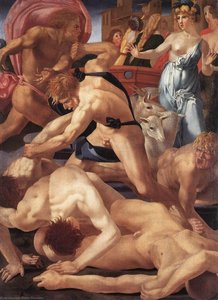
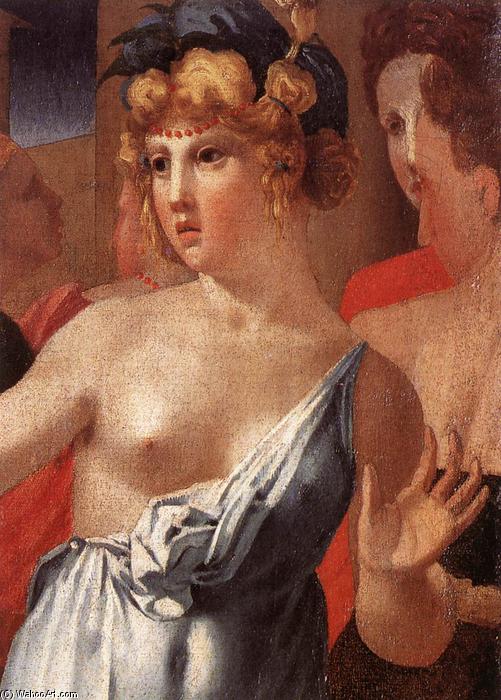
Moses Defending the Daughters of Jethro (detail)


 Weiterlesen
Giclée / Kunstdruck
Giclée- oder Leinwanddruck in Museumsqualität mit schneller Produktion und flexiblen Veredelungsoptionen. ( Handgemalte Reproduktion bestellen Bild kaufen)




P118B $10

P118H $10

P118W $10

P438Z $10

P508JH $12

P508YH $12

P805H $10

P805Z $10

P919BZ $10

P919G $10

P919XJ $10

P959ZH $10

P968JZ $12

W106C $8

W218G $10

W218JH $8

W218Y $10

W307PJ $10

W316G $10

W316PJ $8

W316Y $10

W398PJ $8

W4111J $10

W500HY $15

W500JH $15

W692G $12

W849H $8

W940BG $15

W953PJ $8




Wählen Sie aus unseren vordefinierten Formaten, die den ursprünglichen Proportionen des Kunstwerks entsprechen.

Sie können Ihre eigenen Maße eingeben, um ein bestimmtes Format oder einen speziellen Platz einzupassen. Wenn das von Ihnen gewählte Format nicht den Proportionen des Originalbildes entspricht, werden wir das Kunstwerk entweder beschneiden oder das Bild mit einem gespiegelten oder einfarbigen Rand erweitern. Ein digitaler Entwurf wird Ihnen zur Genehmigung zugesandt, bevor die Produktion beginnt.
Bitte beachten Sie, dass die Vorschau auf dem Bildschirm nicht den tatsächlichen Zuschnitt oder die Erweiterung widerspiegelt. Nur der Entwurf zeigt die endgültige Komposition präzise an.
Obwohl Sondermaße verfügbar sind, empfehlen wir die Auswahl eines Maßes aus der vordefinierten Liste, um die ursprünglichen Proportionen zu bewahren.
Weltweiter Versand () innerhalb von 2 Wochen statt der üblichen 4/5 Wochen. (26 August)

Kostenloser weltweiter Expressversand

Hochwertige Leinenleinwand

Umfassender Versicherungsschutz beim Versand

Zollgebühren-Rückerstattungsgarantie

Garantie für exakte Farbtreue

60 Tage Rückgaberecht (nur bei Mängeln)

100% Geld-zurück-Garantie

Mengenrabatt verfügbar
 Die Glasoption ist nur für Größen unter 110 cm verfügbar.

Moses Defending the Daughters of Jethro (detail)
Giclée / Kunstdruck
Format der Reproduktion
-


Gesamtpreis
$ 62
Sammlerstück-Beschreibung
A Dramatic Encounter Between Heroism and Vulnerability
In the heart of the Florentine Renaissance, where the serene balance of High Renaissance ideals began to fracture into something more turbulent and expressive, lies a masterpiece of profound emotional intensity. Rosso Fiorentino’s “Moses Defending the Daughters of Jethro” is not merely a depiction of a biblical encounter; it is a visceral exploration of tension, movement, and the human spirit. This particular detail captures a moment frozen in time, where the heroic strength of Moses meets the quiet, watchful presence of one of Jethro's daughters. The scene vibrates with an energy that transcends its 1523 origins, offering a window into a period of artistic revolution known as Mannerism.
The composition is a masterclass in the manipulation of light and shadow to evoke drama. As we gaze upon the central figures, the eye is immediately drawn to the striking contrast between the deep, saturated blues of Moses's garment and the luminous, ethereal whites of the daughter's attire. This interplay of color does more than provide visual interest; it establishes a psychological landscape. The way the light catches the folds of the fabric and the subtle contours of the faces creates a sense of three-dimensionality that feels almost sculptural, pulling the viewer into the very heat of the confrontation.
The Emergence of Mannerist Innovation
To understand this work, one must understand the "Red Florentine" himself. Trained in the prestigious workshop of Andrea del Sarto, Rosso Fiorentino was a pioneer who sought to move beyond the predictable harmony of his predecessors. In this painting, we see the early hallmarks of Mannerism—a style characterized by elongated forms, unexpected color palettes, and a deliberate departure from classical equilibrium. The way Moses is depicted in profile, with a serious, focused gaze and a raised staff, suggests a sudden, decisive action that disrupts the stillness of the background.
The technique employed here is nothing short of breathtaking. The artist utilizes rich, vibrant pigments that retain their brilliance centuries later, creating a palette that feels both ancient and strikingly modern. There is an intentionality in the way the figures are positioned; they do not sit comfortably within a naturalistic space but rather inhabit a world of heightened artifice and emotional weight. For the discerning collector or interior designer, this piece offers a sophisticated focal point—a work that commands attention through its complexity and refuses to be ignored by the casual observer.
A Timeless Presence for the Modern Collector
Beyond its historical significance, “Moses Defending the Daughters of Jethro” possesses an enduring emotional resonance. It speaks to the universal themes of protection, courage, and the meeting of disparate worlds. The daughter's expression—calm, attentive, yet perhaps slightly wary—provides a poignant counterpoint to Moses's assertive stance. This duality makes the artwork incredibly versatile for high-end decor; it can serve as a profound conversation piece in a formal study or add a layer of historical depth and intellectual rigor to a contemporary living space.
Owning a high-quality reproduction of this detail allows one to bring the spirit of the Uffizi Gallery into a private collection. It is an invitation to contemplate the transition from the stability of the Renaissance to the expressive unrest of the modern era. Whether you are drawn to the technical brilliance of the brushwork, the dramatic narrative of the subject matter, or the bold, emotive color palette, this work stands as a testament to the enduring power of Italian masterworks to inspire awe and reflection in the modern age.
Ähnliche Kunstwerke
Über den Künstler
Rosso Fiorentino: Eine Biografie
- Name: Rosso Fiorentino (Giovanni Battista di Jacopo)
- Geboren: 8. März 1495, Florenz, Italien
- Gestorben: 14. November 1540, Fontainebleau, Frankreich
Frühes Leben und Ausbildung
- Rosso Fiorentino, dessen Name sich auf „Roter Florentiner“ bezieht, aufgrund seiner charakteristischen roten Haare, begann seine künstlerische Reise in Florenz.
- Er erhielt seine anfängliche Ausbildung im angesehenen Atelier von Andrea del Sarto, einer führenden Figur der florentinischen Renaissance-Malerei.
- Diese Zeit brachte ihn neben einem anderen bedeutenden Künstler seiner Zeit, Pontormo zusammen und förderte ein gemeinsames Umfeld künstlerischer Erkundung und Entwicklung.
- Der Einfluss der Florentiner Kunstschule während dieser prägenden Jahre prägte maßgeblich seinen zukünftigen Stil.
Künstlerischer Stil und Einflüsse
- Rosso Fiorentinos Werk zeichnet sich durch seine dramatische Intensität, den kühnen Einsatz von Farbe und den eindringlichen emotionalen Ausdruck aus.
- Er integrierte häufig Selbstporträts in seine Kompositionen und stellte sich oft als eine Schlüsselfigur innerhalb der Erzählung dar.
- Der Künstler wurde stark von den Werken Michelangelos und Raffaels beeinflusst, was insbesondere in seiner Beherrschung des chiaroscuro – der Technik, starke Kontraste zwischen Licht und Schatten zu nutzen, um Tiefe und Volumen zu erzeugen – deutlich wird.
- Sein Stil gilt als Teil der Manierismus-Bewegung, die im 16. Jahrhundert als Reaktion auf den Schwerpunkt des Hochrenaissancestils auf Ausgewogenheit und Harmonie entstand. Der Manierismus bevorzugte langgestreckte Formen, verzerrte Perspektiven und gesteigerte Emotionalität.
Bemerkenswerte Werke und Leistungen
- Die Kreuzabnahme: Dieses Gemälde gilt als eines der Meisterwerke Rosso Fiorentinos und veranschaulicht seinen einzigartigen Stil durch seine dramatische Beleuchtung und die emotional aufgeladene Darstellung der Szene.
- Elefant, Schloss Fontainebleau: Diese Arbeit zeigt seine Fähigkeit, das Wesen seiner Motive mit bemerkenswerter Detailtreue und Realismus einzufangen. Sie unterstreicht auch seine spätere Karriere in Frankreich.
- Moses und die Töchter Jethros: Demonstriert eine komplexe Komposition und emotionale Tiefe, die für seinen reifen Stil charakteristisch sind.
- Seine Beiträge zur Dekoration des Schlosses Fontainebleau waren bedeutend, obwohl sie durch seinen frühen Tod tragisch verkürzt wurden.
Vermächtnis und historische Bedeutung
- Rosso Fiorentinos Einfluss erstreckte sich über sein Leben hinaus und beeinflusste nachfolgende Generationen von Künstlern.
- Francesco Primaticcio, der ihm als führender Künstler im Schloss Fontainebleau folgte, wurde maßgeblich von Rosso's Stil beeinflusst.
- Seine Arbeit spielte eine entscheidende Rolle bei der Entwicklung und Popularisierung des Manierismus und trug zu dessen Betonung von dramatischem Ausdruck und künstlerischer Innovation bei.
- Rosso Fiorentinos Gemälde sind in verschiedenen Museen und Sammlungen auf der ganzen Welt zu finden, darunter die Galleria Nazionale d'Arte Moderna e Contemporanea in Rom.
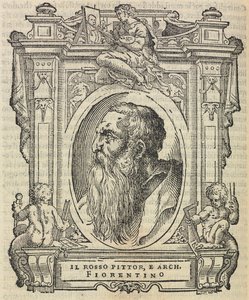
Rosso Fiorentino
1495 - 1540 , Italien
Kurzinfos
- Beeinflusste Künstler:
- Michelangelo
- Raphael
- Andrea del Sarto
- Bemerkenswerte Werke:
- Die Absetzung
- Elefant, Fontainebleau
- Moses und Jethros Töchter
- Geburtsdatum: 8. März 1495
- Geburtsort: Florenz, Italien
- Künstlerischer Stil: Manierismus
- Nationalität: Italienisch
- Sterbedatum: 14. November 1540
- Vollständiger Name: Rosso Fiorentino
- Von Ihm Beeinflusste Künstler: ['Francesco Primaticcio']
Ähnliche Artikel

Giclée Prints: Archival Quality & Aesthetic Nuances for the Discerning Collector
Explore the world of giclée prints with ArtsDot. Learn about archival quality, aesthetic nuances & investment potential. Expert guidance for discerning art collectors seeking museum-quality reproductions and lasting value.

The Enduring Legacy of Fine Art Prints: Technique, History & Aesthetic Impact
Explore the rich history & techniques of fine art prints. Discover investment potential, assess authenticity, and learn how to preserve your collection with expert guidance. Trusted insights for discerning collectors.

Echoes of Time: Exploring the Enduring Appeal & Historical Context of Vintage Art Prints
Explore the captivating world of vintage art prints! Discover their history, collecting tips & enduring appeal. Expert insights on chromolithography and building a legacy collection with ArtsDot.
The Enduring Legacy of Printmaking: Techniques, Themes & Artistic Innovation Across Centuries
Explore the rich history of printmaking with ArtsDot. Discover techniques from intaglio to lithography, learn about collecting valuable prints & find museum-quality reproductions. Expert insights for art enthusiasts and collectors.
The Enduring Legacy of Woodblock Printmaking: Technique, History & Artistic Expression
Explore the rich history of woodblock printmaking – from ancient techniques to Ukiyo-e masterpieces. Discover expert insights on collecting, preserving & appreciating this enduring art form.