 Vorschau anzeigen
 Versenden
 Teilen
 Details anzeigen

 Herunterladen
 Ähnliche Objekte
 Röntgenaufnahme
 Diashow
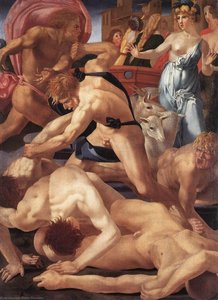
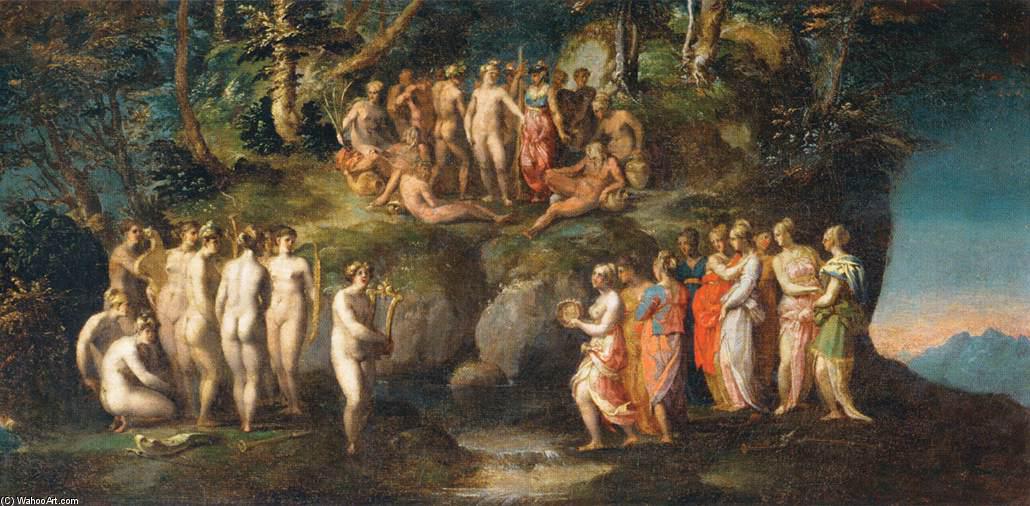
The Contest of the Pierides
 Oil On Canvas
- WallArt
- Mannerist Painting
 31.0 x 63.0 cm
 Louvre
 Weiterlesen
Handgefertigte Ölreproduktion
Handgemaltes Ölgemälde auf Leinwand in Ihrer Wunschgröße und mit Rahmen, auf Bestellung von unseren Künstlern angefertigt. ( Druck bestellen Bild kaufen)




P118B $10

P118H $10

P118W $10

P438Z $10

P508JH $12

P508YH $12

P805H $10

P805Z $10

P919BZ $10

P919G $10

P919XJ $10

P959ZH $10

P968JZ $12

W106C $8

W218G $10

W218JH $8

W218Y $10

W307PJ $10

W316G $10

W316PJ $8

W316Y $10

W398PJ $8

W4111J $10

W500HY $15

W500JH $15

W692G $12

W849H $8

W940BG $15

W953PJ $8




Wählen Sie aus unseren vordefinierten Formaten, die den ursprünglichen Proportionen des Kunstwerks entsprechen.

Sie können Ihre eigenen Maße eingeben, um einen bestimmten Rahmen oder Platz auszufüllen. Wenn die gewählte Größe nicht den Proportionen des Originalbildes entspricht, werden wir das Kunstwerk entweder beschneiden oder das Gemälde durch zusätzliche, handgemalte Elemente erweitern. Ein digitales Mockup wird Ihnen zur Genehmigung zugesandt, bevor die Produktion beginnt.
Bitte beachten Sie, dass die Bildschirmvorschau nicht die tatsächliche Beschneidung oder Erweiterung widerspiegelt. Nur das Mockup zeigt die endgültige Komposition exakt an.
Obwohl Sondermaße verfügbar sind, empfehlen wir, eine Größe aus der vordefinierten Liste zu wählen, um die ursprünglichen Proportionen beizubehalten.
Nach der Bestellung wird das ArtsDot.com-Team dem Kunden Anweisungen per E-Mail zusenden und eine Mockup-Vorschau bereitstellen.
Weltweiter Versand () in nur 3 bis 4 Wochen statt der üblichen 5 Wochen. (6 September). Keine Kompromisse bei der Qualität.

Kostenloser weltweiter Expressversand

Hochwertige Leinenleinwand

Umfassender Versicherungsschutz beim Versand

Zollgebühren-Rückerstattungsgarantie

Garantie für exakte Farbtreue

60 Tage Rückgaberecht (nur bei Mängeln)

100% Geld-zurück-Garantie

Mengenrabatt verfügbar
 Die Glasoption ist nur für Größen unter 110 cm verfügbar.

The Contest of the Pierides
Art der Reproduktion
Format der Reproduktion
-


Gesamtpreis
$ 263
The Contest of the Pierides: A Dance of Fate in Rosso Fiorentino’s Florentine Drama
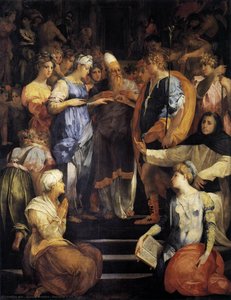
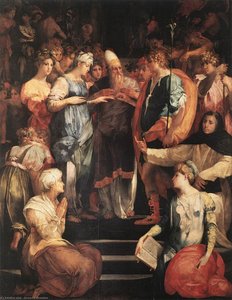
Rosso Fiorentino's "The Contest of the Pierides," painted around 1523-1524, isn't merely a depiction of a mythological scene; it’s a meticulously crafted tableau brimming with psychological intensity and a palpable sense of impending doom. Housed within the Louvre Museum in Paris, this monumental work offers a rare glimpse into the turbulent heart of the Florentine Mannerist style – a period where classical restraint yielded to an embrace of emotionalism, distortion, and dramatic narrative. The painting captures a pivotal moment from Greek mythology: the challenge issued by King Pierides to the nine Muses, resulting in their transformation into magpies and jackdaws, forever silencing their voices.
At first glance, the composition appears chaotic – a swirling mass of figures caught in a frenzied contest. However, closer observation reveals a carefully orchestrated drama. The central focus is undeniably Pierides himself, a powerfully built figure radiating an almost aggressive determination as he gestures towards the Muses. His posture and expression suggest not just a challenge but a deep-seated frustration, perhaps even a touch of wounded pride. The Muses, represented by Calliope at the center, are depicted with varying degrees of composure – some frozen in elegant poses, others reacting with palpable dismay. The surrounding figures—servants, onlookers, and attendants—add layers to the scene, creating a dynamic network of interactions that heighten the sense of urgency.
A Masterclass in Mannerist Technique
Rosso Fiorentino’s mastery lies not just in his narrative skill but also in his innovative use of technique. He employs a complex layering of figures, utilizing overlapping forms and dramatic foreshortening to create an illusion of depth and movement. The color palette is dominated by earthy tones – ochres, browns, and siennas— punctuated by flashes of vibrant blue and green, particularly in the drapery and the distant landscape. These colors aren’t used for decorative effect; they serve to amplify the drama and contribute to the painting's overall sense of unease. Notice how he uses light and shadow not just to define forms but also to sculpt volumes and create a palpable atmosphere of tension.
The brushwork is remarkably expressive, characterized by loose, gestural strokes that convey a sense of immediacy and spontaneity. Rosso’s technique departs significantly from the smooth, polished surfaces favored by his Renaissance predecessors. Instead, he embraces a more tactile approach, imbuing the painting with a raw energy that reflects the emotional turmoil at its core. The figures are rendered with an almost sculptural quality, their bodies elongated and distorted to emphasize their psychological states.
Symbolism of Discord and Fate
Beyond the literal depiction of the myth, “The Contest of the Pierides” is rich in symbolic meaning. The challenge itself represents a struggle for dominance – not just between King Pierides and the Muses but also between order and chaos, reason and emotion. The transformation of the Muses into birds symbolizes the silencing of beauty and creativity, suggesting a world increasingly dominated by conflict and discord. The chaotic composition mirrors this sense of instability, reflecting the turbulent political and social climate of Florence during Rosso’s time.
Furthermore, the painting can be interpreted as an allegory for the artistic struggles of the Renaissance itself. The Muses, traditionally associated with inspiration and patronage, are now silenced by a forceful figure—a potent metaphor for the challenges faced by artists seeking recognition in a world increasingly dominated by classical ideals. The frenzied activity and distorted figures reflect the anxieties and uncertainties that characterized this period of transition.
A Window into a Dramatic World
“The Contest of the Pierides” is more than just a historical painting; it’s a profound exploration of human psychology and the forces shaping our lives. Rosso Fiorentino's ability to capture such intense emotion within a complex composition is truly remarkable. Reproductions, while unable to fully replicate the original’s visceral impact, can still offer a compelling glimpse into this dramatic world. Consider framing your reproduction in a dark color scheme to enhance the painting’s inherent sense of mystery and foreboding – a fitting tribute to one of the most captivating figures of the Florentine Mannerist movement.
Ähnliche Kunstwerke
Über den Künstler
Rosso Fiorentino: Eine Biografie
- Name: Rosso Fiorentino (Giovanni Battista di Jacopo)
- Geboren: 8. März 1495, Florenz, Italien
- Gestorben: 14. November 1540, Fontainebleau, Frankreich
Frühes Leben und Ausbildung
- Rosso Fiorentino, dessen Name sich auf „Roter Florentiner“ bezieht, aufgrund seiner charakteristischen roten Haare, begann seine künstlerische Reise in Florenz.
- Er erhielt seine anfängliche Ausbildung im angesehenen Atelier von Andrea del Sarto, einer führenden Figur der florentinischen Renaissance-Malerei.
- Diese Zeit brachte ihn neben einem anderen bedeutenden Künstler seiner Zeit, Pontormo zusammen und förderte ein gemeinsames Umfeld künstlerischer Erkundung und Entwicklung.
- Der Einfluss der Florentiner Kunstschule während dieser prägenden Jahre prägte maßgeblich seinen zukünftigen Stil.
Künstlerischer Stil und Einflüsse
- Rosso Fiorentinos Werk zeichnet sich durch seine dramatische Intensität, den kühnen Einsatz von Farbe und den eindringlichen emotionalen Ausdruck aus.
- Er integrierte häufig Selbstporträts in seine Kompositionen und stellte sich oft als eine Schlüsselfigur innerhalb der Erzählung dar.
- Der Künstler wurde stark von den Werken Michelangelos und Raffaels beeinflusst, was insbesondere in seiner Beherrschung des chiaroscuro – der Technik, starke Kontraste zwischen Licht und Schatten zu nutzen, um Tiefe und Volumen zu erzeugen – deutlich wird.
- Sein Stil gilt als Teil der Manierismus-Bewegung, die im 16. Jahrhundert als Reaktion auf den Schwerpunkt des Hochrenaissancestils auf Ausgewogenheit und Harmonie entstand. Der Manierismus bevorzugte langgestreckte Formen, verzerrte Perspektiven und gesteigerte Emotionalität.
Bemerkenswerte Werke und Leistungen
- Die Kreuzabnahme: Dieses Gemälde gilt als eines der Meisterwerke Rosso Fiorentinos und veranschaulicht seinen einzigartigen Stil durch seine dramatische Beleuchtung und die emotional aufgeladene Darstellung der Szene.
- Elefant, Schloss Fontainebleau: Diese Arbeit zeigt seine Fähigkeit, das Wesen seiner Motive mit bemerkenswerter Detailtreue und Realismus einzufangen. Sie unterstreicht auch seine spätere Karriere in Frankreich.
- Moses und die Töchter Jethros: Demonstriert eine komplexe Komposition und emotionale Tiefe, die für seinen reifen Stil charakteristisch sind.
- Seine Beiträge zur Dekoration des Schlosses Fontainebleau waren bedeutend, obwohl sie durch seinen frühen Tod tragisch verkürzt wurden.
Vermächtnis und historische Bedeutung
- Rosso Fiorentinos Einfluss erstreckte sich über sein Leben hinaus und beeinflusste nachfolgende Generationen von Künstlern.
- Francesco Primaticcio, der ihm als führender Künstler im Schloss Fontainebleau folgte, wurde maßgeblich von Rosso's Stil beeinflusst.
- Seine Arbeit spielte eine entscheidende Rolle bei der Entwicklung und Popularisierung des Manierismus und trug zu dessen Betonung von dramatischem Ausdruck und künstlerischer Innovation bei.
- Rosso Fiorentinos Gemälde sind in verschiedenen Museen und Sammlungen auf der ganzen Welt zu finden, darunter die Galleria Nazionale d'Arte Moderna e Contemporanea in Rom.
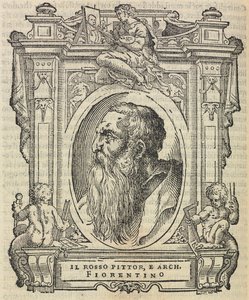
Rosso Fiorentino
1495 - 1540 , Italien
Kurzinfos
- Beeinflusste Künstler:
- Michelangelo
- Raphael
- Andrea del Sarto
- Bemerkenswerte Werke:
- Die Absetzung
- Elefant, Fontainebleau
- Moses und Jethros Töchter
- Geburtsdatum: 8. März 1495
- Geburtsort: Florenz, Italien
- Künstlerischer Stil: Manierismus
- Nationalität: Italienisch
- Sterbedatum: 14. November 1540
- Vollständiger Name: Rosso Fiorentino
- Von Ihm Beeinflusste Künstler: ['Francesco Primaticcio']
Ähnliche Artikel
Mannerism: Bridging Renaissance Harmony & Baroque Drama – A Study of Style & Affectation
Explore the fascinating world of Mannerism! Discover its key characteristics, pioneering artists like Pontormo & Bronzino, and its pivotal role in bridging Renaissance harmony to Baroque drama. A comprehensive guide for art enthusiasts.
Renaissance Mannerism: Style, Subtlety & the Transition from Harmony to Artifice
Explore the captivating world of Renaissance Mannerism! Discover its key characteristics, pioneering artists like Pontormo & Bronzino, and its pivotal role in art history. Expert insights & museum-quality reproductions at ArtsDot.
Mannerismus Meisterwerke: Die Top 10, die Kunstgeschichte prägten | ArtsDot
Entdecken Sie die Top 10 Meisterwerke des Mannerismus! Pontormo, Rosso Fiorentino & Co. prägten eine neue Eleganz in der Kunst. Erfahren Sie mehr über Künstler, Techniken und bestellen Sie hochwertige Reproduktionen auf ArtsDot.com.
Mario Sironi: Eine Poetik der modernen italienischen Identität zwischen Symbolismus und Gesellschaftskritik
Entdecken Sie Mario Sironis wegweisendes Werk und seine Auseinandersetzung mit der italienischen Identität. Analysen, Biografie, Novecento Italiano & die politische Dimension – Expertenwissen auf ArtsDot.
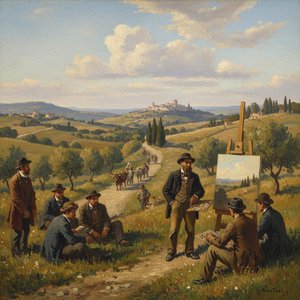
Giovanni Fattori: Realismus, Identität und die toskanische Landschaft – Ein Meister der Macchiaioli
Entdecken Sie Giovanni Fattori und die Macchiaioli! Erfahren Sie mehr über den italienischen Realismus, seine historischen Wurzeln und die einzigartige Darstellung der toskanischen Landschaft. Expertenwissen für Kunstliebhaber.