

 Vorschau anzeigen
 Versenden
 Teilen
 Details anzeigen

 Herunterladen
 Ähnliche Objekte
 Röntgenaufnahme
 Diashow
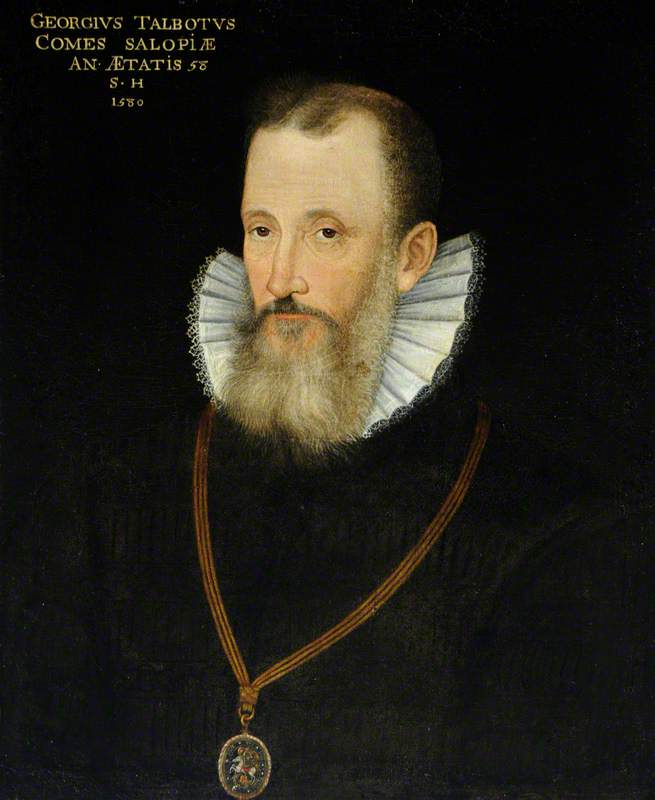
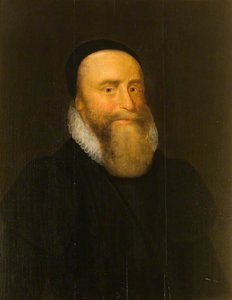
George Talbot (1528–1590), 6th Earl of Shrewsbury (after an earlier painting of 1580)
 Elizabethan Portraiture
 69.0 x 53.0 cm
 National Trust
 Weiterlesen
Handgefertigte Ölreproduktion
Handgemaltes Ölgemälde auf Leinwand in Ihrer Wunschgröße und mit Rahmen, auf Bestellung von unseren Künstlern angefertigt. ( Druck bestellen Bild kaufen)




































Wählen Sie aus unseren vordefinierten Formaten, die den ursprünglichen Proportionen des Kunstwerks entsprechen.

Sie können Ihre eigenen Maße eingeben, um einen bestimmten Rahmen oder Platz auszufüllen. Wenn die gewählte Größe nicht den Proportionen des Originalbildes entspricht, werden wir das Kunstwerk entweder beschneiden oder das Gemälde durch zusätzliche, handgemalte Elemente erweitern. Ein digitales Mockup wird Ihnen zur Genehmigung zugesandt, bevor die Produktion beginnt.
Bitte beachten Sie, dass die Bildschirmvorschau nicht die tatsächliche Beschneidung oder Erweiterung widerspiegelt. Nur das Mockup zeigt die endgültige Komposition exakt an.
Obwohl Sondermaße verfügbar sind, empfehlen wir, eine Größe aus der vordefinierten Liste zu wählen, um die ursprünglichen Proportionen beizubehalten.
Nach der Bestellung wird das ArtsDot.com-Team dem Kunden Anweisungen per E-Mail zusenden und eine Mockup-Vorschau bereitstellen.
Weltweiter Versand () in nur 3 bis 4 Wochen statt der üblichen 5 Wochen. (4 September). Keine Kompromisse bei der Qualität.

Kostenloser weltweiter Expressversand

Hochwertige Leinenleinwand

Umfassender Versicherungsschutz beim Versand

Zollgebühren-Rückerstattungsgarantie

Garantie für exakte Farbtreue

60 Tage Rückgaberecht (nur bei Mängeln)

100% Geld-zurück-Garantie

Mengenrabatt verfügbar
 Die Glasoption ist nur für Größen unter 110 cm verfügbar.

George Talbot (1528–1590), 6th Earl of Shrewsbury (after an earlier painting of 1580)
Art der Reproduktion
Format der Reproduktion
-


Gesamtpreis
$ 263
Ähnliche Kunstwerke
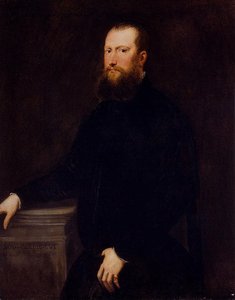
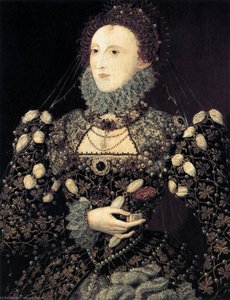
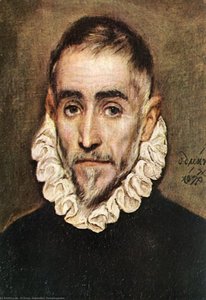
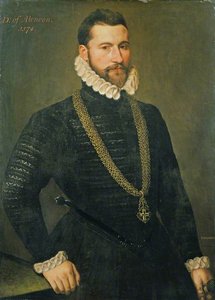

Über den Künstler
The Quiet Master of Tudor Portraiture
In the grand, gilded tapestry of the English Renaissance, certain names shine with an unshakeable brilliance, while others linger in the soft shadows of history, possessing a subtle, enduring grace. Rowland Lockey (c. 1565–1616) belongs to that second, more mysterious category. A figure often discussed in the periphery of much larger luminaries, Lockey was an artist whose hands bridged the gap between the meticulous precision of the early Tudor era and the burgeoning dynamism of the Jacobean age. Born likely in London, the son of a skilled crossbow maker, Lockey’s journey from the workshops of Fleet Street to the prestigious circles of the royal court is a testament to the vibrant, interconnected nature of Elizabethan craftsmanship.
His artistic identity was forged in the crucible of an apprenticeship that placed him at the very heart of English aesthetic evolution. Beginning in 1581, Lockey studied under Nicholas Hilliard, the legendary miniaturist to Queen Elizabeth I. This formative period was far more than a mere technical education; it was an immersion into a world where every glint of gold and every delicate line of vellum held profound political and social meaning. Under Hilliard’s tutelage, Lockey mastered the art of the subtle—learning how to manipulate light and layer glazes to create a sense of depth and vitality that could breathe life into a flat surface. This training as both a painter and a goldsmith endowed his work with a unique tactile quality, blending the precision of metalwork with the fluid elegance of oil painting.
A Legacy of Reinterpretation and Devotion
While Lockey is frequently categorized as a copyist, such a label fails to capture the soulful nuance he brought to his subjects. His most celebrated achievements lie in his monumental reproductions of Hans Holbein the Younger’s iconic works, most notably the "Family of Sir Thomas More." In these large-scale canvases, Lockey did not merely replicate; he reinterpreted. Where Holbein’s original captured a frozen, solemn dignity, Lockey’s versions introduced a subtle shift in expression and pose, infusing the figures with a newfound energy that resonated with the changing spirit of the late Tudor period. His ability to inhabit the style of his predecessors while injecting a contemporary vitality is what marks him as a true master of his craft.
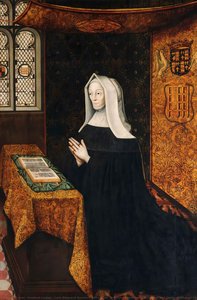
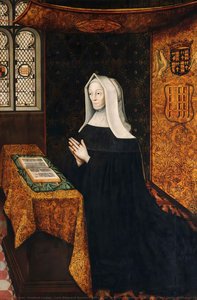
Beyond these grand family portraits, Lockey’s oeuvre includes deeply moving individual studies that capture the spiritual and political weight of his era. His depiction of Lady Margaret Beaufort at Prayer stands as a pinnacle of his ability to convey profound intimacy. In this work, he strips away the clamor of courtly life to present a moment of solitary, sacred devotion. Through the masterful use of texture—the heavy folds of black robes contrasted against the crispness of white linen—he creates a space where the viewer feels the very weight of history and piety. This capacity to balance the opulence of noble status with the vulnerability of human emotion is the hallmark of his enduring significance.
The Intersection of Craft and Courtly Life
Lockey’s professional life was deeply intertwined with the prestigious guilds of London, having achieved the status of a freeman of the Worshipful Company of Goldsmiths by 1600. This dual identity as an artist and a goldsmith allowed him to serve the fashionable long galleries of great English houses, providing the essential visual lineage that noble families required to assert their legitimacy and heritage. His work functioned as a vital component of the Tudor social fabric, creating sets of oil paintings that documented the continuity of power and bloodlines.
Ultimately, the historical importance of Rowland Lockey lies in his role as a custodian of the English portrait tradition. He stood at the crossroads of eras, preserving the meticulous techniques of the 16th century while preparing the way for the more expressive styles of the 17th. Though he may remain eclipsed by the giants of the Renaissance, his contributions—characterized by a quiet, meticulous brilliance—continue to offer historians and art lovers a window into the soul of the Tudor and Jacobean worlds.
rowland lockey
1565 - 1616
Kurzinfos
- Artistic Movement Or Style: Tudor Portraiture; Flemish Renaissance
- Artists Or Movements Influenced By This Artist: ['Dutch painters']
- Artists Who Influenced This Artist:
- Hans Holbein Jr.
- Nicholas Hilliard
- Date Of Death: 1616
- Full Name: Rowland Lockey
- Nationality: English
- Notable Artworks:
- Sir Thomas More & James I
- George Talbot (1528–1590)
- Mary, Queen of Scots
- Sheffield portrait
- Place Of Birth: London, England
Ähnliche Artikel

The Enduring Legacy of Oil on Canvas: Technique, History & Aesthetic Impact
Explore the rich history & techniques of oil painting – from Renaissance masters to Impressionism. Discover pigments, layering methods, and why this timeless medium endures. Expert insights for artists & art enthusiasts.

Öl auf Leinwand: Eine historische und technische Erkundung eines zeitlosen künstlerischen Mediums
Entdecken Sie die faszinierende Welt der Ölmalerei! Von historischen Techniken bis zur modernen Anwendung – wir bieten Expertenwissen, Restaurierungstipps und hochwertige Reproduktionen. Jetzt informieren!

The Enduring Power of Painting: A Historical & Contemporary Exploration of Form and Emotion
Explore the rich history & enduring techniques of oil painting with ArtsDot. Discover masterpieces, learn about art collecting, and find authentic handmade reproductions crafted by skilled artists.

Das bleibende Erbe der Ölmalerei: Technik, Geschichte und zeitgenössische Praxis
Entdecken Sie die faszinierende Geschichte der Ölmalerei – von den frühen Techniken bis zur modernen Kunst. Expertenwissen, detaillierte Analysen und Inspiration für Sammler & Kunstliebhaber.
Verkaufen Sie Ihr digitales Bild als handgemalte Öl‑Reproduktion – Museum‑Qualität, automatisierte Preisberechnung und hohe Gewinnmarge!
Entdecken Sie die Kunst des Handgemalten Öl‑Reproduktionen von ArtsDot – museum‑qualitativ, mit automatisierter Preisberechnung und 100 % Zufriedenheitsgarantie. Vertrauen Sie unserem Expertennetzwerk für NFT‑Sammler, um Ihr digitales Bild in ein zeitloses Erbe zu verwandeln.

