 Vorschau anzeigen
 Versenden
 Teilen
 Details anzeigen

 Herunterladen
 Ähnliche Objekte
 Röntgenaufnahme
 Diashow
Stillleben mit Früchten und Blumen
 Impressionismus
 51.0 x 61.0 cm
 Sunderland Museum - Winter Gardens
 Weiterlesen
Giclée / Kunstdruck
Giclée- oder Leinwanddruck in Museumsqualität mit schneller Produktion und flexiblen Veredelungsoptionen. ( Handgemalte Reproduktion bestellen Bild kaufen)




































Wählen Sie aus unseren vordefinierten Formaten, die den ursprünglichen Proportionen des Kunstwerks entsprechen.

Sie können Ihre eigenen Maße eingeben, um ein bestimmtes Format oder einen speziellen Platz einzupassen. Wenn das von Ihnen gewählte Format nicht den Proportionen des Originalbildes entspricht, werden wir das Kunstwerk entweder beschneiden oder das Bild mit einem gespiegelten oder einfarbigen Rand erweitern. Ein digitaler Entwurf wird Ihnen zur Genehmigung zugesandt, bevor die Produktion beginnt.
Bitte beachten Sie, dass die Vorschau auf dem Bildschirm nicht den tatsächlichen Zuschnitt oder die Erweiterung widerspiegelt. Nur der Entwurf zeigt die endgültige Komposition präzise an.
Obwohl Sondermaße verfügbar sind, empfehlen wir die Auswahl eines Maßes aus der vordefinierten Liste, um die ursprünglichen Proportionen zu bewahren.
Weltweiter Versand () innerhalb von 2 Wochen statt der üblichen 4/5 Wochen. (28 August)

Kostenloser weltweiter Expressversand

Hochwertige Leinenleinwand

Umfassender Versicherungsschutz beim Versand

Zollgebühren-Rückerstattungsgarantie

Garantie für exakte Farbtreue

60 Tage Rückgaberecht (nur bei Mängeln)

100% Geld-zurück-Garantie

Mengenrabatt verfügbar
 Die Glasoption ist nur für Größen unter 110 cm verfügbar.

Stillleben mit Früchten und Blumen
Giclée / Kunstdruck
Format der Reproduktion
-


Gesamtpreis
$ 62
Ein Fest für die Sinne: Rowland Suddabys "Stillleben mit Früchten und Blumen"
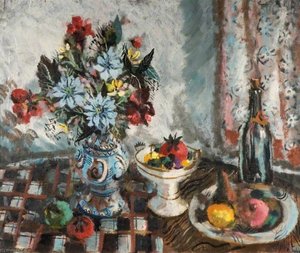
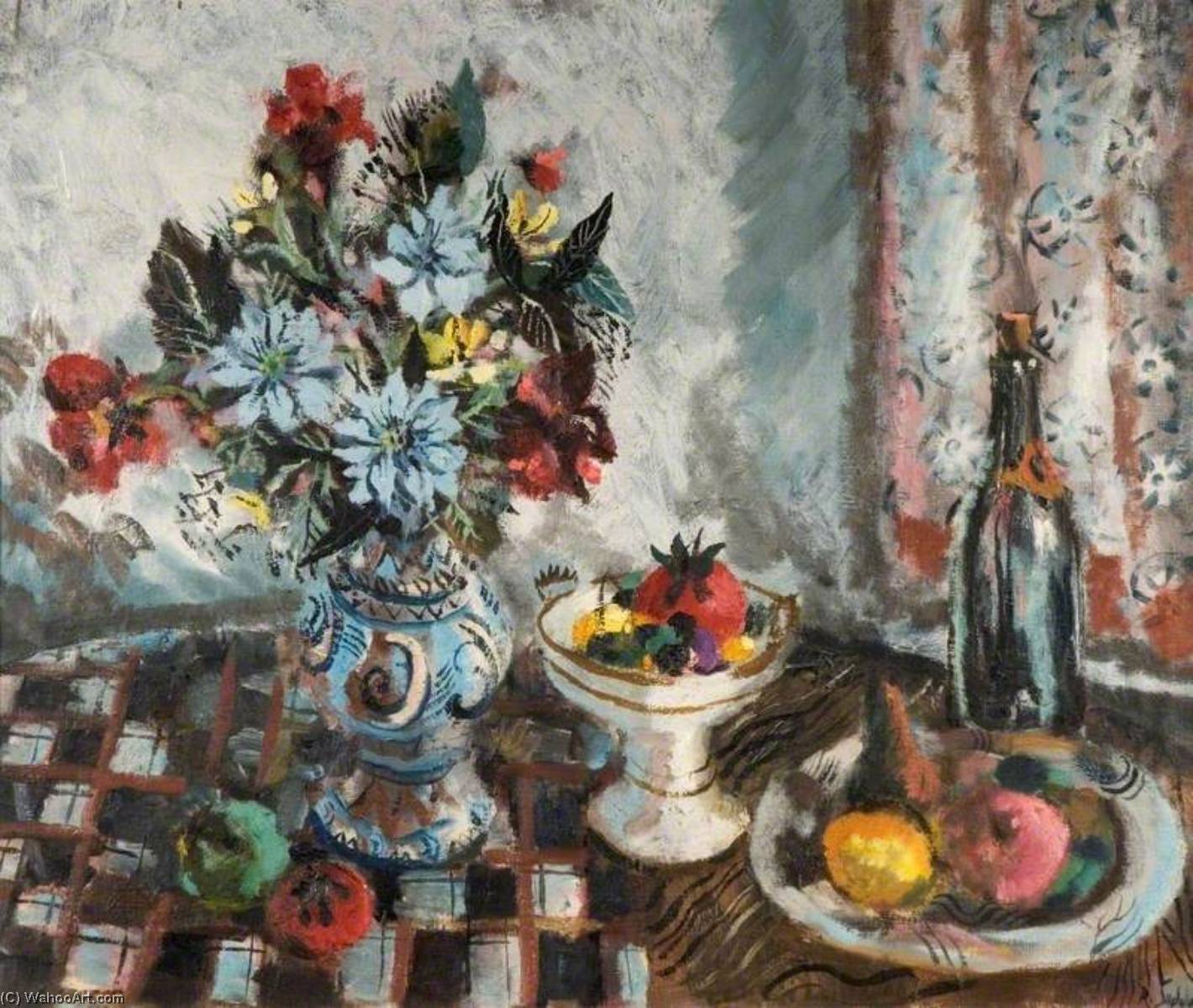
Tauchen Sie ein in die lebendige Welt, die Rowland Suddaby in seinem eindrucksvollen Gemälde „Stillleben mit Früchten und Blumen“ eingefangen hat. Dieses Werk ist ein Paradebeispiel des Impressionismus und versetzt den Betrachter in eine Szene voller Leben und Farbe. Das Stillleben – eine Anordnung von Früchten, Blumen und dekorativen Objekten auf einem Tisch – wird durch Suddabys ausdrucksstarken Pinselstrich und seine meisterhafte Lichtführung zu etwas Besonderem.
Impressionistische Technik und Komposition
Suddabys Technik zeichnet sich durch lockere, sichtbare Pinselstriche aus, die darauf abzielen, das *Gefühl* der Szene einzufangen, anstatt eine akribische Detailtreue zu erreichen. Dies steht im Einklang mit den Grundprinzipien des Impressionismus, einer Bewegung, die im späten 19. Jahrhundert als Reaktion auf die starre Einhaltung des Realismus in der akademischen Malerei entstand. Achten Sie darauf, wie das Licht diffuses wirkt und weiche Schatten erzeugt, wodurch die Texturen jedes Objekts hervorgehoben werden – die glatte Oberfläche der Vase steht im schönen Kontrast zur rauen Schale der Früchte, und die drapierten Vorhänge verleihen Tiefe und visuelles Interesse. Die Komposition ist sorgfältig ausbalanciert; die große Vase, die mit blauen und roten Blumen überläuft, verankert die obere linke Ecke, während eine Schüssel voller Früchte im Vordergrund Aufmerksamkeit erregt. Die leicht abgeflachte Perspektive betont zusätzlich die Unmittelbarkeit des visuellen Erlebnisses.
Farbenpracht und emotionale Resonanz
Die Farbpalette des Gemäldes – dominiert von Rot-, Blau-, Grün- und Gelbtönen – trägt maßgeblich zu seiner emotionalen Wirkung bei. Diese Farben sind nicht nur beschreibend; sie werden ausdrucksstark eingesetzt, um ein Gefühl von Wärme, Überfluss und vergänglicher Schönheit hervorzurufen. Die Anordnung selbst wirkt leicht chaotisch, aber dennoch harmonisch und suggeriert einen eingefangenen Moment in der Zeit – eine Momentaufnahme des Alltagslebens, die mit einer fast traumartigen Qualität erfüllt ist. Es ist diese Fähigkeit, Emotionen durch Farbe und Pinselstrich zu vermitteln, die Suddabys Werk auszeichnet.
Rowland Suddaby: Ein Chronist ländlichen Englands
Geboren 1912 war Rowland Suddaby ein britischer Künstler, der für seine eindrucksvollen Landschaften und Stillleben bekannt ist. Obwohl über ihn selbst nur wenige biografische Informationen vorliegen, bieten seine Gemälde einen Einblick in die Schönheit des ländlichen Englands, insbesondere in die Grafschaften Suffolk und Yorkshire. Seine Arbeit erforscht oft Themen wie Natur und Alltag und spiegelt eine tiefe Wertschätzung für die einfachen Freuden im Grünen wider. Suddabys Stil weist Ähnlichkeiten mit anderen britischen Künstlern auf, die versuchten, das Wesen der englischen Landschaften und häuslichen Szenen einzufangen, und bietet so ein charmantes Fenster in eine vergangene Zeit.
Ein zeitloses Kunstwerk
„Stillleben mit Früchten und Blumen“ ist mehr als nur eine Darstellung alltäglicher Gegenstände; es ist eine Einladung, innezuhalten und die Schönheit zu schätzen, die uns umgibt. Seine zeitlose Anziehungskraft macht es zu einer perfekten Ergänzung für jede Kunstsammlung oder jeden Wohnraum und verleiht Ihrem Zuhause einen Hauch von impressionistischer Eleganz und lebendigen Farben.
Ähnliche Kunstwerke
Über den Künstler
A Quiet Observer of Rural England
Rowland Suddaby (1912–1972) remains a poignant voice in the history of British mid-century art, serving as a dedicated chronicler of the English landscape. Born in Kimberworth, Yorkshire, his artistic sensibilities were forged through a rigorous academic journey that began with a prestigious scholarship to the Sheffield College of Art in 1926. This foundational period provided him with the technical precision that would later allow him to capture the subtle nuances of light and atmosphere. His subsequent training at the Royal College of Art further refined his craft, placing him within a lineage of artists who sought to balance formal excellence with an intimate connection to the natural world. Suddaby’s early life was not merely a period of study but a deep immersion into the textures of the British countryside, a theme that would resonate through every canvas he produced.
The transition to London in 1931 acted as a catalyst for his professional evolution, thrusting him into the vibrant heart of the nation's artistic commerce. During this era, Suddaby demonstrated a remarkable versatility, securing work designing film titles for the studios of Wardour Street—a role that required a keen eye for composition and visual storytelling. This commercial success provided a stable foundation for his more personal explorations in fine art. His emergence into the prestigious London gallery scene, with exhibitions at the Wertheim Gallery and the Redfern Gallery, signaled his arrival as a significant talent. Through these venues, he engaged with the contemporary dialogues of his time, often finding himself aligned with the sensibilities of the New English Art Club, where the pursuit of capturing fleeting moments through light and color was paramount.
The Poetics of Landscape and Still Life
Suddaby’s oeuvre is characterized by a profound ability to elevate the mundane into the monumental. Whether he was painting the rolling hills of Yorkshire or the serene vistas of Suffolk, his work possessed an evocative quality that transcended simple topography. His landscapes often feel like quiet meditations; in works such as Winter Landscape, near Lavenham, one can sense the stillness of a frost-covered morning, where the weight of the atmosphere is rendered with masterful sensitivity. His technique frequently leaned toward an Impressionistic approach, utilizing loose, visible brushstrokes to prioritize the emotional resonance of a scene over rigid realism. This method allowed him to capture the diffused light and soft shadows that define the English countryside, creating a sense of warmth and abundance even in more somber settings.
Beyond the expansive horizon, Suddaby found equal inspiration in the intimate arrangements of his still lifes. In masterpieces like Still Life with Fruit and Flowers, he utilized a vibrant palette of reds, blues, and yellows to breathe life into inanimate objects. These compositions were far more than mere studies of form; they were celebrations of texture and light. The contrast between the smooth surface of a vase and the rough skin of ripening fruit served to ground his more expressive brushwork in a tangible reality. This duality—the ability to move seamlessly from the sweeping vistas of Scholes, Yorkshire to the delicate intimacy of a tabletop arrangement—demonstrates a technical breadth that made him a truly versatile observer of the world around him.
Legacy and Historical Significance
The later years of Suddaby’s life saw him returning to the very landscapes that had shaped his soul. Moving near Sudbury, Suffolk, during the onset of World War II, he found a sanctuary in the rural landscape alongside his family. This period of relative seclusion allowed for a deepening of his connection to the land, a sentiment reflected in his involvement with the Recording Britain project commissioned by Sir Kenneth Clarke. This monumental effort to document the changing face of the British landscape ensured that Suddaby’s vision was woven into the historical fabric of the nation. His later appointment as the curator of Gainsborough's House in Sudbury from 1968 until his death in 1972 further solidified his role as a custodian of British artistic heritage.
Today, the significance of Rowland Suddaby’s work is preserved within the collections of numerous esteemed institutions, including the Victoria and Albert Museum and the Government Art Collection. His legacy is defined by several key contributions to British art:
- Documentary Value: His meticulous yet emotive depictions provide a vital visual record of mid-century English rural life and landscapes that have since been altered by time.
- Technical Mastery: He successfully bridged the gap between commercial graphic design and fine art, bringing a unique sense of composition to both mediums.
- Emotional Depth: Through his use of light and color, he moved beyond mere representation to capture the "feeling" of the English atmosphere, making his work timelessly relatable.
Suddaby remains a celebrated figure for those who seek beauty in the quiet corners of the world, reminding us that there is profound art to be found in the simple observation of nature's enduring rhythms.
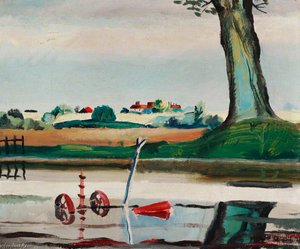
rowland suddaby
1912 - 1972
Kurzinfos
- Artistic Movement Or Style: English Landscape Painting
- Artists Or Movements Influenced By This Artist: ['Cornard Tye Art']
- Artists Who Influenced This Artist: ['Kenneth Clarke']
- Date Of Birth: 1912
- Date Of Death: 1972
- Full Name: Rowland Suddaby
- Nationality: British
- Notable Artworks:
- Scholes, Yorkshire
- Fishing Boats at Staithes, Yorkshire
- Place Of Birth: Kimberworth, Yorkshire
Ähnliche Artikel

Paul Cézanne: Die 25 Meisterwerke des Impressionismus | ArtsDot
Entdecken Sie die 25 Meisterwerke von Paul Cézanne! Tauchen Sie ein in die Welt des Impressionismus und Postimpressionismus. Erfahren Sie mehr über seine Stillleben, Landschaften & berühmten Gemälde – jetzt hochwertige Kunstdrucke auf ArtsDot.com.
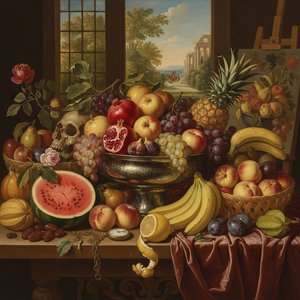
The Bountiful Still Life: Symbolism & Artistic Representation of Fruit Across Art History
Explore the rich history of still life painting & the symbolism of fruit across art movements. Discover masterpieces from Caravaggio to Cézanne with ArtsDot – expert guidance & museum-quality reproductions.

Crimson Threads of Narrative: Exploring Symbolism & Representation in Artworks Featuring the Red Dress
Explore the rich symbolism of the red dress in art history! From ancient power displays to iconic portraits like Cézanne’s 'Madame Cezanne', discover the cultural and artistic significance behind this captivating color. Expert analysis & insights.
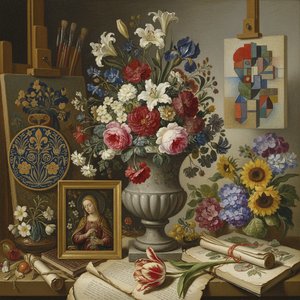
Blossoming Symbolism: A Historical Journey Through Flowers in Western Painting
Explore the rich history of flower symbolism in Western painting! Discover how artists from the Renaissance to Modernism used blossoms to convey meaning, emotion & beauty. Learn about iconic artworks and movements.

Impressionismus Meisterwerke: Die Top 10 Kunstwerke für Ihr Zuhause | ArtsDot
Entdecken Sie die Top 10 Meisterwerke des Impressionismus! Von Monet bis Renoir – erfahren Sie die Geschichten hinter berühmten Gemälden, Techniken & Farben. Hochwertige Kunstdrucke auf ArtsDot.com.