 Vorschau anzeigen
 Versenden
 Teilen
 Details anzeigen

 Herunterladen
 Ähnliche Objekte
 Röntgenaufnahme
 Diashow
 Statistiken
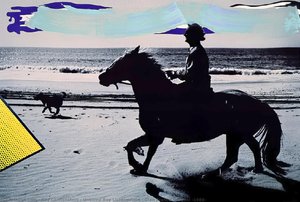
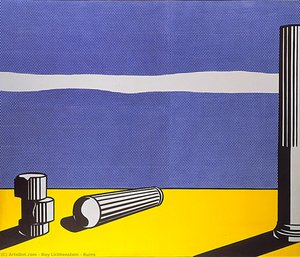
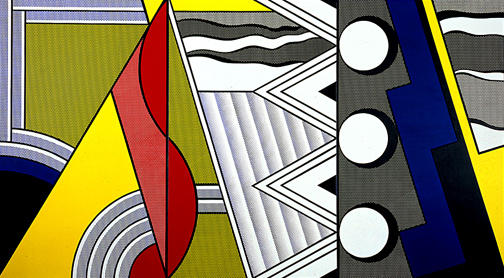
Modern painting with clef
 Acryl auf Leinwand
- Wandkunst
- Pop Art
 1967
1967- Moderne
 254.0 x 457.0 cm
 Weiterlesen
Giclée / Kunstdruck
Giclée- oder Leinwanddruck in Museumsqualität mit schneller Produktion und flexiblen Veredelungsoptionen. ( Handgemalte Reproduktion bestellen Zum digitalen Bild wechseln)




P118B $10

P118H $10

P118W $10

P438Z $10

P508JH $12

P508YH $12

P805H $10

P805Z $10

P919BZ $10

P919G $10

P919XJ $10

P959ZH $10

P968JZ $12

W106C $8

W218G $10

W218JH $8

W218Y $10

W307PJ $10

W316G $10

W316PJ $8

W316Y $10

W398PJ $8

W4111J $10

W500HY $15

W500JH $15

W692G $12

W849H $8

W940BG $15

W953PJ $8




Wählen Sie aus unseren vordefinierten Formaten, die den ursprünglichen Proportionen des Kunstwerks entsprechen.

Sie können Ihre eigenen Maße eingeben, um ein bestimmtes Format oder einen speziellen Platz einzupassen. Wenn das von Ihnen gewählte Format nicht den Proportionen des Originalbildes entspricht, werden wir das Kunstwerk entweder beschneiden oder das Bild mit einem gespiegelten oder einfarbigen Rand erweitern. Ein digitaler Entwurf wird Ihnen zur Genehmigung zugesandt, bevor die Produktion beginnt.
Bitte beachten Sie, dass die Vorschau auf dem Bildschirm nicht den tatsächlichen Zuschnitt oder die Erweiterung widerspiegelt. Nur der Entwurf zeigt die endgültige Komposition präzise an.
Obwohl Sondermaße verfügbar sind, empfehlen wir die Auswahl eines Maßes aus der vordefinierten Liste, um die ursprünglichen Proportionen zu bewahren.
Weltweiter Versand () innerhalb von 2 Wochen statt der üblichen 4/5 Wochen. (9 September)

Kostenloser weltweiter Expressversand

Hochwertige Leinenleinwand

Umfassender Versicherungsschutz beim Versand

Zollgebühren-Rückerstattungsgarantie

Garantie für exakte Farbtreue

100-Tage-Rückgaberecht (nur bei Mängeln)

100% Geld-zurück-Garantie

Mengenrabatt verfügbar
 Die Glasoption ist nur für Größen unter 110 cm verfügbar.

Modern painting with clef
Giclée / Kunstdruck
Format der Reproduktion
-


Gesamtpreis
$ 62
A Bold Statement in Yellow: Deconstructing Roy Lichtenstein’s ‘Modern Painting with Clef’
Roy Lichtenstein's 1967 painting, “Modern Painting with Clef,” is far more than a simple depiction of a trombone; it’s a vibrant, challenging exploration of Pop Art’s core tenets and a commentary on the evolving relationship between art and popular culture. This piece, measuring an impressive 254 x 457 cm, immediately commands attention with its assertive yellow background – a deliberate choice that pushes the instrument into sharp relief and injects a sense of immediacy and energy into the composition. The painting’s success lies not just in its subject matter but also in Lichtenstein's masterful manipulation of technique, drawing heavily on the methods he’d developed during his exploration of Ben-Day dots – those iconic, pre-printed dots that mimic the look of serifs in commercial printing.
The trombone itself is rendered with a deceptively simple approach. Lichtenstein doesn't strive for photorealistic detail; instead, he employs a technique reminiscent of comic book illustration—a deliberate flattening of perspective and an emphasis on bold outlines. The instrument’s form is suggested through carefully placed black lines, creating a graphic quality that aligns perfectly with the Pop Art movement’s rejection of traditional artistic conventions. Scattered across the canvas are numerous small dots – a signature element of Lichtenstein's style – adding texture and depth while simultaneously referencing the printing process itself. These aren’t merely decorative; they actively contribute to the painting’s overall sense of dynamism and visual complexity.
The Genesis of a Pop Visionary: Contextualizing Lichtenstein
Roy Fox Lichtenstein, born in Manhattan in 1923, emerged as a pivotal figure during the explosive period of Pop Art in the mid-20th century. His upbringing within a culturally rich Jewish family instilled in him an appreciation for both artistic traditions and popular culture – a duality that would profoundly shape his work. Early exposure to museums and jazz music fueled a creative spirit that ultimately led him away from traditional academic training, initially pursuing realistic drawing before embracing the bold, graphic style of Pop Art. His formal studies at the Art Students League under Reginald Marsh and later at Ohio State University provided crucial foundations, but it was his deliberate engagement with the visual language of advertising, comic books, and mass-produced imagery that truly defined his artistic voice.
Lichtenstein’s work wasn't simply a reflection of the 1960s; he actively critiqued and interrogated the era’s consumer culture. “Modern Painting with Clef” embodies this spirit, transforming an everyday object – a musical instrument – into a subject worthy of artistic consideration. The inclusion of the “clef,” a symbol fundamental to music notation, adds another layer of meaning, suggesting a dialogue between art and popular entertainment, high art and low art.
Decoding the Symbolism: Beyond the Trombone
While the trombone is undeniably the focal point of the painting, its significance extends beyond mere representation. The instrument itself can be interpreted as a symbol of communication – a means of conveying emotion through sound. The yellow background, often associated with optimism and energy, further amplifies this sense of vibrancy. However, Lichtenstein’s use of Ben-Day dots introduces an element of artificiality, reminding us that the image is constructed rather than naturally occurring. This deliberate juxtaposition highlights the inherent tension between representation and reality – a key concern within Pop Art.
The inclusion of dots throughout the composition isn't arbitrary; they echo the printing process used to create comic books and commercial illustrations, further blurring the lines between fine art and mass-produced imagery. This technique serves as a visual metaphor for the way in which images are disseminated and consumed within contemporary society – a theme that resonates powerfully with Lichtenstein’s broader artistic concerns.
A Legacy of Bold Innovation: Investing in Lichtenstein Reproductions
Roy Lichtenstein's “Modern Painting with Clef” remains a seminal work of Pop Art, demonstrating the movement’s innovative approach to subject matter and technique. ArtsDot offers meticulously crafted hand-painted reproductions that capture the essence of this iconic piece, allowing you to experience its vibrant colors and dynamic composition in stunning detail. Whether you're an art collector, interior designer seeking a bold statement piece, or simply an admirer of Lichtenstein’s genius, our high-quality reproductions provide a beautiful and authentic way to bring this important work into your home or office. Explore the full artwork details and available sizes on our website – here.
Ähnliche Kunstwerke
Über den Künstler
frühes Leben und Ausbildung
Roy Fox Lichtenstein, ein prominenter amerikanischer Pop-Künstler, wurde am 27. Oktober 1923 in New York City geboren. Er wuchs in einer wohlhabenden jüdischen Familie auf, mit seinem Vater als Immobilienmakler und seiner Mutter als Hausfrau. Lichtensteins Interesse an Kunst und Design begann während seiner Schulzeit als Hobby.Künstlerische Karriere
Nach Abschluss seiner Schulausbildung am Dwight School im Jahr 1940 besuchte Lichtenstein die Art Students League of New York unter der Anleitung von Reginald Marsh. Er studierte anschließend einen Abschluss in Fine Arts an der Ohio State University, der durch eine dreijährige Verlegung in das Militär während des Zweiten Weltkriegs unterbrochen wurde.- Look Mickey (1961, National Gallery of Art, Washington, D.C.), eines von Lichtensteins frühesten Pop-Kunstwerke, markierte den Beginn seiner einflussreichen Karriere.
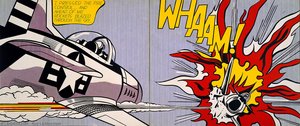
- Seine Arbeit war stark von Werbe- und Comic-Stilen beeinflusst, darunter bedeutende Werke wie Wham!, Drowning Girl und Oh, Jeff...I Love You Too...But...
- Lichtensteins teuerstes Werk, Masterpiece, wurde im Januar 2017 für 165 Millionen Dollar verkauft.
Lehre und Einflüsse
Lichtenstein lehrte an verschiedenen Institutionen, darunter die State University of New York at Oswego und die Rutgers University. Seine Arbeit war von Allan Kaprow beeinflusst, einem Kollegen an der Rutgers University, der sein Interesse an proto-Pop-Bildern wiederbelebte. Bekannte Ausstellungen:- The Museum Chambre de Commerce (Toulouse, Frankreich), das verschiedene Kunstwerke aus der Pop-Art-Bewegung zeigte.
- Lichtensteins Werk wurde in der Leo Castelli Gallery in New York City ausgestellt, wobei seine erste Einzelausstellung 1962 vor der Eröffnung vollständig von einflussreichen Sammlern gekauft wurde.
Vermächtnis und Einfluss
Roy Lichtenstein starb am 29. September 1997 und hinterließ ein Vermächtnis als eine führende Figur in der Pop-Art-Bewegung. Seine Arbeit wird weiterhin für ihre innovative Verschmelzung von Hoch- und Populärkultur gefeiert, wodurch sie einem breiteren Publikum zugänglich gemacht wird.- Entdecken Sie mehr von Lichtensteins Kunstwerke auf ArtsDot.com
- Erfahren Sie die Welt der Pop-Art und ihrer einflussreichen Künstler auf Pop Art und darüber hinaus: Navigieren Sie mit ArtsDot.com durch zeitgenössische Stile

Roy Lichtenstein
1923 - 1997 , Vereinigte Staaten von Amerika
Kurzinfos
- Beeinflusste Künstler:
- Reginald Marsh
- Allan Kaprow
- Bemerkenswerte Werke:
- Look Mickey
- Whaam!
- Drowning Girl
- Masterpiece
- Geburtsdatum: 27. Oktober 1923
- Geburtsort: Manhattan, USA
- Künstlerische Richtung: Pop Art
- Nationalität: Amerikanisch
- Todatum: 29. September 1997
- Vollständiger Name: Roy Lichtenstein
Ähnliche Artikel
Roy Lichtenstein: Die 25 Meisterwerke des Pop Art – Kunst für Ihr Zuhause | ArtsDot
Entdecken Sie die 25 ikonischsten Meisterwerke von Roy Lichtenstein! Tauchen Sie ein in die Welt der Pop Art, lernen Sie die Geschichten hinter den berühmten Gemälden und finden Sie perfekte Kunstreproduktionen für Ihr Zuhause. Jetzt auf ArtsDot.com entdecken!
The Psychology of the Palette: Decoding Roy Lichtenstein’s Bold Color Theory
Explore the vibrant psychology behind Roy Lichtenstein’s color theory. Discover how Ben-Day dots and primary colors revolutionized Pop Art, transforming mass media into timeless masterpieces for modern collectors and interior design enthusiasts.
Challenging Conventions: Pop Art's Origins, Evolution & Enduring Legacy
Explore the fascinating history of Pop Art, from its rebellious origins to its enduring influence on contemporary artists. Discover key figures like Warhol & Lichtenstein and learn about collecting this iconic movement.

Jenseits der Rasterpunkte: Roy Lichtensteins Pop-Art-Revolution und bleibendes Erbe
Entdecken Sie Roy Lichtensteins revolutionäre Pop Art! Expertenanalyse, Investitionspotenziale & Hintergrundinformationen für Kunstsammler. Seit 2004 Ihr Partner für hochwertige Reproduktionen und individuelle Kunstberatung.
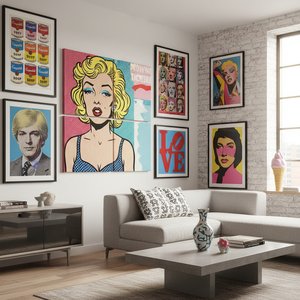
Pop Art Ikonen: Die 10 Meisterwerke, die eine Kunstrevolution auslösten –
Entdecken Sie die 10 Meisterwerke der Pop Art! Von Warhol bis Lichtenstein – erfahren Sie die Geschichten hinter ikonischen Gemälden, Techniken & Farben. Museumsgalerie-Qualität bei entdecken.