

 Versenden
 Teilen
 Details anzeigen

 Herunterladen
 Ähnliche Objekte
 Diashow
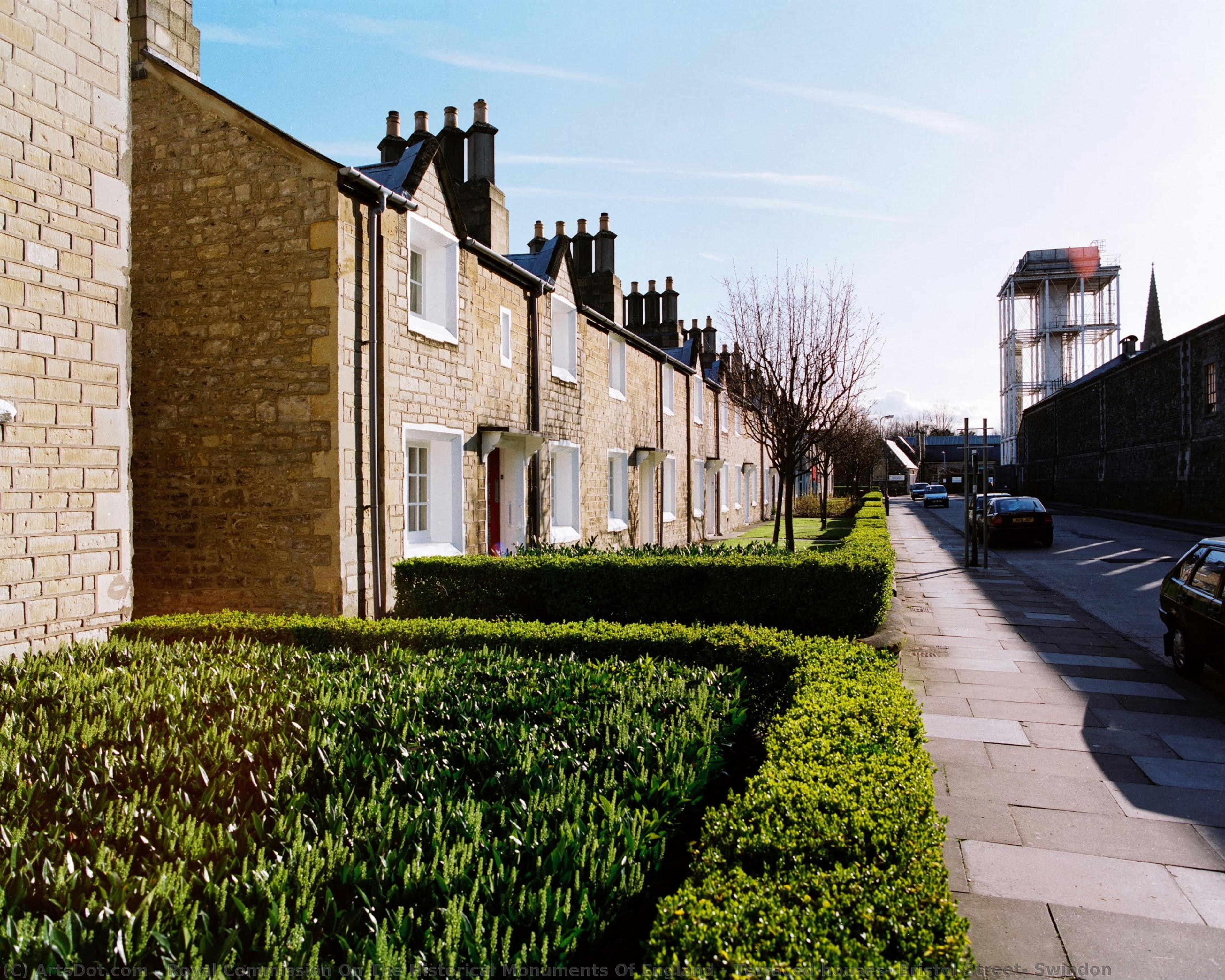
Terraced houses, Bristol Street, Swindon


 Weiterlesen
Giclée / Kunstdruck
Giclée- oder Leinwanddruck in Museumsqualität mit schneller Produktion und flexiblen Veredelungsoptionen. ( Handgemalte Reproduktion bestellen Bild kaufen)




































Wählen Sie aus unseren vordefinierten Formaten, die den ursprünglichen Proportionen des Kunstwerks entsprechen.

Sie können Ihre eigenen Maße eingeben, um ein bestimmtes Format oder einen speziellen Platz einzupassen. Wenn das von Ihnen gewählte Format nicht den Proportionen des Originalbildes entspricht, werden wir das Kunstwerk entweder beschneiden oder das Bild mit einem gespiegelten oder einfarbigen Rand erweitern. Ein digitaler Entwurf wird Ihnen zur Genehmigung zugesandt, bevor die Produktion beginnt.
Bitte beachten Sie, dass die Vorschau auf dem Bildschirm nicht den tatsächlichen Zuschnitt oder die Erweiterung widerspiegelt. Nur der Entwurf zeigt die endgültige Komposition präzise an.
Obwohl Sondermaße verfügbar sind, empfehlen wir die Auswahl eines Maßes aus der vordefinierten Liste, um die ursprünglichen Proportionen zu bewahren.
Weltweiter Versand () innerhalb von 2 Wochen statt der üblichen 4/5 Wochen. (4 September)

Kostenloser weltweiter Expressversand

Hochwertige Leinenleinwand

Umfassender Versicherungsschutz beim Versand

Zollgebühren-Rückerstattungsgarantie

Garantie für exakte Farbtreue

60 Tage Rückgaberecht (nur bei Mängeln)

100% Geld-zurück-Garantie

Mengenrabatt verfügbar
 Die Glasoption ist nur für Größen unter 110 cm verfügbar.

Terraced houses, Bristol Street, Swindon
Giclée / Kunstdruck
Format der Reproduktion
-


Gesamtpreis
$ 62
A Window into the Past: The Quiet Dignity of Bristol Street
In this evocative black and white photograph, titled Terraced houses, Bristol Street, Swindon, we are transported to a moment frozen in time. Captured in 1995 by the Royal Commission on the Historical Monuments of England, the image serves as more than just a visual record; it is a poignant meditation on the architecture of everyday life. The composition presents a rhythmic parade of terraced houses, their structural silhouettes standing in silent formation along the street. Through the monochromatic lens, the textures of brick and stone are heightened, stripping away the distractions of color to reveal the raw, skeletal beauty of the urban landscape. There is a profound sense of stillness here, an atmospheric quality that invites the viewer to wander through the streets of a bygone era.
The photograph captures a delicate balance between the permanence of architecture and the fleeting nature of human presence. While the houses stand as stoic witnesses to history, the subtle inclusion of parked cars and distant figures adds a layer of lived reality to the scene. These small, transient elements—a person standing near the left periphery, others tucked away on the right—act as anchors of humanity within the structural rigidity of the streetscape. The interplay of light and shadow across the facades creates a depth that draws the eye inward, making the viewer feel less like an observer and more like a quiet participant in this peaceful afternoon in Swindon.
The Legacy of Documentation and Artistic Value
To understand the weight of this image, one must consider its origin. The Royal Commission on the Historical Monuments of England was not merely a group of surveyors, but a collective dedicated to the preservation of national identity. Their work was an act of devotion to the architectural soul of the United Kingdom. Consequently, this photograph carries an inherent historical gravity; it is a piece of archival treasure that documents the evolution of English residential life. For the collector or the interior designer, this work offers a sophisticated way to introduce historical narrative into a modern space.
From a decorative perspective, the monochromatic palette and structured composition make this piece an exceptional choice for curated interiors. Its understated elegance allows it to integrate seamlessly into minimalist, industrial, or classic traditional settings. The repetition of the terraced forms provides a rhythmic visual element that can anchor a room, while the nostalgic subject matter evokes a sense of comfort and continuity. Owning a high-quality reproduction of this work is an opportunity to possess a fragment of history—a way to bring the quiet, enduring spirit of England's architectural heritage into the contemporary home.
Ähnliche Kunstwerke

Über den Künstler
The Royal Commission on the Historical Monuments of England: A Legacy in Documentation
Established in 1908, the Royal Commission on the Historical Monuments of England (RCHME) wasn’t an artist in the traditional sense—no canvases bear their signature, no sculptures grace museum halls under their name. Instead, the RCHME was a vital force dedicated to preserving and understanding England's rich architectural and archaeological heritage through meticulous documentation. Born from a growing concern that invaluable historical structures were being lost or neglected, the Commission embarked on an ambitious project: to create a comprehensive inventory of the nation’s monuments, from prehistoric sites to buildings dating up to 1700—a period later extended to 1850.
Origins and Early Endeavors
The impetus for the RCHME arose from a confluence of factors in the late 19th and early 20th centuries. The Ancient Monuments Protection Act of 1882 had provided initial legal safeguards, but critics like David Murray argued that effective preservation required detailed knowledge of *what* needed protecting. Gerard Baldwin Brown further championed the idea of a Royal Commission modeled after continental European examples, believing a systematic survey was essential. Following the establishment of similar commissions in Scotland and Wales, the Royal Warrant for the RCHME arrived on October 27th, 1908, setting in motion decades of dedicated research.
The initial focus was clear: to record “Ancient and Historical Monuments and Constructions connected with or illustrative of the contemporary culture, civilization and conditions of life of the people of England.” Hertfordshire became the first county selected for survey, resulting in a landmark volume published in 1910. This set the precedent for a county-by-county approach that would define much of the Commission’s early work. The task was immense, requiring teams of archaeologists, architects, historians, and photographers to meticulously document structures, create detailed plans, and compile comprehensive reports.
The Scope of Their Work: Beyond Inventory
While initially conceived as an inventory project, the RCHME's role evolved over time. They didn’t simply catalogue buildings; they sought to understand their historical context, architectural significance, and cultural importance. This involved not only detailed descriptions but also extensive research into ownership records, social histories, and construction techniques. The Commission’s publications became invaluable resources for scholars, architects, and anyone interested in England's past.
The RCHME’s work extended beyond purely academic pursuits. Their documentation played a crucial role during World War II with the establishment of the National Buildings Record (NBR) in 1941. The NBR focused on recording buildings at risk from bombing raids, creating a vital archive of structures that might otherwise have been lost forever. This wartime effort underscored the practical importance of their work and cemented their position as guardians of England’s heritage.
A Changing Landscape: Merging with English Heritage
Throughout the 20th century, the RCHME continued to publish county inventories, producing approximately 40 volumes. However, in the early 1980s, a shift occurred towards more thematic publications. This change reflected evolving priorities and a growing recognition of the need for broader historical studies. The Commission’s remit was also expanded through successive Royal Warrants.
In 1999, a significant chapter closed as the RCHME merged with English Heritage. While the name disappeared, its legacy lived on. The research section and extensive archive were absorbed into Historic England, ensuring that the Commission’s invaluable work continued to inform preservation efforts and scholarly research. Today, over a million records created by the RCHME are accessible online, providing an unparalleled resource for understanding England's architectural and archaeological past.
The Enduring Significance
The Royal Commission on the Historical Monuments of England may not have produced works of art in the conventional sense, but their contribution to our understanding and preservation of England’s heritage is immeasurable. They were pioneers in systematic documentation, establishing standards for recording and analysis that continue to be followed today. Their work serves as a powerful reminder of the importance of preserving our past—not just for its aesthetic beauty, but for the insights it offers into the lives, cultures, and civilizations that have shaped our world.
royal commission on the historical monuments of england
1908 - 1999 , United Kingdom
Kurzinfos
- Artistic Movement Or Style: Historic Preservation
- Artists Or Movements Influenced By This Artist: ['English Heritage']
- Artists Who Influenced This Artist: ['David Murray']
- Date Of Death: 1999
- Full Name: Royal Commission on the Historical Monuments of England
- Nationality: British
- Notable Artworks:
- Terraced houses, Bristol Street, Swindon
- Bandstand, Town Gardens, Quarry Road, Old Town, Swindon
- The ruins of Corfe Castle, Dorset
- Place Of Birth: United Kingdom
Ähnliche Artikel

Die Top 10 berühmter Gemälde im Reich der dunklen Töne |
Entdecken Sie die Top 10 berühmter Gemälde, beherrscht von dunklen Tönen! Von Caravaggio bis Manet – erfahren Sie die Geschichten hinter Meisterwerken der Kunstgeschichte. Finden Sie Ihre perfekte Reproduktion auf .

Die Top 10 Gemälde der Kunstgeschichte – Dominiert von tiefem Schwarz
Entdecken Sie die Top 10 Gemälde, die von tiefem Schwarz und dramatischer Atmosphäre geprägt sind. Von Caravaggio bis Manet – Kunstgeschichte erleben & hochwertige Reproduktionen auf finden! Jetzt entdecken.
Pierre-Auguste Renoir: Die 25 Meisterwerke des Impressionismus für Ihr Zuhause | ArtsDot
Entdecken Sie die 25 schönsten Meisterwerke von Pierre-Auguste Renoir! Tauchen Sie ein in die Welt des Impressionismus, erleben Sie berühmte Gemälde wie 'Bal au moulin de la Galette' und finden Sie hochwertige Kunstdrucke für Ihr Zuhause. Jetzt auf ArtsDot.com!
Meisterwerke der Dunkelheit: 10 berühmte Gemälde im Lampenschwarzton |
Entdecken Sie 10 berühmte Gemälde, die von Lampenschwarz und düsterer Schönheit geprägt sind. Von Rembrandt bis Caravaggio – erleben Sie Kunstgeschichte neu! Hochwertige Reproduktionen & Inspiration für Ihr Zuhause auf .

Meisterwerke in Schwarz: Die 10 berühmtesten Gemälde mit Elfenbeinsschattierungen |
Entdecken Sie die düsteren Schönheiten der Kunst! Unsere Top 10 Gemälde dominieren durch Elfenbeinschwarz – von Rembrandt bis Goya. Erfahren Sie mehr über Künstler, Techniken & Bedeutung. Hochwertige Reproduktionen auf

