

 Vorschau anzeigen
 Versenden
 Teilen
 Details anzeigen

 Herunterladen
 Ähnliche Objekte
 Röntgenaufnahme
 Diashow
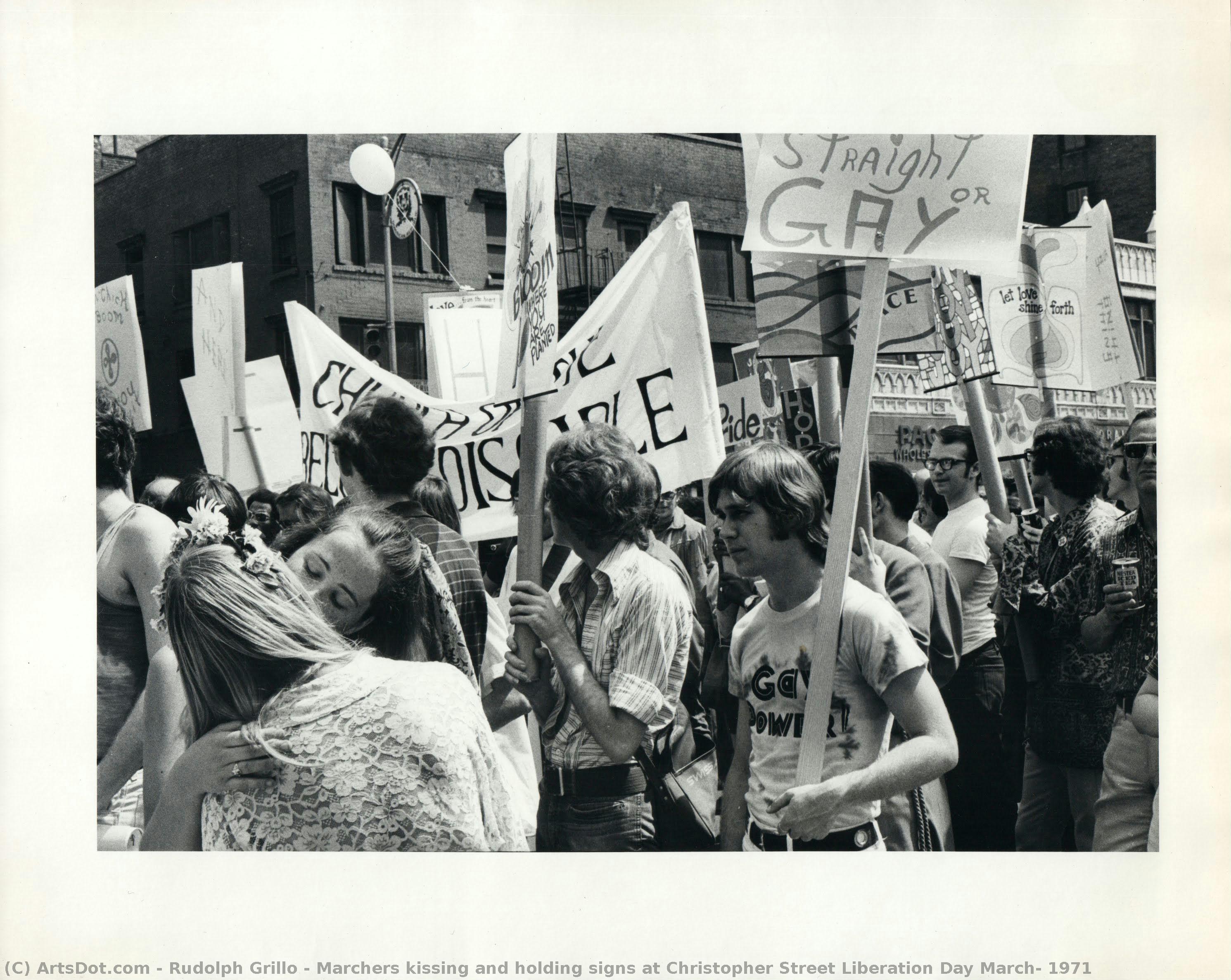
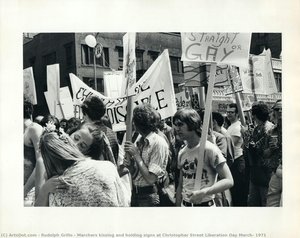
Marchers kissing and holding signs at Christopher Street Liberation Day March, 1971

 Weiterlesen
Handgefertigte Ölreproduktion
Handgemaltes Ölgemälde auf Leinwand in Ihrer Wunschgröße und mit Rahmen, auf Bestellung von unseren Künstlern angefertigt. ( Druck bestellen Bild kaufen)




































Wählen Sie aus unseren vordefinierten Formaten, die den ursprünglichen Proportionen des Kunstwerks entsprechen.

Sie können Ihre eigenen Maße eingeben, um einen bestimmten Rahmen oder Platz auszufüllen. Wenn die gewählte Größe nicht den Proportionen des Originalbildes entspricht, werden wir das Kunstwerk entweder beschneiden oder das Gemälde durch zusätzliche, handgemalte Elemente erweitern. Ein digitales Mockup wird Ihnen zur Genehmigung zugesandt, bevor die Produktion beginnt.
Bitte beachten Sie, dass die Bildschirmvorschau nicht die tatsächliche Beschneidung oder Erweiterung widerspiegelt. Nur das Mockup zeigt die endgültige Komposition exakt an.
Obwohl Sondermaße verfügbar sind, empfehlen wir, eine Größe aus der vordefinierten Liste zu wählen, um die ursprünglichen Proportionen beizubehalten.
Nach der Bestellung wird das ArtsDot.com-Team dem Kunden Anweisungen per E-Mail zusenden und eine Mockup-Vorschau bereitstellen.
Weltweiter Versand () in nur 3 bis 4 Wochen statt der üblichen 5 Wochen. (7 September). Keine Kompromisse bei der Qualität.

Kostenloser weltweiter Expressversand

Hochwertige Leinenleinwand

Umfassender Versicherungsschutz beim Versand

Zollgebühren-Rückerstattungsgarantie

Garantie für exakte Farbtreue

100-Tage-Rückgaberecht (nur bei Mängeln)

100% Geld-zurück-Garantie

Mengenrabatt verfügbar
 Die Glasoption ist nur für Größen unter 110 cm verfügbar.

Marchers kissing and holding signs at Christopher Street Liberation Day March, 1971
Art der Reproduktion
Format der Reproduktion
-


Gesamtpreis
$ 563
Ähnliche Kunstwerke







Über den Künstler
Rudolph Grillo: A Witness to American Transformation
Rudolph Grillo, born in New York City in 1931 and tragically passing away in 2014, was more than just a photographer; he was a chronicler of his era. His work offers an intimate and often unflinching glimpse into the social and cultural shifts that defined mid-20th century America – particularly the burgeoning Civil Rights Movement, the vibrant energy of the jazz scene, and the courageous emergence of LGBTQ+ communities. Grillo’s career spanned decades, marked by a dedication to documenting marginalized voices and pivotal moments, ultimately establishing him as one of the most important visual storytellers of his time.Grillo's artistic journey began with an early interest in photography, fueled by a desire to capture the world around him with honesty and immediacy. He honed his craft through self-study and experimentation, developing a distinctive style characterized by its journalistic rigor combined with a profound empathy for his subjects. Unlike many photographers of his era who sought to present idealized images, Grillo embraced the grit and complexity of everyday life, often focusing on scenes of struggle, resilience, and quiet dignity.
Capturing History: Civil Rights and Social Justice
Perhaps Grillo’s most enduring legacy lies in his powerful photographs documenting the American Civil Rights Movement. He was a constant presence at demonstrations, marches, and gatherings across the South, capturing the faces of activists, the energy of protests, and the palpable tension of a nation grappling with its conscience. His images from events like the Christopher Street Liberation Day March in 1970 – a pivotal moment for the LGBTQ+ community – are particularly striking, offering a rare and intimate portrayal of a historically marginalized group demanding visibility and equality. The photograph “Police Officers at Christopher Street Liberation Day March, 1970” exemplifies this; it’s not merely a record of an event but a visual statement about authority and social unrest, capturing the determined faces of protestors confronting law enforcement. These images weren't just documentation; they were acts of witness, bearing testament to a struggle for justice.Jazz, Identity, and the City
Beyond the Civil Rights Movement, Grillo’s lens frequently turned towards the world of jazz music. He photographed legendary musicians – Charles Mingus, Max Roach, Nina Simone – not as icons elevated on a pedestal, but as deeply human individuals immersed in their craft. These portraits reveal a quiet intensity and profound connection to the music, offering viewers an unparalleled sense of intimacy with these musical giants. His work also documented the burgeoning LGBTQ+ community in New York City during the 1970s, capturing the vibrant nightlife, social gatherings, and everyday lives of individuals who were often forced to live in secrecy. These images provided a vital visual record of a community finding its voice and asserting its right to exist.A Photographic Legacy
Rudolph Grillo’s photographs are held in prestigious collections like the Museum of Modern Art in New York City, demonstrating the critical recognition of his work. His images have been featured in numerous exhibitions and publications, solidifying his place as a significant figure in American documentary photography. His commitment to capturing authentic moments and portraying diverse communities with respect and dignity continues to resonate today. Grillo’s legacy extends beyond individual photographs; he left behind a powerful visual archive that offers invaluable insights into the social, political, and cultural landscape of America during a transformative period.Resources for Further Exploration
- ArtsDot.com: Explore the iconic photography of Rudolph Grillo!
- Prints & Photographs Online Catalog (Library of Congress): Browse by Names – Prints & Photographs Online Catalog
rudolph grillo
1931 - 2014 , United States of America
Kurzinfos
- Artistic Movement Or Style: Documentary Photography
- Artists Or Movements Influenced By This Artist: ['']
- Artists Who Influenced This Artist: ['']
- Date Of Birth: 1931
- Date Of Death: 2014
- Full Name: Rudolph Grillo
- Nationality: American
- Notable Artworks:
- Police Officers at Christopher Street March
- Jazz Musicians Images
- Place Of Birth: New York City, USA