

 Versenden
 Teilen
 Details anzeigen

 Herunterladen
 Ähnliche Objekte
 Diashow
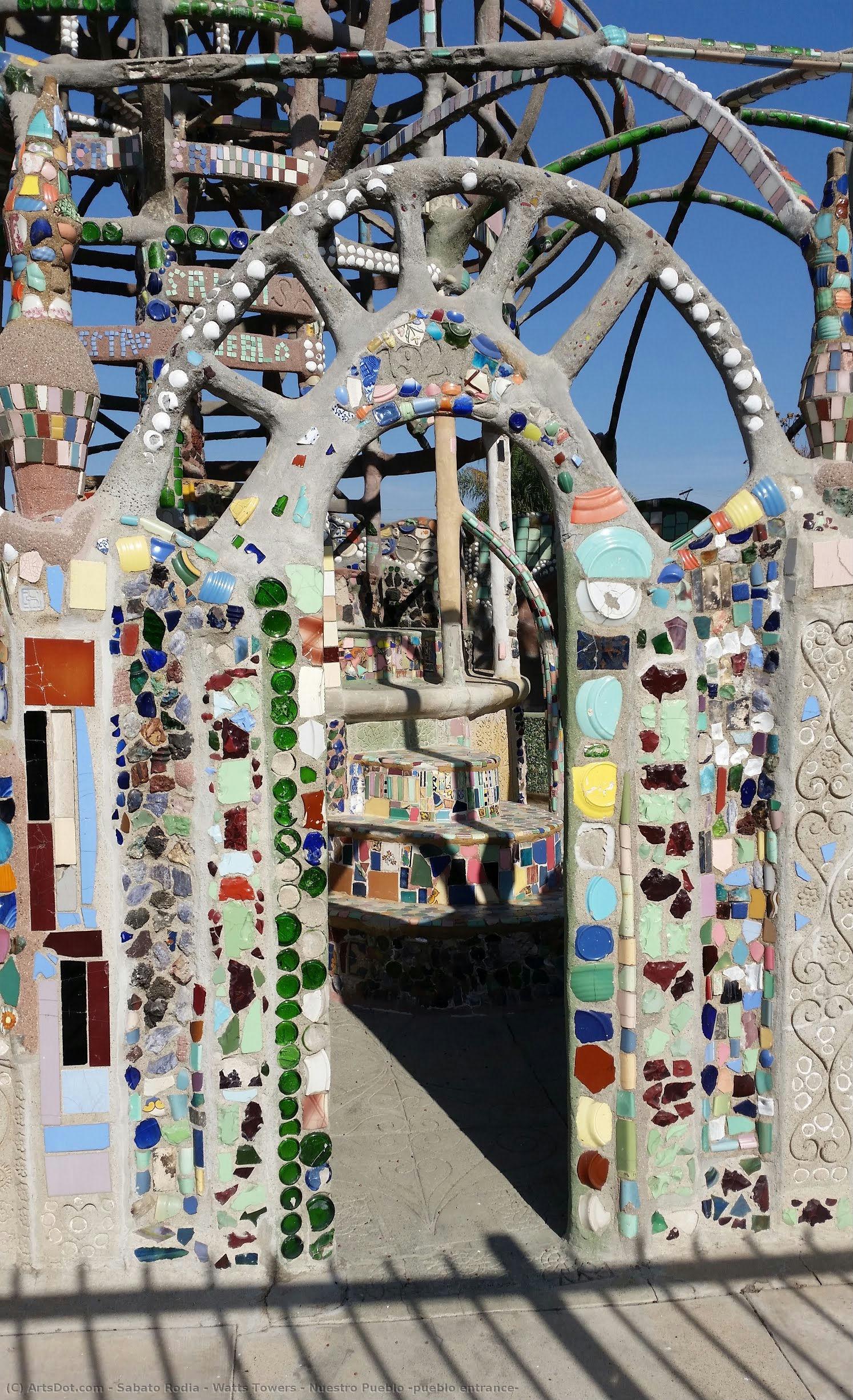
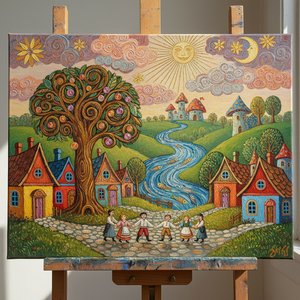
Watts Towers / Nuestro Pueblo (pueblo entrance)


 Weiterlesen
Giclée / Kunstdruck
Giclée- oder Leinwanddruck in Museumsqualität mit schneller Produktion und flexiblen Veredelungsoptionen. ( Handgemalte Reproduktion bestellen Bild kaufen)




































Wählen Sie aus unseren vordefinierten Formaten, die den ursprünglichen Proportionen des Kunstwerks entsprechen.

Sie können Ihre eigenen Maße eingeben, um ein bestimmtes Format oder einen speziellen Platz einzupassen. Wenn das von Ihnen gewählte Format nicht den Proportionen des Originalbildes entspricht, werden wir das Kunstwerk entweder beschneiden oder das Bild mit einem gespiegelten oder einfarbigen Rand erweitern. Ein digitaler Entwurf wird Ihnen zur Genehmigung zugesandt, bevor die Produktion beginnt.
Bitte beachten Sie, dass die Vorschau auf dem Bildschirm nicht den tatsächlichen Zuschnitt oder die Erweiterung widerspiegelt. Nur der Entwurf zeigt die endgültige Komposition präzise an.
Obwohl Sondermaße verfügbar sind, empfehlen wir die Auswahl eines Maßes aus der vordefinierten Liste, um die ursprünglichen Proportionen zu bewahren.
Weltweiter Versand () innerhalb von 2 Wochen statt der üblichen 4/5 Wochen. (31 August)

Kostenloser weltweiter Expressversand

Hochwertige Leinenleinwand

Umfassender Versicherungsschutz beim Versand

Zollgebühren-Rückerstattungsgarantie

Garantie für exakte Farbtreue

60 Tage Rückgaberecht (nur bei Mängeln)

100% Geld-zurück-Garantie

Mengenrabatt verfügbar
 Die Glasoption ist nur für Größen unter 110 cm verfügbar.

Watts Towers / Nuestro Pueblo (pueblo entrance)
Giclée / Kunstdruck
Format der Reproduktion
-


Gesamtpreis
$ 62
A Portal of Found Wonders
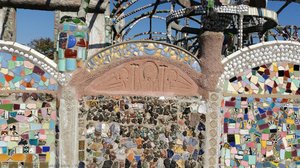
Stepping through the entrance of Nuestro Pueblo is less like entering a physical structure and more like passing through a threshold into a dreamscape of light and texture. The Watts Towers, the life's work of Italian immigrant Sabato Rodia, present an archway that defies conventional architectural logic. This entrance, designed with a mesmerizing, organic silhouette, evokes the feeling of a stylized forest canopy or a celestial gateway. As sunlight filters through the intricate mosaic, it dances across a kaleidoscope of colors—deep ocean blues, verdant greens, and earthy browns are punctuated by sudden, brilliant flashes of crimson, amber, and gold. The composition draws the eye inward, using the structural rhythm of the arch to frame a receding view that promises even deeper layers of discovery within the tower complex.
The sheer tactile richness of this work is overwhelming, making it a profound source of inspiration for those who appreciate the beauty of complexity. Every surface tells a story of transformation, where discarded fragments are reborn as high art. The texture is a rugged, beautiful landscape of uneven surfaces and reflective glints, created by the meticulous arrangement of glass bottles, ceramic shards, seashells, and metal scraps. For the discerning collector or interior designer, this piece offers a masterclass in how disparate, humble elements can be woven into a cohesive, breathtaking whole, providing a focal point that is both intellectually stimulating and visually hypnotic.
The Alchemy of Outsider Art
At its heart, the Watts Towers represent a pinnacle of outsider art and naïve art, born from a singular, obsessive vision that spanned over three decades. Sabato Rodia’s technique was one of pure assemblage—a slow, meditative process of building armatures from steel rebar and wire mesh, then painstakingly cladding them in the detritus of urban life. This method of construction creates a unique aesthetic tension between the industrial strength of the underlying structure and the delicate, jewel-like quality of the mosaic skin. There is no distinction here between fine art and found object; instead, there is a seamless alchemy where the mundane is elevated to the monumental.
The symbolism embedded within this entrance speaks to themes of resilience, resourcefulness, and the eternal cycle of growth. The tree-like motifs suggest a deep connection to the natural world, even when constructed from man-made refuse. This duality—the organic form emerging from inorganic waste—serves as a powerful metaphor for the human spirit's ability to create beauty out of hardship. To possess a reproduction of this work is to invite a sense of wonder and a reminder of the transformative power of creativity into one's space.
An Emotional Legacy
Beyond its technical brilliance, the emotional impact of Nuestro Pueblo lies in its profound sincerity. There is an undeniable warmth in Rodia’s handiwork, a sense of a man pouring his soul into every tile and bottle fragment. The entrance does not merely stand; it breathes with the history of Los Angeles and the personal journey of an immigrant artist. It evokes a feeling of awe, pulling the viewer into a state of contemplative joy.
For those seeking to curate a collection that speaks to depth and character, this artwork offers more than mere decoration. It provides a conversation piece that bridges the gap between historical significance and contemporary aesthetic appeal. Whether placed in a modern gallery setting or a classic study, the vibrant energy and intricate detail of the Watts Towers entrance serve as a timeless testament to the enduring magic of the human imagination.
Ähnliche Kunstwerke
Über den Künstler
Frühes Leben und Karriere
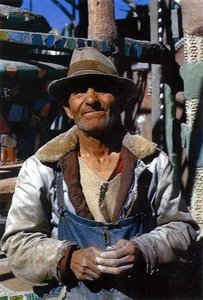
Sabato Rodia, auch bekannt als Simon Rodia, war ein italienischer Einwanderer, der in den Vereinigten Staaten lebte. Geboren 1879 in Serino, Italien, verbrachte er den Großteil seines Erwachsenenlebens in Los Angeles. Dort erschuf er die Watts Towers – eine faszinierende Sammlung von 17 miteinander verbundenen skulpturalen Türmen, architektonischen Strukturen sowie individuellen plastischen Elementen und Mosaiken.Die Watts Towers: Ein Meisterwerk der Outsider Art
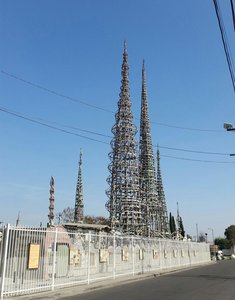
Die Watts Towers sind ein herausragendes Beispiel für die Outsider Art (oder Art Brut) und die italienisch-amerikanische Naive Kunst. Allein von Rodia entworfen und über einen Zeitraum von 33 Jahren, von 1921 bis 1954, errichtet, erreicht der höchste Turm eine imposante Höhe von 99,5 Fuß (30,3 m). Die Stätte ist heute Teil des Simon Rodia State Historic Park, einem historischen und kulturellen Monument von Los Angeles und einer der neun Volkskunst-Stätten, die im National Register of Historic Places in Los Angeles gelistet sind.Design und Konstruktion
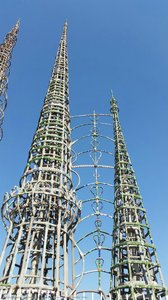
Die Gerüste von Rodia bestehen aus Stahlbewehrung, die mit Drahtgeflecht umwickelt und mit Fundstücken dekoriert wurde, darunter Flaschen, Keramikkacheln, Muscheln, Figuren, Spiegel und andere Objekte. In die Hauptstützen sind Fragmente von Porzellan, Fliesen und Glas eingebettet. [https://ArtsDot.com/@@/d4csx7-sabato-rodia-watts-towers](Gemälde von 'Sabato Rodia' | Sabato Rodia: Watts Towers (Öffentliche Kunst im öffentlichen Raum (Kalifornien, Vereinigte Staaten), Skulptur))Vermächtnis und Erhaltung
Die Watts Towers wurden 1990 als National Historic Landmark und als kalifornisches historisches Wahrzeichen ausgewiesen. [https://en.wikipedia.org/wiki/watts_towers](Wikipedia: Watts Towers) bietet weitere Informationen zur Geschichte der Stätte und zu den Bemühungen um deren Erhaltung.- Wichtige Fakten:
- geboren 1879 in Serino, Italien
- verbrachte den Großteil seines Lebens in Los Angeles
- errichtete die Watts Towers über einen Zeitraum von 33 Jahren (1921–1954)
- 1990 als National Historic Landmark und kalifornisches historisches Wahrzeichen anerkannt
- Verwandte Künstler:
- [https://ArtsDot.com/@/carlo-jeannerat](Künstler: Carlo Jeannerat)
- [https://ArtsDot.com/@/michelangelo-buonarroti](Künstler: Michelangelo Buonarroti)
- Verwandte Gemälde:
- [https://ArtsDot.com/@@/d4csx7-sabato-rodia-watts-towers](Gemälde von 'Sabato Rodia' | Sabato Rodia: Watts Towers)
- [https://ArtsDot.com/@@/9gg6g7-michelangelo-buonarroti-the-conversion-of-saul-(detail-)](Gemälde von 'Michelangelo Buonarroti' | Michelangelo Buonarroti: Die Bekehrung des Paulus (Detail))
Sabato Rodia
1879 - 1965 , Italien
Kurzinfos
- Bedeutende Kunstwerke:
- Angelus Novus
- Senecio
- Twittering Machine
- Geburtsdatum: 18. Dezember 1879
- Geburtsort: Münchenbuchsee, Schweiz
- Künstler, Die Diesen Künstler Beeinflusst Haben:
- Leonardo da Vinci
- Wassily Kandinsky
- Künstlerische Bewegung Oder Stil: Expressionismus, Surrealismus
- Nationalität: Schweizer-Deutsch
- Sterbedatum: 29. Juni 1940
- Vollständiger Name: Paul Klee
- Von Diesem Künstler Beeinflusste Künstler Oder Bewegungen:
- Bauhaus
- Surrealismus
Ähnliche Artikel
Frederick Waters Watts: A Victorian Vision of Aestheticism & Spiritual Symbolism
Explore the captivating world of Frederick Watts, a key Victorian painter blending aestheticism & spiritual symbolism. Discover his allegorical masterpieces like 'Hope' and delve into his artistic journey with ArtsDot.
George Frederic Watts: Symbolism, Spirituality & Victorian Ideal Beauty
Explore the captivating Symbolist art of George Frederic Watts. Discover his allegorical masterpieces, classical influences & spiritual themes. Learn about his legacy and find high-quality reproductions at ArtsDot.
Art Brut: Unveiling the Raw Power of Outsider Art & Its Enduring Legacy
Explore the fascinating world of Art Brut – from Dubuffet's origins to its lasting impact on contemporary art. Discover key artists, characteristics & how to collect this powerful form of self-taught expression.
Sir William Blake Richmond: Ästhetizismus und Symbolismus – Eine Vision zwischen Präraffaelitismus und Renaissance-Ideal
Entdecken Sie das faszinierende Werk von Sir William Blake Richmond – ein Pionier des Ästhetizismus und Symbolismus. Erfahren Sie mehr über seine Mosaiken in St. Paul’s Cathedral, seinen Einfluss auf die Arts and Crafts Bewegung und sein Vermächtnis als Slade Professor.
The Unconventional Vision: Exploring the Characteristics, History & Enduring Appeal of Naïve Art
Explore the captivating world of naïve art! Discover its history, characteristics, key artists & collecting tips from ArtsDot's experts. Find your perfect piece today.

